Steven Spielberg’s name carries a unique weight when it comes to sequel confirmation, which is why his recent comments immediately reset the conversation around Ready Player Two. Rather than a surprise press release or studio-stage announcement, the confirmation emerged in a controlled, reflective setting: a public interview tied to his ongoing discussions about legacy filmmaking, franchise responsibility, and the future of immersive cinema. The context matters, because Spielberg was not teasing hype, but addressing process.
What he actually said was more measured than the headlines suggest. Spielberg acknowledged that Ready Player Two is actively in development, framed as a continuation Warner Bros. intends to pursue with his creative involvement at the producer level. He stopped short of announcing casting, release windows, or directing commitments, but the language was unmistakably forward-looking, signaling that the sequel has moved beyond abstract interest and into real studio motion.
| # | Preview | Product | Price | |
|---|---|---|---|---|
| 1 |

|
Ready Player Two: A Novel | $9.40 | Buy on Amazon |
| 2 |

|
Ready Player One 2 Books Set by Ernest Cline | $34.00 | Buy on Amazon |
| 3 |

|
Ready Player One and Two Book Set | $47.99 | Buy on Amazon |
| 4 |

|
Ready Player Two (Spanish Edition) | $18.95 | Buy on Amazon |
| 5 |
|
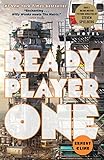
Ready Player One | $9.99 | Buy on Amazon |
Why Spielberg’s wording counts as confirmation
In studio terms, Spielberg’s statement crosses a crucial threshold. When a filmmaker of his stature publicly confirms development, it typically means rights are secured, a creative roadmap exists, and early scripting conversations are underway. This is not a speculative optioning phase; it is a project that the studio believes is viable enough to discuss openly.
Importantly, Spielberg framed the sequel as an evolution rather than a direct replication of Ready Player One. That distinction matters because Ernest Cline’s Ready Player Two novel was divisive, even among fans of the original. By emphasizing development rather than adaptation, Spielberg left the door open for significant departures from the book’s plot, tone, and character arcs.
#1 Best Overall
Where this leaves expectations for the franchise
Spielberg’s confirmation also quietly recalibrates expectations around timeline and creative control. His involvement suggests a longer development cycle, prioritizing technological readiness and narrative relevance over speed. This aligns with how Spielberg has historically approached legacy IP, favoring cultural timing over rushed release dates.
For the Ready Player franchise, the implications are substantial. A Spielberg-backed sequel signals that Warner Bros. still sees the Oasis as a platform with long-term potential, not just a one-off nostalgia experiment. The confirmation does not promise immediate spectacle, but it does promise intent, and in Hollywood, that is often the most meaningful first step.
What ‘Confirmed’ Means in Hollywood Terms: Development vs. Greenlight vs. Production
In Hollywood, the word confirmed carries weight, but it is not a single, fixed status. Spielberg’s phrasing places Ready Player Two firmly in the development phase, which is meaningful without being synonymous with an imminent shoot. Understanding that distinction is key to separating genuine momentum from premature hype.
Development: Where Ready Player Two Currently Stands
Development is the stage where a sequel becomes real behind closed doors. It typically means the studio has committed resources to story exploration, early drafts, and creative alignment, often with producers and writers quietly shaping the project’s identity. Spielberg confirming development strongly suggests Warner Bros. has cleared internal hurdles and believes the sequel is worth investing in.
What’s actually slowing this PC down?
Pick the symptom - the matching free tool is one click away.
Crucially, this phase also allows for reinvention. Because Ready Player Two is not locked into production logistics yet, the creative team can reassess what worked in the first film and what did not resonate from the novel. That flexibility aligns with Spielberg’s history of reshaping source material rather than treating it as a rigid blueprint.
Greenlight: The Decision That Changes Everything
A greenlight is the moment when a studio officially commits to making the movie. Budgets are approved, casting begins in earnest, and scheduling becomes real rather than theoretical. Spielberg did not announce a greenlight, which signals that Ready Player Two is still being evaluated creatively and strategically.
This is especially important given the mixed reception of Ernest Cline’s sequel novel. Warner Bros. will want confidence that a new film can justify its scale, both financially and culturally, before moving forward. The absence of a greenlight does not indicate doubt, but it does reflect caution in a post-streaming-reset era where even recognizable IP must prove its relevance.
Production: What Confirmation Does Not Yet Promise
Production is the phase most audiences associate with inevitability, but Ready Player Two is not there yet. There are no confirmed cast returns, no production start date, and no public commitment from Spielberg to direct. That gap is intentional and consistent with how Spielberg-managed projects typically unfold.
Spielberg often waits until the technology, the script, and the cultural moment align. For a franchise built around virtual worlds and evolving digital identity, that patience may be essential rather than indulgent. The confirmation signals direction, not speed.
Why This Distinction Matters for the Franchise
Understanding where Ready Player Two sits helps set realistic expectations. This is not a rushed sequel chasing nostalgia, but a property being reassessed for longevity and relevance. Development allows Warner Bros. to treat the Oasis as a flexible platform rather than a one-note spectacle.
It also leaves room for meaningful deviation from the book. By confirming development without promising fidelity, Spielberg implicitly frames the sequel as a reinterpretation shaped by modern gaming culture, emerging tech, and lessons learned from the first film. In studio terms, that is often where the strongest sequels are born.
Warner Bros., Amblin, and the Franchise Equation: Why Ready Player Two Makes Strategic Sense
From a studio perspective, Ready Player Two sits at the intersection of legacy filmmaking and future-facing IP. Warner Bros. retains a rare asset in the Oasis, a world flexible enough to evolve alongside gaming culture, virtual reality, and digital identity. Spielberg’s confirmation matters because it signals that this property is still considered viable at the highest creative level, not simply as dormant catalog IP.
Quick wins for a faster PC:
Fix the driver behind crashes, sound loss and screen glitchesFind Drivers →Repair Windows errors before they cause bigger problemsFix Now →Scan for outdated or missing drivers - takes under a minuteDriver Scan →Amblin’s involvement further legitimizes the process. Spielberg does not casually attach his brand to sequels unless there is long-term franchise logic behind it. In studio terms, that elevates Ready Player Two from a potential follow-up into a strategic reevaluation of what the franchise can become.
Why Warner Bros. Is Incentivized to Revisit the Oasis
Ready Player One was a financial success, grossing over $580 million worldwide and performing especially well in international markets. That kind of global reach is precisely what Warner Bros. continues to prioritize as theatrical releases become fewer but larger in scale. A recognizable, visually driven sci-fi universe with built-in gamer appeal remains a valuable proposition.
Rank #2
- 9780307887443 9781524761349 Ready Player One
- Ready Player One 9780307887443
- Ready Player Two 9781524761349
Equally important is flexibility. The Oasis is not tied to a single storyline or character arc in the way many franchises are. That gives the studio room to adjust tone, focus, and structure, whether that means leaning harder into action, expanding the world beyond Wade Watts, or even planting seeds for future spin-offs.
Amblin’s Role: Creative Gatekeeper, Not Content Factory
Amblin’s development philosophy tends to favor long gestation periods over rushed output. Spielberg’s companies historically prioritize scripts that justify scale, rather than scale for its own sake. That helps explain why confirmation arrived without a director announcement or production timetable.
Do these 3 things before closing this tab:
1Scan for outdated or missing drivers - takes under a minute2Clear out junk files and repair common Windows errors3Fix the driver behind crashes, sound loss and screen glitchesThis approach also protects the brand. Ready Player Two, as a novel, drew criticism for its darker themes and less accessible storytelling. Amblin’s involvement increases the likelihood that the film version would selectively adapt concepts rather than attempt a direct translation, preserving the cinematic clarity that defined the first film.
Confirmed Does Not Mean Committed, and That’s by Design
In studio language, confirmation at this stage means resources are being allocated to exploration, not execution. Writers, concept artists, and technology teams can test ideas without locking the studio into a release window. That flexibility is crucial for a film that depends heavily on evolving visual effects pipelines and emerging virtual production tools.
It also gives Warner Bros. time to read the market. Audience appetite for big-budget sci-fi has shifted in recent years, and studios are increasingly cautious about sequel fatigue. By keeping Ready Player Two in development rather than production, the studio retains optionality rather than obligation.
How Strategic Distance Allows Creative Reinvention
Perhaps the most important advantage of this slow-burn strategy is creative freedom. Spielberg has effectively decoupled the sequel from strict fidelity to Ernest Cline’s second book, opening the door to reinterpretation. That could mean a story more reflective of modern online culture, live-service gaming, and the blurred line between corporate platforms and personal identity.
From a franchise standpoint, that reinvention is essential. Ready Player Two is not being positioned as a nostalgia echo of the first film, but as a recalibration. If Warner Bros. and Amblin move forward, it will likely be because they believe the Oasis can speak to where digital culture is going, not where it has already been.
The Book vs. the Movie: Why Ready Player Two Will Likely Depart from Ernest Cline’s Novel
The gap between Ready Player Two the book and Ready Player Two the movie is likely to be wider than it was for the first adaptation. Spielberg and Amblin have little incentive to treat Ernest Cline’s sequel as a rigid blueprint, especially given the mixed response to its narrative choices. In Hollywood terms, the novel functions more as a concept library than a locked script.
That distinction matters, because Spielberg’s confirmation signals intent to explore the sequel’s ideas, not to faithfully reproduce its structure. This is consistent with how Ready Player One was adapted, but the stakes are higher now. The second book presents creative challenges that are harder to reconcile with blockbuster pacing and broad audience appeal.
Why the Novel Became a Creative Liability
Upon release, Ready Player Two was criticized for its darker tone, narrower focus, and philosophical detours. The story leans heavily into moral absolutism, virtual escapism, and social control through technology, often at the expense of momentum. Those elements work on the page for some readers, but they pose risks for a $200 million studio tentpole.
Spielberg has historically avoided didactic storytelling in his blockbusters. Even when tackling heavy themes, he favors emotional clarity over conceptual density. A direct adaptation of the novel would clash with that sensibility, making selective reinvention not just likely, but necessary.
The Oasis Has Changed, and So Has Its Audience
Another reason for divergence lies in how quickly digital culture evolves. Ready Player Two was written before the rise of live-service gaming dominance, creator economies, and mainstream conversations around algorithmic control. A film sequel released years later cannot afford to feel anchored to yesterday’s anxieties.
Amblin’s development-first approach allows the Oasis to be recontextualized. Instead of mirroring the book’s fixation on nostalgia hierarchies and gatekeeping, the film can explore identity, ownership, and agency in virtual spaces that feel contemporary. That evolution aligns more closely with Spielberg’s interest in human impact rather than tech mechanics.
Character-Centered Storytelling Over Concept Density
One of the novel’s most divisive elements was its treatment of Wade Watts and the supporting cast. Critics pointed to a loss of emotional relatability as the story leaned further into ideological territory. For a film franchise, that is a red flag.
Recommended Free Tools
Rank #3
The movie version is far more likely to recalibrate character arcs, simplifying motivations and restoring interpersonal stakes. Spielberg’s confirmation suggests confidence in the world, not necessarily in the book’s execution. Expect familiar faces to return with redesigned emotional journeys that prioritize empathy and cinematic rhythm.
Adaptation as Franchise Preservation
From a studio strategy perspective, departing from the novel is about protecting long-term value. Warner Bros. and Amblin are not just developing a sequel, but safeguarding a property that could extend into future films, series, or interactive media. Locking the franchise to a polarizing narrative would limit those options.
By treating Ready Player Two as an adaptive reinterpretation rather than a faithful sequel, Spielberg keeps the door open. The confirmation signals legitimacy and intent, but also restraint. This is not a rush to recreate a book beat-for-beat, but a calculated effort to ensure the Oasis remains viable in a changing entertainment landscape.
Spielberg’s Potential Creative Role: Director, Producer, or Franchise Architect?
Steven Spielberg’s confirmation of Ready Player Two immediately raises a more nuanced question than whether the sequel is happening. The real intrigue lies in how deeply he will be involved creatively. In modern studio terms, “confirmed” rarely means a return to the director’s chair by default, especially for filmmakers at Spielberg’s level.
PC Slower Than It Used to Be?
A free scan shows the junk files, broken settings and background clutter dragging Windows down - then fixes them in one click.Free scan · Windows 10 & 11Crashes, No Sound, or Screen Glitches?
Random freezes, missing sound and display glitches usually trace back to one bad driver. Find and replace yours safely.Free scan · under a minuteWhat it does confirm is that the project exists in an active, sanctioned state under Amblin’s oversight. This is not a rights-holder acknowledgment or a casual endorsement. It signals that development conversations have progressed far enough for Spielberg to publicly validate the sequel as real, intentional, and strategically planned.
Director: Possible, But Far From Guaranteed
Spielberg directing Ready Player Two remains the most exciting scenario for fans, but it is also the least predictable. Ready Player One demanded an enormous technical and logistical commitment, and Spielberg has since prioritized more personal, contained projects. A full return would require the sequel to justify itself as more than a visual spectacle.
That said, Spielberg has historically returned to franchises when the thematic hook evolves. If Ready Player Two meaningfully shifts focus toward identity, authorship, or generational legacy in digital spaces, the material could align with his late-career interests. His confirmation leaves the door open, but it is not a promise of authorship behind the camera.
Producer: The Most Likely and Most Influential Role
The safest assumption is Spielberg serving as a hands-on producer through Amblin Partners. In this capacity, his influence would shape tone, structure, and creative restraint rather than day-to-day direction. For a sequel navigating modern tech anxieties, that guidance may be more valuable than spectacle alone.
Free tools Windows power users keep installed
One-click scans. No signup required.
Spielberg’s producer-driven franchises, from Jurassic World to Gremlins, show how he curates narrative boundaries without imposing repetition. Ready Player Two would benefit from that model, especially if it departs significantly from Ernest Cline’s novel. His involvement would act as a quality filter, ensuring the film speaks broadly rather than narrowly to hardcore fans.
Franchise Architect: Spielberg’s Quiet Power Move
There is also a third, increasingly likely role: Spielberg as franchise architect rather than primary storyteller. This position allows him to define the long-term philosophy of the Oasis while empowering new filmmakers to execute within that framework. It is a strategy he has embraced as Hollywood shifts toward multi-platform storytelling.
Under this model, Ready Player Two becomes a pivot point rather than a destination. It could establish thematic rules, aesthetic continuity, and emotional priorities that support future sequels, spin-offs, or interactive extensions. Spielberg’s confirmation, in this sense, is less about authorship and more about stewardship.
For audiences, that distinction matters. Spielberg’s name attached does not guarantee nostalgia replication, but it does guarantee intent. Ready Player Two is being positioned not as a reflexive follow-up, but as a recalibrated evolution guided by one of cinema’s most experienced franchise minds.
The Tool Desk
Outbyte PC Repair FREERepair Windows errors before they cause bigger problemsFix Now →Outbyte Driver Updater FREEScan for outdated or missing drivers - takes under a minuteDriver Scan →Timeline Reality Check: Script Development, Casting, and the Earliest Possible Release Window
Spielberg’s confirmation carries weight, but it does not signal that cameras are about to roll. In studio terms, “confirmed” means the project has cleared the conceptual gate and entered active development, not that it has a locked script or production start date. Warner Bros. and Amblin now treat Ready Player Two as a strategic asset, and that alone slows the process by design.
This is not a sequel being rushed to capitalize on nostalgia. The timeline suggests a deliberate recalibration aimed at long-term viability rather than speed.
Script Development: Where the Real Work Is Happening
The most important phase right now is script development, and it is likely the most time-consuming. Ernest Cline’s Ready Player Two novel is widely viewed as tonally darker and more polarizing than its predecessor, which means the film adaptation almost certainly requires structural reinvention. Spielberg’s involvement at this stage suggests a rewrite-heavy process focused on accessibility and emotional clarity.
Expect the screenplay to selectively adapt concepts rather than follow the book faithfully. The core mythology of the Oasis will remain, but character motivations, stakes, and even the central conflict are likely being reshaped to better align with cinematic momentum. That kind of reengineering typically takes a year or more before a studio is confident enough to move forward.
Casting: Familiar Faces, Deliberate Timing
Casting discussions are likely informal but inevitable, especially regarding the return of Tye Sheridan, Olivia Cooke, and key supporting players. However, no actor deals can meaningfully progress without a near-final script, particularly for a sequel that may reposition its protagonists. Studios are cautious about locking talent before creative direction is fully defined.
There is also the possibility of strategic recasting or expanded roles for new characters, depending on how far the film diverges from the novel. Any public casting announcements would signal a major milestone, and that has not happened yet. Until then, fans should view silence not as hesitation, but as procedural discipline.
The Earliest Possible Release Window
Given standard blockbuster development timelines, a realistic production start would fall no earlier than late 2027. Visual effects-heavy films like Ready Player Two require extended post-production cycles, often pushing releases two years beyond principal photography. That places the earliest plausible theatrical release in 2029, assuming no major delays.
This window also aligns with Warner Bros.’ broader franchise planning, allowing the sequel to arrive as a generational refresh rather than a quick follow-up. Spielberg’s confirmation signals intent, not immediacy. Ready Player Two is being built as a future-facing event film, and that kind of ambition demands patience.
How Ready Player Two Could Evolve the OASIS: Technology, Gaming Culture, and Audience Expectations
Spielberg’s confirmation that Ready Player Two is actively being developed reframes the OASIS as more than a nostalgic playground. In studio terms, “confirmed” does not mean cameras are rolling, but it does mean the creative mandate exists to rethink the virtual world for a new era. That distinction matters, because the OASIS of 2018 cannot simply be rebuilt and expected to feel current a decade later. The sequel’s challenge is evolution, not escalation.
From Pop Culture Museum to Living Digital World
Ready Player One treated the OASIS as a curated celebration of pop history, filtered through Spielberg’s cinematic lens. That approach worked brilliantly for a first film, but audiences now expect virtual worlds to feel reactive, personalized, and alive. A sequel has room to shift the OASIS from a static homage engine into something closer to a living digital ecosystem.
This evolution aligns with how modern games and platforms operate, emphasizing player agency, emergent storytelling, and community-driven spaces. Rather than constant Easter egg recognition, the sequel could prioritize how users shape the world itself. That change would reflect not just gaming trends, but broader shifts in how audiences engage with digital identities.
Technology Has Changed, and the Film Will Have to Acknowledge It
Since Ready Player One’s release, real-world conversations around VR, AI, and immersive tech have accelerated dramatically. Spielberg and Warner Bros. are unlikely to ignore that context, especially if the OASIS is meant to feel plausibly futuristic rather than retroactively predictive. Expect the sequel to subtly recalibrate its tech language, even if it avoids overt real-world parallels.
The Tool Desk
Outbyte Driver Updater FREEFix the driver behind crashes, sound loss and screen glitchesFind Drivers →Outbyte PC Repair FREERepair Windows errors before they cause bigger problemsFix Now →This does not require turning Ready Player Two into a tech thesis. Instead, it means grounding the spectacle in ideas audiences now intuitively understand, such as algorithmic influence, digital dependency, and the emotional cost of living online. These themes were present in the first film, but a sequel has the opportunity to sharpen them with greater relevance.
Gaming Culture Has Matured Since the First Film
The gaming landscape of the late 2010s was defined by shared nostalgia and crossover spectacle. Today’s culture is more fragmented, creator-driven, and socially conscious. A new Ready Player film will likely reflect that shift by broadening what the OASIS represents beyond a single generation’s references.
This could mean fewer overt callouts and more emphasis on subcultures, competitive spaces, and digital communities. Spielberg has historically been selective about trend-chasing, but he is also keenly aware of audience literacy. The OASIS may become less about what you recognize and more about where you belong.
Adjusting Audience Expectations Without Losing the Fantasy
One of the biggest risks for Ready Player Two is balancing familiarity with reinvention. Fans expect visual spectacle, imaginative set pieces, and a sense of wonder, but they also expect the sequel to justify its existence. That is where selective adaptation becomes crucial.
Quick wins for a faster PC:
Repair Windows errors before they cause bigger problemsFix Now →Scan for outdated or missing drivers - takes under a minuteDriver Scan →Clear out junk files and repair common Windows errorsFree Scan →Best Value
The novel’s more divisive elements give the filmmakers flexibility to reframe the OASIS around emotional stakes rather than conceptual overload. Spielberg’s involvement suggests that accessibility will again be the guiding principle. The goal is not to outdo the first film’s density, but to deepen the experience in a way that feels earned.
What This Means for the Franchise, Not Just the Film
Evolving the OASIS is also a strategic move for Warner Bros. If Ready Player Two succeeds in modernizing its virtual world, it reopens the door for future stories, spin-offs, or cross-media expansions. A static OASIS limits longevity; a flexible one invites continuation.
That long-view thinking reinforces why Spielberg’s confirmation matters. It signals confidence in the concept’s adaptability, not just its brand recognition. Ready Player Two is being positioned as a recalibration of the franchise’s core idea, with the OASIS at the center of that transformation.
Franchise Impact and Future Potential: Is Ready Player Two a Sequel or the Start of Something Bigger?
Steven Spielberg’s confirmation of Ready Player Two carries weight precisely because of how rarely he speaks prematurely. In studio terms, “confirmed” does not mean cameras are rolling or a release date is imminent. It means the project has cleared a key creative threshold: Spielberg believes the story is worth telling, and Warner Bros. is aligned enough to begin serious development rather than idle option-holding.
Do these 3 things before closing this tab:
1Fix the driver behind crashes, sound loss and screen glitches2Clear out junk files and repair common Windows errors3Scan for outdated or missing drivers - takes under a minuteThat distinction matters for expectations. Ready Player Two is not being rushed to meet a market window, nor is it positioned as a reactive sequel. Instead, it is entering the long, deliberate phase Spielberg favors, where concept refinement and tonal calibration come before spectacle.
What “Confirmed” Really Means Behind the Scenes
At this stage, confirmation signals intent rather than execution. Scripts are likely in active development, with flexibility to diverge from Ernest Cline’s Ready Player Two novel where necessary. Casting discussions, production schedules, and release timing remain fluid, but the foundation is officially in place.
Historically, Spielberg-backed sequels move forward only when they offer thematic expansion, not repetition. His involvement suggests Warner Bros. views Ready Player Two as a creative investment, not just a brand extension. That alone elevates the project above standard sequel territory.
A Sequel That May Not Follow the Book
One of the most important implications for the franchise is how loosely the film is expected to adapt its source material. The Ready Player Two novel introduced ambitious ideas but divided fans with its execution and tonal shifts. Spielberg’s track record points toward selective adaptation rather than literal translation.
This opens the door for a sequel that preserves the OASIS as a concept while reworking its narrative mechanics. Expect fewer lore-heavy digressions and a stronger emphasis on character consequence, emotional cost, and the ethics of digital immersion. In practical terms, the film may feel less like a direct continuation of the book and more like a reinterpretation of its core questions.
From One-Off Spectacle to Scalable Universe
The bigger question is whether Ready Player Two functions as an endpoint or a foundation. Warner Bros. has been increasingly focused on scalable franchises that support multiple formats, from theatrical films to streaming expansions. A modernized OASIS provides a rare narrative sandbox that can support both standalone stories and interconnected arcs.
If the sequel successfully reframes the virtual world as an evolving ecosystem rather than a nostalgia museum, it positions the franchise for longevity. That could mean future films exploring different corners of the OASIS, new protagonists, or even genre shifts within the same digital framework. None of this is confirmed, but the architecture is clearly being designed with flexibility in mind.
Timeline Expectations and Creative Patience
Fans should temper expectations regarding release timing. Spielberg’s development cycles prioritize quality control, and large-scale visual effects projects require extensive pre-production. A realistic window places Ready Player Two several years away, not months.
That patience may ultimately benefit the franchise. In a landscape crowded with rushed sequels and diminishing returns, taking time to redefine the OASIS could allow Ready Player Two to arrive as an event rather than an obligation.
The most telling aspect of Spielberg’s confirmation is not speed, but intention. Ready Player Two is shaping up to be more than a continuation of Wade Watts’ story. It is an opportunity to redefine what the franchise can be, setting the stage for a future where the OASIS evolves alongside its audience rather than chasing it.
Quick Recap
Product prices and availability are accurate as of the date/time indicated and are subject to change. Any price and availability information displayed on Amazon at the time of purchase will apply.