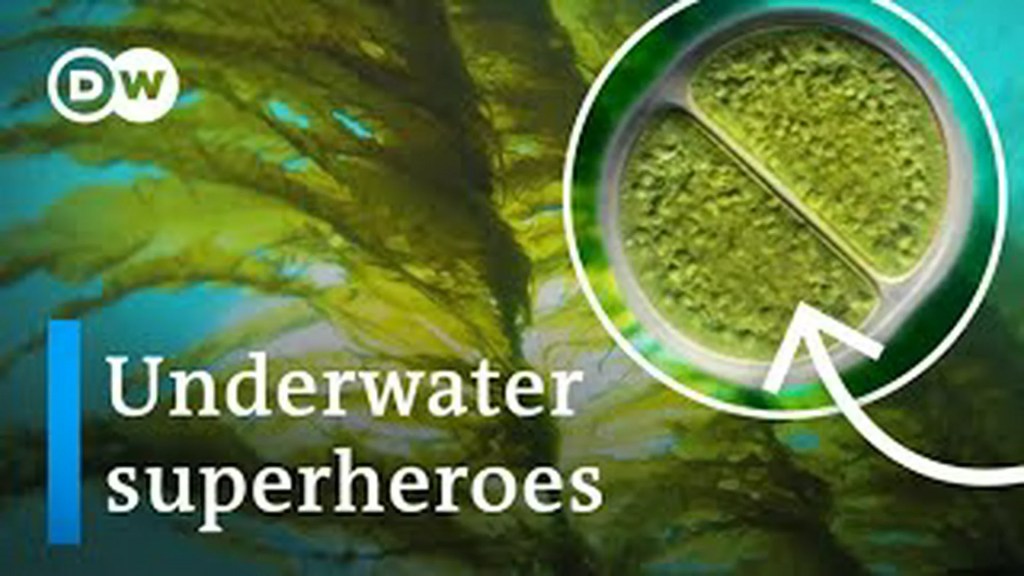
The world needs healthy algae because photosynthetic algae, especially microscopic phytoplankton, support aquatic food webs, take up carbon dioxide, and produce oxygen. But “more algae” should mean protecting healthy algal productivity and ecological balance—not encouraging growth everywhere, since some species and bloom conditions can harm ecosystems and people.
Why algae matter
Algae are a varied group, and their roles differ by species and habitat. In aquatic food webs, plants and algae are primary producers: phytoplankton use sunlight and carbon dioxide near the water’s surface to make food. Small consumers such as krill and other zooplankton eat them, passing energy on to fish and other animals.
Photosynthesis also releases oxygen. NOAA estimates that roughly half of Earth’s oxygen production comes from the ocean, mostly from photosynthetic plankton. This is gross production, not a net addition to the atmosphere: marine life and decomposition consume roughly the same amount.
Phytoplankton also take up carbon dioxide and contribute to carbon cycling. That role matters, but it does not mean that indiscriminately increasing algae is a proven or durable climate solution.
Free tools Windows power users keep installed
One-click scans. No signup required.
Healthy production and harmful blooms
Most algae species are beneficial, and not all algal blooms are harmful. Some blooms support aquatic food webs. Harm depends on the species and conditions: certain algae can produce toxins, while dense growth can block light or harm animals. When large growths decompose, the process can consume oxygen and contribute to hypoxia.
Conditions linked to harmful blooms can include nutrient loading, temperature, light, water flow, and salinity. Excess nutrient pollution can drive growth, but no single factor explains every bloom. Cyanobacteria, often called blue-green algae, are photosynthetic bacteria rather than true algae.
Rank #2

- Micro Ingredients offers Organic Spirulina Chlorella tablets in a balanced 50/50 blend, combining two well-known green algae sources in one simply daily option.
- Each pouch contains 720 tablets with 6 tablets per serving, providing 120 servings for a long-lasting supply designed for consistent daily use.
- Prepared with a broken cell wall structure, these algae tablets are crafted into a convenient, easy-to-use format compared to raw powders.
- Provides chlorophyll and plant-based nutrients from spirulina and chlorella, offering a simple way to incorporate greens into your routine.
- Non-GMO and manufactured in a cGMP-compliant facility. Third-party lab tested for quality and consistency. Free of soy, dairy, gluten, and tree nuts.
| Healthy primary production | Harmful bloom conditions |
|---|---|
| Supports aquatic food webs | Some species can produce toxins or other harmful effects |
| Photosynthesizes and contributes to oxygen production | Decomposition can consume oxygen and lead to hypoxia |
| Takes up carbon dioxide as part of photosynthesis and carbon cycling | High biomass can block light and disrupt aquatic habitats |
| Varies naturally by species, place, and season | Risk depends on species and interacting environmental conditions |
What “more algae” should mean
The case for algae is a case for healthy, balanced aquatic ecosystems. NOAA describes marine algae as foundational to the food web and important to global carbon cycling; changes in bloom timing or species composition can disrupt the timing of food availability for other organisms. Protecting that ecological balance is more useful than treating all algal growth as good or bad.
Independent reader supportYour contribution helps us test, update, and keep practical guides available for everyone.FAQ
Are all algal blooms harmful?
No. Many blooms are beneficial, but some species or bloom conditions can harm wildlife, ecosystems, or human health. The effects depend on the species and environmental conditions.
Quick wins for a faster PC:
Fix the driver behind crashes, sound loss and screen glitchesFind Drivers →Clear out junk files and repair common Windows errorsFree Scan →Scan for outdated or missing drivers - takes under a minuteDriver Scan →Rank #3

- VEGAN OMEGA 3 | Sourced from sustainable Algae Oil providing 1020mg of heart healthy Omega-3's per serving.
- PREMIUM QUALITY | The Only vegan omega-3 encapsulated in plant-based Tapioca Softgel with NO carrageenan (seaweed extract).
- 3rd PARTY TESTED | Non-GMO Verified & Vegan Certified. Formulated without Gelatin, Carrageenan, Corn Starch, Sorbitol or fillers.
- NO FISHY BURPS | Most Omega-3 supplements use fish oils which often contain toxins such as mercury and dioxin. With burp-free, Vegan Omega-3, fish burps are happily a thing of the past!
- We value our customers and want you to be healthy and happy. If you have any questions, comments, or concerns, simply send us a message from your Amazon account and our world-class Customer Support team will make it right.
How much of Earth’s oxygen comes from the ocean?
NOAA estimates that roughly half of Earth’s oxygen production comes from the ocean, mostly from photosynthetic plankton. This is gross production; marine life and decomposition consume roughly the same amount.
Do algae help with climate change?
Phytoplankton take up carbon dioxide during photosynthesis and contribute to carbon cycling. The evidence summarized here does not establish that deliberately increasing algae is a reliable, durable climate solution.
Rank #4
- BLUE-GREEN ALGAE: A single-celled freshwater Algae and coveted superfood!
- SUPERIOR FORMULA: Vegetarian Tablets offer 250 mg of Chlorella per serving
- ROOTED IN WELLNESS: Tahoe Nutritionals provides premium, honest supplements in your pursuit to healthy living
- TAHOE NUTRITIONALS MANUFACTURERS: Laboratory Tested, Trusted Ingredients, Superior Quality, 100% Guaranteed!
- NATURALLY FREE OF: Gluten, Wheat, Yeast, Lactose, Soy, Artificial Flavor, Preservatives and Non-GMO
Are cyanobacteria algae?
Cyanobacteria are photosynthetic bacteria, sometimes called blue-green algae, but they are not true algae.
Quick Recap
Product prices and availability are accurate as of the date/time indicated and are subject to change. Any price and availability information displayed on Amazon at the time of purchase will apply.