Do these 3 things before closing this tab:
1Fix the driver behind crashes, sound loss and screen glitches2Repair Windows errors before they cause bigger problems3Scan for outdated or missing drivers - takes under a minuteSome links on this page are affiliate links: if you buy through them we may earn a commission, at no extra cost to you.
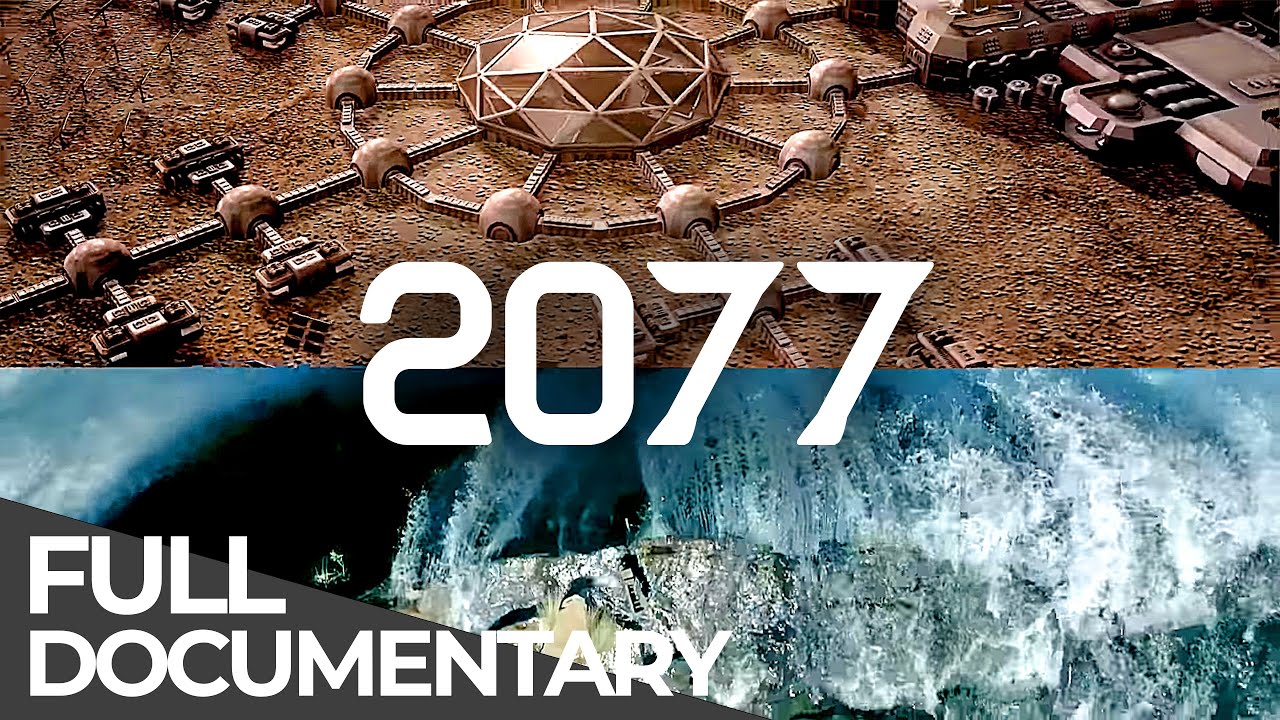
100 years after Man stepped on the Moon, it’s likely that we are in a position to colonise Mars. We are heading towards the creation of a planetary civilization in what will be the greatest transition in the history of Humankind. A brave new world lies before us. And a highspeed race to reverse the poisoning of the planet Earth. We used fossil fuels to take the big leap of the Industrial Revolution and during the 20th and 21st centuries we filled the atmosphere with carbon dioxide, in an explosive way. Even if today we completely stopped sending carbon dioxide into the atmosphere, the amount that has already been released is such that it is enough to cause global warming for decades to come, like a lung that is subject to the action of tobacco for years. How strange the climate with become depends on the measures we take today. Two degrees more are tolerable. Ten degrees more will have dramatic, unpredictable consequences, granting the impossibility of living in many territories which are inhabited today, as well as the relocation of cities by the coast.
The world has come far in the last century, from Man’s first steps on the moon to excursions to Mars that are now within reach. We are on the cusp of forming a planetary civilization which will represent one of the greatest transitions in Human history. It is an exciting prospect, but one that cannot be fully realized without reversing the damage we have done to our home planet.



The 20th and 21st centuries saw an exponential rise in the amount of carbon dioxide released into the atmosphere due to our use of fossil fuels, leading to global warming that persists even if we make concerted efforts today to reduce emissions. Scientists predict increases between two and ten degrees Celsius that could have devastating effects – including displacement of people who live near coastlines and changing climates drastically in already inhabited territories – depending on how much action we take.
What’s actually slowing this PC down?
Pick the symptom - the matching free tool is one click away.
This race against time, as well as its implications for humanity, is explored in-depth by director Alastair Fothergill’s documentary ‘Racing Extinction’. An exploration into both threats and innovative solutions, it encourages viewers all over the world to take part in helping mitigate climate change. By using captivating visuals and personal stories from all corners of the planet, Fothergill emphasizes that this effort is no longer a distant problem one at our doorstep. He outlines what people can do individually and collectively to protect Earth’s biodiversity before it is too late.
Quick Recap
Also popular on Amazon
Also popular on Amazon
Also popular on Amazon
Also popular on Amazon
Popular on Amazon
Product prices and availability are accurate as of the date/time indicated and are subject to change. Any price and availability information displayed on Amazon at the time of purchase will apply.
Independent reader supportYour contribution helps us test, update, and keep practical guides available for everyone.




Say something about this film