Horror has survived every shift in popular taste because it speaks directly to the nerves of its audience, bypassing intellect and going straight for instinct. From the silent-era shadows of Nosferatu to the digital nightmares of modern found footage, the genre has always understood that fear is universal, even when its forms change. Horror doesn’t just scare for sport; it reflects who we are and what we dread at a given moment in history.
Fear as a Cultural Mirror
The best horror films double as time capsules, capturing social anxieties more honestly than prestige dramas ever could. Atomic-age paranoia fueled giant monsters and alien invasions, while the breakdown of the American family echoed through slashers and possession films. Around the world, horror has become a language for grappling with colonial trauma, political oppression, religious fear, and existential dread, making the genre one of cinema’s most adaptable and globally resonant forms.
What elevates horror from guilty pleasure to enduring art is its capacity for invention and emotional intensity. Filmmakers have used terror to experiment with sound design, editing, practical effects, and narrative structure long before other genres dared to. This list exists to celebrate that ambition, ranking the films that didn’t just frighten audiences, but redefined what horror could be, across decades, borders, and wildly different visions of fear.
How We Ranked the 100 Best Horror Movies: Criteria, Scope, and Critical Philosophy
Ranking horror is an inherently subjective act, shaped as much by personal fear as by critical consensus. Still, a list claiming to be definitive demands more than vibes and nostalgia. Our approach balances emotional impact with historical significance, critical reception with cult longevity, and pure terror with artistic ambition, aiming to reflect the genre’s full breadth rather than any single taste.
The Tool Desk
Outbyte PC Repair FREEClear out junk files and repair common Windows errorsFree Scan →Outbyte Driver Updater FREEFix the driver behind crashes, sound loss and screen glitchesFind Drivers →#1 Best Overall

- 【Enjoy Deep Bass from Dedicated Subwoofer】The deep rich bass from our new generation sound bar and subwoofer will activate every cell in your body.The large cavity space of the subwoofer makes the bass punchy and full of magnetic. The surround sound of soundbar and subwoofer collide with each other in every corner of your room like waves, which allowing you immersed in music, movie and gaming.
- 【Multifunctional LED Indicator&Soft Light】Unlike other sound bars, The three-color LED lights help you better identify which the connection mode the sound bar is on(Optical-Purple, Bluetooth-Blue, Auxiliary-Green). Not only that, the volume progress bar below soundbar reminds you the volume level of total or bass.The soundbar's hidden LED indicator and soft lighting make it possible for you to watch TV without distractions.
- 【3 Equalizer Modes】You can adjust soundbar to three different equalizer modes according to different TV shows like news, movie and music. It is an excellent sound bar for your TV. In addition, we provide replace remote control for free. (Remote control is not compatible with universal or TV remotes)
- 【Wireless&Wired Connection】The Bluetooth chip can help you connect devices such as computers and cell phones to the sound bar. Auxiliary input model and optical input model are also available as an option for you to connect your computer, TV and speakers.(We also provide Auxiliary cable and Optical cable for free)
- 【What's You Get! 】The package contains the following products:Soundbar*1, subwoofer*1, remote control*1, user manual*1, 3.5mm to 3.5mm auxiliary cable*1, optical cable*1, brackets*2 expanded plastic pipe*2 and screws*2. In addition, you will receive our product quality guarantee for more than one year and professional after-sales service.
This ranking is not a box-office chart, a popularity poll, or a purely academic canon. It’s a curated critical list designed to guide viewers through horror’s most essential works, honoring both universally acknowledged masterpieces and films that have grown in stature over time through influence, rediscovery, or passionate fan devotion.
Fear, Craft, and Lasting Impact
At the core of every selection is effectiveness: how powerfully a film generates fear, dread, or unease. That doesn’t always mean jump scares or gore. Slow-burn psychological horror, surreal nightmares, and atmosphere-driven chillers were judged by how deeply they linger, how often they demand revisiting, and how successfully they burrow into the viewer’s subconscious.
Craft matters just as much as fright. Direction, cinematography, sound design, performances, editing, and practical or digital effects were evaluated in the context of their era. A low-budget indie that revolutionized tension or storytelling could rank above a technically polished studio film if its influence and ingenuity outweighed raw spectacle.
Historical Influence and Genre Evolution
Horror is a genre built on lineage, with each wave responding to the fears and filmmaking trends that came before it. We prioritized films that changed the rules, launched subgenres, or redefined audience expectations. Whether it’s the birth of the slasher, the evolution of body horror, or the global rise of J-horror and New Extremity, influence weighed heavily in placement.
That influence extends beyond horror itself. Many films on this list reshaped mainstream cinema, inspired countless imitators, or introduced techniques later absorbed by thrillers, dramas, and even blockbusters. A horror movie’s footprint on film culture, not just its scares, played a decisive role in its ranking.
A Truly Global View of Horror
This list rejects the idea that great horror is confined to Hollywood. Films from Europe, Asia, Latin America, Africa, and beyond were considered on equal footing, evaluated within their cultural contexts rather than through a Western lens. Folk horror, political allegory, and regional mythologies are treated as essential threads in the genre’s fabric, not niche curiosities.
Language, budget, and distribution barriers were not disqualifiers. In many cases, limited resources sharpened creativity, producing some of the most haunting and original works ever made. If a film profoundly shaped its national cinema or resonated internationally, it earned its place.
Critical Consensus vs. Cult Passion
Critical acclaim informed the rankings, but it never dictated them. Some horror films were misunderstood or dismissed upon release, only to be reclaimed years later as classics. Others split critics but forged intense bonds with audiences, inspiring midnight screenings, academic essays, and generations of filmmakers.
Do these 3 things before closing this tab:
1Scan for outdated or missing drivers - takes under a minute2Clear out junk files and repair common Windows errors3Fix the driver behind crashes, sound loss and screen glitchesWe weighed professional criticism, audience response, awards recognition, and long-term reputation together, allowing films to rise or fall based on their total legacy rather than their initial reception. Horror history is full of late bloomers, and this list reflects that reality.
What This List Is, and What It Isn’t
This ranking is not meant to end debate but to fuel it. Horror thrives on personal thresholds, cultural background, and individual fear triggers, and no list can capture every favorite. Omissions are inevitable, and disagreements are part of the genre’s lifeblood.
What follows is a guided journey through horror’s most vital works, chosen with care, context, and reverence for the genre’s power. Each film earned its position not just by scaring audiences, but by shaping how we understand fear on screen, and why we keep returning to it, decade after decade.
The Top 10: The Definitive Horror Canon
These final ten films represent the bedrock of horror cinema. Each one didn’t just terrify audiences in its moment; it permanently altered the language, structure, or cultural function of the genre. Together, they form a canon that continues to define what horror is, what it can do, and why it endures.
10. Nosferatu (1922)
F.W. Murnau’s silent nightmare remains one of the most visually influential films ever made. Its expressionist shadows, plague imagery, and cadaverous Count Orlok transformed Dracula into a symbol of death itself, not romantic allure. Even a century later, its images feel cursed, as if horror cinema began with a bad dream that never fully ended.
9. Jaws (1975)
Steven Spielberg’s shark thriller redefined mainstream fear, proving horror could dominate popular culture without gothic trappings. By weaponizing anticipation and the terror of the unseen, Jaws turned the ocean into a primal void. It also reshaped Hollywood economics, becoming the first true summer blockbuster while never surrendering its horror identity.
8. Alien (1979)
Ridley Scott fused science fiction and horror into a perfect organism. Alien’s genius lies in its pacing and production design, turning industrial corridors into womb-like traps and space into existential isolation. The xenomorph remains one of cinema’s most potent monsters, a biomechanical embodiment of violation, survival, and corporate indifference.
7. The Texas Chain Saw Massacre (1974)
Tobe Hooper’s sun-bleached descent into madness feels less like a movie and more like a traumatic memory. Its raw sound design, documentary texture, and nihilistic worldview stripped horror of comfort or fantasy. Few films have ever felt this dangerous, or this close to the real American nightmare.
6. Halloween (1978)
John Carpenter distilled horror to its purest form: a shape, a mask, and a steady camera moving closer. Halloween didn’t invent the slasher, but it perfected its grammar, pairing suburban normalcy with unstoppable evil. Its influence is immeasurable, and its simplicity remains chillingly effective.
5. Night of the Living Dead (1968)
George A. Romero’s low-budget revolution didn’t just create the modern zombie; it reinvented horror as social commentary. With its bleak ending and racial subtext, the film shattered the idea that horror was escapist entertainment. It forced audiences to confront themselves as much as the monsters on screen.
4. Rosemary’s Baby (1968)
Roman Polanski transformed domestic space into a psychological prison. Rosemary’s Baby locates horror not in spectacle, but in gaslighting, autonomy, and institutional betrayal. Its legacy echoes through decades of paranoia-driven and feminist horror, proving that quiet dread can be more devastating than bloodshed.
3. Psycho (1960)
Alfred Hitchcock detonated narrative convention with a single shower scene. Psycho broke rules about protagonists, morality, and on-screen violence, dragging horror into the modern age. Its psychological complexity and formal precision still feel radical, a reminder that terror often begins with intimacy.
2. The Shining (1980)
Stanley Kubrick’s icy labyrinth is horror as existential art. The Shining resists easy interpretation, operating as a haunted house, a family tragedy, and a cosmic puzzle all at once. Its imagery has seeped into collective consciousness, endlessly analyzed yet never fully solved.
1. The Exorcist (1973)
No film has ever united critical prestige, box-office dominance, and genuine mass hysteria like The Exorcist. William Friedkin grounded supernatural terror in emotional realism, transforming possession into a crisis of faith, medicine, and love. More than fifty years later, it remains the benchmark by which all serious horror is judged.
Ranks 11–25: Modern Classics and Genre Redefiners
If the top ten represent horror’s unshakable foundations, ranks 11 through 25 chart the genre’s restless evolution. These are films that either redefined familiar formulas or carved out entirely new pathways, proving horror’s capacity for reinvention across decades, continents, and tones. They are modern classics not because they chased trends, but because they set them.
25. A Nightmare on Elm Street (1984)
Wes Craven transformed the slasher into something surreal and nightmarish, where the battleground was sleep itself. Freddy Krueger’s dream logic allowed for startling visuals and psychological vulnerability that went beyond simple body counts. It’s a film that made imagination terrifying again.
Free tools Windows power users keep installed
One-click scans. No signup required.
24. Let the Right One In (2008)
This Swedish masterpiece reimagines the vampire myth as a melancholic coming-of-age story. Let the Right One In balances icy brutality with aching tenderness, using horror to explore loneliness, dependence, and moral compromise. Its restraint and emotional depth elevated modern vampire cinema.
23. The Blair Witch Project (1999)
Few films have reshaped the genre so completely with so little. By weaponizing suggestion, ambiguity, and found-footage realism, The Blair Witch Project made audiences fear what they couldn’t see. Its influence on low-budget horror and viral marketing remains unmatched.
22. Get Out (2017)
Jordan Peele fused social satire with classical suspense, delivering one of the sharpest genre debuts in history. Get Out turns systemic racism into literal horror, using precision and wit rather than blunt allegory. It reintroduced horror as a mainstream vehicle for cultural critique.
21. The Texas Chain Saw Massacre (1974)
Raw, sun-bleached, and relentlessly oppressive, Tobe Hooper’s nightmare feels less like a movie than a recovered artifact. Its violence is more suggested than shown, but the atmosphere is suffocating. The film permanently altered how ugly, chaotic, and confrontational horror could be.
Outdated Drivers Are Slowing You Down
One free scan finds every outdated or missing driver and matches the right update for your exact hardware.Free scan · exact hardware matchWindows Errors? Fix Them Before They Spread
Repair common Windows errors and clear accumulated junk for a smoother, more stable PC - no reinstall needed.Free scan · no reinstallRank #2

- 【𝐈𝐦𝐩𝐚𝐜𝐭𝐟𝐮𝐥 𝐕𝐨𝐥𝐮𝐦𝐞 𝐁𝐨𝐨𝐬𝐭】: Elevate faint sounds to vibrant with automatic loudness boost. Experience immersive sound through 4 versatile placements—horizontal for distortion-free audio, vertical for room-filling sound, tabletop for vibrant clarity, or wall mount for 360° cinematic magic. Transforms your room into a personal theater.
- 【𝐄𝐩𝐢𝐜 𝐂𝐢𝐧𝐞𝐦𝐚 𝐀𝐮𝐝𝐢𝐨】: Powered by 4 high-performance drivers, 80W powerful sound output, it provide richer details, like soft whisper or subtle croon, whether deep thunder or sonorous roar, turn flat audioto vivid, adding weight to music, making the virtual game experience immersive.
- 【𝐓𝐚𝐢𝐥𝐨𝐫𝐞𝐝 𝐒𝐨𝐮𝐧𝐝】: Fine-tune your listening experience with 3 dynamic equalizer modes—movie, music, and news. Enjoy rich, cinematic audio, luxurious melodies, and crystal-clear dialogue, tailored to enhance every scene and soundtrack. Spreading the audio evenly throughout a room, ensures that everyone, regardless of seating position, experiences the full range of sound.
- 【𝐄𝐟𝐟𝐨𝐫𝐭𝐥𝐞𝐬𝐬 𝐔𝐬𝐞】: Enjoy seamless setup with cutting-edge Bluetooth 5.0 or reliable ARC, OPT, and AUX connections. In ARC mode, control your soundbar with ease using your TV remote, guided by our easy-to-follow instructions and video tutorials.
- 【𝐄𝐱𝐜𝐞𝐩𝐭𝐢𝐨𝐧𝐚𝐥 𝐒𝐮𝐩𝐩𝐨𝐫𝐭】: Your satisfaction is our top priority. Enjoy peace of mind with our 18-month warranty and 24/7 online tech support. Our 60-day hassle-free replacement policy, with top-tier assistance whenever you need it.
20. Hereditary (2018)
Ari Aster’s debut is a slow-motion emotional catastrophe disguised as a supernatural thriller. Hereditary draws its terror from grief, inheritance, and familial trauma before detonating into cosmic horror. It signaled a new wave of prestige horror that refused easy comfort.
19. Alien (1979)
Ridley Scott fused science fiction with pure haunted-house terror. Alien’s industrial aesthetic, sexualized body horror, and slow-burn tension created a claustrophobic masterpiece. The xenomorph remains one of cinema’s most enduring and terrifying creations.
18. The Witch (2015)
Robert Eggers delivered a historically grounded nightmare steeped in religious paranoia. The Witch builds dread through language, atmosphere, and repression rather than shocks. Its final act is both horrifying and darkly liberating, redefining what “elevated horror” could achieve.
17. Jaws (1975)
Steven Spielberg’s blockbuster may be remembered as summer entertainment, but Jaws is monster-movie perfection. By withholding its creature and focusing on suspense, character, and communal fear, it created primal terror. It proved that horror could dominate popular culture without losing its bite.
Quick wins for a faster PC:
Repair Windows errors before they cause bigger problemsFix Now →Scan for outdated or missing drivers - takes under a minuteDriver Scan →16. The Fly (1986)
David Cronenberg turned a classic B-movie into a devastating tragedy of bodily decay. The Fly is as much about love and illness as it is about transformation and monstrosity. Its practical effects remain nauseating, but its emotional impact cuts deeper.
15. The Babadook (2014)
This intimate Australian film transforms grief and depression into a literal monster. The Babadook thrives on psychological realism, showing how trauma festers when ignored. Its refusal to offer tidy resolutions makes it profoundly unsettling.
14. Scream (1996)
Wes Craven revived the slasher by dissecting it. Scream balances meta-humor with genuine suspense, creating a film that understands horror’s rules without being trapped by them. It reconnected a generation of audiences to the genre.
13. The Silence of the Lambs (1991)
Technically a thriller, spiritually a horror film, and culturally a phenomenon. Jonathan Demme’s film locates terror in intimate conversations and psychological dominance. Hannibal Lecter’s presence redefined cinematic villains with chilling sophistication.
Recommended Free Tools
12. Suspiria (1977)
Dario Argento’s giallo masterpiece is horror as sensory overload. Suspiria abandons logic in favor of color, sound, and dreamlike violence. Its influence can be felt in everything from music videos to modern arthouse horror.
11. The Thing (1982)
John Carpenter’s Antarctic nightmare is paranoia distilled into pure form. The Thing’s groundbreaking practical effects, nihilistic worldview, and trust-eroding tension make it endlessly rewatchable. Once misunderstood, it now stands as one of horror’s most perfectly realized visions.
Ranks 26–50: International Masterpieces, Cult Legends, and Subgenre High Points
As the list moves deeper, horror’s global reach and stylistic diversity come sharply into focus. These films may not always dominate mainstream conversations, but they define subgenres, inspire devoted cult followings, and often push the medium further than safer classics. This is where horror becomes stranger, riskier, and more personal.
50. The Descent (2005)
Neil Marshall’s claustrophobic nightmare weaponizes darkness and spatial terror. The Descent is as brutal psychologically as it is physically, tapping into primal fears of isolation and entrapment. Its relentless intensity makes it one of the most punishing survival horrors ever made.
What’s actually slowing this PC down?
Pick the symptom - the matching free tool is one click away.
49. Carnival of Souls (1962)
This low-budget American oddity drifts between nightmare and existential despair. Carnival of Souls feels eerily modern in its minimalist approach and dislocated protagonist. Its influence on psychological and arthouse horror is far greater than its initial reception suggested.
48. Audition (1999)
Takashi Miike’s slow-burn shocker weaponizes patience. Audition lulls viewers into a melancholic drama before detonating into sadistic terror. Few films explore romantic obsession and gendered violence with such unnerving precision.
47. The Texas Chainsaw Massacre 2 (1986)
Tobe Hooper rejected replication in favor of escalation and grotesque satire. This sequel transforms rural horror into absurdist nightmare comedy. Its chainsaw ballet and punk energy cemented its cult status.
46. The Witch (2015)
Robert Eggers’ debut is horror as historical immersion. The Witch channels Puritan paranoia, religious dread, and psychological collapse into a suffocating atmosphere. Its commitment to authenticity makes its supernatural elements feel inescapable.
Free tools Windows power users keep installed
One-click scans. No signup required.
45. An American Werewolf in London (1981)
John Landis fused comedy, tragedy, and groundbreaking effects into a uniquely balanced horror film. The transformation sequence remains a landmark of practical filmmaking. Beneath the humor lies a bleak meditation on guilt and inevitability.
44. Kwaidan (1964)
Masaki Kobayashi’s anthology draws from Japanese folklore with painterly precision. Kwaidan is elegant, mournful, and hypnotic rather than frightening in conventional ways. It represents horror as cultural memory and ghostly poetry.
43. Re-Animator (1985)
This splatter-infused adaptation of H.P. Lovecraft embraces excess. Re-Animator’s manic tone and outrageous gore helped define cult horror in the VHS era. Jeffrey Combs’ performance is iconic madness personified.
42. The Orphanage (2007)
J.A. Bayona’s Spanish ghost story blends emotional grief with classical haunting. The Orphanage uses restraint and melancholy to devastating effect. Its final act transforms sorrow into lingering terror.
Quick wins for a faster PC:
Clear out junk files and repair common Windows errorsFree Scan →Fix the driver behind crashes, sound loss and screen glitchesFind Drivers →Repair Windows errors before they cause bigger problemsFix Now →41. Invasion of the Body Snatchers (1978)
Philip Kaufman reimagined Cold War paranoia for a post-Watergate America. This version is bleaker and more nihilistic than its predecessor. Its final image is one of horror cinema’s most haunting conclusions.
40. Nosferatu (1922)
F.W. Murnau’s silent-era masterpiece remains eerily potent. Max Schreck’s Count Orlok feels less like a character and more like a plague given form. Its visual language shaped vampire mythology forever.
39. House (1977)
Nobuhiko Obayashi’s surreal explosion of color and chaos defies categorization. House feels like a fever dream colliding with pop art and childhood trauma. Its cult reputation grows with every generation that discovers it.
38. The Evil Dead II (1987)
Sam Raimi perfected splatstick horror with manic invention. The Evil Dead II balances technical virtuosity with pure cartoon madness. It’s a masterclass in low-budget creativity and tonal confidence.
The Tool Desk
Outbyte PC Repair FREERepair Windows errors before they cause bigger problemsFix Now →Outbyte Driver Updater FREEScan for outdated or missing drivers - takes under a minuteDriver Scan →37. The Others (2001)
Alejandro Amenábar revived gothic ghost stories for a modern audience. The Others relies on atmosphere, silence, and psychological unease rather than spectacle. Its twist recontextualizes everything with chilling elegance.
36. Peeping Tom (1960)
Once reviled, now revered, Michael Powell’s film confronts voyeurism and cinematic violence head-on. Peeping Tom implicates the viewer in its cruelty. It remains one of the most unsettling meta-horrors ever made.
35. Let the Right One In (2008)
This Swedish vampire film redefines the genre through loneliness and moral ambiguity. Let the Right One In is tender, brutal, and quietly devastating. It presents immortality as emotional stasis rather than power.
34. The Haunting (1963)
Robert Wise proved that suggestion can be more terrifying than spectacle. The Haunting uses sound design and negative space to extraordinary effect. Its psychological realism remains deeply influential.
What’s actually slowing this PC down?
Pick the symptom - the matching free tool is one click away.
Rank #3

- Simplified 5.1ch Dolby Atmos Setup: Enjoy immersive 4D sound with real Dolby Atmos and 5.1-channel audio. Five built-in speakers, including two side-firing drivers, create wide surround without rear speakers. Precision DSP ensures <0.5 ms latency for smooth, theater-like sound. Setup takes less than 1 minute.
- Voice Clarity Enhancement: VoiceMX technology uses advanced DSP algorithms to isolate and enhance vocal frequencies in real time. Dialogue remains crisp and easy to follow by separating speech from background effects and music, even at low volumes or during intense scenes.
- 300W Output with 6-Driver System: Featuring five precision-tuned full-range drivers and a dedicated wired wooden subwoofer, the system delivers up to 300W of peak power for bold, room-filling sound. With a frequency response of 45 Hz–18 kHz and a maximum SPL of 99 dB, it reproduces everything from subtle nuances to explosive cinematic effects.
- 18 mm High-Excursion Driver: Powered by BassMX technology, the wired wooden subwoofer features a 18 mm high-excursion driver, a 5.3L tuned cabinet, and a high-density magnetic circuit. This design delivers deeper, tighter bass with greater air displacement and enhanced low-frequency performance—bringing more realism to every scene.
- HDMI eARC for True Dolby Atmos: HDMI eARC supports up to 37 Mbps of bandwidth, unlocking the full potential of lossless Dolby Atmos 5.1-channel audio. Compared to standard ARC, eARC delivers richer surround effects and greater detail. CEC integration allows the TV and soundbar to work together with unified control.
33. Videodrome (1983)
David Cronenberg’s body-horror manifesto predicted media addiction with grotesque clarity. Videodrome collapses reality, technology, and flesh into one nightmarish vision. Its ideas feel more relevant with each passing decade.
32. The Texas Chainsaw Massacre (1974)
Raw, grimy, and brutally effective, this film redefined American horror. Tobe Hooper’s vision feels documentary-like in its cruelty. It captures a uniquely American sense of decay and violence.
31. Onibaba (1964)
Kaneto Shindō’s film blends folklore with eroticism and moral decay. Onibaba uses natural elements like wind and tall grass to evoke dread. It’s a striking example of horror as social allegory.
30. A Nightmare on Elm Street (1984)
Wes Craven introduced a slasher villain who attacked through dreams. Freddy Krueger gave horror a surreal edge and dark humor. The film’s concept remains one of the genre’s most enduring innovations.
29. Rosemary’s Baby (1968)
Roman Polanski’s film turns pregnancy and domesticity into existential terror. Rosemary’s Baby builds paranoia through gaslighting and social pressure. Its slow unraveling feels horrifyingly plausible.
28. Hereditary (2018)
Ari Aster’s debut is grief horror at its most merciless. Hereditary weaponizes family trauma into cosmic despair. Its imagery lingers long after the final frame.
27. Eyes Without a Face (1960)
Georges Franju’s poetic nightmare blends beauty with surgical horror. The film’s haunting tone and infamous face-removal scene remain shocking. It helped birth modern body horror.
26. Possession (1981)
Andrzej Żuławski’s feverish exploration of divorce and madness is almost unbearable in its intensity. Possession blurs emotional collapse with Lovecraftian horror. Isabelle Adjani’s performance is a descent into pure psychic rupture.
Do these 3 things before closing this tab:
1Clear out junk files and repair common Windows errors2Fix the driver behind crashes, sound loss and screen glitches3Repair Windows errors before they cause bigger problemsRanks 51–75: Studio Horror, Slashers, and Boundary-Pushing Experiments
This stretch of the list is where horror’s popular face collides with its most daring impulses. These films often came from studios or commercial cycles, yet pushed style, violence, and theme far beyond safe expectations. Slashers matured, franchises peaked, and singular visions slipped through mainstream systems.
75. The Fog (1980)
John Carpenter’s ghost story favors mood over gore. Rolling mist, mournful music, and quiet dread define its power. It’s old-school campfire horror refined to an elegant chill.
74. Bram Stoker’s Dracula (1992)
Francis Ford Coppola delivered a maximalist gothic spectacle. Practical effects, operatic performances, and baroque imagery dominate every frame. It’s lush, indulgent, and fiercely romantic.
73. Wolf Creek (2005)
This Australian nightmare weaponizes realism and isolation. Its sadistic antagonist feels horrifyingly plausible. The film’s brutality sparked debate about extremity in modern horror.
Windows Errors? Fix Them Before They Spread
Repair common Windows errors and clear accumulated junk for a smoother, more stable PC - no reinstall needed.Free scan · no reinstallOutdated Drivers Are Slowing You Down
One free scan finds every outdated or missing driver and matches the right update for your exact hardware.Free scan · exact hardware match72. Halloween H20: 20 Years Later (1998)
A sharp, self-aware revival that gave Laurie Strode renewed depth. It streamlined the mythology while restoring emotional stakes. For many fans, it remains the franchise’s cleanest sequel.
71. The Devil’s Backbone (2001)
Guillermo del Toro blends ghost story with wartime tragedy. The horror emerges from history as much as the supernatural. It’s a mournful, compassionate take on haunted innocence.
70. The Blob (1988)
A rare remake that surpasses expectations through sheer craft. Its practical effects are gleefully grotesque. Studio horror at its most inventive and mean-spirited.
69. Sinister (2012)
Few modern films understand the power of suggestion this well. Its cursed home movies tap into primal unease. The sound design alone is deeply unsettling.
Recommended Free Tools
68. Hellraiser (1987)
Clive Barker introduced horror as erotic punishment. The Cenobites are icons of pain and desire intertwined. It remains one of the genre’s most singular mythologies.
67. The Ring (2002)
This American remake translated J-horror’s quiet dread with surprising respect. Its imagery became culturally ubiquitous. The film thrives on atmosphere and inevitability.
66. Poltergeist (1982)
A suburban nightmare that blends Spielbergian warmth with genuine terror. The haunted house becomes a battlefield of family resilience. Its effects and set pieces still impress.
65. Invasion of the Body Snatchers (1978)
Paranoia seeps into every scene of this Cold War update. The fear of emotional erasure feels timeless. Its ending is one of horror’s most chilling gut punches.
64. Saw (2004)
More psychological than its reputation suggests. The original film is a tight moral puzzle wrapped in grime. It launched a franchise and reshaped 2000s horror economics.
63. The Omen (1976)
Apocalyptic dread cloaked in prestige aesthetics. Jerry Goldsmith’s score elevates every ominous beat. The film treats evil as cold, inevitable destiny.
62. Candyman (1992)
Urban legend horror with rare thematic ambition. It explores race, myth, and violence with lyrical brutality. Tony Todd’s performance is hypnotic.
61. Dead Ringers (1988)
Cronenberg’s most tragic body horror. Twin identities dissolve into obsession and decay. It’s disturbing not through shock, but emotional intimacy.
60. Evil Dead II (1987)
Sam Raimi turns splatter into slapstick ballet. The film’s manic energy is endlessly influential. Horror and comedy collide with anarchic joy.
59. The Descent (2005)
Claustrophobia becomes a weapon. Its all-female ensemble grounds the terror in raw survival. The creature reveals are nightmarish and relentless.
58. Phantasm (1979)
Dream logic rules this cult classic. Its mythology feels pulled from subconscious fears. The Tall Man remains one of horror’s strangest icons.
57. It Follows (2014)
A minimalist concept stretched into existential dread. Sexuality, mortality, and inevitability intertwine. The film’s synth score and framing are unforgettable.
Rank #4
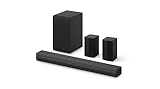
- New Dimensional Sound - Come home to the cinematic sound you’ve always wanted, and experience every heart-thumping, thrill-inducing, moment. With 4 channels backed by a booming wireless subwoofer and wireless rear speakers, this LG Soundbar delivers a big audio punch without taking up too much of your space—or budget. Dolby Digital and DTS Digital compatibility means you still get enhanced sound quality for all your shows, movies, music and more.
- Dolby Audio - Experience an unparalleled immersive journey with Dolby Audio. This LG Soundbar delivers an unforgettable listening experience with your favorite entertainment. Never miss a single detail, no matter where you're watching.
- Rear Speakers - Now there’s a surround sound system for rooms of all shapes and sizes. Our new rear surround speakers have wireless connectivity—that means no special receiver needed to deliver an immersive audio experience.
- WOW Orchestra - Create the perfect harmony using the audio from your LG TV and LG Soundbar to produce the ultimate listening experience. Feel every detail of sound. Use the LG TV and LG Soundbar speakers at the same time while using one remote to adjust the settings interchangeably.
- WOW Interface - Now, convenience is in your hand. Control your soundbar and your LG TV with one remote. Adjust the volume and audio settings, check the connection status and even select a sound mode on the screen, all from the TV remote.
56. Friday the 13th: Part IV – The Final Chapter (1984)
The franchise at peak efficiency. Crisp pacing and inventive kills define its appeal. Jason emerges fully formed as a slasher legend.
55. The Wailing (2016)
South Korean horror at its most chaotic and ambitious. Shamanism, possession, and folk terror spiral together. The film’s tonal shifts are deliberately destabilizing.
54. Suspiria (2018)
Luca Guadagnino reimagines Argento through political and bodily horror. Dance becomes ritualized violence. It’s divisive, daring, and intellectually ferocious.
53. Scream (1996)
Meta-horror that revived an entire genre cycle. Wes Craven balances satire with genuine suspense. Its influence reshaped slasher storytelling.
52. The Exorcist III (1990)
A philosophical sequel anchored by dialogue and dread. The hospital corridor scene is legendary. It understands evil as both cosmic and intimate.
51. Get Out (2017)
Social horror sharpened into mainstream phenomenon. Jordan Peele blends satire with genuine terror. It marked a cultural turning point for the genre’s voice and reach.
Independent reader supportYour contribution helps us test, update, and keep practical guides available for everyone.Ranks 76–100: Influential Oddities, Forgotten Gems, and Rising Reappraisals
This lower tier of the list is where horror history gets wonderfully strange. These films may not always dominate mainstream “greatest of all time” conversations, but their influence, ambition, or long-overdue reevaluation makes them essential viewing. Together, they reveal how deep and adventurous the genre truly is.
100. The House of the Devil (2009)
Ti West’s slow-burn throwback resurrects the patience of ’80s horror pacing. Long stretches of quiet tension make the final act hit like a gut punch. It helped reignite appreciation for minimalist, atmosphere-first horror.
What’s actually slowing this PC down?
Pick the symptom - the matching free tool is one click away.
99. Dracula (1931)
Universal’s gothic foundation stone still carries immense historical weight. Bela Lugosi’s performance defined cinematic vampirism for generations. Its stage-bound stiffness only adds to its eerie, dreamlike quality.
98. The Fog (1980)
John Carpenter transforms atmosphere into narrative. Creeping mist and ghostly vengeance feel oddly comforting yet unsettling. It’s a masterclass in mood-driven storytelling.
97. High Tension (2003)
New French Extremity announces itself with brutal confidence. Alexandre Aja’s direction is vicious and relentless. Its controversial twist hasn’t dulled the film’s raw intensity.
96. The Beyond (1981)
Lucio Fulci abandons logic in favor of nightmare imagery. Narrative coherence dissolves into pure visual dread. Few films capture hell as a place of surreal decay so vividly.
Do these 3 things before closing this tab:
1Fix the driver behind crashes, sound loss and screen glitches2Repair Windows errors before they cause bigger problems3Scan for outdated or missing drivers - takes under a minute95. Sleepaway Camp (1983)
A deceptively cheap summer-camp slasher with a shocking legacy. Its infamous ending permanently altered slasher mythology. Cult status has only grown with time.
94. Invasion of the Body Snatchers (1956)
Cold War paranoia given monstrous form. The fear of replacement feels timeless and adaptable. Few sci-fi horrors age as gracefully.
93. Videodrome (1983)
David Cronenberg predicts media obsession with surgical precision. Flesh and technology collapse into one another. It’s body horror as philosophical provocation.
92. Black Christmas (1974)
Proto-slasher craftsmanship at its finest. The killer’s unseen presence creates suffocating dread. Its influence on Halloween and beyond is undeniable.
The Tool Desk
Outbyte Driver Updater FREEFix the driver behind crashes, sound loss and screen glitchesFind Drivers →Outbyte PC Repair FREEClear out junk files and repair common Windows errorsFree Scan →91. The Omen (1976)
Religious horror framed as prestige cinema. Jerry Goldsmith’s score amplifies its apocalyptic unease. Evil arrives not with chaos, but inevitability.
90. Near Dark (1987)
Kathryn Bigelow fuses vampire myth with American western grit. Its nocturnal road-movie energy feels singular. A cult classic that defies easy categorization.
89. Hellraiser (1987)
Clive Barker introduces pain as theology. The Cenobites are grotesque icons of desire and punishment. Few debuts are this audacious.
88. The Devil’s Backbone (2001)
Guillermo del Toro blends ghost story with political tragedy. War becomes the true haunting presence. Its emotional weight elevates the supernatural.
Free tools Windows power users keep installed
One-click scans. No signup required.
87. The Blob (1988)
A remake that surpasses expectations through practical effects. The creature feels tactile, hungry, and unstoppable. Studio-era spectacle meets B-movie cruelty.
86. Henry: Portrait of a Serial Killer (1986)
Unflinching and morally confrontational. Violence is stripped of cinematic comfort. Its realism remains deeply unsettling.
85. The Changeling (1980)
A slow, elegant haunted house tragedy. Grief permeates every shadow and creak. It exemplifies restrained, adult ghost storytelling.
84. Carnival of Souls (1962)
An existential nightmare disguised as an indie ghost story. Its surreal detachment feels proto-Lynchian. Death lingers in every frame.
83. Peeping Tom (1960)
Once reviled, now recognized as revolutionary. Michael Powell forces audiences to confront voyeurism and complicity. Slasher psychology begins here.
82. Possession (1981)
Marriage becomes apocalyptic body horror. Isabelle Adjani’s performance is ferociously unhinged. It’s emotional extremity taken literally.
81. The Innocents (1961)
Ambiguity as its greatest weapon. Children, ghosts, and repression blur together. It remains one of the most psychologically unsettling adaptations of The Turn of the Screw.
80. A Nightmare on Elm Street 3: Dream Warriors (1987)
Freddy at his most imaginative. Dream logic fuels creative kills without losing emotional stakes. Franchise horror at its most inventive.
Best Value

- Wireless Subwoofer, Place It Anywhere: The wireless subwoofer connects to the soundbar without audio cables, giving you the freedom to place it anywhere in your room for flexible setup.
- Mica-Reinforced Drivers for Greater Accuracy: Mica-reinforced diaphragms increase driver rigidity by up to 30%, helping suppress cone breakup and unwanted resonance. The enhanced stability helps reduce distortion by up to 20%, delivering cleaner, more accurate sound with improved clarity and detail.
- VoiceMX Technology for Clear Dialogue: VoiceMX technology uses advanced DSP algorithms to isolate and enhance vocal frequencies in real time. By dynamically boosting the 120 Hz–6 kHz vocal range with adaptive EQ and gain control, dialogue stays clear and easy to follow in any scene.
- BassMX Deep Bass Technology: With an 18 mm high-excursion driver, 6.5 L tuned cabinet, and high-density magnetic circuit, the wireless subwoofer produces strong low-frequency output. BassMX optimizes 45–150 Hz bass for deeper, tighter, and more realistic sound at any volume.
- 240W Peak Output with 2.1 Channel System: Featuring a precision-tuned soundbar and a dedicated wireless subwoofer, the system delivers up to 240W of peak power for room-filling sound. With a frequency response of 45 Hz–18 kHz and a maximum SPL of 95 dB, it reproduces clear dialogue, detailed mids, and impactful bass for movies, music, and gaming.
79. Raw (2016)
Cannibalism as coming-of-age metaphor. Julia Ducournau merges bodily horror with sexual awakening. It marked a bold new voice in modern horror.
78. The Texas Chainsaw Massacre 2 (1986)
Tobe Hooper turns nihilism into grotesque satire. Louder, stranger, and deeply political. It recontextualizes the original through excess.
77. Lake Mungo (2008)
Grief masquerading as mockumentary. Its realism amplifies emotional devastation. Few films capture quiet, existential dread so effectively.
76. The Hitcher (1986)
A road movie steeped in nihilism. Rutger Hauer’s killer feels mythic and unstoppable. Terror unfolds across open highways instead of dark rooms.
Major Horror Movements and Trends Reflected in the List
Taken together, the films ranked here don’t just represent individual classics; they chart the evolution of horror itself. Across decades and continents, these titles reflect how the genre continuously reshapes itself in response to cultural anxiety, technological change, and shifting audience expectations.
Classic Gothic and Psychological Foundations
Early horror leaned heavily on atmosphere, repression, and suggestion, a tradition represented by films like The Innocents and Carnival of Souls. These works prioritize mood over spectacle, trusting shadows, silence, and ambiguity to do the frightening work. Their influence persists in modern “slow-burn” horror that values unease over explicit shocks.
This era established horror as a vehicle for psychological exploration rather than mere thrills. Madness, guilt, and unreliable perception became central tools, laying the groundwork for everything from modern ghost stories to cerebral arthouse nightmares.
The Rise of the Slasher and Transgressive Horror
Peeping Tom and The Texas Chainsaw Massacre redefined how violence could function onscreen, shifting horror toward confrontation rather than escapism. These films forced audiences to reckon with their own voyeurism and discomfort, breaking the illusion of safe entertainment. The slasher subgenre emerged not just as a body count formula, but as a reflection of social fear and moral panic.
Recommended Free Tools
Later entries like A Nightmare on Elm Street 3 show how slashers evolved into pop-cultural phenomena without losing their symbolic bite. Fantasy, humor, and spectacle entered the mix, proving the genre could be both fun and deeply unsettling.
Paranoia, Nihilism, and the 1970s–1980s Cultural Hangover
Films such as Henry: Portrait of a Serial Killer and The Hitcher embody an era defined by distrust, moral collapse, and existential dread. These stories strip away comforting explanations, presenting violence as random, senseless, and often unstoppable. Horror becomes a mirror for societal disillusionment rather than a contained nightmare.
This movement pushed realism and cruelty to the forefront, rejecting traditional heroes or redemptive endings. The result is a strain of horror that feels disturbingly close to the real world, where survival itself offers little consolation.
Body Horror and Emotional Extremity
Possession and Raw demonstrate how physical transformation became a way to externalize emotional trauma. Body horror in this tradition isn’t just about grotesque imagery; it’s about identity dissolving under pressure. Sex, relationships, and self-discovery are rendered through flesh, blood, and mutation.
Outdated Drivers Are Slowing You Down
One free scan finds every outdated or missing driver and matches the right update for your exact hardware.Free scan · exact hardware matchPC Slower Than It Used to Be?
A free scan shows the junk files, broken settings and background clutter dragging Windows down - then fixes them in one click.Free scan · Windows 10 & 11This approach continues to resonate because it aligns horror with lived experience. The body becomes a battleground for psychological and social conflict, making the terror feel intimate rather than abstract.
Global Horror and Regional Identity
The list reflects horror’s expansion beyond Hollywood, embracing distinct cultural voices and storytelling rhythms. Films like Lake Mungo show how regional sensibilities shape tone, pacing, and thematic focus, often favoring restraint over spectacle. These works broaden the genre’s emotional palette, proving fear is universal but expressed differently across cultures.
International horror has also been instrumental in revitalizing the genre. By rejecting familiar formulas, these films challenge audiences to engage more actively, rewarding patience with deeply personal forms of dread.
Meta-Horror, Satire, and Genre Self-Awareness
As horror matured, it began examining itself. The Texas Chainsaw Massacre 2 exemplifies a wave of films that confront their own legacy through satire, excess, and subversion. Rather than dilute fear, this self-awareness often sharpens it, exposing the absurdity and brutality beneath genre conventions.
This trend allows horror to evolve without abandoning its roots. By acknowledging its past, the genre gains the freedom to reinvent itself, oscillating between sincerity and spectacle while remaining culturally relevant.
What Didn’t Make the Cut—and Why Horror Ranking Is Always Controversial
Any attempt to rank the 100 greatest horror films of all time is, by design, an act of provocation. Horror is the most personal of genres, shaped by when you first encountered it, how old you were, and what you feared at the time. A film that traumatized one viewer might feel tame or even dull to another, depending on context, expectation, and exposure.
This list aims for balance rather than consensus. That means weighing historical impact, craft, innovation, and lasting influence alongside pure scare power. Inevitably, some beloved titles fall just outside the frame.
Beloved Classics That Just Missed the List
Several widely adored horror films were excluded not because they lack quality, but because their influence has been eclipsed by later works that refined or redefined their ideas. Early slashers, creature features, and studio-era shockers often laid essential groundwork, yet feel more significant as stepping stones than as fully realized peaks of the genre.
Quick wins for a faster PC:
Repair Windows errors before they cause bigger problemsFix Now →Scan for outdated or missing drivers - takes under a minuteDriver Scan →Clear out junk files and repair common Windows errorsFree Scan →In other cases, reputation has outpaced execution. Some classics endure as cultural icons rather than as films that still generate tension, dread, or thematic complexity for modern audiences. That distinction matters when ranking across nearly a century of cinema.
Cult Favorites and Personal Nightmares
Horror fandom thrives on cult devotion, and many deeply personal favorites didn’t make the cut. Films that resonate powerfully with niche audiences often rely on specific sensibilities, tonal extremes, or experiential gimmicks that don’t translate universally.
That doesn’t diminish their value. It simply means that a definitive list must privilege broader artistic impact over intensely subjective fear responses, even when those responses are passionate and valid.
Recent Releases and the Problem of Time
Modern horror presents a unique challenge. The genre is currently in one of its most fertile creative periods, producing bold, inventive films at an unprecedented rate. Yet time remains the ultimate arbiter of greatness.
Some recent standouts were excluded not due to lack of quality, but because their long-term influence is still unfolding. Horror history has shown that initial acclaim doesn’t always equal endurance, and this ranking favors films that have already proven their staying power.
Why Horror Rankings Will Always Be Debated
Horror evolves faster than most genres, responding directly to social anxieties, technological shifts, and cultural taboos. What feels transgressive in one era may feel familiar in another, while overlooked films can gain new relevance as contexts change.
That fluidity is precisely what makes horror ranking so contentious and so necessary. Lists like this are not meant to close the conversation, but to focus it, offering a curated map through a genre that refuses to stand still.
In the end, the true value of a list like this isn’t agreement, but discovery. Whether it validates lifelong favorites or leads viewers toward unfamiliar nightmares, the goal remains the same: to honor horror as cinema’s most fearless, adaptable, and emotionally honest genre—one that continues to reflect our darkest fears, and our enduring fascination with them.
Crashes, No Sound, or Screen Glitches?
Random freezes, missing sound and display glitches usually trace back to one bad driver. Find and replace yours safely.Free scan · under a minutePC Slower Than It Used to Be?
A free scan shows the junk files, broken settings and background clutter dragging Windows down - then fixes them in one click.Free scan · Windows 10 & 11Quick Recap
Product prices and availability are accurate as of the date/time indicated and are subject to change. Any price and availability information displayed on Amazon at the time of purchase will apply.




