Middle-earth isn’t just a setting; it’s a carefully calibrated cinematic journey shaped by tone, scale, and evolving stakes. Peter Jackson’s six-film saga was released over more than a decade, and the order you watch them in directly affects how the world unfolds, how characters resonate, and how emotional payoffs land. For first-time viewers especially, the difference between release order and chronological order can mean the difference between wonder and whiplash.
This guide exists because The Lord of the Rings and The Hobbit aren’t interchangeable chapters of a single binge. They were made with different intentions, different audiences in mind, and very different filmmaking contexts. Understanding why viewing order matters helps you choose the experience that best preserves Tolkien’s mythology while delivering the most satisfying cinematic arc.


Tone Is Established, Not Retroactively Fixed
The Lord of the Rings trilogy sets the emotional and thematic foundation of Middle-earth with operatic gravity, mythic seriousness, and a sense of ancient history pressing in from every frame. The Hobbit films, by contrast, adopt a lighter, more whimsical tone that gradually strains under the weight of becoming a prequel. Watching The Hobbit first can soften the impact of The Fellowship of the Ring, while starting with Rings allows The Hobbit to feel like a tonal echo rather than a tonal reset.
Continuity Works Best When Mysteries Come First
Jackson’s original trilogy introduces its world through mystery, implication, and gradual revelation, especially with characters like Gandalf, Gollum, and Bilbo. The Hobbit films actively explain and expand those elements, sometimes overtly. Experiencing answers before questions flattens the narrative, while release order preserves the sense that Middle-earth is being discovered rather than annotated.
Quick wins for a faster PC:
Fix the driver behind crashes, sound loss and screen glitchesFind Drivers →Repair Windows errors before they cause bigger problemsFix Now →First-Time Impact Shapes Emotional Investment
For newcomers, The Fellowship of the Ring is designed as an invitation, not a sequel. Its pacing, introductions, and sense of escalating danger assume no prior knowledge, making it the ideal entry point for emotional investment. Starting elsewhere risks turning an epic into homework, which is why choosing the right order is less about chronology and more about preserving the magic of first contact with Tolkien’s world.
The Two Tolkien Trilogies Explained: The Hobbit vs. The Lord of the Rings
At a glance, The Hobbit and The Lord of the Rings appear to form a clean six-film saga, but they were never conceived as equal halves of a single story. One trilogy adapts a children’s fantasy novel into a sprawling epic, while the other translates a mythic literary landmark into cinema with near-religious seriousness. Understanding what separates them is essential to choosing the right viewing order and setting the right expectations.
Two Source Books, Radically Different Intentions
J.R.R. Tolkien wrote The Hobbit as a lighter, self-contained adventure, aimed at younger readers and driven by humor, riddles, and episodic danger. The Lord of the Rings, written years later, is a far more ambitious work, concerned with legacy, sacrifice, and the slow erosion of hope in a world facing extinction.
That tonal gap exists on the page, and no viewing order can fully erase it on screen. The challenge comes from the fact that The Hobbit films stretch a relatively short novel into three large-scale movies, importing characters, conflicts, and lore from The Lord of the Rings to justify the expansion.
One Trilogy Was Built to Begin, the Other to Reflect
The Lord of the Rings trilogy was designed as an entry point. The Fellowship of the Ring introduces Middle-earth with patience and awe, assuming the audience knows nothing and rewarding curiosity rather than prior knowledge.
The Hobbit films, by contrast, are constructed as reflections on what viewers already know. They rely heavily on dramatic irony, foreshadowing, and references to future events, from the rise of Sauron to the fate of certain characters. Watched first, they explain too much too soon; watched after, they deepen familiar history.
Production Context Changed the Shape of Middle-earth
Peter Jackson filmed The Lord of the Rings as a unified project, with a clear end goal and a consistent creative philosophy. The trilogy’s visual language, pacing, and emotional restraint all serve the story’s long arc toward Mount Doom.
The Hobbit films were made a decade later, in a different Hollywood landscape. Advances in CGI, higher frame-rate experimentation, and studio pressure to expand the narrative all shaped a trilogy that feels more elastic, louder, and more overtly connected to franchise mythology.
The Tool Desk
Outbyte Driver Updater FREEScan for outdated or missing drivers - takes under a minuteDriver Scan →Outbyte PC Repair FREEClear out junk files and repair common Windows errorsFree Scan →Extended Editions Affect Each Trilogy Differently
For The Lord of the Rings, the extended editions are widely considered definitive. Added scenes deepen character relationships, enrich world-building, and strengthen thematic continuity without undermining momentum.
The Hobbit extended editions are more divisive. While they offer additional lore and character moments, they also amplify the trilogy’s tendency toward excess. Choosing between theatrical and extended cuts here depends largely on how much detail and digression a viewer wants during a prequel experience.
Why They Shouldn’t Be Treated as a Single Binge
Although the films share a cast, a director, and a setting, they were never meant to function as six equal chapters. The Lord of the Rings builds mystery, then resolves it; The Hobbit often explains that mystery after the fact.
Watching them with that distinction in mind allows each trilogy to play to its strengths. One stands as a cinematic myth told forward in time, the other as a backward glance that gains meaning only after the legend is already known.
Free tools Windows power users keep installed
One-click scans. No signup required.
Release Order Viewing Guide: Experiencing Middle-earth as Audiences Originally Did
For many viewers, release order remains the most natural and emotionally satisfying way to experience Middle-earth. This approach mirrors how the story unfolded for audiences between 2001 and 2014, preserving mystery, escalation, and thematic payoff exactly as intended.
Rather than front-loading explanations and backstory, release order allows The Lord of the Rings to establish its mythic weight first. The Hobbit then functions as an expansive historical echo, enriching what viewers already understand about the world, its villains, and its fragile peace.
Why Release Order Still Works Best
Peter Jackson’s Middle-earth was introduced to the world through The Lord of the Rings, and those films assume no prior knowledge. Concepts like the One Ring, Sauron, Rivendell, and Middle-earth’s broader political landscape are revealed carefully, with restraint and a sense of discovery.
Watching The Hobbit afterward preserves that sense of scale. Instead of spoiling twists or diminishing tension, the prequel trilogy gains context, turning familiar locations and characters into points of reflection rather than exposition.
What’s actually slowing this PC down?
Pick the symptom - the matching free tool is one click away.
The Recommended Release Order
This is the order audiences originally experienced the saga, and it remains the cleanest narrative path:
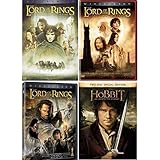
– The Lord of the Rings: The Fellowship of the Ring (2001)
– The Lord of the Rings: The Two Towers (2002)
– The Lord of the Rings: The Return of the King (2003)
– The Hobbit: An Unexpected Journey (2012)
– The Hobbit: The Desolation of Smaug (2013)
– The Hobbit: The Battle of the Five Armies (2014)
The six-film gap between trilogies mirrors the real-world passage of time and reinforces the sense that The Hobbit is a story being told after a legend has already been written.
Rank #2
Theatrical vs. Extended Cuts in Release Order
For first-time viewers following release order, the theatrical cuts of The Lord of the Rings offer excellent pacing and clarity. However, many fans prefer to switch to the extended editions on repeat viewings, once the core story and rhythm are familiar.
PC Slower Than It Used to Be?
A free scan shows the junk files, broken settings and background clutter dragging Windows down - then fixes them in one click.Free scan · Windows 10 & 11Outdated Drivers Are Slowing You Down
One free scan finds every outdated or missing driver and matches the right update for your exact hardware.Free scan · exact hardware matchWith The Hobbit, theatrical cuts are often the better starting point in a release-order marathon. They maintain momentum and keep the focus on Bilbo’s journey, while extended editions are best saved for viewers already invested in Middle-earth’s deeper lore.
Who Release Order Is Best For
Release order is ideal for newcomers, casual fantasy fans, and anyone who wants to experience Middle-earth as a gradually unfolding epic rather than a historical dossier. It prioritizes emotional impact over encyclopedic completeness.
Most importantly, it respects how the films were designed to function. The Lord of the Rings builds the legend; The Hobbit expands upon it, rather than trying to redefine it.
Chronological Order Viewing Guide: Following the Timeline of Middle-earth History
For viewers who prefer to experience Middle-earth as a continuous historical saga, chronological order offers a clear, cause-and-effect progression. This approach follows the internal timeline of Tolkien’s world rather than the order the films were released, beginning decades earlier with Bilbo Baggins and ending with the fall of Sauron.
Chronological viewing can feel more intuitive on paper, but it creates a very different narrative rhythm. Instead of legend-first storytelling, it emphasizes setup, backstory, and long-term consequences across generations.
Chronological Order: Middle-earth Timeline
When watching strictly by in-universe chronology, the saga unfolds as follows:
– The Hobbit: An Unexpected Journey (2012)
– The Hobbit: The Desolation of Smaug (2013)
– The Hobbit: The Battle of the Five Armies (2014)
– The Lord of the Rings: The Fellowship of the Ring (2001)
– The Lord of the Rings: The Two Towers (2002)
– The Lord of the Rings: The Return of the King (2003)
This order traces the rise of key figures like Gandalf, Thorin Oakenshield, and a younger Bilbo before transitioning to Frodo’s quest and the War of the Ring. Events referenced as ancient history in The Lord of the Rings are seen firsthand rather than recalled in dialogue.
Do these 3 things before closing this tab:
1Fix the driver behind crashes, sound loss and screen glitches2Repair Windows errors before they cause bigger problems3Scan for outdated or missing drivers - takes under a minuteWhat Works Well About Chronological Viewing
Chronological order provides strong narrative continuity for viewers interested in Middle-earth’s political and mythic evolution. The Necromancer subplot, the White Council, and the growing shadow in the East all flow directly into the stakes of The Fellowship of the Ring.
Character connections also feel more immediate. Bilbo’s reluctance to part with the Ring, Gandalf’s urgency, and Elrond’s weariness carry added weight when their earlier experiences are still fresh in the viewer’s mind.
The Trade-Offs to Consider
The biggest drawback is tonal whiplash. The Hobbit trilogy, lighter in spirit and more digitally stylized, precedes the darker, more grounded storytelling of The Lord of the Rings, which can make the transition feel abrupt rather than organic.
There is also the issue of mystery. Chronological order reveals the Ring, Sauron, and Gandalf’s suspicions far earlier than intended, removing much of the slow-burn discovery that defines The Fellowship of the Ring.
Recommended Free Tools
Extended Editions in Chronological Order
For viewers committed to chronological viewing, extended editions can be both a benefit and a burden. The Hobbit extended cuts lean heavily into lore and side plots, which may enhance historical continuity but also amplify pacing issues.
The Lord of the Rings extended editions fit more naturally here, deepening the sense that the story has been building toward this conflict for generations. This approach is best suited for dedicated fans rather than first-time viewers.
Who Chronological Order Is Best For
Chronological order is ideal for Tolkien enthusiasts, lore-focused viewers, and anyone revisiting the saga with a desire to study its internal history. It treats Middle-earth less like a cinematic mystery and more like a recorded legend unfolding chapter by chapter.
For newcomers, however, this approach prioritizes completeness over dramatic design, offering insight at the cost of suspense.
Extended Editions vs. Theatrical Cuts: Which Versions Should You Watch?
Once you’ve chosen between release order or chronological viewing, the next big decision is which versions of the films to watch. Peter Jackson released both theatrical cuts and extended editions for every Middle-earth movie, and the differences go far beyond simple deleted scenes.
These aren’t minor alternate edits. In some cases, the extended editions significantly reshape pacing, character depth, and even thematic emphasis, making the choice especially important for first-time viewers.
What the Extended Editions Add
The extended editions of The Lord of the Rings add roughly 30 to 50 minutes per film, focusing heavily on character relationships, cultural texture, and quieter moments of Middle-earth life. Scenes involving Faramir, Boromir, Aragorn’s lineage, and the people of Rohan and Gondor gain greater emotional clarity.
For longtime fans, these additions deepen immersion and reinforce Tolkien’s sense of history. Middle-earth feels less like a backdrop for spectacle and more like a living world shaped by memory, loss, and tradition.
The Hobbit extended editions expand even further, restoring character beats, lore-heavy subplots, and extended action sequences. While some additions strengthen Thorin’s arc and the White Council storyline, others lean into indulgence rather than narrative necessity.
Why the Theatrical Cuts Still Matter
The theatrical versions were designed first and foremost for pacing. The Fellowship of the Ring in its theatrical cut remains one of the most tightly constructed fantasy films ever released, carefully balancing mystery, momentum, and emotional discovery.
For first-time viewers, especially those new to Tolkien, the theatrical cuts offer a smoother on-ramp. Character motivations are clear without being overwhelming, and the story unfolds with deliberate restraint rather than exhaustive detail.
This is especially true for The Hobbit trilogy. The theatrical cuts move more briskly and minimize some of the tonal excess that critics often cite, making them more accessible for casual audiences.
The Best Choice for First-Time Viewers
If this is your first journey through Middle-earth, the theatrical cuts are generally the recommended starting point. They preserve the intended cinematic rhythm and allow the story’s mysteries to reveal themselves naturally.
Once the emotional foundation is established, the extended editions become far more rewarding on a rewatch. They feel less like overlong detours and more like returning to a familiar world with time to explore its side paths.
The Best Choice for Returning Fans
For viewers already invested in Tolkien’s world, the extended editions of The Lord of the Rings are often considered the definitive experience. They enhance character arcs, reinforce thematic depth, and provide moments that many fans now view as essential.
The Hobbit extended editions are more divisive but still appealing to lore-focused audiences. If you enjoy expanded mythology and don’t mind slower pacing, they offer a fuller, if less streamlined, vision of Jackson’s Middle-earth.
Recommended Free Tools
Mixing Versions Is Not a Betrayal
There is no rule that says all six films must be watched in the same format. Many fans prefer a hybrid approach, watching The Hobbit theatrically and The Lord of the Rings in extended form.
This method preserves momentum early while allowing the epic to fully breathe when the story reaches its emotional and thematic peak. It’s a flexible option that respects both narrative efficiency and world-building depth.
Recommended Viewing Orders by Viewer Type: First-Timers, Casual Fans, and Hardcore Tolkien Readers
Different viewers come to Middle-earth with different expectations, patience levels, and familiarity with epic fantasy storytelling. While there is no single “correct” way to watch these films, some viewing orders are undeniably better suited to certain audiences.
Choosing the right order can dramatically affect pacing, emotional impact, and how clearly Tolkien’s world unfolds. Below are the most effective approaches based on viewer type, balancing narrative clarity with cinematic enjoyment.
First-Time Viewers: Release Order, Theatrical Cuts
For newcomers, release order remains the gold standard: The Fellowship of the Ring, The Two Towers, The Return of the King, followed by The Hobbit trilogy. This approach mirrors how audiences originally discovered Middle-earth on screen, allowing mystery and mythology to unfold organically.
Starting with The Lord of the Rings places viewers directly into the saga’s emotional core, establishing the stakes, themes, and tone that define the franchise. Watching The Hobbit afterward works as an extended prelude, enriching familiar places and characters without front-loading lore.
Theatrical cuts are strongly recommended here. They maintain tighter pacing, reduce narrative digressions, and make the six-film journey far less intimidating for first-time viewers.
Casual Fans: Hybrid Order for Momentum and Context
Casual fans who know the basics of Middle-earth but want a smoother, more modern binge may prefer a hybrid approach. Watching The Hobbit trilogy first, followed by The Lord of the Rings, offers a clear chronological arc from Bilbo to Frodo.
Free tools Windows power users keep installed
One-click scans. No signup required.
This order works best with The Hobbit theatrical cuts and The Lord of the Rings extended editions. The Hobbit films provide accessible adventure and lighter tone up front, while the extended Lord of the Rings films deliver deeper emotional payoffs once viewers are fully invested.
Rank #4

- Widescreen
- Region 1 DVD
- Dolby Digital
It’s a compromise that prioritizes narrative continuity without overwhelming viewers with lore-heavy material too early. For many streaming audiences, this is the most comfortable middle ground.
Hardcore Tolkien Readers: Chronological Order, Extended Editions
For devoted Tolkien fans and lore enthusiasts, chronological order paired with extended editions offers the richest possible experience. Beginning with An Unexpected Journey and ending with The Return of the King creates a sweeping, six-film epic that mirrors Middle-earth’s historical timeline.
The extended editions shine here, restoring character moments, political context, and thematic depth that resonate strongly with book readers. While pacing is slower, the added material rewards patience with a more textured and faithful adaptation.
What’s actually slowing this PC down?
Pick the symptom - the matching free tool is one click away.
This viewing order is less concerned with accessibility and more focused on immersion. It’s ideal for viewers who already love Tolkien’s world and want to live in it as long as possible.
How the Hobbit Films Change When Watched Before or After Lord of the Rings
The Hobbit trilogy occupies a unique space in the franchise. Its story is lighter, more whimsical, and structurally different from The Lord of the Rings, which means its impact shifts dramatically depending on when you watch it. Placement affects tone, suspense, and even how certain characters are perceived.
Watching The Hobbit Before Lord of the Rings
When watched first, The Hobbit functions as a traditional origin story. Bilbo’s journey introduces Middle-earth through a smaller, more personal adventure, easing viewers into the world before the stakes escalate. This order makes the saga feel like a steady climb from fairy-tale quest to full-scale mythic war.
Seeing Gandalf, Elrond, Galadriel, and Rivendell early also creates a sense of continuity. By the time The Lord of the Rings begins, these elements feel familiar rather than mysterious, grounding the later films in a world viewers already understand.
However, this order does soften some of The Lord of the Rings’ initial sense of wonder. Locations and characters that were once awe-inspiring reveals become returns rather than discoveries, which slightly changes the emotional texture of Fellowship of the Ring.
Watching The Hobbit After Lord of the Rings
Viewed afterward, The Hobbit plays like a reflective prequel. Knowing the fate of Middle-earth adds dramatic irony to Bilbo’s adventure, especially in scenes involving the Ring, Gandalf’s warnings, and the rising shadow of Sauron. Moments that feel light on first viewing gain added weight through context.
This order preserves The Lord of the Rings as the franchise’s defining experience. Its sense of danger, mystery, and escalation remains intact, with The Hobbit enriching the mythology instead of reshaping it.
The downside is tonal whiplash. Returning to a more comedic, effects-heavy trilogy after the emotional gravity of The Return of the King can feel jarring, especially for viewers expecting the same level of intensity.
The Tool Desk
Outbyte PC Repair FREEClear out junk files and repair common Windows errorsFree Scan →Outbyte Driver Updater FREEFix the driver behind crashes, sound loss and screen glitchesFind Drivers →The Ring, Spoilers, and Narrative Tension
Watching The Hobbit first removes much of the mystery surrounding the One Ring. Its importance, corruption, and ultimate destiny are clearer from the outset, which changes how Fellowship unfolds. The Ring becomes a known threat rather than a slowly revealed one.
Watching The Hobbit second reframes Bilbo’s possession of the Ring as tragic inevitability. Small, seemingly harmless moments take on darker meaning, deepening the thematic connection between the trilogies without spoiling The Lord of the Rings’ central reveals.
Character Perception and Emotional Framing
Placement also affects how characters land emotionally. Starting with The Hobbit emphasizes Bilbo as the emotional anchor of the saga, making Frodo’s journey feel like a generational continuation. Watching it later positions Bilbo as a symbol of what was lost, a quieter echo of a simpler age.
Similarly, Gandalf’s role shifts depending on order. As an early guide, he feels like a classic mentor figure. As a returning presence, he feels more mythic, his long game across Middle-earth becoming clearer in retrospect.
Windows Errors? Fix Them Before They Spread
Repair common Windows errors and clear accumulated junk for a smoother, more stable PC - no reinstall needed.Free scan · no reinstallCrashes, No Sound, or Screen Glitches?
Random freezes, missing sound and display glitches usually trace back to one bad driver. Find and replace yours safely.Free scan · under a minuteStreaming, Blu-ray, and 4K Options: Where to Watch Each Version Today
Once you’ve settled on a viewing order, the next question is practical: where to actually watch these films, and which versions are available. The answer depends on whether you prioritize convenience, completeness, or presentation quality. Not every platform carries every cut, and that matters more here than with most franchises.
Streaming Platforms: Convenience With Caveats
In the U.S., The Lord of the Rings and The Hobbit trilogies most commonly rotate through Warner Bros.-licensed platforms, with Max frequently serving as the primary streaming home. Availability can shift, and extended editions are not always included, so it’s important to check the specific listing before starting a marathon.
Digital storefronts like Amazon Prime Video, Apple TV, Google Play, and Vudu consistently offer all six films for rental or purchase. These services usually include both theatrical and extended editions, making them the most reliable option for viewers who want control over which cuts they watch without committing to physical media.
International availability varies by region. Some territories stream the extended editions by default, while others only offer theatrical cuts, so checking local listings is essential if you’re watching outside the U.S.
Quick wins for a faster PC:
Repair Windows errors before they cause bigger problemsFix Now →Fix the driver behind crashes, sound loss and screen glitchesFind Drivers →Best Value

- Region 1 DVD
- Widescreen
- Dolby Digital
Theatrical vs. Extended Editions on Streaming
Streaming platforms tend to favor the theatrical cuts, especially for casual audiences. The theatrical versions are more concise and often easier to license, which is why they appear more frequently in subscription catalogs.
Extended editions, when available digitally, are typically sold as premium purchases rather than included with subscriptions. If your goal is a first-time watch that prioritizes pacing, streaming the theatrical cuts works well. If you want the fullest version of Middle-earth, digital purchases are often the simplest path.
Blu-ray: The Most Complete Experience
Standard Blu-ray remains the most accessible way to own the extended editions in their entirety. Box sets for both trilogies include the full extended cuts along with extensive appendices, documentaries, and behind-the-scenes material that remain unmatched by streaming extras.
For many fans, these appendices are essential viewing. They deepen appreciation for the craftsmanship, performances, and production challenges, especially when watching the films in release order and seeing how the filmmaking evolved over time.
Do these 3 things before closing this tab:
1Fix the driver behind crashes, sound loss and screen glitches2Clear out junk files and repair common Windows errors3Scan for outdated or missing drivers - takes under a minuteBlu-ray is also the safest option for consistency. Once you own the discs, versions don’t disappear, get replaced, or rotate out of availability.
4K Ultra HD: The Definitive Visual Presentation
The 4K Ultra HD editions, released following extensive remastering, offer the best image and sound quality currently available. Both trilogies are available in 4K with HDR, Dolby Atmos audio, and seamless branching for theatrical and extended cuts.
These versions present Middle-earth with sharper detail, richer color grading, and improved sound design. Some visual effects reveal their age more clearly in 4K, particularly in The Hobbit, but the overall presentation is still considered the definitive home viewing experience.
For viewers planning a full saga marathon, the 4K box sets offer the cleanest, most future-proof way to watch, especially on large screens.
Which Option Is Right for You?
Casual viewers or first-timers will be well served by streaming the theatrical cuts, especially if they’re unsure about committing to the extended runtimes. Fans revisiting the series, or anyone watching in release order for thematic depth, will get the most value from extended editions via Blu-ray or digital purchase.
If presentation matters and you want Middle-earth at its most immersive, 4K Ultra HD is the gold standard. No matter the format, choosing the right version ensures the emotional rhythm and storytelling choices of each trilogy land exactly as intended.
Final Verdict: The Best Way to Watch The Lord of the Rings & The Hobbit Movies
After weighing every option, one approach stands above the rest for most viewers. Watching the films in release order, beginning with The Fellowship of the Ring and ending with The Battle of the Five Armies, remains the most rewarding, coherent, and emotionally satisfying way to experience Middle-earth on screen.
This order preserves how the story was introduced to audiences, allows the mythology to unfold naturally, and highlights the evolution of Peter Jackson’s filmmaking. It also ensures that The Lord of the Rings maintains its intended sense of mystery, weight, and finality, rather than being reframed as a direct sequel to The Hobbit.
Release Order vs. Chronological Order
Chronological order has novelty appeal, especially for longtime fans curious to see Bilbo’s journey flow directly into Frodo’s. However, it often weakens the dramatic buildup, front-loads stylistic excess from The Hobbit, and disrupts the carefully paced reveal of Middle-earth’s lore.
Release order respects the original narrative design. The Hobbit functions best as a lighter prelude when viewed afterward, enriching the world rather than redefining it. For first-time viewers in particular, this approach avoids tonal whiplash and preserves the epic escalation that made the trilogy iconic.
Theatrical or Extended Editions?
For newcomers, the theatrical cuts are the ideal starting point. They’re tighter, more accessible, and maintain strong momentum without demanding a significant time commitment.
For returning fans, extended editions are the definitive experience. The Lord of the Rings extended cuts, in particular, add meaningful character moments, world-building, and emotional texture that deepen the saga without undermining its pacing. The Hobbit extended editions are more divisive, but best appreciated once you already enjoy those films.
The Best Overall Recommendation
If there’s one recommended path, it’s this: watch The Lord of the Rings trilogy first in release order, ideally starting with the theatrical cuts, then explore the extended editions once you’re invested. Follow that with The Hobbit trilogy, treating it as a companion story rather than a required prologue.
This approach honors the films’ storytelling strengths, respects how audiences originally fell in love with Middle-earth, and offers flexibility based on your time, taste, and level of fandom.
In the end, there’s no wrong way to journey through Middle-earth, only better-aligned ones. But for clarity, impact, and lasting emotional payoff, release order remains the gold standard, a viewing path that lets Tolkien’s world unfold with the wonder, gravity, and heart it deserves.
Quick Recap
Product prices and availability are accurate as of the date/time indicated and are subject to change. Any price and availability information displayed on Amazon at the time of purchase will apply.
Free tools Windows power users keep installed
One-click scans. No signup required.