Do these 3 things before closing this tab:
1Fix the driver behind crashes, sound loss and screen glitches2Repair Windows errors before they cause bigger problems3Scan for outdated or missing drivers - takes under a minuteFew elements define the Harry Potter films as powerfully as the professors who roam the halls of Hogwarts, shaping the wizarding world as much through presence as through plot. These characters weren’t just educators on screen; they became emotional anchors, moral compasses, and scene-stealing icons thanks to a once-in-a-generation ensemble of actors. Revisiting and ranking them isn’t about diminishing anyone’s contribution, but about appreciating how performance, writing, and cinematic timing combined to create something enduring.
Ranking Hogwarts professors still matters because the films themselves evolved, and so did the way these characters were portrayed. Early entries leaned into warmth and whimsy, while later chapters demanded gravitas, tragedy, and quiet authority, allowing certain performances to deepen in unexpected ways. A ranking reflects that journey, highlighting how some professors grew into cultural legends while others made indelible impressions with surprisingly limited screen time.


More than anything, this kind of hierarchy sparks the exact kind of debate the franchise thrives on years later. It invites fans to reconsider scenes, re-evaluate performances, and recognize how much the adult cast elevated a story ostensibly about children. In a series defined by magic, it’s the professors who often made Hogwarts feel real, lived-in, and worth returning to.
Our Ranking Criteria: Impact on the Story, Actor Performance, Character Depth, and Cultural Footprint
To create a ranking that feels both definitive and fair, we looked beyond screen time or fan favoritism. Hogwarts professors occupy a unique space in the Harry Potter films, often serving as mentors, antagonists, protectors, and cautionary tales all at once. Evaluating them means weighing how each character functioned within the narrative, how memorably they were portrayed, and how lasting their presence has been since the final credits rolled.
#1 Best Overall
Impact on the Story
Some professors quietly guided the plot, while others fundamentally shaped the course of the entire saga. This criterion measures how essential a character was to the overarching narrative, including their influence on Harry’s journey and the moral direction of the story. A single decisive moment can matter as much as years of classroom instruction if it alters the fate of the wizarding world. Characters who consistently moved the story forward naturally rise higher in the ranking.
Actor Performance
The Harry Potter films benefitted from an extraordinary ensemble of stage- and screen-trained performers who brought uncommon gravitas to a family-oriented fantasy franchise. We considered not just line delivery, but physicality, vocal presence, and the ability to convey emotion in silence. Many professors became iconic largely because of the actor inhabiting the role, elevating even modestly written scenes into something unforgettable. In several cases, performance transformed supporting characters into cultural touchstones.
Character Depth
Not all professors were given equal narrative complexity, but the most enduring ones reveal layers over time. This includes personal flaws, hidden loyalties, moral ambiguity, and emotional evolution across the series. Characters who changed, surprised us, or invited reinterpretation on rewatch earned higher marks. Depth often turned authority figures into deeply human figures, grounding the magic in something recognizably real.
Cultural Footprint
Finally, we considered what happened after the films left theaters. Some Hogwarts professors transcended the franchise, becoming shorthand for wisdom, menace, or eccentricity in pop culture. Memes, quotes, Halloween costumes, and lasting fan devotion all factor into this category. A character’s cultural footprint reflects not just popularity, but how indelibly they imprinted themselves on the collective imagination.
What’s actually slowing this PC down?
Pick the symptom - the matching free tool is one click away.
The Forgotten and Peripheral Professors: Brief Appearances, Limited Impact
Not every Hogwarts professor was destined for narrative greatness. Some existed to fill out the school’s lived-in realism, offering flashes of authority, eccentricity, or menace before quietly fading into the background. Their limited screen time and minimal influence keep them near the bottom of the ranking, but they still contribute to the texture of the wizarding world.
Professor Aurora Sinistra
As Hogwarts’ Astronomy professor, Aurora Sinistra appears sporadically, most notably supervising late-night classes atop the Astronomy Tower. The films never explore her beyond function, offering little sense of personality or philosophy. She serves as atmospheric world-building rather than a character with narrative weight.
Professor Bathsheda Babbling
Mentioned more than seen, Babbling teaches Ancient Runes, a subject that sounds rich with lore but is largely ignored onscreen. Her presence is fleeting, with no defining scenes or impact on the story’s events. She represents one of the films’ many missed opportunities to expand Hogwarts’ academic depth.
Professor Vector
Teaching Arithmancy, Professor Vector exists almost entirely at the margins of the films. Like Babbling, she is part of the school’s scaffolding rather than its drama. The lack of characterization keeps her firmly in the realm of background detail.
Recommended Free Tools
Professor Charity Burbage
Charity Burbage makes a grim impression in Harry Potter and the Deathly Hallows – Part 1, but not as a living presence at Hogwarts. Her murder by Voldemort is meant to signal the collapse of moral order in the wizarding world, yet she is never developed beyond that symbolic function. The moment is powerful, but the character herself remains abstract.
Professor Cuthbert Binns
The ghostly History of Magic professor should have been a comic standout, but the films underuse him dramatically. Reduced to a brief, dry lecture in The Chamber of Secrets, Binns never becomes the satirical fixture readers remember from the books. His potential as both humor and commentary on stagnant education is left largely untapped.
Professor Wilhelmina Grubbly-Plank
Grubbly-Plank temporarily fills in for Hagrid during Care of Magical Creatures classes, displaying competence and warmth. While she offers a contrast to Hagrid’s chaotic teaching style, the films never linger long enough to make her memorable. She exists primarily to serve Hagrid’s arc rather than establish her own.
Professor Septima Vector and Other Unseen Educators
Several professors are referenced only in dialogue or fleeting background shots, reinforcing the idea that Hogwarts is a fully staffed institution. These figures add credibility to the setting but have no impact on plot, theme, or character development. Their obscurity makes them easy to forget, even for devoted fans.
In a franchise packed with towering performances and richly drawn authority figures, these professors occupy the quiet corners of the castle. They matter less for who they are than for what they represent: a school that feels real because not every adult is a legend. Their presence rounds out the Hogwarts experience, even if their legacy ends the moment the scene cuts away.
Competent but Conventional: Solid Educators Who Never Stole the Spotlight
This tier is where Hogwarts begins to feel like a functioning school rather than a mythic battleground. These professors are clearly skilled, consistently present, and often likable, but the films rarely push them beyond their designated roles. They serve the story well without ever demanding it bend around them.
Rank #2
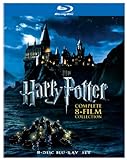
- Brand New in box. The product ships with all relevant accessories
Professor Pomona Sprout
As Head of Hufflepuff and Hogwarts’ Herbology professor, Pomona Sprout embodies quiet competence. Miriam Margolyes brings warmth and earthiness to the role, grounding the character in practicality rather than spectacle. Sprout’s most memorable moments, like overseeing the Mandrake revival in Chamber of Secrets, highlight her usefulness rather than her personality. She is respected, effective, and dependable, but never positioned as emotionally central.
Professor Filius Flitwick
Flitwick is one of the series’ most subtly altered characters, evolving from a squeaky-voiced, almost cartoonish figure into a dignified charms master by the later films. Warwick Davis gives him a gentle authority, especially during Hogwarts’ defensive preparations in Deathly Hallows – Part 2. Still, the movies never explore his inner life or leadership role as Head of Ravenclaw. Flitwick remains memorable more for consistency than depth.
Crashes, No Sound, or Screen Glitches?
Random freezes, missing sound and display glitches usually trace back to one bad driver. Find and replace yours safely.Free scan · under a minutePC Slower Than It Used to Be?
A free scan shows the junk files, broken settings and background clutter dragging Windows down - then fixes them in one click.Free scan · Windows 10 & 11Professor Rolanda Hooch
Madam Hooch exists almost entirely within the boundaries of her job description, and that clarity is both her strength and limitation. As the flying instructor who introduces broomstick rules and Quidditch basics, she performs an essential early-worldbuilding function. Zoe Wanamaker plays her with brisk professionalism, but the character vanishes once her narrative utility fades. Hooch feels real, just not narratively necessary beyond the first act of the saga.
Professor Aurora Sinistra
Astronomy professor Aurora Sinistra is a classic example of a character who benefits from implication rather than presence. She appears briefly and is referenced sparingly, yet her subject matter adds texture to Hogwarts’ curriculum and schedule. The films treat her as part of the school’s atmospheric scaffolding, not a dramatic participant. Sinistra’s role reinforces realism, even if it never sparks curiosity.
Professor Firenze
Firenze occupies an unusual middle ground, introduced with grandeur but ultimately sidelined by the films’ broader priorities. His debut in Philosopher’s Stone is striking, lending the Forbidden Forest a sense of ancient magic and moral complexity. As a Divination professor in Order of the Phoenix, however, his philosophical depth is reduced to a visual novelty. The concept is bold, but the execution remains restrained.
These professors are not forgotten because they fail, but because they function exactly as intended. They provide structure, credibility, and texture to Hogwarts without pulling focus from the saga’s central conflicts. In a ranking defined by impact and legacy, their restraint places them firmly in the middle of the pack.
Free tools Windows power users keep installed
One-click scans. No signup required.
Scene-Stealers and Fan Favorites: Professors Who Defined Individual Films
If the previous tier represents Hogwarts at work, this group represents Hogwarts at play and peril. These are the professors who may not dominate the entire saga, but whose presence reshapes the tone of a single film so completely that it becomes inseparable from their performance. Their impact is concentrated, memorable, and often unforgettable.
Professor Gilderoy Lockhart
Kenneth Branagh’s Gilderoy Lockhart is pure, self-satisfied spectacle, and Chamber of Secrets is better for it. Every scene is engineered around his vanity, from autograph sessions to botched classroom demonstrations, turning incompetence into high comedy. Branagh understands that Lockhart works best as an inflated parody of celebrity culture, and he commits without restraint. Lockhart defines the film’s lighter, more mischievous tone before the darkness fully sets in.
What elevates Lockhart is how perfectly he embodies the theme of false authority. He looks like a hero, sounds like a hero, and collapses instantly under scrutiny. The performance is broad but precise, and his eventual downfall feels earned rather than cruel. Lockhart doesn’t overstay his welcome, which is exactly why he remains so fondly remembered.
Professor Dolores Umbridge
Imelda Staunton’s Dolores Umbridge is arguably the most unsettling villain the series ever produced, precisely because she operates within the rules. Order of the Phoenix becomes her film the moment she arrives, as pastel cardigans and forced smiles mask institutional cruelty. Staunton plays her with chilling restraint, never raising her voice, never losing control. The horror lies in her certainty.
Quick wins for a faster PC:
Repair Windows errors before they cause bigger problemsFix Now →Scan for outdated or missing drivers - takes under a minuteDriver Scan →Umbridge’s power comes from plausibility rather than spectacle. She doesn’t need dark magic or dramatic entrances; paperwork and authority are her weapons. Her presence transforms Hogwarts into a suffocating space, making rebellion feel necessary and cathartic. Few performances in the franchise provoke such a visceral audience response, and that reaction cements her legacy.
Professor Horace Slughorn
Slughorn could have been a forgettable eccentric, but Jim Broadbent turns him into the emotional anchor of Half-Blood Prince. His performance balances self-interest, charm, and genuine remorse, making Slughorn feel painfully human. He isn’t evil, just weak in ways that matter. That nuance adds unexpected weight to a film already steeped in melancholy.
The genius of Slughorn lies in how he reframes ambition. He celebrates talent but avoids responsibility, collecting people instead of guiding them. Broadbent allows guilt to surface gradually, culminating in one of the series’ quietest yet most affecting confessions. Slughorn doesn’t dominate the plot, but he defines the film’s moral texture.
Professor Remus Lupin
David Thewlis brings warmth, restraint, and melancholy to Lupin, making Prisoner of Azkaban feel emotionally grounded even as its visual style shifts. Lupin’s classrooms are calm, encouraging, and practical, offering Harry a rare sense of adult stability. Thewlis plays him as someone constantly holding back, which makes his kindness feel deliberate rather than effortless. Every lesson carries the weight of experience.
Rank #3
Lupin’s impact is magnified by brevity. He arrives, teaches Harry how to defend himself emotionally and magically, and then exits before the world can fully embrace him. That impermanence mirrors his condition and his life, reinforcing the film’s themes of loss and transition. Lupin defines Prisoner of Azkaban not through spectacle, but through empathy.
These professors don’t dominate the franchise, but they dominate their moments. Each one reshapes a single film’s identity through performance, tone, and thematic resonance. In a series built on ensemble storytelling, that kind of precision is its own form of greatness.
Morally Complex Mentors: Characters Whose Arcs Added Depth and Darkness
These professors occupy the gray spaces that define Harry Potter at its most mature. They teach not just spells, but uncomfortable truths about power, regret, and the cost of choices. Their mentorship is rarely gentle, often unsettling, and always transformative. In ranking them, performance and legacy intertwine with how profoundly they complicate the franchise’s moral universe.
Professor Severus Snape
Alan Rickman’s Severus Snape stands as the most psychologically layered professor in the series, a character whose true nature is deliberately obscured until the very end. On first watch, Snape appears cruel, petty, and vindictive, the embodiment of a teacher who abuses authority. Rickman, however, seeds every performance with restraint and precision, suggesting depths that the films patiently withhold. Each sneer and pause becomes retrospectively meaningful.
Snape’s mentorship is paradoxical. He protects Harry while openly despising him, teaches essential skills while undermining confidence, and ultimately sacrifices everything without ever receiving public vindication. The reveal of his allegiance reframes the entire saga, transforming Snape from antagonist to tragic guardian. Few characters reward rewatching more richly, and fewer still leave such a lasting imprint on pop culture.
Professor Albus Dumbledore
Dumbledore is often framed as the archetypal wise mentor, but the films gradually dismantle that comforting image. Portrayed with warmth and gravitas by Richard Harris, and later with sharper intensity by Michael Gambon, Dumbledore evolves into a figure defined by secrecy and moral compromise. His calm authority masks decisions that place unimaginable burdens on a child. That tension gives the character his enduring power.
What makes Dumbledore compelling is not his wisdom, but his fallibility. The later films expose his past mistakes, his hunger for control, and his willingness to manipulate events for a perceived greater good. As a mentor, he is inspirational and deeply troubling in equal measure. His legacy forces the series to confront the cost of leadership, ensuring that Hogwarts’ greatest headmaster remains its most unsettling.
Independent reader supportYour contribution helps us test, update, and keep practical guides available for everyone.The Icons of Hogwarts: Performances That Became Franchise Pillars
Beyond Snape and Dumbledore, the Harry Potter films are anchored by professors whose presence defines Hogwarts as a lived-in, emotionally coherent world. These performances do more than serve the plot; they establish tone, tradition, and a sense of institutional memory that grounds the fantasy. Without them, Hogwarts would feel like a setting. Because of them, it feels like home.
Professor Minerva McGonagall
Maggie Smith’s Minerva McGonagall is authority incarnate, delivered with surgical precision and razor-dry wit. From her first transformation into a tabby cat, Smith communicates that this is a character who commands respect without ever needing to raise her voice. Her performance balances stern discipline with flashes of warmth that feel earned rather than sentimental.
What elevates McGonagall is how subtly Smith reveals her emotional core. Moments of pride in her students, quiet defiance against Umbridge, and open rebellion during the Battle of Hogwarts give the character a narrative arc that mirrors the school’s own awakening. She becomes the moral backbone of Hogwarts, a leader who understands that rules matter most when they are challenged for the right reasons.
Rubeus Hagrid, Keeper of Keys and Grounds
Though not a traditional classroom professor at first, Hagrid’s role as an educator is foundational to the series. Robbie Coltrane imbues the half-giant with warmth, vulnerability, and an unshakable loyalty that makes him one of the saga’s emotional anchors. Hagrid teaches not just magical creatures, but compassion for the misunderstood and the dangerous.
Coltrane’s performance ensures Hagrid never becomes a novelty character. His tenderness toward Harry, and his own longing for acceptance, give the films some of their most human moments. As Hogwarts grows darker, Hagrid remains a reminder of what the wizarding world is fighting to protect: kindness, loyalty, and the right to belong.
The Tool Desk
Outbyte Driver Updater FREEScan for outdated or missing drivers - takes under a minuteDriver Scan →Outbyte PC Repair FREERepair Windows errors before they cause bigger problemsFix Now →Professor Remus Lupin
Introduced midway through the series, Remus Lupin arrives with quiet authority rather than spectacle. David Thewlis plays him as a man worn down by life, yet deeply attentive to the emotional needs of his students. His Defense Against the Dark Arts lessons feel practical, empowering, and rooted in empathy, a stark contrast to the fear-based teaching that follows him.
Lupin’s impact lies in his relatability. He is brilliant but marginalized, compassionate but burdened by shame, and his condition becomes a metaphor for societal prejudice handled with unusual sensitivity for a blockbuster franchise. As a mentor, he offers Harry something rare: guidance without manipulation, making his relatively brief tenure at Hogwarts one of the most meaningful.
These professors endure because their performances transcend function. They are not simply educators dispensing spells and wisdom, but characters whose values, flaws, and convictions shape the emotional architecture of the entire series. Each one reinforces why Hogwarts is more than a school; it is a crucible where character is forged.
The Definitive No. 1 Professor: Why This Character Towers Above the Rest
There was never truly another choice. When weighing impact, performance, narrative weight, and cultural legacy, one Hogwarts professor stands alone at the summit. Severus Snape is not just the most complex educator in the Harry Potter films; he is the series’ most daring act of long-form character construction.
PC Slower Than It Used to Be?
A free scan shows the junk files, broken settings and background clutter dragging Windows down - then fixes them in one click.Free scan · Windows 10 & 11Outdated Drivers Are Slowing You Down
One free scan finds every outdated or missing driver and matches the right update for your exact hardware.Free scan · exact hardware matchAlan Rickman’s portrayal transforms Snape into something far richer than his early appearances suggest. What begins as an antagonistic figure defined by cruelty and favoritism gradually reveals itself as one of modern fantasy cinema’s most tragic character arcs. No other professor carries such sustained mystery, moral ambiguity, and emotional payoff across all eight films.
A Performance That Redefined the Character
Rickman plays Snape with surgical precision. Every pause, sideways glance, and measured line delivery communicates layers of resentment, restraint, and buried pain. He makes Snape frightening without theatrics, commanding without raising his voice, and magnetic even at his most unpleasant.
What elevates the performance is restraint. Rickman never tips the audience toward sympathy prematurely, allowing Snape to remain genuinely unsettling for most of the series. When the truth finally emerges, it feels earned rather than rewritten, a rare feat in a franchise of this scale.
The Most Dangerous Kind of Educator
As a professor, Snape is deeply flawed, often cruel, and unquestionably unfair. Yet his mastery of his subject is absolute, and his vigilance against dark magic is unmatched. He prepares students for a world that will not be kind, even if his methods are ethically questionable.
That tension is the point. Snape embodies the idea that competence and compassion do not always coexist, forcing the audience to wrestle with uncomfortable truths about authority, trauma, and responsibility. No other Hogwarts teacher challenges the moral comfort of the viewer so consistently.
A Legacy That Recontextualizes the Entire Saga
Snape’s true power lies in hindsight. Once his full story is revealed, nearly every prior interaction gains new meaning, from his hostility toward Harry to his allegiance with Dumbledore. The films invite repeat viewings precisely because Snape’s presence reshapes the narrative retroactively.
In a series filled with beloved mentors and inspirational figures, Snape remains unforgettable because he resists easy admiration. He is heroic without being kind, loyal without being warm, and tragic without demanding forgiveness. That contradiction is why Severus Snape towers above every other Hogwarts professor, not just as an educator, but as the most enduring character the films ever produced.
Final Thoughts: What These Rankings Reveal About Hogwarts and the Harry Potter Films
Taken together, these rankings reveal that Hogwarts was never just a magical school. It functioned as a prism for the series’ deepest themes, with each professor reflecting a different philosophy of power, education, morality, and care. The films understood that the adults mattered as much as the students, and they cast actors capable of turning archetypes into enduring screen presences.
Free tools Windows power users keep installed
One-click scans. No signup required.
Teaching as World-Building
The Hogwarts faculty helped define the tone of the wizarding world more than any textbook or spell ever could. McGonagall embodied discipline tempered by compassion, Lupin represented empathy born from hardship, and Snape exposed the cost of unresolved trauma. Even the lesser-ranked professors added texture, reminding us that institutions are shaped by both excellence and failure.
What makes these portrayals resonate is how clearly the films understood teaching as a narrative device. Lessons were never just about magic; they were about survival, identity, and choice. Through its professors, Hogwarts became a living ecosystem rather than a static backdrop.
Performance Elevated the Mythology
One reason these rankings inspire debate is the sheer caliber of acting involved. Veteran performers like Alan Rickman, Maggie Smith, and David Thewlis didn’t just support the story, they anchored it. Their gravitas gave emotional weight to a franchise that could have easily drifted into spectacle alone.
Even brief appearances left lasting impressions because the performances were specific and committed. The Harry Potter films succeeded in large part because they treated supporting characters with the same seriousness as their heroes.
Recommended Free Tools
A Franchise Built on Contradictions
Ultimately, this hierarchy underscores that Hogwarts is not an idealized institution. It is flawed, inconsistent, occasionally negligent, and deeply human. The best professors are memorable not because they are perfect mentors, but because they embody contradictions that mirror the real world.
That complexity is why the Harry Potter films continue to invite rewatching and reevaluation. As audiences grow older, perspectives shift, and characters like Snape, Dumbledore, and even the more eccentric educators reveal new layers. These rankings don’t close the conversation; they enrich it, reaffirming that Hogwarts endures because its teachers were written, performed, and remembered as more than just magical guides, but as characters who shaped a generation of moviegoers.
Quick Recap
Product prices and availability are accurate as of the date/time indicated and are subject to change. Any price and availability information displayed on Amazon at the time of purchase will apply.