Do these 3 things before closing this tab:
1Fix the driver behind crashes, sound loss and screen glitches2Repair Windows errors before they cause bigger problems3Scan for outdated or missing drivers - takes under a minuteIn 1997, Anaconda arrived at the exact moment Hollywood discovered that glossy creature features could be both blockbuster-sized and deliciously ridiculous. With a jungle setting, an absurdly oversized snake, and a cast that included Jennifer Lopez, Ice Cube, and a scenery-devouring Jon Voight, the film embedded itself in pop culture as both a genuine hit and an unintentional comedy classic. That strange alchemy is precisely why the franchise refuses to disappear, even as its reputation oscillates between nostalgic fun and cult-grade camp.
The Anaconda movies reflect a specific late-’90s and early-2000s studio mindset, when studios chased the next Jaws by throwing stars, CGI, and pulpy premises into exotic locations. As budgets shrank and sequels drifted toward made-for-TV territory, the series became a time capsule of evolving effects work, shifting horror sensibilities, and diminishing returns. Each entry tells its own story not just about a killer snake, but about what audiences were willing to accept, laugh at, or love at that moment in genre history.
| # | Preview | Product | Price | |
|---|---|---|---|---|
| 1 |

|
Anaconda - Blu-ray + Digital | $28.60 | Buy on Amazon |
| 2 |
![Anaconda 4-Movie Collection [Blu-ray]](https://m.media-amazon.com/images/I/51sJ1WQ+EHL._SL160_.jpg)
|
Anaconda 4-Movie Collection [Blu-ray] | $59.71 | Buy on Amazon |
| 3 |
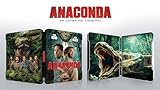
|
Anaconda - 4K + Digital | $42.99 | Buy on Amazon |
| 4 |
![Anaconda Collection 1-4 [Blu-ray]](https://m.media-amazon.com/images/I/51iiyac3tvL._SL160_.jpg)
|
Anaconda Collection 1-4 [Blu-ray] | $34.47 | Buy on Amazon |
| 5 |

|
Anaconda | $3.99 | Buy on Amazon |
Today, Anaconda survives through cable reruns, streaming algorithms, and meme culture that celebrates excess over restraint. Some entries endure because they are legitimately entertaining creature features, others because they collapse into glorious absurdity. Ranking every Anaconda film means separating genuine thrills from ironic enjoyment, while tracing how a once-promising franchise slowly shed its skin into something far stranger and more fascinating.
How We’re Ranking Them: Criteria, Context, and Creature Standards
Ranking the Anaconda films isn’t just a matter of counting body bags or measuring snake size. This franchise exists at the intersection of studio ambition, technological growing pains, and a very specific strain of genre excess. To do it justice, we’re weighing each entry against both its own intentions and the era that produced it.
#1 Best Overall
- Lifelong friends Doug (Jack Black) and Griff (Paul Rudd) finally leap into their long-held dream of remaking their favorite cult classic, Anaconda, in the depths of the Amazon. But things get real when an actual giant anaconda appears, turning their comically chaotic movie set into a deadly situation. The movie they?re dying to make? It might just get them killed......
Quality vs. Intent: What Was the Movie Trying to Be?
Not every Anaconda sequel is aiming for the same target. The original film clearly wanted to be a mainstream, star-driven adventure thriller, while later entries leaned hard into cable-ready creature horror or outright camp. We’re judging each movie on how well it executes its own goal, not on whether it lives up to a 1997 theatrical benchmark it was never designed to reach.
A schlocky Syfy-era sequel can still outrank a more expensive misfire if it understands its limitations and delivers consistent, self-aware fun. Conversely, films that aim for seriousness but collapse under weak scripts or direction lose points fast.
The Snake Matters: Creature Design, Effects, and Presence
This is an Anaconda ranking, so the anaconda itself carries serious weight. Practical effects, CGI quality, and how convincingly the snake interacts with its environment all factor heavily into placement. A poorly rendered digital serpent can sink tension instantly, while a limited but well-staged creature can elevate an otherwise thin movie.
We’re also looking at how the snake is used narratively. Is it a looming threat that builds suspense, or a noisy afterthought wheeled out for obligatory attack scenes? The best entries treat the anaconda as a character, not just a visual effect.
The Tool Desk
Outbyte PC Repair FREERepair Windows errors before they cause bigger problemsFix Now →Outbyte Driver Updater FREEFix the driver behind crashes, sound loss and screen glitchesFind Drivers →Performances, Camp, and Unintentional Comedy
Acting matters here, but not always in the traditional sense. A committed performance in a ridiculous movie can become iconic, while half-hearted line readings can drain energy from even the most absurd premise. Jon Voight’s infamous accent didn’t just break the internet years later, it defined how audiences remember the franchise.
We’re factoring in both genuine performances and moments that have achieved cult status through excess. If a movie is wildly entertaining for reasons the filmmakers may not have intended, that entertainment still counts.
Cultural Impact and Franchise Footprint
Some Anaconda films loom larger in pop culture than others, regardless of critical reception. Theatrical releases, cable staples, and meme-fueled rediscoveries all contribute to a film’s legacy. A sequel that introduced a concept, tone, or visual template that future entries copied earns historical significance points.
This also includes how each film reflects broader trends, from late-’90s jungle thrillers to the rise of made-for-TV monster movies and crossover gimmicks.
Crashes, No Sound, or Screen Glitches?
Random freezes, missing sound and display glitches usually trace back to one bad driver. Find and replace yours safely.Free scan · under a minuteWindows Errors? Fix Them Before They Spread
Repair common Windows errors and clear accumulated junk for a smoother, more stable PC - no reinstall needed.Free scan · no reinstallRewatch Value: Would You Actually Put It On Again?
Ultimately, these rankings reflect how these films play today. Some are comfort-viewing creature features that benefit from nostalgia and pacing, while others feel like endurance tests even for dedicated fans. Rewatch value blends all of the above criteria into one simple question: is this fun to revisit?
Whether the enjoyment comes from genuine suspense, star power, or watching the franchise spiral into madness, the higher-ranked entries earn their place by delivering an experience viewers are likely to seek out again.
The Definitive Ranking: Every ‘Anaconda’ Movie from Worst to Best
After weighing performances, creature effects, cultural impact, and pure rewatchability, here’s how the Anaconda franchise shakes out today. From bargain-bin chaos to genuinely entertaining studio spectacle, this is the clear hierarchy of snakes from the shallowest waters to the top of the food chain.
6. Anacondas: Trail of Blood (2009)
This is the point where the franchise feels fully sedated. Shot back-to-back with its predecessor and featuring the same escaped lab-anaconda setup, Trail of Blood offers minimal escalation and even less personality. The digital snakes are stiff, the pacing sluggish, and the kills oddly bloodless for a movie that promises the opposite in its title.
What really sinks it is the absence of any standout performance or memorable moment. Even by late-2000s Syfy standards, this one feels disposable, more obligation than inspiration.
5. Anaconda 3: Offspring (2008)
Offspring at least earns points for trying to reintroduce a villainous human presence in the form of David Hasselhoff, who leans into his role with just enough self-awareness to keep things watchable. Unfortunately, everything around him feels aggressively cheap. The CGI snakes move like unfinished video game assets, and suspense is replaced by repetitive stalking scenes.
There’s a faint whiff of camp appeal here, especially for fans of late-career Hasselhoff performances. Still, it plays more like a rehearsal for better bad movies than a fully realized entry.
Rank #2
- The ANACONDA series hits Blu-ray from 88 Films with each film restored in gloriously gory HD.
4. Anaconda vs. Lake Placid (2015)
The franchise’s crossover era is exactly as silly as it sounds, and this matchup delivers on absurdity if little else. Pitting giant snakes against oversized crocodiles leans hard into creature-feature excess, with rapid-fire attacks and knowingly ridiculous dialogue. It’s less a movie than a highlight reel of monster mayhem.
While it lacks tension or polish, the sheer novelty keeps it afloat. As a background watch or party movie, it’s arguably more fun than the later standalone sequels.
3. Anaconda (2024)
The modern reboot arrives with slicker visuals and a more overtly self-aware tone, signaling that the franchise understands its meme status. While it doesn’t recapture the tactile thrills of the original, it does attempt to reframe the anaconda as both spectacle and symbol, leaning into blockbuster pacing and contemporary humor.
Its biggest weakness is familiarity, borrowing heavily from earlier entries without redefining the formula. Still, it’s a competent, entertaining reminder that the concept remains viable when handled with resources and restraint.
2. Anacondas: The Hunt for the Blood Orchid (2004)
Often dismissed upon release, this sequel has aged surprisingly well. By shifting focus from star power to jungle survival and doubling down on practical effects, Blood Orchid delivers a more traditional creature-feature experience. The anacondas feel larger, meaner, and more integrated into the environment.
Quick wins for a faster PC:
Clear out junk files and repair common Windows errorsFree Scan →Scan for outdated or missing drivers - takes under a minuteDriver Scan →It lacks the iconic performances of the original, but it compensates with stronger pacing and a clearer sense of escalation. For many fans, this is the most purely entertaining Anaconda movie on rewatch.
1. Anaconda (1997)
There’s no dethroning the original. Anaconda remains the franchise’s cultural cornerstone, blending late-’90s studio gloss with pulpy jungle thrills and a cast that commits hard to the madness. Jon Voight’s scenery-chewing performance alone ensures the film’s immortality, turning what could have been a generic monster movie into a lasting pop-culture artifact.
The practical snake effects, while dated, still carry weight, and the film understands the power of anticipation. It’s endlessly rewatchable, unintentionally hilarious, and genuinely suspenseful in stretches, the rare creature feature that transcended its B-movie roots to become iconic.
Deep Cuts & Guilty Pleasures: The Sequels That Time (Mostly) Forgot
This is where the Anaconda franchise fully sheds its blockbuster ambitions and embraces its cable-movie afterlife. Budget constraints, revolving casts, and increasingly absurd premises define this era, yet these sequels persist thanks to a peculiar charm. For viewers willing to meet them on their own terms, there’s a certain comfort in how unapologetically pulpy they are.
What’s actually slowing this PC down?
Pick the symptom - the matching free tool is one click away.
Anaconda 3: Offspring (2008)
Premiering on Syfy, Offspring marks the franchise’s sharp turn into made-for-TV territory. The CGI snakes are undeniably rough, even by 2008 standards, but the film earns points for leaning into its mad-scientist plot and monster-movie momentum. David Hasselhoff’s gloriously self-aware performance does much of the heavy lifting.
What it lacks in polish, it compensates for in enthusiasm. Offspring understands that escalation matters, pushing its mutated snake concept to absurd extremes. As a rewatch, it plays best as ironic entertainment, especially for fans of late-night cable creature features.
Anacondas: Trail of Blood (2009)
Filmed back-to-back with Offspring, Trail of Blood feels like a companion piece rather than a true sequel. The setting shifts to frozen Eastern Europe, an inspired change of scenery that briefly freshens the formula. Unfortunately, the novelty wears thin once the limitations of the effects and staging become impossible to ignore.
Still, the film’s wintry atmosphere and faster pacing make it slightly more watchable than its reputation suggests. It’s the kind of sequel that works best when expectations are firmly calibrated. For franchise completists, it’s a necessary, if unremarkable, stop.
Lake Placid vs. Anaconda (2015)
A crossover no one asked for but many secretly enjoyed, this mash-up pits two Syfy staples against each other with gleeful indifference to logic. The film knows exactly what it is, stacking B-movie archetypes, exaggerated performances, and digital carnage into a knowingly ridiculous package. The result is chaotic but oddly watchable.
While it barely resembles the jungle thriller roots of the original Anaconda, it thrives as camp. Its rewatch value lies not in suspense or spectacle, but in the communal fun of watching two franchises collide. Among the later entries, it’s arguably the most honest about its intentions.
Rank #3
- Lifelong friends Doug (Jack Black) and Griff (Paul Rudd) finally leap into their long-held dream of remaking their favorite cult classic, Anaconda, in the depths of the Amazon. But things get real when an actual giant anaconda appears, turning their comically chaotic movie set into a deadly situation. The movie they?re dying to make? It might just get them killed......
These forgotten sequels may sit at the bottom of most rankings, but they tell an important part of the franchise’s story. They reflect an era when recognizable IPs were repurposed for niche audiences, prioritizing quantity and novelty over craftsmanship. Flawed as they are, they remain an oddly durable testament to Anaconda’s unlikely longevity.
Peak Snake Cinema: What Makes the Top-Ranked ‘Anaconda’ Actually Work
After the franchise’s long detour into made-for-TV excess, the top-ranked Anaconda films stand out by remembering a deceptively simple truth: giant snake movies live or die by tension, texture, and tone. When the series works, it’s because the filmmakers treat the creature not as a punchline, but as a force of nature. The best entries lean into classical thriller mechanics rather than digital noise.
Recommended Free Tools
The Original Film’s Studio-Era Sweet Spot
The 1997 Anaconda remains the high-water mark because it was built like a real studio thriller, not a novelty item. Its pacing is deliberate, its jungle setting tactile, and its suspense rooted in isolation rather than spectacle overload. There’s a tangible sense of danger that comes from practical effects, location shooting, and a cast that plays the material seriously enough to sell the threat.
Jon Voight’s operatic villainy often gets top billing, but the ensemble matters just as much. Jennifer Lopez, Ice Cube, and Eric Stoltz ground the film with recognizable, human reactions to escalating horror. The movie understands that a giant snake is only frightening if the people trapped with it feel plausibly vulnerable.
Creature Effects That Favor Presence Over Precision
What separates the top-ranked Anaconda films from their sequels is restraint in how the creature is deployed. The original uses its snake sparingly, allowing anticipation to do the heavy lifting. Practical effects and early CGI are blended imperfectly, but that imperfection adds weight and physicality that later digital-only snakes lack.
The anaconda feels massive because the camera treats it that way. Shots linger just long enough to suggest scale without fully revealing the illusion. In contrast to the later films’ constant overexposure of the creature, the best entries understand that fear thrives in partial glimpses.
Free tools Windows power users keep installed
One-click scans. No signup required.
The Blood Orchid’s Pulp Refinement
Anacondas: The Hunt for the Blood Orchid earns its place near the top by refining the formula rather than reinventing it. Stripped of star power, it compensates with a stronger adventure rhythm and a more consistent tone. The film embraces its pulp identity, functioning less as a horror movie and more as a jungle survival thriller with monstrous obstacles.
Its ensemble cast may be less iconic, but the film benefits from clearer character dynamics and a brisker sense of momentum. The snakes are bigger, more aggressive, and used as environmental hazards rather than singular villains. That shift makes the danger feel constant, even when the effects don’t always hold up under scrutiny.
Why Rewatch Value Peaks at the Top
The highest-ranked Anaconda films invite repeat viewings because they balance earnest craftsmanship with just enough excess to remain fun. They’re serious without being dour, pulpy without tipping into parody. That tonal balance is precisely what the later entries abandon in favor of speed and spectacle.
These films also reflect a specific era of genre filmmaking, when mid-budget creature features were expected to play theatrically and appeal to broad audiences. Their success isn’t accidental; it’s the result of deliberate choices that prioritize atmosphere, character, and suspense over sheer volume of chaos.
Stars, Screams, and Serpents: Performances and Effects Across the Franchise
If the Anaconda series has a secret weapon beyond oversized reptiles, it’s the way star power and effects work in tandem to define each era. The franchise begins as a late-’90s studio spectacle, anchored by recognizable faces and tangible creature work, before gradually sliding into made-for-TV territory where speed and budget constraints dictate creative choices. That shift is visible not just in the snakes themselves, but in how actors are asked to sell the threat.
When Movie Stars Took the Jungle Seriously
The original Anaconda benefits enormously from its cast treating the material with straight-faced commitment. Jennifer Lopez and Ice Cube play their roles with a grounded intensity that keeps the film from tipping into self-parody, while Jon Voight’s gloriously unhinged performance becomes the movie’s defining feature. His exaggerated accent and physicality shouldn’t work, yet they give the film an operatic villain that audiences still remember.
That level of star engagement matters because it gives the snake something to push against. The fear feels reactive rather than performative, and even when the effects show their age, the actors’ belief in the danger sustains the illusion. It’s no coincidence that this is the entry most frequently revisited and referenced.
Ensembles Over Icons in the Sequels
Anacondas: The Hunt for the Blood Orchid trades marquee names for a functional ensemble, and the results are mixed but effective. No single performance dominates, yet the cast operates cohesively, which suits the film’s survival-thriller structure. The emphasis shifts from personality clashes to group endurance, making the snakes feel like an ever-present force rather than a climactic surprise.
What’s actually slowing this PC down?
Pick the symptom - the matching free tool is one click away.
Later sequels continue this trend, often populated by familiar TV faces and genre regulars who understand the assignment. The performances become broader, sometimes knowingly so, especially as the films lean harder into B-movie territory. While this robs the franchise of prestige, it does introduce a camp appeal that some fans find irresistible.
Rank #4
Practical Weight vs. Digital Convenience
Creature effects tell the clearest story of the franchise’s evolution. The first film’s blend of animatronics and early CGI gives the anaconda a sense of physical mass, even when the visuals strain credibility. The snake interacts with its environment in tactile ways, crushing, coiling, and colliding with real sets that sell its presence.
As budgets shrink, later films rely almost entirely on digital snakes that move faster but feel lighter. The increase in screen time paradoxically reduces impact, turning what should be apex predators into overexposed visual noise. Without restraint or physical reference points, the danger becomes abstract, and suspense evaporates.
How Effects Shape Rewatch Value
The most rewatchable Anaconda films are the ones where effects serve the story rather than overwhelm it. Imperfect visuals age better when they’re supported by atmosphere, pacing, and performances that invite audience investment. There’s a charm to seeing filmmakers work within limitations while still aiming for spectacle.
Quick wins for a faster PC:
Clear out junk files and repair common Windows errorsFree Scan →Fix the driver behind crashes, sound loss and screen glitchesFind Drivers →By contrast, the later entries often feel disposable because their effects lack texture and their performances lean on genre shorthand. They’re efficient, sometimes entertaining, but rarely memorable. In a franchise built on the promise of awe and fear, it’s the combination of committed acting and tangible threat that ultimately separates enduring cult favorites from forgettable sequels.
Independent reader supportYour contribution helps us test, update, and keep practical guides available for everyone.From Blockbuster Creature Feature to B-Movie Territory: How the Series Evolved
The Anaconda franchise is a time capsule of how Hollywood’s relationship with genre filmmaking shifted at the turn of the millennium. What began as a mid-budget studio creature feature with A-list ambitions slowly transformed into a series of lean, effects-driven programmers aimed at cable audiences and late-night streaming binges. That evolution isn’t accidental; it mirrors broader industry trends around risk, spectacle, and where monster movies were expected to live.
The 1997 Model: Prestige Packaging, Pulp DNA
The original Anaconda arrived during a brief window when studios were still willing to bankroll one-off creature features as theatrical events. Its cast alone signaled confidence: Jennifer Lopez, Ice Cube, Jon Voight, and Owen Wilson elevated material that, on paper, could have gone straight to VHS. The film balances jungle adventure, survival horror, and star power in a way that feels very of its era.
Crucially, the first film takes itself seriously, even when the premise borders on absurd. The tone insists on danger and physical consequence, grounding the giant snake in a recognizable, sweaty reality. That commitment gives the movie cultural staying power, turning it into a frequent cable staple and a touchstone for late-90s monster cinema.
Escalation Without Expansion
As the series continued, the formula shifted toward bigger snakes rather than deeper storytelling. Anacondas: The Hunt for the Blood Orchid tries to replicate the original’s success by expanding the mythology and upping the body count. While it lacks star wattage, it compensates with earnest pacing and a stronger emphasis on survival mechanics.
This sequel represents the franchise’s last real attempt at theatrical credibility. The ambition remains, but the cracks begin to show in the reliance on digital effects and thinner character arcs. It’s still recognizably part of the same lineage, but the studio confidence that defined the first film is already receding.
The Cable Era and Embraced Camp
Once the franchise migrated to made-for-TV territory, the priorities changed dramatically. Budgets tightened, runtimes shrank, and storytelling became more functional than immersive. These later entries trade cinematic sweep for efficiency, designed to hook viewers channel-surfing rather than sell tickets.
Yet this is also where Anaconda quietly finds a second identity. The performances grow broader, the plots lean into genre absurdity, and the films stop pretending they’re anything but creature features on a schedule. For fans of B-movie horror, this self-awareness becomes part of the appeal, transforming technical limitations into unintentional comedy.
Free tools Windows power users keep installed
One-click scans. No signup required.
Franchise Identity by Attrition
By the time crossovers and increasingly digital sequels arrive, Anaconda is less a singular series than a recognizable brand applied to familiar monster-movie templates. The snakes are faster, louder, and more plentiful, but also less threatening. Without theatrical stakes or tactile effects, the films prioritize quantity of thrills over quality of tension.
Still, this phase cements Anaconda’s place in genre culture. The franchise survives not because it evolves creatively, but because it adapts to changing distribution models and audience expectations. In doing so, it charts a clear descent from blockbuster aspiration to cult-friendly B-movie comfort food, a trajectory that makes ranking the films as revealing as watching them.
Cultural Impact, Memes, and the Franchise’s Lasting Legacy
By sheer endurance alone, Anaconda has secured a strange but undeniable foothold in pop culture. It’s a franchise remembered less for innovation than for moments, performances, and images that refuse to fade. Even viewers who haven’t revisited the films in years can still recall the snake bursting through a waterfall or the sense that something about Jon Voight’s accent felt gloriously unhinged.
The Performances That Became the Joke
Jon Voight’s turn as Paul Serone in the original film has become the franchise’s most enduring meme. His elastic delivery, exaggerated physicality, and accent that defies geographical logic elevate Anaconda from competent creature feature to camp legend. It’s the kind of performance that feels accidental in tone, yet perfectly calibrated for long-term cult appreciation.
Best Value
Ice Cube’s stone-faced pragmatism and Jennifer Lopez’s pre-superstardom presence also contribute to the film’s staying power. These performances anchor the chaos, giving audiences recognizable stars to latch onto amid the madness. In retrospect, the casting reads like a time capsule of late-90s studio confidence in cross-genre appeal.
Cable Rotation and Comfort-Horror Status
Anaconda’s real cultural longevity comes from relentless cable exposure. For years, the films played on repeat across genre-friendly networks, becoming a default watch for bored insomniacs and weekend channel surfers. This repetition transformed the franchise into comfort horror, familiar enough to half-watch but entertaining enough to keep on.
The later made-for-TV entries benefited most from this environment. Their predictable rhythms, exaggerated effects, and brisk pacing make them ideal background viewing, a quality that often matters more than craftsmanship in the cable ecosystem. Over time, this accessibility helped the franchise outlive flashier but less replayable contemporaries.
Memes, Monsters, and Digital Afterlife
In the age of social media, Anaconda thrives as a source of reaction clips and ironic appreciation. Screenshots of impossible snake physics, overly earnest line readings, and green-screen chaos circulate freely, often divorced from the films themselves. The franchise’s willingness to take itself seriously, even when the results don’t cooperate, makes it endlessly memeable.
Recommended Free Tools
Ironically, this digital afterlife has kept Anaconda relevant to younger audiences who may never sit through a full sequel. The movies function as visual shorthand for a certain era of studio genre filmmaking, where ambition routinely exceeded technology. That disconnect is now part of the charm rather than a liability.
A Franchise That Refuses to Shed Its Skin
Measured purely by critical standards, Anaconda never became a prestige horror series. But judged by cultural footprint, adaptability, and sheer rewatch value, its legacy is sturdier than expected. The franchise charts the industry’s shift from theatrical spectacle to cable-friendly content with unusual clarity, making it a useful case study in genre survival.
Ranking these films isn’t just about quality control, but about understanding how and why they persist. Anaconda endures because it meets audiences where they are, whether in a packed theater, a late-night cable slot, or a meme feed years later. Few creature features can claim that kind of evolutionary success, even if the evolution itself is a little messy.
Where the ‘Anaconda’ Movies Stream Now — and Which Ones Are Worth Your Time
For a franchise that has quietly slithered across theatrical screens, cable schedules, and bargain-bin DVDs, Anaconda has adapted well to the modern streaming ecosystem. Availability shifts frequently, but most entries are now easier to access than ever, whether you’re revisiting the original or braving the later, more questionable sequels. The key is knowing which titles deserve your attention and which are best left as background noise.
The Essential Watches
The original Anaconda (1997) remains the most consistently available and the most worthwhile. It regularly pops up on major rental platforms like Amazon, Apple TV, and Vudu, and occasionally lands on ad-supported streamers during catalog rotations. This is the one to start with, thanks to its star power, practical effects, and late-90s studio sheen that no sequel ever fully recaptured.
Anacondas: The Hunt for the Blood Orchid (2004) is usually close behind in availability, often bundled with the first film on digital storefronts. While critically maligned, it has earned a cult following for its jungle adventure pacing and unapologetically pulpy tone. If you’re committing to more than one entry, this is the logical follow-up.
The Cable-Era Curiosities
The made-for-TV sequels, beginning with Anaconda 3: Offspring (2008) and Anacondas: Trail of Blood (2009), tend to surface on free, ad-supported platforms like Tubi, Freevee, or Pluto TV. Their streaming presence reflects their original purpose: easily digestible, low-stakes viewing designed for casual consumption. They’re rarely essential, but they’re strangely watchable in short bursts.
These entries are best approached with expectations firmly calibrated. The effects are rough, the performances uneven, and the plotting repetitive, but they offer a clear snapshot of late-2000s cable horror economics. For completionists or fans of so-bad-it’s-fascinating creature features, they still have a place.
The Tool Desk
Outbyte PC Repair FREEClear out junk files and repair common Windows errorsFree Scan →Outbyte Driver Updater FREEFix the driver behind crashes, sound loss and screen glitchesFind Drivers →The Crossover and the Bottom of the Pit
Lake Placid vs. Anaconda (2015) is the oddest entry and the hardest to recommend, even by franchise standards. Its streaming availability is sporadic, often limited to rentals or brief stints on niche platforms. While the novelty of a monster mash may intrigue some viewers, the execution rarely justifies the curiosity.
This is the kind of sequel you watch only after exhausting the rest, or out of sheer genre loyalty. It leans heavily into self-awareness without delivering the fun that such a premise promises.
So, What’s Actually Worth Your Time?
If you’re choosing selectively, the answer is simple: prioritize the 1997 original, consider Blood Orchid if you’re still in the mood, and treat the rest as optional curios. The later films function best as ambient entertainment rather than focused viewing, reinforcing the franchise’s reputation as comfort horror rather than must-see cinema.
In the end, Anaconda’s streaming afterlife mirrors its legacy. It’s a franchise built to be revisited casually, discovered accidentally, and half-remembered fondly. Not every entry is worth your full attention, but together they form a surprisingly durable ecosystem of creature-feature excess, still writhing along decades after the first snake struck.
Quick Recap
Product prices and availability are accurate as of the date/time indicated and are subject to change. Any price and availability information displayed on Amazon at the time of purchase will apply.




