The summer box office just got its jolt of radioactive energy, as Fantastic Four: First Steps arrived with the kind of opening that reshapes a weekend and recalibrates expectations. Marvel’s long-awaited reboot didn’t merely win the frame; it commanded it, signaling a confident return to first-family fundamentals while reminding audiences why theatrical spectacle still matters. Packed houses, strong word-of-mouth, and a broad demographic pull turned the release into an event rather than just another superhero launch.
Yet the story of the weekend isn’t one of total domination, because Superman continues to defy gravity in its own right. James Gunn’s reimagined Man of Steel held firm with impressive staying power, proving that momentum doesn’t vanish just because a new cape enters the sky. Its sustained performance underscores a crucial truth of the modern box office: endurance can be just as valuable as explosive debuts.
| # | Preview | Product | Price | |
|---|---|---|---|---|
| 1 |
|
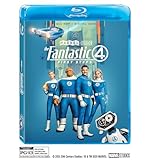
The Fantastic Four: First Steps - Blu-ray + Digital | $22.96 | Buy on Amazon |
| 2 |

|
The Fantastic Four: First Steps - 4K + Blu-ray + Digital | $27.99 | Buy on Amazon |
Together, these results frame a revealing snapshot of superhero cinema in transition, where legacy icons and refreshed franchises coexist rather than cannibalize one another. Studios are watching closely as Marvel and DC test different creative strategies under intense scrutiny, while exhibitors welcome a rare weekend where multiple tentpoles lift the entire marketplace. This box office faceoff isn’t just about who finished first, but what it signals for the genre’s next phase and the crowded release calendar ahead.
‘Fantastic Four: First Steps’ Ignites the Charts — Opening Numbers, Audience Turnout, and Market Impact
Marvel Studios couldn’t have scripted a cleaner comeback. Fantastic Four: First Steps launched to an estimated $130 million domestic opening, with global grosses pushing past $280 million in its first weekend, instantly positioning it as one of the year’s most impactful debuts. That performance didn’t just top the charts; it reset the tone for Marvel’s theatrical ambitions after a period of uneven results.
Do these 3 things before closing this tab:
1Scan for outdated or missing drivers - takes under a minute2Clear out junk files and repair common Windows errors3Fix the driver behind crashes, sound loss and screen glitches#1 Best Overall
- Set against the backdrop of a ?60s-inspired, retro-futuristic world, Marvel?s First Family faces a daunting challenge. Forced to balance being heroes with their family bond, they must defend Earth from a space god and his enigmatic herald.
The opening wasn’t front-loaded either, which is where the real confidence lies. Friday-to-Saturday holds were strong, signaling audience satisfaction rather than curiosity-driven rushes. In an era where superhero fatigue is often cited, First Steps arrived looking more like a correction than an outlier.
A Broad Turnout Fueled by Familiarity and Freshness
Demographically, Fantastic Four: First Steps pulled a notably wide audience. Families, longtime Marvel fans, and younger moviegoers all showed up, with exit polling indicating a near-even gender split and solid attendance from viewers over 35. That balance suggests the film succeeded in positioning the Fantastic Four as legacy icons without alienating newcomers.
IMAX and premium large-format screens accounted for a sizable portion of ticket sales, underscoring the film’s “big-screen-first” appeal. Premium upcharges boosted per-theater averages and gave exhibitors a much-needed win after a spring that leaned heavily on mid-budget fare. For theaters, this was the kind of release that justifies dedicating screens and showtimes.
Why This Opening Matters for Marvel’s Strategy
Beyond raw numbers, the debut signals renewed trust in Marvel’s brand stewardship. First Steps benefited from a focused marketing campaign that emphasized character chemistry and tone over multiverse sprawl, and audiences responded. Early word-of-mouth and strong audience scores point to legs that could carry the film deep into August, even as competition intensifies.
Free tools Windows power users keep installed
One-click scans. No signup required.
The success also recalibrates expectations for Marvel’s upcoming slate. Studios will view this opening as proof that carefully managed reintroductions, rather than constant escalation, can still drive blockbuster turnout. It’s less about overwhelming scale and more about giving audiences a reason to emotionally reinvest.
Market Impact in a Crowded Superhero Landscape
Crucially, Fantastic Four: First Steps didn’t drain oxygen from the rest of the market. Overall weekend totals surged, suggesting that its audience overlapped less with Superman than many analysts feared. Instead of cannibalization, the result was additive, with superhero fans treating the weekend like a double-feature season kickoff.
For studios and exhibitors alike, that outcome is encouraging. It hints at a box office environment where multiple superhero titles can coexist, provided they offer distinct tones and identities. First Steps didn’t just dominate the charts; it reinforced the idea that smart differentiation, not sheer volume, is what drives modern blockbuster success.
Why ‘First Steps’ Connected: Franchise Reboot Appeal, Marketing Muscle, and MCU Momentum
A Clean-Slate Reboot That Felt Purposeful
One of the biggest advantages Fantastic Four: First Steps had going into opening weekend was clarity. This was not positioned as a corrective sequel or a continuity-heavy fix, but as a true starting point, both narratively and tonally. Audiences understood immediately that prior versions were irrelevant, removing the baggage that has plagued other superhero reboots.
Marvel leaned into the Fantastic Four’s identity as explorers and family first, superheroes second. That framing helped distinguish First Steps from recent MCU entries driven by cosmic stakes or multiversal chaos, and it made the characters feel accessible even to viewers with minimal franchise investment.
Marketing That Sold Chemistry, Not Lore
The marketing campaign was disciplined in a way Marvel hasn’t always managed in recent years. Trailers emphasized humor, interpersonal dynamics, and scale without overexplaining plot mechanics or teasing future installments. By focusing on vibe rather than mythology, Marvel avoided overwhelming casual moviegoers.
Crucially, the cast became the campaign’s centerpiece. Press tours, social clips, and behind-the-scenes features consistently highlighted chemistry, which translated into confidence that this team was worth spending time with. That kind of character-first sell is especially effective for opening weekends, when curiosity drives turnout.
The MCU Effect, Refined Rather Than Exhausted
While superhero fatigue remains a popular talking point, First Steps benefited from the MCU’s recalibrated momentum rather than its excesses. Recent Marvel releases have shown a renewed emphasis on standalone satisfaction, and audiences appear more willing to show up when homework is minimized. First Steps felt connected to a larger universe without demanding prior knowledge.
Recommended Free Tools
That balance matters. The film promised future relevance without turning its opening chapter into a teaser reel, allowing viewers to enjoy the experience on its own terms. In a crowded release calendar, that restraint likely contributed to stronger-than-expected walk-up business.
Timing and Tone in a Competitive Marketplace
Release timing also played a key role. Opening opposite Superman could have been risky, but the tonal contrast worked in Marvel’s favor. Where Superman leaned mythic and earnest, First Steps offered lighter energy and ensemble fun, giving audiences a clear choice rather than forcing a zero-sum decision.
The result was not just dominance, but durability. First Steps connected because it knew exactly what it was selling and who it was selling to, while still leaving room for the broader superhero ecosystem to thrive. In today’s box office climate, that kind of precision is often more valuable than sheer spectacle.
‘Superman’ Still Soars: Strong Holds, Week-to-Week Drops, and Word-of-Mouth Power
While Fantastic Four: First Steps claimed the top spot, Superman’s performance in its subsequent frame tells an equally important story. Rather than collapsing under new competition, the DC tentpole posted a notably steady hold, signaling sustained audience interest beyond opening-weekend curiosity. In a marketplace where superhero films often see sharp second-weekend drops, Superman’s resilience stands out.
What’s actually slowing this PC down?
Pick the symptom - the matching free tool is one click away.
The film’s box office trajectory suggests a title built for legs rather than flash. Even with screens ceded to Marvel’s newcomer, Superman continued to attract a broad demographic mix, from families to older moviegoers drawn by its classic, earnest tone. That consistency is increasingly rare for genre releases in a crowded summer corridor.
Measured Drops, Meaningful Momentum
Week-to-week declines for Superman landed on the healthier end of the modern blockbuster spectrum. Instead of the 60-percent-plus drops that have plagued recent comic book releases, Superman’s falloff was far more controlled, reflecting repeat viewings and positive audience sentiment. Those numbers point to a film finding its footing after opening rather than burning through demand immediately.
This pattern also reinforces how front-loaded superhero releases no longer have to be the default. Superman benefited from viewers treating it less like an event to rush toward and more like a film they could catch on their own schedule. That flexibility helps stabilize box office performance even when a high-profile competitor enters the market.
Word of Mouth as a Force Multiplier
Perhaps the most encouraging sign for Warner Bros. is the role word of mouth continues to play. Audience reactions have consistently highlighted the film’s sincerity, emotional grounding, and restrained approach to world-building, elements that resonate beyond core comic fans. Social chatter hasn’t been about surprise cameos or future teases, but about how the movie feels.
That kind of conversation travels slower but lasts longer. As casual moviegoers seek reassurance before buying tickets, Superman’s reputation as a crowd-pleasing, accessible entry point into the DC universe becomes a selling tool in itself. In a summer defined by spectacle overload, that emotional clarity has proven to be a quiet advantage.
A Rising Tide for Superhero Competition
Crucially, Superman’s continued strength underscores that Fantastic Four’s dominance did not come at DC’s expense. The weekend demonstrated that superhero cinema is no longer a winner-take-all arena when films offer distinct tones and identities. Audiences made room for both, treating the releases as complementary rather than interchangeable.
For the industry, that coexistence is a promising sign. Studios often fear cannibalization, but this box office result suggests smart positioning and tonal contrast can expand the audience pie rather than split it. Superman may not have topped the charts, but its steady flight path reinforces the idea that longevity, not just opening firepower, defines success in today’s theatrical landscape.
Marvel vs. DC, Phase vs. Rebuild: What This Weekend Reveals About Studio Strategy
This weekend wasn’t just a box office showdown between two superhero titles; it was a snapshot of two studios operating from fundamentally different playbooks. Fantastic Four: First Steps arrived as a statement of intent from Marvel Studios, while Superman continues to function as proof-of-concept for DC’s recalibration. Together, they illustrate how success in today’s market can look very different depending on where a franchise sits in its lifecycle.
Marvel’s Calculated Phase Reset
Fantastic Four: First Steps dominating the charts reflects Marvel leaning back into its strengths after a period of uneven reception. The film benefits from a clean entry point, iconic characters, and the sense that Marvel is narrowing its focus rather than expanding endlessly outward. Audiences responded to that clarity, rewarding the studio with a strong, confident opening rather than curiosity-driven sampling.
Importantly, the win wasn’t just about scale, but about positioning. Marvel framed Fantastic Four less as a puzzle piece in a sprawling saga and more as an event film that reasserts trust in the brand. That approach suggests Marvel understands that rebuilding momentum doesn’t require smaller ambitions, just sharper ones.
DC’s Long Game Takes Shape
On the other side, Superman’s continued performance underscores DC’s commitment to patience over spectacle. Warner Bros. isn’t chasing opening weekend headlines at all costs; instead, it’s allowing the film to grow through accessibility and emotional resonance. That strategy aligns with a broader rebuild, prioritizing audience confidence before franchise expansion.
The result is a film that behaves more like a traditional crowd-pleaser than a franchise obligation. Superman’s legs signal that DC may be laying groundwork for sustainability, proving the audience will show up repeatedly when they feel welcomed rather than overwhelmed.
PC Slower Than It Used to Be?
A free scan shows the junk files, broken settings and background clutter dragging Windows down - then fixes them in one click.Free scan · Windows 10 & 11Crashes, No Sound, or Screen Glitches?
Random freezes, missing sound and display glitches usually trace back to one bad driver. Find and replace yours safely.Free scan · under a minuteRank #2
- Set against the backdrop of a ?60s-inspired, retro-futuristic world, Marvel?s First Family faces a daunting challenge. Forced to balance being heroes with their family bond, they must defend Earth from a space god and his enigmatic herald.
Competition Without Cannibalization
What makes the weekend particularly instructive is how little these strategies collided. Fantastic Four thrived as a must-see debut, while Superman continued to draw viewers who weren’t swayed by opening-weekend urgency. The coexistence highlights an evolving superhero marketplace where tonal distinction and release timing matter more than raw brand dominance.
For the industry, this dual success hints at a healthier ecosystem. Marvel is reasserting its event credentials, while DC is redefining what a successful launch can look like during a rebuild. Neither path is inherently superior, but this weekend proved both can work simultaneously when studios understand their audience and, crucially, their own moment in the cycle.
Audience Demographics and Global Performance: Who Showed Up and Where
While Fantastic Four: First Steps and Superman shared the spotlight domestically, their audience makeup and international trajectories reveal two very different success stories unfolding in parallel. Age splits, regional appeal, and repeat viewing patterns all help explain why both films are winning, just in distinct ways.
Fantastic Four’s Broad but Youth-Driven Surge
Fantastic Four: First Steps leaned heavily into younger audiences, with under-35 moviegoers making up the clear majority of its opening-weekend crowd. That demographic skew aligns with Marvel’s renewed emphasis on kinetic spectacle, humor, and a streamlined narrative that doesn’t require deep franchise homework. Families and group outings also factored prominently, driven by the film’s lighter tone and accessible stakes.
Quick wins for a faster PC:
Scan for outdated or missing drivers - takes under a minuteDriver Scan →Repair Windows errors before they cause bigger problemsFix Now →Internationally, Fantastic Four delivered particularly strong performances across key Marvel-friendly markets in Europe and Latin America, where ensemble superhero films traditionally over-index. The film’s global appeal benefited from its clean entry-point storytelling, allowing overseas audiences to engage without relying on extensive MCU familiarity. That universality helped Marvel post a global opening that reinforced the studio’s continued dominance outside North America.
Superman’s Cross-Generational Appeal
Superman, by contrast, attracted a notably older and more balanced audience profile. Viewers over 35 showed up in higher-than-average numbers for a superhero release, signaling the character’s enduring cultural resonance and the film’s emphasis on emotional clarity over bombast. That demographic stability is a key reason the film has maintained strong holds week over week.
Globally, Superman’s rollout has been steadier rather than explosive. The film has found particular traction in English-speaking territories and select Asian markets where character-driven blockbusters tend to perform well over time. Rather than front-loading its earnings, Superman is building momentum gradually, a pattern that mirrors its domestic staying power.
Regional Strengths Shape the Bigger Picture
The geographic split between the two films underscores how diversified the superhero audience has become. Fantastic Four plays like a modern global event film, engineered for instant recognition and broad international turnout. Superman, meanwhile, behaves more like a legacy title, deepening engagement market by market rather than overwhelming them all at once.
The Tool Desk
Outbyte Driver Updater FREEFix the driver behind crashes, sound loss and screen glitchesFind Drivers →Outbyte PC Repair FREERepair Windows errors before they cause bigger problemsFix Now →Together, their performances illustrate a crucial takeaway for studios watching closely. Success no longer depends on a single demographic or a one-size-fits-all global strategy. Understanding who shows up, and where, is proving just as important as how loudly a film opens.
Independent reader supportYour contribution helps us test, update, and keep practical guides available for everyone.The Competitive Landscape Ahead: Upcoming Releases That Could Shift the Power Balance
With Fantastic Four and Superman setting the early tone for the season, the real test now becomes sustainability in an increasingly crowded marketplace. The next six to eight weeks will introduce a slate of high-profile releases designed to challenge both films for premium screens, audience attention, and cultural oxygen. How well each title holds amid that pressure will say as much about long-term franchise health as opening weekend headlines ever could.
Marvel’s Own Internal Competition
Marvel’s immediate challenge isn’t external so much as self-inflicted. The studio has additional MCU-adjacent titles and high-profile Disney releases on the horizon, all vying for overlapping audiences. Historically, Marvel films can coexist, but screen allocation and repeat-viewing fatigue are real variables that could temper Fantastic Four’s week-to-week drops.
That said, Fantastic Four: First Steps benefits from being positioned as a foundational entry rather than a payoff chapter. Its accessibility may help it withstand internal competition better than more continuity-heavy releases. If Marvel spaces its marketing beats carefully, Fantastic Four could continue to play as the “safe” choice for casual audiences even as newer titles arrive.
DC’s Slow-Burn Strategy Continues
Superman’s biggest advantage in the coming weeks may actually be what’s not arriving. DC’s upcoming slate is relatively light on immediate theatrical competition, giving Superman room to keep expanding rather than defending its footprint. That breathing room is crucial for a film whose strength lies in legs, not spikes.
Premium format retention will be key here. As long as Superman maintains IMAX and large-format presence into its third and fourth weekends, its perception as an event remains intact. For DC Studios, this performance window is as much about optics as revenue, signaling that patience-driven rollouts can still work in a marketplace obsessed with instant dominance.
Non-Superhero Event Films Lurking on the Horizon
Beyond capes and franchises, several four-quadrant event films are poised to disrupt the balance. Big-budget animated releases, action-driven originals, and nostalgia-fueled sequels tend to pull families and casual viewers away from superhero fare, particularly in international markets. These films may not top the charts immediately, but they can siphon crucial midweek and matinee business.
This is where Fantastic Four’s global-first design could face its stiffest test, while Superman’s older-skewing audience may prove more resilient. Adult-driven attendance is historically less volatile in the face of family competition, potentially allowing Superman to hold stronger even as overall box office fragmentation increases.
A Marketplace Defined by Endurance, Not Just Openings
The broader takeaway is that this box office battle is far from settled. Opening weekend victories matter, but endurance through waves of competition is what ultimately defines a hit in today’s theatrical ecosystem. Studios are watching closely to see which strategy, explosive global launches or patient audience cultivation, proves more adaptable.
As new contenders enter the frame, Fantastic Four and Superman are no longer just competing with each other. They’re testing two different philosophies of modern blockbuster filmmaking, and the weeks ahead will reveal which approach holds the most power in an increasingly crowded cinematic arena.
What It All Means for Superhero Cinema in 2026 and Beyond
The dual success of Fantastic Four: First Steps and Superman isn’t just a win for Marvel or DC. It’s a recalibration moment for the entire genre, suggesting that superhero cinema isn’t dying so much as evolving into a more segmented, strategy-driven space. In 2026, the question is no longer whether audiences want superheroes, but how, when, and why they show up.
Event Status Is Being Redefined
Fantastic Four’s opening dominance reinforces that true “event” films still exist, but they now require precision engineering. Global coordination, premium-format saturation, and clear tonal identity are no longer bonuses; they’re prerequisites. Studios chasing opening-weekend fireworks without that infrastructure are likely to fall short.
At the same time, Superman’s steady climb proves that event status can also be earned over time. Strong word of mouth, critical credibility, and audience trust can elevate a film beyond its debut, reframing success as a multi-week narrative rather than a single data point.
Audience Segmentation Is the New Reality
One of the clearest signals from this box office showdown is that superhero audiences are no longer monolithic. Fantastic Four skewed younger and more international out of the gate, while Superman leaned older and more domestic, with crossover appeal that builds gradually. Both approaches worked because they knew exactly who they were serving.
For future releases, especially in an increasingly crowded slate, clarity of audience will matter more than sheer brand recognition. The days of assuming four-quadrant dominance by default are fading, replaced by targeted engagement and realistic expectations.
Studios Are Learning to Share the Calendar
Perhaps the most encouraging takeaway is that these films didn’t cancel each other out. Instead, they coexisted, suggesting that smart spacing, differentiated marketing, and tonal contrast can allow multiple superhero projects to thrive simultaneously. That’s a critical lesson as studios map out packed release calendars through 2027 and beyond.
PC Slower Than It Used to Be?
A free scan shows the junk files, broken settings and background clutter dragging Windows down - then fixes them in one click.Free scan · Windows 10 & 11Crashes, No Sound, or Screen Glitches?
Random freezes, missing sound and display glitches usually trace back to one bad driver. Find and replace yours safely.Free scan · under a minuteThis also eases pressure on studios to “win” every weekend. Sustainable performance, not total domination, is becoming the healthier metric, both financially and creatively.
The Genre’s Next Phase Is About Trust
Ultimately, what this weekend signals is a rebuilding of trust between studios and audiences. Viewers are responding when films feel purposeful rather than obligatory, and when strategies respect attention spans instead of exploiting hype cycles. Fantastic Four and Superman succeeded for different reasons, but both benefited from a sense of intention.
If 2026 continues on this trajectory, superhero cinema may enter a more stable, mature era. One where fewer films aim to be everything for everyone, and more focus on being something specific, well-crafted, and worth returning to theaters for. That shift may not produce record-breaking weekends every time, but it could ensure the genre’s longevity well beyond its next reboot.
Quick Recap
Product prices and availability are accurate as of the date/time indicated and are subject to change. Any price and availability information displayed on Amazon at the time of purchase will apply.
Free tools Windows power users keep installed
One-click scans. No signup required.




