Naval war films occupy a singular space in war cinema because they transform the battlefield into an unforgiving, self-contained world where survival hinges on discipline, technology, and command under pressure. At sea, there are no front lines in the traditional sense, only vast expanses of water that amplify tension and make every engagement feel existential. The ocean itself becomes an adversary, shaping strategy, pacing, and tone in ways no land-based war film can fully replicate.
These films also excel at visualizing the unseen mechanics of modern warfare, from sonar pings echoing through steel hulls to radar screens glowing in darkened combat information centers. Submarines, destroyers, and aircraft carriers are not just settings but living systems, where the smallest error can doom hundreds of lives. That reliance on procedure and teamwork gives naval war movies a procedural intensity that rewards careful storytelling and technical authenticity.
| # | Preview | Product | Price | |
|---|---|---|---|---|
| 1 |

|
Excalibur Herman Wouk - War and Remembrance - DVD | $30.65 | Buy on Amazon |
| 2 |
![Airport Terminal Pack [DVD]](https://m.media-amazon.com/images/I/51u7TvlKDzL._SL160_.jpg)
|
Airport Terminal Pack [DVD] | $8.49 | Buy on Amazon |
| 3 |

|
Collections Etc 15 World War II Movies 2-Piece DVD Set | $3.89 | Buy on Amazon |
| 4 |
![War At Sea - Naval Battles And Vessels Of World War Two [DVD]](https://m.media-amazon.com/images/I/51jr0QLH9tL._SL160_.jpg)
|
War At Sea - Naval Battles And Vessels Of World War Two [DVD] | $14.58 | Buy on Amazon |
| 5 |
|
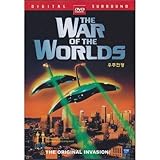
OLD Film The War of The Worlds (1953) DVD | $18.95 | Buy on Amazon |
Perhaps most powerfully, naval war cinema captures the psychology of command and isolation. Captains and officers often make irreversible decisions with incomplete information, cut off from immediate reinforcement or retreat. This combination of moral weight, historical consequence, and immersive spectacle is why the greatest naval war films resonate far beyond their battle scenes, earning a lasting place in the war movie canon.
Ranking Criteria: How Historical Accuracy, Craft, and Emotional Impact Were Weighed
To rank the greatest naval war movies of all time, this list balances scholarship with cinematic experience. These films are not documentaries, but the best of them respect history while using the tools of cinema to immerse audiences in the reality of naval combat. Authenticity, craftsmanship, and emotional resonance were weighed together, not in isolation, to reflect how these movies endure both as historical representations and as works of art.
The Tool Desk
Outbyte Driver Updater FREEFix the driver behind crashes, sound loss and screen glitchesFind Drivers →Outbyte PC Repair FREEClear out junk files and repair common Windows errorsFree Scan →#1 Best Overall
Historical Accuracy and Operational Authenticity
Historical accuracy was a foundational consideration, particularly in how films depict naval tactics, ship operations, and command structures. Movies that respect period-accurate technology, terminology, and procedure naturally feel more convincing, especially to viewers familiar with military history. Films that consulted naval advisors or based their narratives closely on real engagements tended to rise higher in the rankings.
That said, absolute fidelity was not required to earn a top spot. Some films compress timelines or fictionalize characters, but still convey the strategic realities and moral dilemmas sailors actually faced. When dramatic license enhanced understanding rather than distorting it, those choices were weighed favorably.
Filmmaking Craft and Technical Execution
Naval war films live or die by their sense of immersion, making craft a major ranking factor. Direction, editing, sound design, and cinematography were all evaluated for how effectively they convey scale, tension, and spatial awareness at sea. The best films make audiences feel the claustrophobia of a submarine, the vulnerability of a destroyer, or the overwhelming power of a carrier group.
Special effects were judged in context of their era. Practical effects, miniatures, and modern CGI were all valued when used in service of realism rather than spectacle for its own sake. A film’s ability to clearly communicate complex naval engagements without confusion was a key mark of excellence.
Performances and the Burden of Command
Because naval warfare often centers on leadership decisions made in isolation, performances carried significant weight. Captains, officers, and crew members must feel like professionals shaped by training and responsibility, not generic action heroes. Films that portray command as a psychological burden, rather than a power fantasy, stood out immediately.
Ensemble chemistry also mattered. Naval films thrive on the sense that every role, from sonar operator to executive officer, is essential. When a movie captures that interdependence through strong supporting performances, it deepens both realism and emotional investment.
Emotional Impact and Lasting Resonance
Finally, emotional impact was the deciding factor when films were otherwise evenly matched. The greatest naval war movies linger long after the final shot, not because of explosions, but because of the human cost they reveal. Themes of duty, sacrifice, fear, and moral ambiguity elevate these stories beyond technical showcases.
Legacy also played a role. Films that influenced later war cinema, reshaped public understanding of naval history, or remain reference points for authenticity earned higher placement. Enduring relevance, both culturally and cinematically, separates the merely impressive from the truly essential.
Do these 3 things before closing this tab:
1Repair Windows errors before they cause bigger problems2Fix the driver behind crashes, sound loss and screen glitches3Clear out junk files and repair common Windows errorsHonorable Mentions: Essential Naval War Films That Just Missed the Top Tier
Not every great naval war film can occupy the highest ranks, even when its craft, performances, and historical grounding are formidable. The following titles narrowly missed top-tier placement, often due to scope limitations, uneven execution, or competition from films that pushed the genre slightly further. Still, each remains essential viewing for anyone serious about naval warfare on screen.
The Enemy Below (1957)
Dick Powell’s Cold War classic remains one of the purest cinematic expressions of submarine warfare as a battle of minds. Robert Mitchum and Curd Jürgens turn a destroyer-versus-U-boat pursuit into a chess match defined by restraint, professionalism, and mutual respect. While its technical elements reflect its era, the film’s clarity of tactics and emphasis on command psychology remain exemplary.
Run Silent, Run Deep (1958)
Anchored by the commanding presence of Clark Gable and Burt Lancaster, this submarine drama explores obsession and leadership under pressure. The film excels at portraying the tension between mission objectives and personal vendetta, a recurring theme in naval command narratives. Its studio-bound visuals slightly limit immersion, but the moral conflict at its center gives it lasting power.
The Bedford Incident (1965)
One of the most intellectually unsettling naval films ever made, this Cold War thriller examines escalation and paranoia aboard a U.S. destroyer tracking a Soviet submarine. Sidney Poitier’s outsider perspective contrasts sharply with George C. Scott’s increasingly rigid captain, creating a chilling study of authority unchecked by doubt. Its bleak ending remains one of the genre’s most daring statements.
Rank #2
- Factory sealed DVD
In Which We Serve (1942)
Part patriotic rally, part elegy, Noël Coward and David Lean’s wartime production offers a uniquely British perspective on naval sacrifice. Inspired by the sinking of HMS Kelly, the film balances operational detail with deeply human storytelling. Its emotional sincerity and historical immediacy elevate it beyond propaganda, even if its technical limitations keep it from the very top ranks.
Midway (2019)
Roland Emmerich’s digitally driven recreation of the pivotal Pacific battle is more ambitious than refined, but its commitment to historical events deserves recognition. The film admirably attempts to follow multiple command levels, from pilots to admirals, while depicting carrier warfare with rare modern scale. Its uneven performances and reliance on CGI prevent true greatness, yet it remains one of the few contemporary films to tackle naval aviation head-on.
Hell and High Water (1954)
Less remembered than many of its contemporaries, this Cold War submarine film blends espionage with naval procedure under the direction of Samuel Fuller. Robert Mitchum brings a weary professionalism to a mission defined by moral ambiguity and geopolitical tension. Its smaller scale and pulpy edges keep it from higher placement, but its atmosphere and thematic seriousness reward rediscovery.
The Definitive Ranking: The Greatest Naval War Movies of All Time (From #10 to #1)
#10 Hell and High Water (1954)
Samuel Fuller’s Cold War submarine thriller earns its place through atmosphere and attitude rather than scale. Robert Mitchum’s weary command presence anchors a mission steeped in espionage, nuclear anxiety, and moral uncertainty. While its pulpy edges and modest production values limit immersion, the film’s procedural detail and fatalistic tone reflect the era’s growing unease beneath the waves.
Free tools Windows power users keep installed
One-click scans. No signup required.
#9 Midway (2019)
Roland Emmerich’s digital-heavy retelling of the Pacific War’s turning point is flawed but significant. Few modern films attempt to dramatize carrier warfare with such breadth, tracking strategy, aviation, and intelligence across multiple fronts. Its reliance on CGI and uneven characterization hold it back, yet its respect for historical chronology and operational complexity make it a valuable, if imperfect, entry.
#8 In Which We Serve (1942)
Noël Coward and David Lean’s wartime collaboration remains one of the most heartfelt naval films ever produced. Drawing from real events surrounding HMS Kelly, it balances stoic professionalism with intimate human loss. Its patriotic purpose is unmistakable, but the emotional authenticity and lived-in sense of duty give it enduring weight.
#7 The Bedford Incident (1965)
This Cold War chamber piece transforms a destroyer into a pressure cooker of ideology and authority. George C. Scott’s rigid captain embodies escalation without introspection, while Sidney Poitier’s observer role exposes the danger of unquestioned command. Its stark, uncompromising ending remains one of naval cinema’s most unsettling warnings.
#6 Greyhound (2020)
Lean, procedural, and relentlessly focused, this World War II escort mission thriller captures the grind of Atlantic convoy warfare with rare clarity. Tom Hanks portrays command as isolation and exhaustion rather than heroics, grounding the film in operational realism. Its tight runtime and technical precision make it one of the most authentic modern depictions of naval combat.
#5 The Enemy Below (1957)
A masterclass in duel-driven storytelling, this cat-and-mouse encounter between an American destroyer and a German U-boat elevates both sides through mutual respect. Robert Mitchum and Curd Jürgens turn tactical engagement into philosophical conflict, emphasizing professionalism over propaganda. The film’s balance of tension, humanity, and naval procedure remains exemplary.
#4 Tora! Tora! Tora! (1970)
This meticulous reconstruction of Pearl Harbor stands apart for its commitment to perspective and accuracy. By presenting American and Japanese command failures with equal scrutiny, it avoids simplistic blame or triumphalism. Its large-scale practical effects and documentary discipline make it one of the most historically responsible war epics ever filmed.
#3 The Hunt for Red October (1990)
Few films capture Cold War naval chess with such confidence and accessibility. Sean Connery’s charismatic defection drama blends submarine procedure with geopolitical suspense, making sonar rooms as gripping as any battlefield. While streamlined for mainstream appeal, its respect for naval tactics and command psychology remains impressive.
#2 Master and Commander: The Far Side of the World (2003)
Peter Weir’s age-of-sail epic is naval cinema at its most immersive. Every creaking timber, snapped sail, and tactical decision feels rooted in lived maritime reality. Russell Crowe’s commanding yet contemplative captain anchors a film that understands leadership as responsibility, science, and sacrifice in equal measure.
Rank #3
- A wonderful gift for someone who enjoys the action, comraderie and history of World War II movies, this collection includes 15 movies on 2 DVDs
- Starring some of Hollywood's greatest actors, including Robert Mitchum, Randolph Scott, Lee Van Cleef and Jim Brown, the movies include classics like Gung Ho, The Dawn Express, Normandy Invasion, Pacific Inferno and more
- Plastic
- 5 1/2"L x 5"H| 2-DVD Set
#1 Das Boot (1981)
No naval war film has matched the suffocating realism and moral complexity of Wolfgang Petersen’s submarine epic. Trapping the audience inside a German U-boat, the film strips war of ideology and replaces it with exhaustion, fear, and mechanical dread. Its technical precision, human focus, and unrelenting tension secure its place as the definitive naval war movie.
Historical Authenticity vs. Cinematic Drama: Where the Best Films Draw the Line
Naval warfare poses a unique challenge for filmmakers because the most decisive moments often unfold in confined spaces, governed by protocol, patience, and invisible threats. The greatest naval war films understand that authenticity is not about reproducing history verbatim, but about capturing the psychological and procedural truth of life at sea. When done right, realism becomes the engine of drama rather than an obstacle to it.
Accuracy as Atmosphere, Not Pedantry
Films like Das Boot and Master and Commander succeed because their historical rigor is experiential. The audience feels the claustrophobia of submerged steel, the exhaustion of endless watches, and the tension of waiting for sonar contact. These films trust naval routine, chain of command, and technical detail to generate suspense without sensationalism.
That commitment allows small moments to carry enormous weight, whether it’s a whispered order in a submarine control room or a delayed cannon broadside dictated by wind and tide. Authenticity becomes immersive rather than instructional, pulling viewers into a lived-in world rather than lecturing them about it.
Quick wins for a faster PC:
Fix the driver behind crashes, sound loss and screen glitchesFind Drivers →Repair Windows errors before they cause bigger problemsFix Now →Scan for outdated or missing drivers - takes under a minuteDriver Scan →Strategic Simplification for Narrative Clarity
Even the most respected naval films make calculated compromises. The Hunt for Red October simplifies sonar tactics and streamlines Cold War politics to maintain narrative momentum, but it preserves the logic of command decisions and submarine psychology. The result is a film that feels truthful even when compressing complex realities for accessibility.
Tora! Tora! Tora! takes the opposite approach, prioritizing procedural accuracy and multi-perspective context over conventional character arcs. Its drama emerges from systemic failure and miscommunication, proving that fidelity to historical process can be just as compelling as personal heroics when handled with discipline.
Human Drama Over Hardware Fetishism
The Enemy Below demonstrates how authenticity serves character rather than spectacle. While the film adheres closely to World War II destroyer-versus-submarine tactics, its lasting impact comes from mutual professional respect between adversaries. The technology matters, but only insofar as it reveals character under pressure.
This is where lesser naval war films often falter, mistaking technical jargon or explosive action for realism. The best entries understand that ships and submarines are extensions of their crews, and that historical truth lives in how people think, adapt, and endure within rigid systems.
What’s actually slowing this PC down?
Pick the symptom - the matching free tool is one click away.
Why the Line Matters
When naval war films lean too heavily into invention, they risk reducing warfare to generic action that could take place anywhere. When they cling too rigidly to fact without narrative purpose, they risk emotional detachment. The finest films on this list draw the line where history informs drama, allowing cinematic storytelling to illuminate the human cost, command responsibility, and moral ambiguity that define naval warfare.
In doing so, they offer more than spectacle or education alone. They create enduring works that respect history while fully embracing the power of cinema.
Iconic Performances and Command Decisions That Define Naval War Cinema
Naval war films live and die by who holds command. Unlike infantry-centric war stories, these films concentrate power into a handful of officers whose decisions ripple across steel corridors and open seas. The most enduring entries on this list are defined not by scale or firepower, but by performances that make leadership feel isolating, consequential, and morally fraught.
The Weight of Command at Sea
Few performances capture the psychological burden of naval command as completely as Jürgen Prochnow in Das Boot. His U-boat captain is neither ideologue nor monster, but a professional trapped in an unwinnable system, forced to balance survival against duty. Every decision feels provisional, made with incomplete information and the knowledge that error means annihilation.
Crashes, No Sound, or Screen Glitches?
Random freezes, missing sound and display glitches usually trace back to one bad driver. Find and replace yours safely.Free scan · under a minuteWindows Errors? Fix Them Before They Spread
Repair common Windows errors and clear accumulated junk for a smoother, more stable PC - no reinstall needed.Free scan · no reinstallRussell Crowe’s Jack Aubrey in Master and Commander: The Far Side of the World presents a different strain of leadership. Aubrey is decisive and charismatic, yet constantly negotiating the cost of obsession, particularly when pursuit of the enemy begins to eclipse responsibility to his crew. The film’s power lies in how it frames command as a series of trade-offs rather than a path to glory.
Authority, Obsession, and Ethical Fault Lines
Naval cinema is uniquely equipped to explore authoritarian tension, and no film does this more explosively than Crimson Tide. Gene Hackman’s rigid, protocol-driven submarine commander clashes with Denzel Washington’s morally cautious executive officer, turning nuclear procedure into existential drama. The film exaggerates for intensity, but its central conflict reflects real Cold War anxieties about chain of command and fallibility.
The Caine Mutiny approaches similar themes from a courtroom perspective, anchored by Humphrey Bogart’s unsettling portrayal of Captain Queeg. His performance blurs the line between incompetence and psychological collapse, forcing audiences to question when loyalty becomes complicity. It remains one of naval cinema’s sharpest examinations of authority unraveling under pressure.
Quiet Professionalism and Tactical Intelligence
Some of the most respected naval performances are defined by restraint rather than confrontation. Tom Hanks’ Commander Ernest Krause in Greyhound spends nearly the entire film thinking out loud, translating tactical calculations into human tension. His quiet, procedural performance emphasizes how naval warfare often unfolds as a battle of endurance and incremental judgment.
Recommended Free Tools
Similarly, Alec Baldwin’s Jack Ryan in The Hunt for Red October is memorable precisely because he lacks traditional command authority. His strength lies in analytical confidence and moral clarity, demonstrating that decisive influence in naval warfare does not always come from the captain’s chair. The film treats intelligence and interpretation as forms of command in their own right.
Decisions That Shape History, Not Just Plot
In Tora! Tora! Tora!, command decisions are presented without melodrama, allowing historical consequence to speak for itself. Japanese and American officers operate within rigid hierarchies, their errors emerging from doctrine, miscommunication, and institutional inertia rather than villainy. The result is a sobering reminder that naval disasters are often procedural before they are personal.
Run Silent, Run Deep and Sink the Bismarck! similarly elevate strategic thinking over individual heroics. Their commanders are defined by patience, pattern recognition, and the willingness to accept delayed gratification in pursuit of mission success. These films understand that naval warfare rewards discipline and foresight more often than bravado.
Across the greatest naval war movies, iconic performances are inseparable from command decisions. They transform tactical choices into moral and psychological crossroads, reminding viewers that at sea, leadership is not just about issuing orders, but about living with their consequences.
Recommended Free Tools
Technical Mastery at Sea: Sound Design, Practical Effects, and Battle Choreography
If command decisions give naval war films their intellectual backbone, technical execution is what immerses audiences inside steel hulls and open water. The best entries in the genre understand that naval combat is felt as much as it is seen, conveyed through soundscapes, spatial tension, and the physical reality of ships under strain. Precision in craft becomes inseparable from authenticity, turning operational detail into cinematic suspense.
The Sound of Pressure and Isolation
Few war films use sound as aggressively and intelligently as Das Boot. Creaking bulkheads, sonar pings, and the suffocating hum of engines transform the submarine into a living organism, constantly threatening to collapse. The absence of music during key moments heightens the sense of isolation, reminding viewers that underwater warfare is often a contest of nerves rather than firepower.
The Hunt for Red October refines this approach with sonic clarity and thematic purpose. Sonar tones, propulsion noise, and sudden silences are choreographed like musical cues, guiding the audience through invisible battles of detection and deception. Sound becomes a narrative language, translating abstract underwater positioning into palpable tension.
Practical Effects and the Weight of Steel
Master and Commander: The Far Side of the World remains a benchmark for practical naval filmmaking. Real ships, full-scale decks, and physical cannon fire give every engagement tangible weight, grounding spectacle in historical reality. The camera lingers on splintered wood, torn rigging, and wounded sailors, reinforcing that naval warfare is as destructive as it is strategic.
Do these 3 things before closing this tab:
1Repair Windows errors before they cause bigger problems2Fix the driver behind crashes, sound loss and screen glitches3Clear out junk files and repair common Windows errorsBest Value
- ★ Format: DVD
- ★ Region ALL, World Wide, it can be played at any DVD player
- ★ Language: English
- ★ Subtitles: Korean, None (you can choose one or turn off subtitle)
- ★ MADE in KOREA
Earlier classics like Sink the Bismarck! and Tora! Tora! Tora! rely on model work and controlled effects, yet their craftsmanship remains remarkably effective. These films prioritize spatial clarity and mechanical logic, ensuring audiences always understand where ships are, what they are doing, and why it matters. Their restraint avoids visual clutter, allowing tactics to drive the spectacle.
Choreographing Chaos with Clarity
Naval battle choreography succeeds when chaos is shaped into readable action. Greyhound excels by structuring engagements around repeated attack patterns, subtle variations, and escalating fatigue. The film’s editing mirrors the mental workload of command, where split-second adjustments accumulate into life-or-death outcomes.
In contrast, Midway showcases the risks of overreliance on digital spectacle. While expansive CGI allows for scale, the most effective moments still echo older techniques, focusing on pilot perspective, deck-level confusion, and the brutal timing of launch and recovery operations. The genre consistently proves that clarity of movement and cause-and-effect matter more than visual excess.
Across the greatest naval war movies, technical mastery is never ornamental. Sound design, practical effects, and choreography work in concert to translate doctrine, physics, and fear into cinematic language. When executed at the highest level, these elements do not merely recreate naval warfare, they make audiences feel its relentless pressure, one calculated maneuver at a time.
Crashes, No Sound, or Screen Glitches?
Random freezes, missing sound and display glitches usually trace back to one bad driver. Find and replace yours safely.Free scan · under a minutePC Slower Than It Used to Be?
A free scan shows the junk files, broken settings and background clutter dragging Windows down - then fixes them in one click.Free scan · Windows 10 & 11Legacy and Influence: How These Films Shaped the Genre and Modern War Storytelling
The greatest naval war movies endure not simply because of their spectacle, but because they established a cinematic grammar that continues to shape how warfare at sea is portrayed. These films defined how tension unfolds across vast distances, how command decisions become drama, and how the ocean itself functions as both setting and antagonist. In doing so, they carved out a distinct identity within war cinema, one built on patience, precision, and psychological strain.
Redefining Heroism Through Command and Restraint
Unlike infantry or aerial war films, naval cinema often places heroism behind desks, radar screens, and binoculars. Movies like The Hunt for Red October and Greyhound reframed courage as discipline under pressure, emphasizing decision-making over physical bravado. This approach influenced modern war storytelling by validating leadership, restraint, and procedural competence as compelling cinematic virtues.
Earlier classics such as In Which We Serve and Sink the Bismarck! reinforced this ethos decades earlier, presenting officers and crews as components of a larger machine. Their influence can be seen in contemporary military dramas that prioritize chain-of-command realism and collective responsibility over individual mythmaking. Naval war films taught the genre that quiet authority can be as gripping as battlefield spectacle.
Historical Authenticity as Narrative Authority
One of the genre’s most lasting contributions is its insistence on historical and technical authenticity. Films like Tora! Tora! Tora! and Master and Commander demonstrated that accuracy enhances drama rather than limiting it. Audiences respond to specificity, whether it is the physics of naval artillery, the limitations of sonar, or the brutal logistics of life at sea.
Free tools Windows power users keep installed
One-click scans. No signup required.
This commitment reshaped expectations across war cinema, influencing everything from submarine thrillers to modern epics that strive for procedural credibility. Naval films showed that when filmmakers respect the details, the story gains weight and trust. Authenticity becomes a form of narrative authority, grounding emotional stakes in real-world consequence.
The Ocean as a Psychological Battlefield
Perhaps the genre’s most profound influence lies in how it reimagines the battlefield itself. The sea is vast, isolating, and indifferent, and naval war films leverage this to explore endurance, paranoia, and existential tension. Das Boot set the template by turning confinement and waiting into weapons, a legacy echoed in later films that emphasize unseen threats and prolonged suspense.
This approach has filtered into modern war storytelling beyond naval settings, inspiring slower, more atmospheric narratives that prioritize anticipation over constant action. The genre proved that warfare is often defined by what cannot be seen, and that fear thrives in silence as much as in explosions.
A Blueprint for Modern Military Cinema
Collectively, these films established a blueprint that continues to inform contemporary war narratives. Clear geography, disciplined pacing, and respect for military process remain hallmarks of the genre’s best entries. Even as technology evolves, the foundational lessons of naval war cinema remain unchanged: clarity creates tension, accuracy builds immersion, and restraint amplifies impact.
The Tool Desk
Outbyte Driver Updater FREEFix the driver behind crashes, sound loss and screen glitchesFind Drivers →Outbyte PC Repair FREERepair Windows errors before they cause bigger problemsFix Now →As a ranked canon, the best naval war movies offer more than entertainment. They provide a lens through which audiences can understand the realities of maritime conflict and the cinematic craft required to portray it honestly. Their legacy endures not only in how naval battles are filmed, but in how modern war stories are told, measured, and remembered.
Quick Recap
Product prices and availability are accurate as of the date/time indicated and are subject to change. Any price and availability information displayed on Amazon at the time of purchase will apply.