The Tool Desk
Outbyte PC Repair FREERepair Windows errors before they cause bigger problemsFix Now →Outbyte Driver Updater FREEFix the driver behind crashes, sound loss and screen glitchesFind Drivers →Netflix didn’t just stumble into becoming the modern capital of adult animation; it engineered it. As traditional networks clung to safe time slots and toy-friendly demographics, Netflix bet early on animation as a prestige storytelling medium, not a genre. The result was a slate that treated animated series with the same creative freedom as its buzziest live-action originals, giving artists room to be funny, brutal, philosophical, and deeply personal.
Part of Netflix’s advantage came from removing the usual constraints. No broadcast standards, no rigid episode counts, no pressure to appeal to everyone at once. That freedom allowed shows like BoJack Horseman to dissect depression and celebrity culture, Arcane to redefine what serialized animated drama could look like, and Love, Death & Robots to function as a global animation lab for experimental storytelling. Adult animation thrived because Netflix trusted audiences to follow challenging material wherever it went.
| # | Preview | Product | Price | |
|---|---|---|---|---|
| 1 |

|
Daria: The Complete Animated Series | $16.95 | Buy on Amazon |
| 2 |

|
Batman: The Complete Animated Series (DVD) | $27.99 | Buy on Amazon |
| 3 |
|
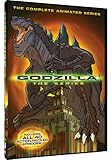
GODZILLA: THE COMPLETE ANIMATED SERIES DVD DVD | $8.29 | Buy on Amazon |
| 4 |

|
Todd McFarlane's Spawn: The Animated Collection -Signature Edition | $9.96 | Buy on Amazon |
When we say “adult,” we’re not just talking about profanity or shock value. These series tackle mature themes like identity, trauma, power, politics, sexuality, and existential dread, often with more nuance than their live-action counterparts. Some are laugh-out-loud comedies, others are bleak sci‑fi operas or emotionally devastating character studies, but all of them assume the viewer is ready for complexity. This is animation made for adults who want to feel something, think about it afterward, and immediately queue up the next episode.
How We Ranked Them: Storytelling Ambition, Animation Craft, and Cultural Impact
Ranking adult animated series isn’t about counting jokes per minute or how shocking a show can get. Netflix’s best animated originals succeed because they treat animation as a serious storytelling medium, capable of long-form emotional arcs, visual innovation, and real-world resonance. Our rankings prioritize series that fully exploit what animation can do that live action often can’t.
#1 Best Overall
- Featurette pilot: Sealed With a Kick
- Music video: Mystik Spiral music video "Freakin' Friends"
- Featurette: Daria Day Intros
- Featurette: Top Ten Video Countdown Hosted by Daria & Jane
- Interview: Cast & crew interviews
To keep the list focused and useful, we only considered adult-oriented animated series currently available on Netflix in the U.S. That means no nostalgia picks that vanished years ago and no half-finished experiments without a clear creative identity.
Storytelling Ambition
At the top of our criteria was narrative ambition. We looked for shows that take risks with structure, tone, and theme, whether that’s BoJack Horseman’s slow-burn exploration of self-destruction, Arcane’s operatic political tragedy, or Love, Death & Robots’ anthology-style swings across genres and philosophies.
Serialized storytelling earned extra weight when it paid off over multiple seasons, but bold one-season statements counted too. We valued shows that trusted viewers to sit with discomfort, ambiguity, and emotional complexity rather than spoon-feeding resolutions.
Animation Craft and Visual Identity
Not all animation is created equal, and style matters as much as budget. We evaluated how intentionally each show uses its visual language, from painterly 2D designs to hyper-detailed CGI worlds and experimental hybrids that push the medium forward.
A strong ranking required more than just looking good. The animation had to enhance the storytelling, whether through expressive character acting, inventive world-building, or visual metaphors that only animation can pull off. Shows that felt visually interchangeable or creatively conservative landed lower.
Cultural Impact and Staying Power
Finally, we considered how much each series resonated beyond its release window. Did it spark conversation, influence other creators, or shift expectations for what adult animation on streaming could be? Some shows became reference points for the genre, while others quietly built cult followings that grew louder over time.
We also factored in relevance. A show’s themes needed to feel urgent or timeless, not locked to a moment Netflix has already moved past. The highest-ranked series are the ones people still recommend, debate, meme, and rewatch, because they left a mark that didn’t fade when the autoplay countdown hit zero.
The Crown Jewels (Top 3): Prestige Animation That Redefined the Medium
These are the series that didn’t just succeed on Netflix, they reset expectations for what adult animation could be on a global streaming platform. Each one proved that animated storytelling could carry the same emotional weight, artistic ambition, and cultural relevance as prestige live-action drama. If the rest of the list is essential viewing, these three are non-negotiable.
What’s actually slowing this PC down?
Pick the symptom - the matching free tool is one click away.
BoJack Horseman
Few shows have weaponized animation quite like BoJack Horseman, using its Hollywood satire as a Trojan horse for one of the most unflinching portrayals of depression, addiction, and self-sabotage ever put on television. What begins as a cynical comedy about a washed-up sitcom star slowly reveals itself as a long-form character study with devastating emotional payoff.
The writing thrives on discomfort, trusting the audience to sit through silence, regret, and unresolved trauma rather than offering easy catharsis. Episodes like “Fish Out of Water” and “Free Churro” are now canonized as proof that animation can be formally experimental and emotionally brutal without losing its accessibility.
Culturally, BoJack became a reference point for an entire generation of adult animation, influencing tone, structure, and thematic ambition across the medium. It’s still the show most people cite when defending animation as serious art, and for good reason.
Arcane
Arcane arrived with the confidence of a prestige drama and the visual audacity of a feature film, instantly erasing the assumption that video game adaptations are creatively doomed. Its story of class warfare, political manipulation, and personal tragedy is told with operatic intensity, grounding its fantasy world in painfully human choices.
Windows Errors? Fix Them Before They Spread
Repair common Windows errors and clear accumulated junk for a smoother, more stable PC - no reinstall needed.Free scan · no reinstallOutdated Drivers Are Slowing You Down
One free scan finds every outdated or missing driver and matches the right update for your exact hardware.Free scan · exact hardware matchThe animation is a hybrid of painterly textures and kinetic action that feels handcrafted in every frame. Character expressions do as much storytelling as dialogue, allowing emotional beats to land with a subtlety rarely seen in serialized animation.
Rank #2
Beyond its technical brilliance, Arcane shifted industry expectations. It proved that animated series could compete directly with the biggest live-action dramas in awards conversations, fan discourse, and rewatch value. Netflix didn’t just get a hit; it got a landmark.
Love, Death & Robots
Where BoJack and Arcane excel through long-form storytelling, Love, Death & Robots thrives on pure creative volatility. This anthology series treats animation as a sandbox, jumping between genres, art styles, and philosophical questions with fearless abandon.
Some episodes are bleak sci-fi morality plays, others are dark comedies or visceral action shorts, but the best entries linger long after their runtime ends. The show’s willingness to experiment means not every segment lands equally, yet its highs rival the most ambitious short films in modern animation.
Free tools Windows power users keep installed
One-click scans. No signup required.
Its impact lies in permission. Love, Death & Robots reminded audiences and creators alike that animation doesn’t need a single tone, look, or narrative formula to matter. It exists as proof that the medium is limitless when studios are willing to let artists swing big and strange.
Bold, Brutal, and Brilliant (Ranked #4–#6): Shows That Push Genre and Taste Boundaries
After prestige landmarks like Arcane and Love, Death & Robots, Netflix’s adult animation bench gets darker, stranger, and more confrontational. These next entries don’t just tell mature stories; they actively test audience comfort, bending genre rules and aesthetic norms in ways that feel daring even by adult animation standards. Ranked slightly lower only because of their narrower appeal, they remain essential viewing for anyone craving animation that refuses to play it safe.
#6 Big Mouth
Big Mouth is often dismissed as crass shock comedy, but that reputation undersells its cultural boldness. Few animated series have tackled puberty, sexual confusion, shame, and mental health with such unapologetic specificity, turning the awkward misery of adolescence into something both grotesque and strangely empathetic.
The show’s deliberately ugly character designs are part of the point, stripping away nostalgia to confront growing up as a confusing, hormone-driven nightmare. While its humor can be polarizing, Big Mouth deserves credit for normalizing conversations around sexuality and emotional development in a way no mainstream animated comedy had attempted before.
Recommended Free Tools
Its influence is visible across Netflix’s adult slate, proving that animated comedy can be vulgar, vulnerable, and socially useful all at once.
#5 Cyberpunk: Edgerunners
Cyberpunk: Edgerunners arrives loud, fast, and emotionally devastating, turning the neon excess of Night City into a brutal coming-of-age tragedy. Produced by Studio Trigger, the series embraces heightened animation, exaggerated movement, and explosive action to reflect a world where identity and sanity are constantly under assault.
At its core, Edgerunners is about survival in a system designed to chew people up. Its characters burn brightly and briefly, making every emotional attachment feel dangerous and fleeting, which gives the series its relentless momentum and gut-punch ending.
The show succeeded where many adaptations fail by understanding tone over lore. Even viewers unfamiliar with the Cyberpunk universe found themselves pulled into a story that feels urgent, stylish, and ruthlessly honest about the cost of ambition.
#4 Devilman Crybaby
Devilman Crybaby is not an easy watch, and that’s exactly why it matters. Director Masaaki Yuasa transforms Go Nagai’s classic manga into a psychedelic, emotionally raw meditation on love, violence, and humanity’s capacity for self-destruction.
Its animation style is loose, abstract, and frequently unsettling, prioritizing emotional truth over visual polish. Sex, religion, paranoia, and apocalypse collide in a narrative that grows increasingly nihilistic, daring viewers to sit with discomfort rather than seek catharsis.
Rank #3
Crybaby’s legacy is its refusal to soften its message. It stands as one of Netflix’s most uncompromising animated originals, proving the platform was willing, at least once, to let an artist deliver something genuinely disturbing, poetic, and unforgettable.
Dark Comedy, Satire, and Chaos (Ranked #7–#9): Laughs with a Sharp Edge
After the emotional devastation and artistic extremity of Devilman Crybaby, the list pivots into animation that weaponizes humor. These series thrive on discomfort, cynicism, and escalation, using comedy as a delivery system for social commentary, workplace despair, and unapologetic chaos. They may be louder and messier, but each earns its place by pushing adult animation toward sharper, riskier territory.
#9 Paradise PD
Paradise PD is aggressively stupid on purpose, a show that dares viewers to tap out before it does. From its first episode, the series embraces shock humor, grotesque sight gags, and a nihilistic view of authority that makes even other animated cop comedies feel restrained.
What keeps Paradise PD from collapsing under its own excess is its total commitment to anarchy. It satirizes police culture, masculinity, and institutional incompetence with zero interest in subtlety, often crossing lines simply to see what happens next.
It’s not for everyone, and it doesn’t try to be. Paradise PD exists as a stress test for Netflix’s adult animation limits, appealing to viewers who want comedy that’s loud, offensive, and proudly unconcerned with likability.
#8 F Is for Family
F Is for Family trades shock for slow-burning rage, using the Murphy household to dissect generational trauma, masculinity, and middle-class frustration in 1970s America. Bill Burr’s semi-autobiographical series is crude on the surface but surprisingly introspective underneath.
Quick wins for a faster PC:
Fix the driver behind crashes, sound loss and screen glitchesFind Drivers →Repair Windows errors before they cause bigger problemsFix Now →The show’s power comes from its refusal to romanticize the past. Parenting is messy, marriage is resentful, and economic anxiety hangs over every episode, making its humor feel grounded rather than cartoonish.
As the seasons progress, F Is for Family evolves into something quietly devastating. It becomes less about yelling and more about the cost of emotional repression, proving that adult animation can explore social history with both bite and bruised empathy.
#7 Inside Job
Inside Job feels engineered for the post-truth era, blending workplace comedy with conspiracy culture and millennial burnout. Set inside a shadow government that actually controls the world, the series turns internet paranoia into rapid-fire satire.
What elevates Inside Job is its character work, particularly Reagan Ridley, a hyper-competent scientist slowly unraveling under corporate absurdity and inherited trauma. Her exhaustion mirrors a generation raised on ambition and rewarded with instability.
Do these 3 things before closing this tab:
1Scan for outdated or missing drivers - takes under a minute2Clear out junk files and repair common Windows errors3Fix the driver behind crashes, sound loss and screen glitchesThe show balances dense joke writing with real emotional stakes, often sneaking in commentary about power, capitalism, and trust between dick jokes and alien invasions. Its cancellation only sharpened its cult appeal, cementing Inside Job as one of Netflix’s smartest and most frustratingly short-lived animated comedies.
Independent reader supportYour contribution helps us test, update, and keep practical guides available for everyone.Honorable Mentions and Netflix Imports: Anime, Anthologies, and Hybrid Experiments
Not every standout fits neatly into the Western adult sitcom mold. Netflix’s animation bench is deep with imports, experimental formats, and genre-blenders that push adult animation in stranger, often riskier directions. These series may not dominate the algorithm, but they’re essential viewing for anyone who treats animation as a serious storytelling medium.
Love, Death & Robots
Love, Death & Robots remains Netflix’s most aggressively adult animated experiment, functioning less like a series and more like a rotating film festival. Each short stands alone, bouncing between sci-fi, horror, fantasy, and existential dread with wildly different visual styles.
Rank #4
Some episodes are thin sketches, others are miniature masterpieces, but the format encourages risk in a way ongoing series rarely can. It’s a showcase for what animation can do when freed from character arcs and brand longevity, and at its best, it rivals prestige live-action sci-fi in sheer ambition.
Arcane
Arcane shattered the lingering myth that video game adaptations couldn’t support prestige storytelling. Set in the League of Legends universe, it delivers a dense political tragedy about class warfare, technological power, and broken families, all wrapped in staggeringly detailed animation.
What makes Arcane essential adult viewing isn’t just its visuals, but its emotional seriousness. The show treats trauma, inequality, and moral compromise with gravity, proving that large-scale animated drama can command the same respect as top-tier live-action series.
Devilman Crybaby
One of Netflix’s boldest anime imports, Devilman Crybaby is confrontational, brutal, and deliberately uncomfortable. Masaaki Yuasa’s hyper-stylized adaptation uses elastic animation and surreal imagery to explore paranoia, sexuality, religion, and societal collapse.
It’s not an easy watch, nor is it meant to be. The series weaponizes animation’s flexibility to evoke emotional horror that would be impossible in live action, making it one of Netflix’s most uncompromising adult offerings.
The Tool Desk
Outbyte PC Repair FREEClear out junk files and repair common Windows errorsFree Scan →Outbyte Driver Updater FREEFix the driver behind crashes, sound loss and screen glitchesFind Drivers →Castlevania
Castlevania helped redefine what Western-produced anime-inspired animation could look like on a streaming platform. Mixing gothic horror, philosophical melancholy, and operatic violence, the series treats its fantasy world with surprising maturity.
Its dialogue-heavy approach and slow-burn character arcs won’t appeal to viewers looking for constant action, but for those craving mood, atmosphere, and morally exhausted heroes, Castlevania delivers adult fantasy with real weight.
Undone
Though often overlooked in animation conversations, Undone deserves recognition for its hybrid approach and emotional depth. Using rotoscoping to blur reality and perception, the series explores mental illness, grief, and inherited trauma through a fractured sense of time.
It’s quiet, introspective, and deeply personal, showing how adult animation doesn’t need shock or spectacle to feel mature. Undone operates in the emotional space between genres, offering something closer to indie drama than traditional animation.
Do these 3 things before closing this tab:
1Fix the driver behind crashes, sound loss and screen glitches2Repair Windows errors before they cause bigger problems3Scan for outdated or missing drivers - takes under a minuteAggretsuko
On the surface, Aggretsuko looks like a workplace comedy built around cute character design. Underneath, it’s a razor-sharp satire of corporate exploitation, emotional suppression, and modern burnout, especially for young professionals.
Its blend of kawaii aesthetics and death-metal scream therapy makes the show’s commentary more effective, not less. Aggretsuko proves that adult animation can confront real workplace despair without abandoning humor or accessibility.
Experimental Shorts and One-Season Risks
Netflix has also become a graveyard and gallery for one-season experiments that never quite found their audience. Series like The Midnight Gospel, Tear Along the Dotted Line, and Exception each explore unconventional structures, philosophical conversations, or unsettling genre mashups.
Not all of them land consistently, but their existence matters. They reflect Netflix’s willingness, however inconsistent, to bankroll adult animation that doesn’t behave like content and isn’t designed for passive viewing.
Windows Errors? Fix Them Before They Spread
Repair common Windows errors and clear accumulated junk for a smoother, more stable PC - no reinstall needed.Free scan · no reinstallCrashes, No Sound, or Screen Glitches?
Random freezes, missing sound and display glitches usually trace back to one bad driver. Find and replace yours safely.Free scan · under a minuteQuick Recap
Product prices and availability are accurate as of the date/time indicated and are subject to change. Any price and availability information displayed on Amazon at the time of purchase will apply.

