What’s actually slowing this PC down?
Pick the symptom - the matching free tool is one click away.
Just when it seemed like the zombie genre had finally staggered into exhaustion, 2026 is shaping up to be the year of the undead’s full-throated comeback. After a decade dominated by prestige television, superhero spectacle, and elevated horror that often sidestepped traditional monsters, zombies are once again clawing their way toward theatrical relevance. This time, they’re arriving with sharper teeth, bigger budgets, and filmmakers who grew up loving Romero, Boyle, and Fulci but aren’t interested in repeating the past beat for beat.
What’s fueling this resurgence is a convergence of nostalgia and reinvention. Studios are recognizing that zombie stories remain one of horror’s most flexible metaphors, capable of reflecting anxieties about pandemics, climate collapse, social fragmentation, and technological overreach without feeling preachy. At the same time, audiences are craving communal, crowd-pleasing horror experiences again, and few genres deliver that visceral, popcorn-fueled adrenaline rush like a well-executed zombie movie on a big screen.
The 2026 slate reflects that evolution in real time, with projects that range from gritty survival thrillers and international genre hybrids to franchise continuations and auteur-driven experiments. Some lean into large-scale spectacle, others focus on intimate human horror, and a few push the undead into entirely new narrative territory. Together, they signal that zombies aren’t just back; they’re mutating, adapting, and proving they still have plenty to say in modern cinema.
What Makes a Zombie Movie Worth Anticipating Now: Our Selection Criteria
Before diving into the specific titles clawing their way toward 2026 release dates, it’s worth clarifying what separates a genuinely exciting zombie project from the countless straight-to-streaming rehashes that have flooded the market in recent years. The bar is higher now, and rightly so. For this list, anticipation isn’t built on nostalgia alone, but on clear signals that a film has something new, bold, or especially well-crafted to offer.
#1 Best Overall

- HD streaming made simple: With America’s number 1 TV streaming platform,* exploring popular apps—plus tons of free movies, shows, and live TV—is as easy as it is fun. *Based on hours streamed—Hypothesis Group
- Compact without compromises: The sleek design of Roku Streaming Stick won’t block neighboring HDMI ports, and it even powers from your TV alone, plugging into the back and staying out of sight. No wall outlet, no extra cords, no clutter.
- No more juggling remotes: Power up your TV, adjust the volume, and control your Roku device with one remote. Use your voice to quickly search, play entertainment, and more.
- Shows on the go: Take your TV to-go when traveling—without needing to log into someone else’s device.
- TV, simplified: With setup that only takes minutes, a simple-to-navigate Home Screen, and an uncluttered remote control that does all you need—Roku makes it easier to watch the TV you love.
A Fresh Take on a Familiar Undead Framework
Zombie movies thrive on reinvention, and the most promising upcoming entries aren’t content to simply remix outbreak tropes or siege scenarios. Whether it’s a new ruleset for the infected, an unexpected setting, or a genre hybrid that bends expectations, originality matters. These films show an awareness of the genre’s history while actively pushing against its limitations.
Filmmakers With a Point of View
A notable throughline among 2026’s most buzzworthy zombie films is strong creative authorship. Directors and writers attached to these projects bring either proven genre credibility or a distinct cinematic voice that suggests intention rather than obligation. When a zombie movie is driven by filmmakers who have something to say, the undead tend to feel less like cannon fodder and more like narrative catalysts.
Theatrical Ambition and Scale
Not every zombie story needs to be a blockbuster, but movies worth anticipating in 2026 are designed for the big screen. That can mean large-scale set pieces, immersive world-building, or simply the confidence to let tension breathe in a packed theater. These projects feel engineered as events, not content, and that distinction matters more than ever.
Modern Themes Without Heavy-Handed Messaging
The best zombie films have always doubled as social commentary, and the upcoming wave continues that tradition with renewed subtlety. Pandemic trauma, societal breakdown, environmental collapse, and technological dependence all inform these stories, but rarely dominate them. The most exciting entries trust audiences to engage with subtext while still delivering relentless genre thrills.
Audience Momentum and Cultural Timing
Finally, anticipation is shaped by timing. With theatrical horror regaining its footing and communal viewing experiences back in demand, these zombie movies arrive at a moment when audiences are primed to embrace them. Festival buzz, casting announcements, international interest, and franchise legacies all play a role in signaling which projects are poised to break through rather than shuffle past unnoticed.
The Countdown Begins: #8 & #7 — Indie Nightmares and Risky Reinventions
The lower end of the countdown is where experimentation thrives. These entries may not carry massive budgets or ironclad franchise recognition, but they represent the genre’s restless spirit. Indie sensibilities and bold reimaginings often give zombie cinema its sharpest teeth, and 2026’s early contenders are already signaling ambition far beyond their scale.
#8 — Quiet Rot
Set almost entirely within a depopulated coastal town slowly being reclaimed by the ocean, Quiet Rot positions itself as an atmospheric endurance test rather than a splatter-fest. Early buzz points to a focus on sound design, long takes, and an unsettling rule: the infected only react to artificial noise, forcing survivors into near-monastic silence.
What makes Quiet Rot intriguing is its confidence in restraint. The film reportedly leans more toward existential dread than jump scares, using isolation and environmental decay as its primary weapons. For fans who gravitate toward films like It Comes at Night or The Night Eats the World, this could be one of 2026’s most quietly devastating zombie experiences.
Free tools Windows power users keep installed
One-click scans. No signup required.
Rank #2

- Ultra-speedy streaming: Roku Ultra is 30% faster than any other Roku player, delivering a lightning-fast interface and apps that launch in a snap.
- Cinematic streaming: This TV streaming device brings the movie theater to your living room with spectacular 4K, HDR10+, and Dolby Vision picture alongside immersive Dolby Atmos audio.
- The ultimate Roku remote: The rechargeable Roku Voice Remote Pro offers backlit buttons, hands-free voice controls, and a lost remote finder.
- No more fumbling in the dark: See what you’re pressing with backlit buttons.
- Say goodbye to batteries: Keep your remote powered for months on a single charge.
#7 — Dead Format
Dead Format takes a bigger swing, blending found-footage aesthetics with a satirical edge aimed squarely at media obsession and content culture. Framed as a failed streaming experiment gone catastrophically wrong, the film follows a group of influencers documenting a “safe” infected zone that very much isn’t.
The risky reinvention here lies in perspective. By filtering the outbreak through curated lenses, corrupted files, and algorithm-driven storytelling, Dead Format plays with how modern audiences consume horror itself. If it sticks the landing, it could become a sharp genre commentary wrapped in chaotic, visceral undead mayhem, and a reminder that zombies don’t need reinvention so much as a new way of being watched.
Fresh Blood in the Genre: #6 & #5 — International Outbreaks and Auteur Takes
As the countdown climbs, 2026’s zombie slate starts looking far more global and far more personal. These next entries reflect a genre increasingly shaped by international voices and singular creative visions, where outbreaks aren’t just apocalyptic events but cultural pressure points. The result is zombie cinema that feels both expansive and intimate, rooted in specific places and unmistakable artistic intent.
#6 — The Last Train to Busan Station
Expanding the world first electrified by Train to Busan, this standalone follow-up shifts the action to a sprawling rail hub where evacuation routes, military checkpoints, and refugee camps collide. Rather than repeating the claustrophobic train-car formula, the film reportedly uses the station as a living organism, with outbreaks rippling through platforms, tunnels, and surrounding neighborhoods in real time.
What keeps this from feeling like a retread is its emphasis on aftermath rather than ignition. The infected are still fast, feral, and terrifying, but the emotional focus rests on fractured families and moral compromise under prolonged crisis. For fans of international zombie cinema, this promises a return to one of the genre’s most emotionally grounded universes, scaled up without losing its human core.
#5 — Red Harvest
Red Harvest marks an auteur-driven left turn, blending slow-burn political horror with undead mythology in a rural Eastern European setting. Directed by an arthouse mainstay making their first foray into genre filmmaking, the film frames its outbreak as a symptom of historical trauma, land disputes, and generational guilt rather than a sudden viral accident.
Visually austere and thematically dense, Red Harvest reportedly favors long silences, unsettling tableaux, and minimal exposition. The zombies here are less relentless hordes than lingering reminders of what refuses to stay buried. It’s the kind of project that won’t be for everyone, but for viewers craving cerebral horror with teeth, it could become one of 2026’s most talked-about genre crossovers.
Studio Muscle Meets Undead Mayhem: #4 & #3 — Big Budgets, Bigger Bodies
After the intimacy and regional specificity of the previous entries, the list now pivots toward something unmistakably larger. These are the projects where studios are betting big on spectacle, marquee talent, and global box office appeal, while still trying to evolve what zombie cinema can deliver in 2026. The scale increases, the body counts rise, and the genre’s mainstream ambitions come roaring back to life.
Recommended Free Tools
Rank #3

- 4K streaming made simple:With America’s number 1 TV streaming platform,* exploring popular apps—plus tons of free movies, shows, and live TV—is as easy as it is fun. *Based on hours streamed—Hypothesis Group
- 4K picture quality: With Roku Streaming Stick Plus, watch your favorites with brilliant 4K picture and vivid HDR color.
- Compact without compromises: Our sleek design won’t block neighboring HDMI ports, and it even powers from your TV alone, plugging into the back and staying out of sight. No wall outlet, no extra cords, no clutter.
- No more juggling remotes: Power up your TV, adjust the volume, and control your Roku device with one remote. Use your voice to quickly search, play entertainment, and more.
- Shows on the go: Take your TV to-go when traveling—without needing to log into someone else’s device.
#4 — World War Z: Extinction
Paramount’s long-gestating return to the World War Z universe finally lurches into theaters with Extinction, a sequel positioned as both course correction and escalation. Unlike the globe-trotting but somewhat fragmented original, this installment reportedly centers on a coordinated, multinational response to a second-wave outbreak, with entire cities collapsing under renewed undead pressure. The emphasis this time is on systems failing all at once, from satellite networks to vaccine distribution.
What makes Extinction especially intriguing is its renewed commitment to horror after years of development limbo. Early buzz suggests a darker tone, longer siege sequences, and a stronger focus on the terrifying physics of fast-moving hordes overwhelming fortified spaces. If the studio delivers on those promises, this could be the rare big-budget zombie sequel that feels leaner, meaner, and more terrifying than its predecessor.
#3 — Dawn of the Dead: Reawakening
Few titles carry as much weight in zombie history as Dawn of the Dead, and Reawakening aims to leverage that legacy while updating it for a post-pandemic audience. Backed by a major studio and helmed by a director known for muscular genre filmmaking, this reimagining shifts the iconic mall setting into a sprawling mixed-use megacomplex blending retail, housing, and corporate offices. The result is a vertical nightmare where capitalism’s last refuge becomes a multilayered death trap.
Rather than nostalgia-driven callbacks, the film reportedly focuses on how consumer culture has evolved, using influencer spaces, automated security, and abandoned luxury zones as battlegrounds for survival. The zombies are relentless, plentiful, and brutally physical, but the real hook lies in how the setting mirrors modern excess and isolation. If Reawakening sticks the landing, it could reassert the zombie blockbuster as both crowd-pleasing spectacle and sharp social commentary, a combination the genre was built on.
Do these 3 things before closing this tab:
1Clear out junk files and repair common Windows errors2Scan for outdated or missing drivers - takes under a minute3Repair Windows errors before they cause bigger problemsThe Most Anticipated Zombie Movies of 2026: #2 & #1 — Event Films Fans Are Dying to See
#2 — 28 Years Later
Few zombie films have reshaped the genre as decisively as 28 Days Later, and the long-awaited continuation arrives with the weight of history and expectation behind it. Reuniting original creative forces and pushing the timeline forward decades, 28 Years Later explores what permanent survival looks like in a world that never truly healed. This isn’t about the outbreak anymore; it’s about the cost of enduring it.
Early details suggest a bleaker, more politically charged vision, one where fortified societies, radicalized survivors, and feral infected coexist in an uneasy standoff. The Rage Virus remains terrifying not just because of its speed, but because of how it shaped an entire generation raised in collapse. If the film delivers on its promise, it could redefine what legacy zombie sequels look like, proving the genre can mature without losing its teeth.
#1 — Resident Evil: Rebirth
At the top of the list sits a project positioned as a full-scale resurrection of one of zombie cinema’s most commercially powerful franchises. Resident Evil: Rebirth is being framed as a ground-up theatrical reboot, stripping away late-series excess in favor of tighter horror, clearer mythology, and a renewed focus on Umbrella’s bio-engineered nightmare. For fans who’ve wanted the films to lean harder into dread and less into bombast, this could be the reset the series has needed for years.
What makes Rebirth feel like a true event is its ambition to merge survival horror tension with modern blockbuster craft. Expect claustrophobic set pieces, grotesque creature design, and zombies that feel less like cannon fodder and more like relentless environmental threats. If it succeeds, Resident Evil won’t just return to theaters, it could reclaim its place as one of the defining zombie franchises of the modern era.
The Tool Desk
Outbyte PC Repair FREERepair Windows errors before they cause bigger problemsFix Now →Outbyte Driver Updater FREEScan for outdated or missing drivers - takes under a minuteDriver Scan →Rank #4
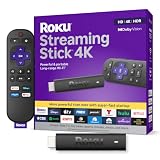
- Stunning 4K and Dolby Vision streaming made simple: With America’s number 1 TV streaming platform,* exploring popular apps—plus tons of free movies, shows, and live TV—is as easy as it is fun. *Based on hours streamed—Hypothesis Group
- Breathtaking picture quality: Stunningly sharp 4K picture brings out rich detail in your entertainment with four times the resolution of HD. Watch as colors pop off your screen and enjoy lifelike clarity with Dolby Vision and HDR10+.
- Seamless streaming for any room: With Roku Streaming Stick 4K, watch your favorite entertainment on any TV in the house, even in rooms farther from your router thanks to the long-range Wi-Fi receiver.
- Shows on the go: Take your TV to-go when traveling—without needing to log into someone else’s device.
- Compact without compromises: Our sleek design won’t block neighboring HDMI ports, so you can switch from streaming to gaming with ease. Plus, it’s designed to stay hidden behind your TV, keeping wires neatly out of sight
New Rules of the Apocalypse: How These Films Evolve Zombie Lore
What unites the most exciting zombie movies of 2026 isn’t just the undead themselves, but a shared desire to rewrite the rules of how these worlds function. After decades of outbreaks, quarantines, and last stands, filmmakers are finally asking what comes next. The result is a slate of films that treat the apocalypse not as an event, but as a permanent condition.
The End of the “Day One” Outbreak
One of the clearest shifts across 2026’s zombie lineup is the move away from patient zero storytelling. Films like 28 Years Later make it clear that the panic phase is long over, replaced by societies shaped entirely by infection. Zombies aren’t shocking anymore; they’re environmental hazards, as normalized as radiation zones or war-torn borders.
This approach allows the genre to explore generational trauma, inherited survival instincts, and cultures that never knew a pre-collapse world. It’s a more mature take on horror, where dread comes from stagnation rather than surprise.
Zombies as Ecosystems, Not Cannon Fodder
Another evolving rule is how zombies function within their worlds. Instead of endless hordes designed purely for spectacle, many 2026 releases treat the undead as part of a larger ecosystem. Whether it’s mutated strains, region-specific behavior, or infections that evolve over time, zombies are becoming unpredictable forces rather than disposable enemies.
Quick wins for a faster PC:
Fix the driver behind crashes, sound loss and screen glitchesFind Drivers →Clear out junk files and repair common Windows errorsFree Scan →Resident Evil: Rebirth exemplifies this shift by emphasizing bio-engineered monstrosities and controlled outbreaks. The undead are no longer just obstacles to mow down; they’re symptoms of human experimentation gone wrong, demanding strategy, restraint, and fear.
Humanity as the True Wild Card
Across the upcoming slate, survival horror is increasingly driven by people, not the infected. Fortified cities, authoritarian enclaves, and morally compromised survivor factions dominate these narratives. Zombies may end the world, but humans decide what replaces it.
This trend reflects a genre-wide pivot toward political and ethical horror. The scariest question isn’t how to survive the undead, but what compromises survival requires, and who gets left behind in the process.
From Hopelessness to Adaptation
Perhaps the most intriguing evolution is tonal. While earlier zombie films thrived on nihilism, many 2026 projects explore adaptation instead of extinction. These stories aren’t optimistic, but they are pragmatic, focused on how life continues under constant threat.
PC Slower Than It Used to Be?
A free scan shows the junk files, broken settings and background clutter dragging Windows down - then fixes them in one click.Free scan · Windows 10 & 11Crashes, No Sound, or Screen Glitches?
Random freezes, missing sound and display glitches usually trace back to one bad driver. Find and replace yours safely.Free scan · under a minuteBest Value

- The Google TV Streamer (4K) delivers your favorite entertainment quickly, easily, and personalized to you[1,2]
- HDMI 2.1 cable required (sold separately)
- See movies and TV shows from all your services right from your home screen[2]; and find new things to watch with tailored recommendations for everyone in your home based on their interests and viewing habits
- Watch live TV and access over 800 free channels from Pluto TV, Tubi, and more[3]; if you find an interesting show or movie on your TV, mobile app, or Google search, you can easily add it to your watchlist, so it’s ready when you are[2]
- Up to 4K HDR with Dolby Vision delivers captivating, true-to-life detail[4]; and you can connect speakers that support Dolby Atmos for more immersive 3D sound
By reframing the apocalypse as a lived-in reality, these films expand what zombie cinema can be. The undead still shamble, sprint, and mutate, but the genre itself is evolving, proving there are still fresh nightmares to unleash, even after the world has already ended.
Final Bite: What 2026’s Zombie Slate Says About the Future of Horror Cinema
Taken together, the zombie films marching into theaters in 2026 don’t feel like a genre clinging to survival. They feel like a genre confidently reinventing itself. From legacy franchises retooling their mythology to indie-driven experiments pushing tone and structure, the undead are no longer stuck in creative limbo.
The Genre Is Expanding, Not Repeating
What’s most striking about the 2026 lineup is how little it relies on familiar apocalypse beats. Whether it’s 28 Years Later reframing rage zombies through the lens of generational fallout, or smaller projects leaning into regional folklore, body horror, or slow-burn dread, these films refuse to play the hits on autopilot.
Zombies remain the hook, but the stories orbit around memory, governance, faith, science, and identity. The infection may spread the same way, but the meaning behind it keeps mutating.
Big Franchises Are Taking Bigger Risks
For longtime fans, 2026 is also shaping up to be a make-or-break year for zombie IP. Films like Resident Evil: Rebirth suggest studios are finally willing to trade pure action excess for atmosphere, consequence, and horror-forward storytelling.
Instead of endless sequels that escalate body counts, these projects aim to rebuild trust with audiences by grounding their worlds. It’s a sign that even blockbuster zombie movies understand the genre’s future depends on tension, not just spectacle.
Zombies as Mirrors of a Changed World
The current wave of zombie cinema feels inseparable from the real world that produced it. Post-pandemic anxieties, climate collapse, and social fragmentation all seep into these narratives, often without spelling themselves out.
The undead now reflect systems breaking down, not just bodies. That’s why so many 2026 releases focus on containment, control, and adaptation rather than shock-and-awe outbreaks.
A Genre That Refuses to Stay Dead
If there was ever a fear that zombie movies had exhausted their potential, 2026 looks ready to put that worry to rest. These films understand that the genre’s power isn’t in how the world ends, but in what crawls out afterward.
For horror fans, this slate offers something rare: familiarity without fatigue. The zombies are still coming, but they’re bringing smarter stories, sharper themes, and a future that proves the genre still has teeth.
Quick Recap
Product prices and availability are accurate as of the date/time indicated and are subject to change. Any price and availability information displayed on Amazon at the time of purchase will apply.