The Tool Desk
Outbyte PC Repair FREERepair Windows errors before they cause bigger problemsFix Now →Outbyte Driver Updater FREEScan for outdated or missing drivers - takes under a minuteDriver Scan →Fear in 2025 doesn’t announce itself with a jump scare. It creeps in through mood, implication, and an unnerving sense that something is fundamentally wrong with the world on screen. This year’s most frightening horror films feel less interested in shock value and more committed to psychological erosion, favoring dread that lingers long after the credits roll.
What makes 2025’s horror hits different is how confidently they blur subgenres while tapping into modern anxieties. Filmmakers are folding social horror into supernatural tales, merging intimate character studies with apocalyptic imagery, and weaponizing sound design and negative space in ways that feel punishingly effective. These movies trust the audience to sit with discomfort, often denying catharsis in favor of something colder and more unsettling.
| # | Preview | Product | Price | |
|---|---|---|---|---|
| 1 |

|
Thirteen Ghosts | $7.99 | Buy on Amazon |
| 2 |

|
Horror 20 Movie Collection | $15.96 | Buy on Amazon |
| 3 |
|
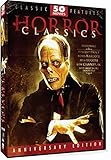
HORROR CLASSICS 50 MOVIE MEGAPACK | $15.79 | Buy on Amazon |
| 4 |
![Jaws 3-Movie Collection [DVD]](https://m.media-amazon.com/images/I/51nbLoYzBlL._SL160_.jpg)
|
Jaws 3-Movie Collection [DVD] | $5.00 | Buy on Amazon |
| 5 |

|
Ghost Ship (DVD) (WS) | $5.00 | Buy on Amazon |
In a crowded release slate shaped by streaming premieres and daring theatrical swings, only a handful of titles genuinely get under the skin. The scariest horror movies of 2025 so far stand out not just for how intensely they frighten, but for how distinct their nightmares feel, each attacking fear from a different angle. What follows is a ranking of the films that didn’t just scare audiences, but left them shaken.
#8: A Slow-Burn Nightmare That Crawls Under Your Skin
Steven Soderbergh’s Presence announces itself quietly, almost politely, before tightening its grip one nerve at a time. This is not a horror movie that lunges for your throat. It waits, watches, and lets unease ferment until every silent hallway and half-glimpsed corner feels charged with menace.
Free tools Windows power users keep installed
One-click scans. No signup required.
#1 Best Overall
- Factory sealed DVD
At first glance, the setup sounds familiar: a family moves into a new house, and something is already there. What Presence does differently is strip away nearly every comfort the genre usually provides, leaving viewers trapped inside a relentless, creeping perspective that refuses escape.
A Haunted House Seen From the Wrong Side
The film’s most unsettling choice is its point of view. Presence unfolds almost entirely from the perspective of the unseen entity itself, turning the audience into an omnipresent observer drifting through rooms, hovering behind doors, and watching private moments unfold. It’s a bold formal gamble that pays off by making even mundane domestic scenes feel invasive and wrong.
Because the camera becomes the ghost, the usual rules of haunted house horror are inverted. There are no musical stings warning you when to be afraid. Instead, fear comes from anticipation, from the unbearable tension of knowing you are watching something you shouldn’t be.
Psychological Dread Over Paranormal Fireworks
Rather than relying on overt scares, Presence leans heavily into emotional erosion. The family at its center is already fractured, and the film draws uncomfortable parallels between supernatural intrusion and the quieter horrors of grief, resentment, and emotional neglect. The house feels less like a battleground and more like a pressure cooker.
Sound design does much of the heavy lifting, weaponizing silence and faint ambient noise until every creak feels deliberate. When something finally does happen, it lands with disturbing weight precisely because the film has trained the audience to dread movement itself.
Why It Earns Its Place on the List
Presence isn’t the scariest movie of 2025 in a traditional sense, and it doesn’t aim to be. Its power lies in how thoroughly it destabilizes the viewer, creating a sustained sense of violation that lingers well after the screen goes dark. It’s horror as an act of endurance rather than spectacle.
In a year dominated by ambitious, boundary-pushing genre films, Presence stands out for its confidence and restraint. It may rank lowest on this list, but its slow-burn nightmare crawls under your skin in a way few films dare, proving that sometimes the most terrifying thing is simply being forced to watch.
#7: Brutal, Relentless, and Designed to Endure in Your Memory
Where Presence unsettles through restraint, this entry attacks from the opposite direction. This is horror as blunt-force trauma, a film that doesn’t want to merely scare you but exhaust you, daring the audience to look away while insisting that every moment of suffering matters. It’s an experience defined by cruelty, control, and a refusal to offer comfort.
Do these 3 things before closing this tab:
1Scan for outdated or missing drivers - takes under a minute2Repair Windows errors before they cause bigger problems3Fix the driver behind crashes, sound loss and screen glitchesA Franchise That Relearns How to Hurt
Saw XI proves that even a long-running series can still find new ways to feel dangerous. Instead of leaning solely on shock-value gore, the film sharpens its focus on prolonged tension, moral panic, and the slow realization that escape may be impossible. Each trap is staged not as a quick spectacle, but as a drawn-out psychological ordeal designed to grind both the characters and the audience down.
What makes the violence hit harder this time is context. The film gives its victims just enough humanity, regret, and false hope that their suffering feels uncomfortably intimate. You’re not watching anonymous bodies endure punishment; you’re watching people make impossible choices under unbearable pressure.
Relentless Pacing, No Safe Breathing Room
Unlike entries that rely on peaks and valleys, Saw XI operates at a sustained level of anxiety. Scenes bleed into one another with minimal relief, creating a sense that the film itself is a trap you’re locked inside. Even dialogue-heavy moments feel weaponized, as every conversation carries the threat of an impending decision with irreversible consequences.
The sound design amplifies this brutality. Mechanical whirs, strained breathing, and the sickening scrape of metal against flesh are mixed with surgical precision, making it impossible to fully disengage. It’s less about jump scares and more about endurance, forcing viewers to sit with discomfort longer than feels reasonable.
Rank #2
Why It Earns Its Place on the List
Saw XI isn’t trying to be elegant or subtle, and that’s precisely why it works. In a year crowded with elevated horror and slow-burn dread, this film stands out by embracing its identity as a test of nerves and stomach alike. It’s confrontational, unapologetic, and disturbingly effective at reminding audiences why the franchise once felt genuinely dangerous.
While it may not linger in the mind the same way quieter films do, the images it burns in are nearly impossible to forget. This is horror designed to leave scars, not just memories, and for viewers willing to endure its intensity, it delivers one of the most punishing experiences 2025 has offered so far.
#6: Supernatural Terror Fueled by Grief, Faith, and Dread
After the relentless cruelty of Saw XI, the list pivots toward a very different kind of fear. This entry trades physical punishment for spiritual unease, drawing its power from loss, fractured belief, and the terrifying possibility that comfort may be indistinguishable from corruption. It’s quieter, colder, and far more insidious, the kind of horror that creeps in through thought rather than shock.
At its core, the film centers on a protagonist in mourning, someone desperate enough to seek meaning in faith just as their emotional defenses are at their weakest. The supernatural elements don’t announce themselves with spectacle. They arrive gradually, embedded in rituals, whispered prayers, and small disturbances that could easily be dismissed as grief-induced hallucinations.
Grief as an Open Door to the Unholy
What makes the film so unsettling is how intimately it ties its horror to emotional vulnerability. Grief isn’t just a theme; it’s the mechanism through which the terror operates. Each supernatural escalation feels like a cruel exploitation of longing, turning hope into a liability and faith into something frighteningly pliable.
The script resists easy answers. Instead of framing belief as either salvation or delusion, it lets doubt fester, forcing viewers to question whether the characters are being tested, punished, or deliberately misled. That ambiguity is where the dread thrives, lingering long after scenes end.
Atmosphere Over Shock, Faith Over Flesh
Visually, the film leans into restrained compositions and oppressive stillness. Dim interiors, candlelit spaces, and decaying religious iconography create a suffocating sense of reverence gone wrong. When the supernatural finally asserts itself, it feels earned, not explosive, like a verdict being delivered rather than a trick being sprung.
The sound design is especially effective, favoring silence, distant murmurs, and low-frequency drones that sit just beneath conscious awareness. Jump scares are rare, but tension is constant, making the experience feel more like a slow spiritual suffocation than a conventional haunted-house ride.
Why This Quiet Horror Cuts So Deep
In a year crowded with loud, aggressive horror, this film distinguishes itself by weaponizing sincerity. It understands that faith and grief are powerful forces, capable of sustaining people or breaking them entirely, and it builds its scares from that uncomfortable truth. The fear doesn’t come from what’s seen, but from what’s believed, feared, and quietly surrendered.
This is the kind of horror that seeps into the cracks, lingering in the mind rather than exploding on screen. For viewers willing to sit with discomfort and uncertainty, it delivers one of 2025’s most spiritually unsettling experiences so far, proving that terror doesn’t need to scream to be devastating.
#5: A Claustrophobic Descent into Psychological Horror
If several of 2025’s scariest films have gone big with mythology or spectacle, this entry does the opposite, shrinking its world until it feels impossible to breathe. Set largely within a single, enclosed location, the film traps both its characters and the audience inside an unraveling mental state where reality steadily loses its shape. The horror doesn’t rush; it tightens, scene by scene, until escape feels like a fantasy rather than an option.
What makes this one so unsettling is how aggressively it denies relief. There are no tonal releases, no safe emotional footholds, just an escalating sense that something is profoundly wrong and getting worse. By the time overt threats emerge, the damage has already been done on a psychological level.
Rank #3
- An instant library of 50 horrorics assembled on 12 DVD's.
Fear Built on Confinement and Control
The film weaponizes space in a way that recalls classic psychological chamber pieces, using narrow hallways, locked rooms, and uncomfortably close framing to generate dread. Characters are constantly boxed in by doorframes, mirrors, and shadows, visually reinforcing the idea that they’re being observed, judged, or manipulated. Even moments of stillness feel hostile, as if the walls themselves are listening.
Rather than relying on monsters or explicit violence, the tension comes from power dynamics and uncertainty. Who’s in control keeps shifting, and every apparent revelation only deepens the sense of entrapment. It’s a slow erosion of autonomy that proves far more disturbing than any sudden shock.
Performances That Make the Horror Personal
At the center is a lead performance that carries the film’s suffocating intensity. Subtle changes in posture, speech, and eye contact chart a believable descent from guarded composure into raw desperation. The horror lands because it feels internalized, like we’re watching someone realize, in real time, that their mind may be the most dangerous place they could be stuck.
The supporting cast reinforces that unease by keeping their motivations deliberately opaque. Conversations feel loaded, pauses stretch too long, and every interaction hints at hidden agendas. The result is an atmosphere where trust becomes impossible, and paranoia feels like the only rational response.
Recommended Free Tools
Why It Ranks Among 2025’s Most Unnerving Experiences
In a year where many horror films aim to overwhelm, this one devastates by constricting. It understands that fear thrives in limitation, in the feeling of being cornered with thoughts you can’t silence and questions you can’t answer. The scares aren’t flashy, but they’re relentless, grinding down resistance until discomfort turns into genuine distress.
This is psychological horror at its most disciplined and punishing. It may not be the loudest film of 2025 so far, but it’s one of the hardest to shake, proving that sometimes the scariest place to be is stuck inside a crumbling mind with nowhere left to run.
#4: Monsters Reimagined Through Pure, Sustained Tension
Classic movie monsters have been enjoying a thoughtful resurgence, but few 2025 releases understand restraint as well as Wolf Man. Rather than leaning into transformation spectacle or gothic excess, the film strips the mythology down to raw nerves and creeping inevitability. What emerges isn’t a creature feature in the traditional sense, but a slow-burning exercise in dread where the monster is felt long before it’s fully seen.
The Monster as a Looming Presence, Not a Payoff
Director Leigh Whannell reimagines the Wolf Man less as a physical threat and more as an encroaching condition. The film’s most harrowing moments aren’t attacks, but quiet scenes of behavioral shifts, unexplained injuries, and mounting fear in the eyes of those closest to the afflicted. The horror lies in anticipation, in watching characters realize something is wrong while desperately hoping it isn’t what they think.
Crashes, No Sound, or Screen Glitches?
Random freezes, missing sound and display glitches usually trace back to one bad driver. Find and replace yours safely.Free scan · under a minutePC Slower Than It Used to Be?
A free scan shows the junk files, broken settings and background clutter dragging Windows down - then fixes them in one click.Free scan · Windows 10 & 11This approach turns the monster into an absence that dominates every frame. Even when the film withholds the creature, its influence is constant, infecting domestic spaces and intimate conversations. The tension doesn’t spike and release; it accumulates, pressing down until every silence feels unsafe.
Sound, Space, and the Fear of Losing Control
Wolf Man uses sound design as a primary weapon, favoring distant noises, distorted breathing, and unnatural stillness over musical stings. Ordinary environments become threatening as the film emphasizes how vulnerable the characters are within them. Hallways stretch too long, rooms feel too quiet, and nighttime becomes an oppressive force rather than a backdrop.
The film’s greatest fear isn’t being hunted, but becoming something unrecognizable. As the transformation progresses, the horror shifts inward, focusing on loss of agency and identity. It’s a monster movie where the most disturbing question isn’t how to survive the beast, but how to survive yourself.
Why It Stands Out in 2025’s Horror Landscape
In a year crowded with louder, more aggressive scares, Wolf Man distinguishes itself through discipline. It trusts the power of suggestion and understands that monsters endure when they tap into universal anxieties about illness, inheritance, and losing control of one’s body. The result is a film that feels intimate, relentless, and quietly devastating.
What’s actually slowing this PC down?
Pick the symptom - the matching free tool is one click away.
Rank #4
This is proof that reimagining iconic creatures doesn’t require bigger set pieces or heavier lore. Sometimes, the scariest monsters are the ones that creep in slowly, refuse to leave, and force you to sit with the terror long after the screen cuts to black.
#3: An Audience-Dividing Shockfest That Refuses to Let You Breathe
If there’s one horror film from 2025 that has sparked genuine arguments in theater lobbies and comment sections, it’s The Woman in the Yard. Some viewers call it punishing and overwhelming, others dismiss it as cruel for cruelty’s sake. Either way, no one walks away untouched, and that uncompromising reaction is exactly why it earns its place this high on the list.
This is a film designed to exhaust you. From its opening moments, it locks the audience into a suffocating perspective and refuses the comfort of tonal shifts or narrative relief. There are no breathers, no safe emotional footholds, just a steady escalation of dread that grinds forward until the credits hit.
Relentless Perspective as a Weapon
What makes The Woman in the Yard so divisive is its commitment to confinement. The camera stays uncomfortably close, often denying spatial awareness and forcing viewers to share the characters’ panic and disorientation. Scenes stretch past the point of comfort, daring the audience to endure rather than escape.
Quick wins for a faster PC:
Repair Windows errors before they cause bigger problemsFix Now →Scan for outdated or missing drivers - takes under a minuteDriver Scan →Clear out junk files and repair common Windows errorsFree Scan →The film’s horror doesn’t rely on elaborate mythology or jump-scare rhythms. Instead, it weaponizes repetition, proximity, and the feeling of being watched with no clear understanding of why. Every sound feels invasive, every silence feels loaded, and the lack of narrative hand-holding only deepens the unease.
Why Some Viewers Reject It, and Others Can’t Shake It
For some, the film’s refusal to offer catharsis is a dealbreaker. Characters make choices that feel frustratingly human, and the story denies easy moral framing or heroic release. It’s an experience built to unsettle rather than entertain in a traditional sense, and that boundary-pushing approach isn’t for everyone.
But for horror fans seeking something genuinely abrasive, The Woman in the Yard taps into a rare, lingering fear. It doesn’t scare through spectacle, but through endurance, trapping you in a psychological vise that tightens scene by scene. In a year full of polished, audience-friendly horror, this one stands out by daring to be deeply uncomfortable and unapologetically so.
Independent reader supportYour contribution helps us test, update, and keep practical guides available for everyone.#2: Art-Horror at Its Most Disturbing and Uncomfortable
If The Woman in the Yard is about endurance, then this year’s most unsettling art-horror offering is about erosion. Minds fray, identities blur, and the film’s terror seeps in slowly, almost politely, before it becomes impossible to ignore. This is horror that doesn’t announce itself as scary, but instead dares you to sit with discomfort until it metastasizes.
The film’s reputation has grown through word of mouth rather than hype, largely because it defies easy description. Viewers expecting traditional scares are often caught off guard by how restrained it feels at first, only to realize too late that the movie has quietly rewired their sense of safety. By the final act, the unease feels internal, as if the horror has migrated off the screen and into the viewer’s own headspace.
Aesthetic Precision as Psychological Assault
Every frame is meticulously composed, favoring symmetry, negative space, and unnervingly clean environments that feel hostile in their perfection. The horror doesn’t emerge from chaos, but from control, from spaces that look curated rather than lived in. That aesthetic rigidity becomes suffocating, especially as subtle visual irregularities begin to intrude.
Sound design plays an equally vital role, replacing musical cues with environmental noise that feels just slightly wrong. Everyday sounds linger too long, repeat when they shouldn’t, or cut out entirely, creating a constant sense of destabilization. It’s the kind of auditory manipulation that makes silence feel aggressive rather than safe.
Body, Identity, and the Fear of Self-Recognition
What truly elevates this film is how it uses body-horror elements sparingly but devastatingly. When physical transformations occur, they’re not treated as spectacle, but as violations, moments of unwanted self-awareness that the characters can’t escape. The camera never flinches, yet it also never indulges, forcing viewers to confront the imagery without the release of shock-value excess.
Outdated Drivers Are Slowing You Down
One free scan finds every outdated or missing driver and matches the right update for your exact hardware.Free scan · exact hardware matchPC Slower Than It Used to Be?
A free scan shows the junk files, broken settings and background clutter dragging Windows down - then fixes them in one click.Free scan · Windows 10 & 11Best Value
- Factory sealed DVD
At its core, the film is obsessed with the terror of recognizing yourself in something monstrous. The horror lands hardest not when something unfamiliar appears, but when something familiar becomes unrecognizable. That creeping loss of identity is what lingers long after the credits, resurfacing in quiet moments when you least expect it.
Why This One Divides and Endures
As with most high-end art-horror, this film has proven deeply polarizing. Some viewers dismiss it as cold, alienating, or deliberately obtuse, frustrated by its refusal to explain itself or offer emotional comfort. It demands patience, attention, and a willingness to engage on its own unsettling terms.
For those who connect with it, though, this is one of 2025’s most deeply disturbing experiences. It understands that fear doesn’t always come from what’s chasing you, but from what’s happening inside you, unnoticed, until it’s too late. In a year crowded with loud, fast, and franchise-friendly scares, this film stands apart by whispering its horror and trusting that the audience will feel it grow.
#1: The Scariest Horror Movie of 2025 So Far—and a Modern Genre Benchmark
At the top of the list sits The Hollowing, a film that doesn’t just scare—it recalibrates what mainstream horror is willing to attempt. This is the rare release that unites critics, genre purists, and casual viewers in the same uneasy silence, leaving theaters noticeably quieter than they entered. It’s not merely the most frightening horror movie of 2025 so far; it feels like a reference point future films will be measured against.
Recommended Free Tools
A Slow Descent That Never Lets You Go
The Hollowing operates with ruthless patience, building dread through absence rather than excess. Director Mara Ellison strips the narrative to its bones, following a rural search-and-rescue team investigating a series of disappearances tied to an abandoned mining town that seems to erase people rather than kill them. Every scene feels weighted, as if the film itself is watching, waiting for the audience to catch up.
What makes the pacing so effective is its refusal to release tension once it’s established. There are no safe valleys between scares, no tonal relief disguised as character bonding or humor. Even moments of stillness feel predatory, as though the environment is holding its breath.
Fear Rooted in Place, Memory, and Inevitability
Unlike many high-concept horrors of recent years, The Hollowing grounds its terror in a deeply physical sense of place. The town is mapped with obsessive clarity, yet never fully understood, transforming geography into a trap rather than a backdrop. Hallways subtly shift, distances lie, and landmarks reappear where they shouldn’t, creating a spatial paranoia that feels inescapable.
The film’s most unsettling idea is that the horror isn’t an invading force, but a process. People aren’t attacked so much as slowly edited out of existence, forgotten by records, photographs, and eventually by each other. It’s an existential nightmare disguised as a missing-persons story, tapping into fears of erasure that feel especially resonant in a digital age.
Quick wins for a faster PC:
Clear out junk files and repair common Windows errorsFree Scan →Fix the driver behind crashes, sound loss and screen glitchesFind Drivers →Repair Windows errors before they cause bigger problemsFix Now →Performances That Sell the Terror
The ensemble cast delivers some of the most grounded performances in recent horror memory. Fear here isn’t expressed through screaming or hysteria, but through denial, rationalization, and the slow realization that escape may not be an option. The actors play exhaustion and dread with painful credibility, making every bad decision feel tragically human rather than conveniently stupid.
One standout performance anchors the film emotionally, portraying a character who recognizes the truth early but lacks the language to convince anyone else. That isolation becomes its own form of horror, reinforcing the film’s obsession with being unseen and unheard.
Why The Hollowing Feels Like a Turning Point
What ultimately elevates The Hollowing above every other horror release of 2025 so far is its confidence. It trusts atmosphere over exposition, implication over explanation, and discomfort over catharsis. The final act doesn’t aim to shock so much as to seal the film’s themes into the viewer’s mind, refusing the kind of closure that usually signals relief.
In a year filled with effective, inventive, and occasionally brutal horror films, The Hollowing stands alone as the one that feels genuinely dangerous. It doesn’t just scare you while you’re watching—it alters how silence, space, and memory feel afterward. That lingering unease, the sense that something essential has shifted, is what defines truly great horror. And so far in 2025, nothing else comes close.
Quick Recap
Product prices and availability are accurate as of the date/time indicated and are subject to change. Any price and availability information displayed on Amazon at the time of purchase will apply.