Crashes, No Sound, or Screen Glitches?
Random freezes, missing sound and display glitches usually trace back to one bad driver. Find and replace yours safely.Free scan · under a minuteWindows Errors? Fix Them Before They Spread
Repair common Windows errors and clear accumulated junk for a smoother, more stable PC - no reinstall needed.Free scan · no reinstallLong before a scream echoed through a theater, horror announced itself on a single sheet of paper. Movie posters were the first scare, the invitation, and often the promise. In an era before trailers went viral and algorithms dictated taste, a poster had seconds to stop a passerby, ignite dread, and sell the experience of fear itself.
Horror posters matter because they operate at the intersection of art and survival. They distill a film’s mood, mythology, and menace into one unforgettable image, often revealing nothing yet suggesting everything. From minimalist designs that weaponize empty space to lurid illustrations that dare audiences to look closer, these visuals taught generations of viewers what horror should feel like before they ever bought a ticket.
More than marketing tools, the greatest horror posters became cultural artifacts. They shaped expectations, defined subgenres, and in many cases outlived the films they advertised. When a design is strong enough, it doesn’t just promote a movie; it embeds itself into collective memory, influencing how horror is imagined, sold, and revisited for decades.
The Psychology of Fear on Paper
Effective horror poster design understands that fear is personal and anticipatory. The most iconic examples rarely show the monster in full, instead exploiting suggestion, symbolism, and negative space. A shadow, a stare, or an unsettling color palette can be more terrifying than explicit violence, allowing the viewer’s imagination to complete the nightmare.
#1 Best Overall

- Unique Design: This metal sign blends the classic "FRIENDS" logo with horror movie characters, bringing distinctive creativity to your space.
- High-Quality Material: Crafted from durable metal tin, rust-resistant and fade-proof, ensuring long-term use.
- Easy Installation: Pre-drilled design lets you hang it effortlessly without the need for additional tools.
- Versatile Decor: Suitable for homes, bars, cafes, offices, or anywhere a touch of personality is needed.
- Perfect Gift: Offers a unique and fun gift choice for movie enthusiasts or "FRIENDS" fans.
This restraint also made posters powerful narrative tools. By withholding answers, they created myths around films like Halloween, The Exorcist, and Alien, turning ambiguity into allure. The poster wasn’t just advertising a story; it was beginning the story, priming audiences emotionally before the first frame ever rolled.
How We Ranked Them: Criteria for Iconic Horror Poster Design (Impact, Innovation, Legacy)
With fear as the foundation, ranking the greatest horror posters requires more than nostalgia or personal taste. These images had to earn their place by doing what the best horror always does: disrupt, endure, and redefine expectations. Each poster on this list was evaluated through three essential lenses that reflect both artistic merit and cultural power.
Impact: The Immediate Shock to the System
First and foremost, an iconic horror poster must hit instantly. Whether encountered on a grimy theater wall, a VHS shelf, or a streaming thumbnail decades later, the image needs to stop the viewer cold. This impact can come from a single disturbing visual, a provocative composition, or a piece of imagery so stark it feels dangerous to look at.
We prioritized posters that communicated fear without explanation. The most effective designs don’t rely on text or context; they generate unease on sight alone. If a poster could unsettle someone who had never heard of the film, it scored high in this category.
Innovation: Redefining What Horror Could Look Like
Great horror posters don’t just follow trends, they create them. Innovation was measured by how boldly a design challenged the visual language of its era, whether through minimalism, surrealism, graphic illustration, or conceptual restraint. Many of the posters ranked here broke away from cluttered marketing norms and trusted the audience to lean into ambiguity.
This includes designs that influenced future marketing campaigns across the genre. From the quiet menace of negative space to symbolic imagery that replaced literal monsters, these posters reshaped how fear could be sold visually and how much could be left unsaid.
Legacy: The Image That Outlived the Film
Finally, we considered longevity. Some posters become inseparable from the films themselves, persisting across re-releases, merchandise, homages, and pop culture shorthand. Legacy is about recognition, repetition, and the ability of an image to stand as a symbol of horror long after its original release window closed.
A truly iconic horror poster doesn’t age out; it evolves. These designs continue to inspire artists, collectors, and filmmakers, reinforcing how visual marketing can shape a movie’s reputation and, in some cases, elevate it into myth.
The Visual Language of Fear: Recurring Motifs That Defined Horror Poster Art
Once horror marketing found its visual voice, certain images began repeating across decades, cultures, and subgenres. These motifs weren’t accidental; they were refined through trial, audience reaction, and a deep understanding of what triggers primal unease. Together, they form a shared language of fear that allowed posters to communicate dread instantly, even without showing the monster outright.
The Isolated Figure: Vulnerability as Terror
Few images are as unsettling as a lone figure dwarfed by negative space. Horror posters frequently position a single character facing an unseen threat, often turned away from the viewer, inviting us to imagine what they cannot see. This composition taps into helplessness, suggesting that isolation itself is the true danger.
Posters for films like Halloween and The Blair Witch Project used this motif to imply inevitability rather than action. The stillness becomes oppressive, transforming empty space into a looming presence.
The Watchful Eye: Being Seen Without Consent
Eyes have long been one of horror poster art’s most effective symbols. Whether human, monstrous, or abstracted into a shape or reflection, an eye implies surveillance, judgment, and loss of privacy. It turns the viewer into the observed, collapsing the safety of distance.
Do these 3 things before closing this tab:
1Scan for outdated or missing drivers - takes under a minute2Repair Windows errors before they cause bigger problems3Fix the driver behind crashes, sound loss and screen glitchesThis motif appears across psychological horror and slashers alike, from Peeping Tom to Black Swan. A single eye can suggest obsession, madness, or predation, often with more impact than a full character reveal.
Distorted Faces and Unnatural Expressions
Faces are familiar, comforting, and deeply human, which makes their distortion especially disturbing. Horror posters frequently manipulate facial features through shadow, fragmentation, or unnatural expressions to signal that something is wrong at a fundamental level. These images bypass logic and hit instinct.
Designs like The Exorcist, The Texas Chain Saw Massacre, and The Silence of the Lambs use faces as battlegrounds between humanity and horror. The discomfort comes not from gore, but from recognition corrupted.
Hands, Blades, and the Suggestion of Violence
Rather than showing explicit harm, many iconic posters rely on implication. A raised knife, an outstretched hand, or fingers emerging from darkness promise violence without delivering it. This restraint allows the viewer’s imagination to do the most damaging work.
Quick wins for a faster PC:
Scan for outdated or missing drivers - takes under a minuteDriver Scan →Repair Windows errors before they cause bigger problemsFix Now →Fix the driver behind crashes, sound loss and screen glitchesFind Drivers →The simplicity of these images made them timeless and easily reproducible. A single object, framed correctly, could become synonymous with an entire franchise.
Negative Space and the Power of Absence
What horror posters leave out is often as important as what they show. Empty backgrounds, stark color contrasts, and minimalist compositions create tension through absence. The viewer is forced to confront the unknown, filling in blanks with personal fears.
This approach redefined horror marketing in the late 20th century, influencing posters like Jaws, Alien, and It Follows. By trusting silence and space, these designs proved that less imagery could produce more fear.
Symbolism Over Literal Monsters
As horror matured, posters increasingly favored symbols over explicit creatures. Religious icons, children’s toys, houses, insects, or abstract shapes became shorthand for terror. These symbols linger because they feel everyday, suggesting horror can erupt from the familiar.
The Tool Desk
Outbyte Driver Updater FREEScan for outdated or missing drivers - takes under a minuteDriver Scan →Outbyte PC Repair FREERepair Windows errors before they cause bigger problemsFix Now →This shift elevated poster art into conceptual design. Films like Rosemary’s Baby and Hereditary benefited from imagery that hinted at themes rather than plot, allowing the poster to function as both marketing and interpretation.
Color as Emotional Weaponry
Color palettes in horror posters are rarely neutral. Blood reds, sickly greens, and suffocating blacks dominate the genre, each carrying emotional weight. Even restrained palettes can feel aggressive when paired with stark imagery.
Some of the most enduring posters use color sparingly, allowing a single hue to dominate the composition. This controlled intensity helps the image imprint itself on memory, becoming instantly recognizable decades later.
These recurring motifs form the backbone of horror poster history. As we move into the rankings, each selected poster stands out not just for originality, but for how expertly it wielded this visual language to terrify, entice, and endure.
Ranks 20–16: Cult Classics and Subversive Designs That Rewrote the Rules
These posters didn’t always come from box office juggernauts or studio-safe bets. Instead, they emerged from films that challenged expectations, bent genre rules, or quietly grew into cult phenomena. Their designs feel riskier, stranger, and more confrontational, proving that horror marketing doesn’t need mass appeal to achieve lasting impact.
20. The Texas Chain Saw Massacre (1974)
Few posters feel as raw and confrontational as the original Texas Chain Saw Massacre one-sheet. Featuring a sun-bleached image of Leatherface raising his chainsaw in brutal daylight, it rejected the shadows traditionally associated with horror. The grainy, almost documentary quality made it feel less like a movie and more like evidence.
This design perfectly mirrored the film’s grimy realism and nihilistic tone. By stripping away polish and embracing ugliness, the poster promised an experience that felt unsafe, helping redefine how exploitation aesthetics could bleed into mainstream horror.
19. Suspiria (1977)
Suspiria’s poster is a fever dream of color and motion, drenched in reds that feel alive and violent. The contorted female figure, caught between elegance and agony, reflects Dario Argento’s obsession with beauty corrupted by cruelty. It’s graphic, sensual, and unsettling all at once.
Free tools Windows power users keep installed
One-click scans. No signup required.
Rather than selling narrative or character, the design sells sensation. This poster taught horror marketing that mood could be the message, influencing decades of stylized genre films that prioritized atmosphere over explanation.
18. The Evil Dead (1981)
The image of a demonic hand clawing its way out of the ground while clutching a screaming woman became instantly iconic. It’s pulpy, exaggerated, and unapologetically lurid, echoing classic EC Comics horror rather than contemporary cinema trends. The exaggerated scale turns fear into spectacle.
That boldness matched Sam Raimi’s manic energy and helped the film stand out in a crowded VHS era. The poster promised chaos and excess, laying the groundwork for horror marketing that embraced outrageous imagery rather than restraint.
17. A Nightmare on Elm Street (1984)
Freddy Krueger’s looming silhouette over a helpless sleeper turned an everyday act into a site of terror. The painted style, complete with melting textures and exaggerated shadows, made the image feel dreamlike and unstable. It suggested that reality itself could betray you once you closed your eyes.
Recommended Free Tools
This poster crystallized the film’s central concept in a single glance. By visualizing fear as something inescapable and intimate, it helped elevate Freddy into a pop culture icon and cemented the power of conceptual horror imagery.
16. Candyman (1992)
At first glance, Candyman’s poster seems restrained: a calm, almost romantic portrait paired with the unsettling presence of a bee crawling from a mouth. That small, invasive detail transforms beauty into threat, suggesting pain lurking beneath elegance. The typography and lighting lean closer to gothic romance than slasher horror.
This subversion was deliberate and deeply effective. The poster reflected the film’s layered themes of myth, race, and legacy, proving that horror posters could be sophisticated, symbolic, and haunting without relying on overt violence or shock.
Ranks 15–11: Studio-Era Icons and International Posters That Shaped Global Horror
15. Psycho (1960)
The original Psycho poster is a masterclass in controlled chaos. Its jagged typography, fractured layout, and stark black-and-yellow palette mirror the film’s psychological rupture, visually foreshadowing a story that refuses stability. Even before audiences knew about the shower scene, the poster promised something abrasive and unsettling.
Rank #2
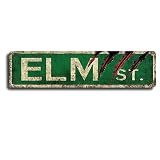
- High-Quality Material: Crafted from sturdy metal tin ensuring durability and longevity.
- Retro Design: Features natural wear and rust, adding an authentic vintage feel.
- Movie-Themed Decor: Perfect for Elm Street enthusiasts and film collectors.
- Easy to Hang: Pre-drilled holes for quick and convenient hanging.
- Versatile Decor: Suitable for homes, bars, inns, cafes, or any horror-themed setting.
Alfred Hitchcock understood marketing as misdirection, and this design reinforced that strategy. By presenting violence as graphic abstraction rather than imagery, the poster shifted horror advertising toward mood and mental unease, influencing decades of psychological thrillers that favored suggestion over spectacle.
14. Suspiria (1977)
Suspiria’s international posters, particularly the Italian and U.S. designs, explode with color, movement, and erotic menace. Blood-red backgrounds, distorted bodies, and painterly excess transform the image into a nightmare ballet, perfectly aligned with Dario Argento’s sensory assault. It looks less like a film advertisement and more like forbidden art.
These posters helped redefine horror as an aesthetic experience. They signaled that fear could be beautiful, operatic, and overwhelming, influencing art-horror marketing from giallo to modern elevated horror that treats color and composition as emotional weapons.
13. Nosferatu (1922)
Few images in cinema history are as enduring as the elongated shadow of Count Orlok creeping up a staircase. Early Nosferatu posters leaned heavily into stark silhouettes and expressionist geometry, turning the vampire into an abstract symbol of plague and death rather than a romantic figure.
What’s actually slowing this PC down?
Pick the symptom - the matching free tool is one click away.
This visual language shaped horror worldwide. By prioritizing shape, shadow, and negative space, Nosferatu’s poster art established a minimalist approach to fear that still echoes through modern designs favoring suggestion over explicit imagery.
12. Dracula (1931)
Universal’s Dracula posters introduced horror as both terrifying and seductive. Bela Lugosi’s piercing gaze, aristocratic posture, and flowing cape transformed the monster into a darkly glamorous figure, blending menace with allure. The typography and composition borrow from theater posters, lending the image a sense of prestige.
This balance of elegance and fear became foundational. The poster helped codify the vampire as a cultural icon and demonstrated that horror marketing could sell sophistication alongside dread, expanding the genre’s appeal to mainstream audiences.
11. Frankenstein (1931)
The Frankenstein poster is pure myth-making. The Monster’s squared head, bolts, and towering frame dominate the composition, turning a tragic character into an unforgettable visual emblem. Even early variations emphasized scale and otherness, presenting the creature as both awe-inspiring and tragic.
Recommended Free Tools
These images cemented the idea of the horror icon as a brand. Frankenstein’s poster art didn’t just advertise a movie; it created a silhouette recognized across generations, proving that a single powerful design could define a monster forever.
Independent reader supportYour contribution helps us test, update, and keep practical guides available for everyone.Ranks 10–6: Minimalism, Symbolism, and the Rise of Psychological Terror
As horror matured, its poster art began stripping away excess. Monsters became ideas, violence became implication, and fear emerged from what was withheld rather than shown. These designs reflect a pivotal shift, where psychological unease replaced spectacle and symbolism became the genre’s most potent weapon.
10. Psycho (1960)
Psycho’s poster is fractured, anxious, and deliberately destabilizing. Jagged typography slices through stark blocks of color, visually echoing the film’s themes of split identity and hidden violence. Janet Leigh’s screaming face and Anthony Perkins’ unsettling calm coexist in uneasy tension.
The design feels aggressive without being graphic. It sells shock through disruption, preparing audiences for a horror experience that would shatter narrative rules and redefine suspense-driven terror.
9. Rosemary’s Baby (1968)
Few horror posters are as quietly disturbing as Rosemary’s Baby. The tiny silhouette of a stroller dwarfed by an empty skyline turns motherhood into cosmic isolation, while the sickly green palette suggests corruption beneath domestic normalcy. The image feels fragile, ominous, and deeply personal.
This restraint was radical. By refusing to show the horror outright, the poster mirrors the film’s creeping paranoia and helped usher in a new era of intellectual, psychological fear.
8. The Exorcist (1973)
The Exorcist poster is a masterclass in atmosphere. The lone priest beneath a glowing streetlamp, framed by darkness and fog, creates a tableau of spiritual confrontation rather than physical violence. It feels solemn, ominous, and inevitable.
The image elevated horror to something almost sacred. By presenting terror as a metaphysical struggle, the poster reinforced the film’s gravitas and helped legitimize horror as serious adult cinema.
7. Jaws (1975)
Jaws distilled fear into a single, unforgettable image. The massive shark rising from the depths toward an oblivious swimmer turns negative space into pure menace, weaponizing scale and anticipation. You see almost nothing, yet feel everything.
This poster changed marketing forever. It proved that suggestion could be more terrifying than gore and became a blueprint for blockbuster horror imagery that relies on primal instinct and visual clarity.
6. Halloween (1978)
Halloween’s poster fuses simplicity with symbolic precision. The knife morphing into a jack-o’-lantern hand blurs the line between innocence and violence, turning a holiday icon into a warning sign. The composition is clean, eerie, and immediately legible.
It perfectly captures the film’s cold, relentless tone. By reducing terror to a graphic symbol, Halloween’s poster helped define the slasher aesthetic and cemented minimalism as one of horror’s most enduring visual languages.
Ranks 5–2: Posters That Became Cultural Nightmares
5. Alien (1979)
Alien’s poster is a lesson in how abstraction can be more unsettling than spectacle. A single cracked egg floats in blackness, leaking an eerie green light, accompanied by the chilling promise: “In space no one can hear you scream.” It tells you nothing and everything at once.
This restraint was revolutionary for science fiction and horror alike. By refusing to show the creature, the poster transformed curiosity into dread and positioned Alien as something unknowable, cold, and inhuman, shaping decades of cosmic horror marketing that followed.
4. The Shining (1980)
The Shining’s poster assaults the viewer with manic energy. That screaming, distorted yellow face bursting through jagged typography feels unhinged, confrontational, and impossible to ignore. It looks less like a movie ad and more like a psychological warning label.
This design captured the film’s descent into madness rather than its plot. By embracing chaos and abstraction, the poster signaled that this was horror rooted in mental collapse, not monsters, helping redefine how psychological terror could be sold visually.
3. Psycho (1960)
Psycho’s poster is all fractured tension. Torn images, harsh angles, and Janet Leigh’s frozen vulnerability create a sense of violation before the film even begins. Nothing feels stable, safe, or whole.
It perfectly matched Hitchcock’s intent to shatter audience expectations. The poster didn’t just advertise fear; it disrupted traditional Hollywood glamour, reinforcing Psycho’s role as a cultural rupture that dragged horror into the modern age.
2. A Nightmare on Elm Street (1984)
A Nightmare on Elm Street’s poster weaponizes the vulnerability of sleep. A terrified Nancy lies helpless as Freddy Krueger’s bladed glove slashes across the dreamscape above her, turning rest into a death sentence. The imagery is lurid, surreal, and unforgettable.
This poster crystallized the concept of inescapable horror. By visualizing fear as something that follows you into your dreams, it created an icon and a premise that felt universally invasive, helping Freddy become one of horror’s most enduring cultural phantoms.
Free tools Windows power users keep installed
One-click scans. No signup required.
Rank #1 and the Enduring Legacy of Horror Poster Art
1. The Exorcist (1973)
Few movie posters have ever felt as ominous, restrained, or spiritually unsettling as The Exorcist’s iconic streetlight image. A lone priest stands beneath a glowing window, dwarfed by shadow, fog, and silence, as if approaching not a house, but a threshold between worlds. It’s a composition rooted in dread, patience, and inevitability.
What makes the poster extraordinary is its absolute confidence in suggestion. There are no demons, no possessed faces, no violence, just a moment of confrontation frozen in time. By framing horror as something quiet, ancient, and inescapable, the image primes the viewer for an experience that feels serious, sacrilegious, and profoundly disturbing.
The design also elevated horror’s cultural legitimacy. Drawing inspiration from fine art and religious iconography, the poster positioned The Exorcist as prestige cinema rather than exploitation. It helped redefine what mainstream audiences believed horror could be: mature, unsettling, and psychologically devastating.
Decades later, that image remains instantly recognizable and endlessly imitated. Its influence can be felt in countless films that use negative space, architectural isolation, and stillness to generate fear. The poster didn’t just sell a movie; it established a visual language for elevated horror that continues to shape the genre.
Do these 3 things before closing this tab:
1Repair Windows errors before they cause bigger problems2Scan for outdated or missing drivers - takes under a minute3Clear out junk files and repair common Windows errorsThe Enduring Power of Horror Poster Art
The greatest horror posters endure because they understand a simple truth: fear begins before the movie starts. These designs don’t summarize plots or showcase spectacles; they create emotional contracts with the audience. They promise dread, unease, and transformation through imagery that lingers long after you’ve looked away.
From the minimalist terror of Alien to the nightmarish vulnerability of A Nightmare on Elm Street, each poster on this list demonstrates how design can define legacy. In many cases, the poster becomes as iconic as the film itself, shaping expectations, spawning imitators, and embedding itself into pop culture memory.
In an era dominated by digital marketing and algorithm-driven thumbnails, these posters remain reminders of a time when a single image had to do all the work. They prove that horror, at its most effective, doesn’t scream. It waits, watches, and lets your imagination do the rest.
Quick Recap
Product prices and availability are accurate as of the date/time indicated and are subject to change. Any price and availability information displayed on Amazon at the time of purchase will apply.
The Tool Desk
Outbyte PC Repair FREERepair Windows errors before they cause bigger problemsFix Now →Outbyte Driver Updater FREEFix the driver behind crashes, sound loss and screen glitchesFind Drivers →