Recommended Free Tools
For every cozy Hallmark Christmas classic that feels like a warm mug of cocoa, there’s another that plays more like a lump of coal in a snow globe. The channel’s holiday output is a marvel of industrialized cheer, but when a machine runs this hot for this long, cracks are inevitable. What viewers experience as “bad” is often the result of speed, formula, and expectations colliding in very public ways.
Hallmark doesn’t just make Christmas movies; it mass-produces them under intense seasonal pressure, with familiar beats that must hit at precise moments. When everything clicks, the predictability becomes comforting. When it doesn’t, the flaws feel louder, cheaper, and harder to ignore—especially for an audience that has seen dozens of variations on the same story.

![HALLMARK HOLIDAY COLLECTION: CHRISTMAS [DVD]](https://m.media-amazon.com/images/I/51TVNzo8BSL._SL160_.jpg)
This is where the weakest entries stand out, not because they misunderstand the Hallmark brand, but because they follow it too mechanically. Thin scripts, miscast leads, and half-baked gimmicks turn holiday escapism into unintentional parody, and longtime viewers can spot the difference immediately.
The Tyranny of the Template
At its worst, the Hallmark formula becomes less a storytelling guide and more a rigid checklist. Big-city career woman, small-town Christmas crisis, emotionally unavailable love interest, and a third-act misunderstanding are all expected, but weak films treat these elements as obligations rather than opportunities. When characters feel like placeholders instead of people, even twinkling lights and fake snow can’t sell the romance.
#1 Best Overall
Some of the most criticized Hallmark Christmas movies collapse because they rush through emotional beats without earning them. The love story exists because the runtime demands it, not because the characters share believable chemistry or growth. Viewers don’t mind familiarity, but they do notice when the movie feels assembled rather than written.
When Casting and Performance Work Against the Cheer
Hallmark has launched and sustained plenty of fan-favorite stars, but not every pairing works, and not every lead can carry a movie. The weakest films often hinge on performances that feel stiff, oddly mismatched, or simply overwhelmed by thin material. Without at least one charismatic anchor, the entire movie drifts.
Audience backlash tends to spike when a film asks viewers to invest emotionally but gives them little in return. A bland protagonist or an unconvincing romantic arc can turn a feel-good premise into background noise. In a genre built on emotional payoff, that’s a fatal flaw.
Holiday Gimmicks That Overstay Their Welcome
Every year brings a new batch of high-concept hooks: royal Christmases, time travel, magical matchmaking, or amnesia wrapped in tinsel. When executed well, these twists refresh the formula. When executed poorly, they feel desperate, as if novelty is being used to distract from weak storytelling.
The worst offenders lean so hard into the gimmick that they forget to ground it in character or logic. Instead of charming escapism, viewers get confusion, tonal whiplash, or plots that unravel the moment you think about them. That’s when the Hallmark Christmas machine doesn’t just creak—it stalls.
How We Ranked Them: Criteria for Defining a Truly Bad Hallmark Christmas Movie
Ranking the worst Hallmark Christmas movies isn’t about dunking on comfort viewing or mistaking sincerity for failure. This list separates harmlessly forgettable entries from films that actively frustrate, confuse, or exhaust their audience. The difference matters, especially in a genre built on emotional reliability.
Scripts That Feel Assembled, Not Written
At the top of the criteria list is storytelling, because even the coziest holiday movie needs internal logic and emotional rhythm. The lowest-ranked films rely on recycled dialogue, rushed character arcs, and conflicts that could be solved by a single honest conversation. When plot points land like checkboxes instead of organic turns, the movie stops feeling festive and starts feeling manufactured.
We also weighed how aggressively a script leans on Hallmark autopilot. Familiarity is part of the appeal, but when a movie offers nothing beyond the bare minimum of tropes, viewers can sense the lack of effort. A bad Hallmark Christmas movie doesn’t just reuse the formula; it exposes it.
Romantic Chemistry That Never Sparks
No matter how pretty the town square looks, a Christmas romance lives or dies on chemistry. Several films on this list feature leads who seem polite rather than interested, delivering flirtation like a contractual obligation. Without believable attraction or emotional progression, the central relationship feels theoretical.
We paid close attention to whether the romance evolved or simply existed because the genre demands it. When characters don’t challenge or change each other in any meaningful way, the love story becomes background noise. That’s deadly in a movie designed to make viewers feel something by the final snowfall.
High-Concept Hooks That Collapse Under Scrutiny
Royal fiancés, enchanted ornaments, amnesia, time loops, and Christmas curses can all work in theory. In practice, the weakest movies use these hooks as distractions rather than storytelling tools. If the rules of the premise keep shifting or are ignored entirely, the movie loses trust fast.
We ranked films lower when gimmicks introduced more questions than charm. When viewers are busy wondering how a plot makes sense instead of enjoying the fantasy, the magic is already gone. Escapism still needs structure.
Performances That Can’t Carry Thin Material
Acting matters more in these movies than Hallmark skeptics often admit. With limited runtimes and familiar beats, performers have to sell sincerity quickly. The worst entries feature leads who seem miscast, disengaged, or unable to elevate clunky dialogue.
We also considered ensemble balance. Side characters are meant to add warmth and humor, not highlight how flat the main story is. When supporting performances unintentionally upstage the leads, it usually signals a deeper problem.
Audience Backlash and Rewatch Resistance
Finally, we looked at how these movies landed with the people who actually watch them. Viewer reactions, social media discourse, and long-term reputation all factored into the rankings. A truly bad Hallmark Christmas movie isn’t just mocked once; it’s actively avoided during rewatch season.
Some films fail quietly and fade away. Others inspire frustration, confusion, or disbelief that they made it to air in the first place. Those are the ones that earned their spots on this list.
Free tools Windows power users keep installed
One-click scans. No signup required.
The Bottom of the Snow Globe: Movies That Fail on Every Level (Ranks 15–11)
These are the entries that sit at the very base of the Hallmark Christmas hierarchy. Not just forgettable, but actively frustrating—movies where weak scripts, baffling creative choices, and uneven performances combine into something that barely qualifies as cozy background noise. They’re the kind of titles longtime viewers warn newcomers about with a sigh and a laugh.
Rank #2

- Screenwriter Lucy is hired to write the script for the remake of the beloved holiday movie, His Merry Wife, that was shot on location at the beautiful Biltmore Estate. When she tips over an hourglass during a tour of the estate, she finds herself transported back in time to 1947.
#15 – Christmas Town (2019)
Christmas Town starts with a promising, slightly offbeat premise and immediately refuses to do anything coherent with it. The film’s central mystery unfolds like a series of disconnected vignettes, stitched together by narration that explains emotions instead of letting us feel them. Magical realism is a tricky lane for Hallmark, and here it collapses into confusion rather than wonder.
What hurts most is the pacing. Scenes drift without momentum, and the emotional payoff never earns its sentimentality. It’s not aggressively bad, but it’s so oddly constructed that it feels like a rough draft that somehow made it to air.
#14 – Christmas Incorporated (2015)
On paper, Christmas Incorporated sounds like a solid Hallmark staple: corporate chaos meets small-town holiday spirit. In execution, it’s a tonal mess that never figures out whether it wants to critique capitalism or gently endorse it with tinsel. The romance arrives late, underdeveloped, and largely unconvincing.
Do these 3 things before closing this tab:
1Repair Windows errors before they cause bigger problems2Fix the driver behind crashes, sound loss and screen glitches3Clear out junk files and repair common Windows errorsThe script leans heavily on clichés without understanding why they work. By the time the inevitable transformation occurs, it feels more contractual than heartfelt. Viewers didn’t reject this one because it broke the formula—it failed because it followed it without purpose.
#13 – A Christmas Melody (2015)
A Christmas Melody remains one of the most talked-about misfires in the Hallmark catalog, largely due to the weight of expectation behind it. The film wants to be a warm, musical-inflected throwback, but it struggles with stiff dialogue and strangely muted energy. Even moments meant to sparkle feel curiously flat.
The performances never quite sync with the tone, and the central conflict lacks urgency. Instead of festive escapism, the movie drifts into awkward territory, remembered more for what it could have been than what it actually delivered.
#12 – The Christmas Cure (2017)
Few Hallmark movies misunderstand their own premise as thoroughly as The Christmas Cure. The story hinges on a medical emergency, yet treats its professional setting with such casual unreality that it becomes distracting. Emotional beats arrive out of nowhere, expecting tears without earning trust.
Quick wins for a faster PC:
Clear out junk files and repair common Windows errorsFree Scan →Fix the driver behind crashes, sound loss and screen glitchesFind Drivers →Romance, when it appears, feels like an afterthought. The movie seems unsure whether it’s a heartfelt drama or a cozy holiday love story, and that indecision drains both halves of their impact. It’s earnest, but earnestness alone can’t save structural chaos.
#11 – Christmas Land (2015)
Christmas Land aims for whimsy and lands squarely in monotony. The central metaphor is hammered home so relentlessly that it leaves no room for subtlety or surprise. Every emotional turn is telegraphed well in advance, removing any sense of discovery.
What makes this one particularly rewatch-resistant is its sluggish rhythm. Scenes linger without purpose, and the romance unfolds with mechanical inevitability. It’s not offensive, just relentlessly dull—which, for a Christmas movie, might be the greatest sin of all.
Painfully Predictable: When Tropes Overpower Storytelling (Ranks 10–7)
This is the stretch where Hallmark’s creative muscle memory starts working against it. These movies aren’t aggressively bad so much as aggressively familiar, leaning so hard on the formula that surprise becomes impossible. The result is comfort without charm, romance without tension, and holiday cheer delivered on autopilot.
#10 – My Christmas Dream (2016)
My Christmas Dream feels like it was assembled from a checklist labeled “Hallmark Essentials.” Plucky heroine in need of help, small-town kindness montage, last-minute romantic realization—it’s all here, exactly where you expect it. The problem isn’t the premise; it’s the complete absence of friction or originality within it.
Everything resolves with such ease that the story never earns its emotional payoff. By the time the credits roll, it’s less a movie you remember than one you vaguely recall having on in the background. Pleasant, sure—but utterly disposable.
#9 – Christmas Incorporated (2015)
This film doubles down on the corporate-to-cozy conversion arc that Hallmark has mined endlessly. Big-city ambition melts away after approximately two charming side characters and one twinkly-eyed love interest. The transformation is so fast and so inevitable that it borders on parody.
What hurts Christmas Incorporated most is its lack of specificity. The town, the romance, even the central conflict blur together into a generic holiday haze. It’s not that anything is wrong—it’s that nothing feels chosen.
What’s actually slowing this PC down?
Pick the symptom - the matching free tool is one click away.
#8 – A Veteran’s Christmas (2018)
A Veteran’s Christmas wants to balance heartfelt themes with Hallmark romance, but it simplifies both to their most predictable beats. Emotional weight is implied rather than explored, and character arcs resolve with minimal resistance. Serious subject matter deserves more nuance than this script is willing to offer.
The romance unfolds exactly on schedule, hitting familiar markers without ever surprising the viewer. While respectful in intent, the film plays it so safe that it undercuts its own emotional credibility. It’s well-meaning, but deeply formula-bound.
Rank #3
#7 – Once Upon a Christmas Miracle (2018)
Based on a true story, Once Upon a Christmas Miracle should have had a built-in emotional advantage. Instead, it flattens a remarkable real-life event into a paint-by-numbers Hallmark narrative. Every dramatic turn is telegraphed, leaving little room for organic emotion.
The movie’s biggest misstep is its pacing, which rushes moments that should linger and lingers where urgency is needed. By adhering too closely to the network’s storytelling rhythms, it loses the very authenticity that made the story worth telling. The miracle lands—but without the impact it deserves.
Outdated Drivers Are Slowing You Down
One free scan finds every outdated or missing driver and matches the right update for your exact hardware.Free scan · exact hardware matchWindows Errors? Fix Them Before They Spread
Repair common Windows errors and clear accumulated junk for a smoother, more stable PC - no reinstall needed.Free scan · no reinstallMiscast, Misdirected, and Misguided: Performances That Sank the Movie (Ranks 6–4)
By the time we hit the middle of the list, the problems shift. These aren’t movies undone solely by flimsy scripts or overused tropes; they’re films where casting choices and directorial inertia actively work against the story. When the performances don’t sell the fantasy, even Hallmark’s most reliable formulas start to wobble.
#6 – Christmas Land (2015)
Christmas Land wants to be a whimsical meditation on nostalgia, but it never finds the emotional register it needs to land. The performances lean muted when they should sparkle, creating a strange disconnect between the magical premise and the grounded, almost somber delivery. It’s less enchanting than it is lethargic.
The central romance, in particular, suffers from a lack of chemistry. Scenes that should hum with rediscovered joy instead feel dutifully performed, as if everyone is aware of the beats but not the feelings behind them. When your movie hinges on rediscovering childhood wonder, underplaying the magic is a fatal miscalculation.
#5 – The Christmas Cottage (2017)
On paper, The Christmas Cottage has everything Hallmark loves: a struggling artist, a sentimental setting, and a holiday romance waiting to bloom. In execution, the casting never quite aligns with the material. The leads feel mismatched to their roles, delivering performances that are technically fine but emotionally miscalibrated.
The Tool Desk
Outbyte PC Repair FREEClear out junk files and repair common Windows errorsFree Scan →Outbyte Driver Updater FREEScan for outdated or missing drivers - takes under a minuteDriver Scan →Direction doesn’t help. Scenes often linger without purpose, as if waiting for sparks that never arrive. The result is a movie that feels oddly inert, where earnest performances can’t overcome the sense that the characters were cast for the outline of the story rather than its emotional demands.
#4 – Christmas Incorporated (2015)
Yes, it already appeared earlier on this list—and its placement here speaks volumes. Christmas Incorporated isn’t just narratively generic; it’s undone by a central performance that never fully commits to the transformation the story requires. The big-city-to-small-town arc plays like an obligation instead of a revelation.
What makes this especially frustrating is that the cast seems capable, but the direction funnels them into autopilot. Line readings hit expected rhythms, reactions arrive on schedule, and nothing feels discovered in the moment. When a Hallmark movie feels assembled rather than performed, the illusion collapses—and Christmas Incorporated never recovers.
How Did This Get Made?: The Absolute Worst Hallmark Christmas Movies Ever (Ranks 3–1)
By this point on the list, we’re no longer talking about mild disappointments or pleasant background noise gone wrong. These are the entries where the Hallmark formula buckles under the weight of its own shortcuts—where execution, tone, and storytelling actively work against the cozy fantasy the network sells so well at its best.
The Tool Desk
Outbyte PC Repair FREERepair Windows errors before they cause bigger problemsFix Now →Outbyte Driver Updater FREEScan for outdated or missing drivers - takes under a minuteDriver Scan →What follows isn’t an indictment of holiday comfort viewing, but a case study in what happens when the assembly line moves faster than inspiration.
#3 – A Shoe Addict’s Christmas (2018)
A Shoe Addict’s Christmas wants to be whimsical, redemptive, and a little magical. Instead, it lands as oddly preachy and emotionally scattered, leaning so hard on its fairy-tale framing that it forgets to ground the story in recognizable human behavior. The high-concept hook—self-discovery via enchanted footwear—never evolves beyond its initial novelty.
The biggest issue is tonal whiplash. The movie oscillates between light fantasy and heavy-handed moral lesson without finding a rhythm that supports either. Performances strain to sell emotional breakthroughs that feel unearned, leaving the audience aware of the message long before the characters arrive there themselves.
Hallmark excels when its metaphors are gentle and implicit. Here, the symbolism stomps instead of gliding, turning what could have been charming into something faintly exhausting.
#2 – A Veteran’s Christmas (2018)
Few Hallmark misfires feel as uncomfortable as A Veteran’s Christmas, largely because of its uneven handling of sensitive subject matter. The film aims to balance holiday romance with reflections on military service and trauma, but the tonal blend never fully coheres. What should feel heartfelt instead comes off awkwardly undercooked.
The central romance struggles under the weight of the script’s competing priorities. Emotional beats arrive abruptly, without the narrative groundwork to support them, making moments of vulnerability feel more obligatory than organic. Even the holiday backdrop, typically Hallmark’s greatest asset, feels strangely muted.
Audience backlash stemmed less from the premise than from its execution. When a movie reaches for emotional gravity without committing the time and nuance it requires, the result isn’t moving—it’s dissonant.
Rank #4

- Genre: TV Drama
- Number of Discs: 2
- Number of Tracks: 0
- Playback Duration: 517
- Rating: NR
#1 – Christmas Land (2015)
At the very bottom of the list sits Christmas Land, a film that embodies nearly every criticism ever leveled at Hallmark’s weakest output. The premise promises nostalgia and wonder, but the execution feels threadbare, as if the movie itself isn’t convinced by its own magic. Sets look sparse, pacing drags, and the emotional stakes never materialize.
The performances aren’t disastrous so much as adrift. Characters drift through scenes reciting dialogue that gestures toward sentiment without ever generating it. Moments meant to evoke childhood warmth instead highlight how artificial the world feels, breaking immersion at every turn.
Christmas Land is the cautionary tale of the Hallmark catalog. It shows what happens when the network’s love of tradition overtakes its commitment to storytelling—when familiarity replaces feeling, and the holiday spirit becomes a checklist rather than an experience.
Common Patterns in Hallmark’s Biggest Holiday Misfires
After working through the lowest-ranked entries, a pattern becomes impossible to ignore. These films don’t fail because they reject the Hallmark formula—they fail because they follow it too rigidly, mistaking familiarity for craftsmanship. When comfort becomes complacency, even the most festive setup starts to feel hollow.
Scripts That Confuse Simplicity for Substance
At its best, Hallmark storytelling thrives on clarity and emotional efficiency. At its worst, that simplicity turns into skeletal screenwriting, where characters exist only to shuttle the plot from meet-cute to mistletoe. Many of the weakest films rely on exposition-heavy dialogue that explains feelings rather than dramatizing them, leaving viewers emotionally ahead of the story at all times.
Outdated Drivers Are Slowing You Down
One free scan finds every outdated or missing driver and matches the right update for your exact hardware.Free scan · exact hardware matchWindows Errors? Fix Them Before They Spread
Repair common Windows errors and clear accumulated junk for a smoother, more stable PC - no reinstall needed.Free scan · no reinstallThe result is a movie that feels like it’s constantly telling you what to feel without earning it. Romance unfolds on schedule, not through chemistry, and personal growth is announced rather than experienced. What should feel cozy instead feels pre-programmed.
Repetitive Tropes Without a Fresh Angle
Hallmark audiences expect tropes, but they also expect variation. The worst offenders recycle the same beats—big-city executive, dying family business, magical hometown—without adding a single distinguishing detail. When a viewer can predict every plot turn within the first ten minutes, tension evaporates.
Stronger holiday films use tropes as a foundation. These misfires treat them as the entire structure. By the time the inevitable kiss arrives, it feels less like a payoff and more like an obligation fulfilled.
Performances Left to Sink or Swim
Weak Hallmark films often place an unfair burden on their actors. Thin characterizations and stiff dialogue leave even capable performers stranded, forced to sell emotional arcs that haven’t been properly built. Chemistry can’t compensate for scripts that don’t allow relationships to breathe.
Recommended Free Tools
In several of these movies, the cast isn’t bad so much as unsupported. When performers appear disengaged or overly broad, it’s often a symptom of material that offers no room for nuance. The holiday magic can’t land if the humans at the center don’t feel real.
Holiday Symbolism Turned Up Too Loud
Christmas imagery is Hallmark’s greatest strength, but excess can dull its impact. The weakest films lean so heavily on visual shorthand—ornaments, twinkle lights, conveniently timed snow—that atmosphere replaces storytelling. Instead of enhancing emotion, the décor becomes a distraction.
When every scene insists on its own festiveness, nothing stands out. The holiday becomes wallpaper, not a lived-in world. Subtlety may not be Hallmark’s brand, but restraint still matters.
Audience Backlash Rooted in Expectation, Not Cynicism
It’s easy to dismiss criticism of these films as seasonal nitpicking, but audience frustration usually stems from affection, not disdain. Viewers return year after year because Hallmark has proven it can deliver genuinely satisfying holiday stories. When a movie falls short, it’s felt as a broken promise rather than a minor misfire.
Quick wins for a faster PC:
Scan for outdated or missing drivers - takes under a minuteDriver Scan →Repair Windows errors before they cause bigger problemsFix Now →These worst-ranked titles aren’t hated because they’re sentimental. They’re rejected because they’re careless with sentiment, assuming goodwill will carry what storytelling does not. In a genre built on emotional trust, that assumption is the quickest way to lose an audience.
Independent reader supportYour contribution helps us test, update, and keep practical guides available for everyone.Why Fans Still Watch (and Rant About) These Movies Every December
For all the groans, eye-rolls, and group chats filled with sarcastic commentary, these movies remain unavoidable seasonal rituals. Viewers don’t stumble into the worst Hallmark Christmas movies by accident. They show up knowingly, cocoa in hand, ready to be disappointed in ways that feel strangely comforting.
The Comfort of Predictability—even When It Backfires
Part of Hallmark’s enduring appeal is its reliability. Even the weakest entries offer familiar rhythms: a career-focused protagonist, a small-town reset, and a romance timed precisely to Christmas Eve. When those beats land poorly, fans still recognize the structure, which makes flaws easier to spot and easier to joke about.
There’s also a strange reassurance in knowing exactly where a story is headed. The disappointment becomes part of the experience, like rewatching a holiday special you know hasn’t aged well. Predictability doesn’t kill engagement; it reframes it.
Do these 3 things before closing this tab:
1Clear out junk files and repair common Windows errors2Fix the driver behind crashes, sound loss and screen glitches3Repair Windows errors before they cause bigger problemsBest Value
- Brand: Punto
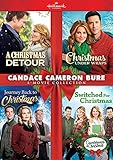
- Candace Cameron Bure: 4 Movies Collection (Wm)
- Brand: Hallmark
Tradition Outweighs Quality Control
For many viewers, Hallmark Christmas movies function less as standalone entertainment and more as seasonal background noise. They play while decorating the tree, wrapping gifts, or half-scrolling through phones. In that context, even a poorly written movie fulfills its purpose simply by existing.
That habitual viewing makes the misfires impossible to ignore. When a movie demands attention for all the wrong reasons—awkward dialogue, baffling character choices, tonal whiplash—it interrupts the ritual. That interruption often fuels the loudest reactions.
Collective Viewing Turns Flaws Into Features
Few genres inspire communal commentary like bad holiday movies. Social media has transformed these films into shared events, with viewers live-tweeting plot holes and ranking the most implausible coincidences. The worst Hallmark Christmas movies thrive in this space, becoming unintentional comedies through collective scrutiny.
In this way, failure can paradoxically extend a movie’s lifespan. A forgettable film disappears quietly, but a spectacular misfire becomes a yearly punchline. Ranting about these titles is less about anger and more about bonding.
Because Hallmark Sometimes Gets It Right
Perhaps the biggest reason fans keep watching is hope. Hallmark has produced genuinely charming, emotionally effective Christmas movies, often with the same ingredients that fail elsewhere. Viewers tune in believing the next one might recapture that magic.
That optimism keeps the door open, even after repeated disappointments. The worst movies don’t end the relationship; they just test it. And every December, fans come back willing to test it all over again.
Can Hallmark Learn from Its Worst Christmas Movies?
If Hallmark’s worst Christmas movies have anything to offer beyond ironic enjoyment, it’s a roadmap of what not to do. These films fail loudly and consistently, often for the same reasons, making their flaws unusually instructive. When patterns emerge this clearly, ignoring them becomes a creative choice rather than an accident.
When Familiar Becomes Formulaic
Repetition isn’t Hallmark’s enemy, but laziness is. Many of the weakest entries lean so heavily on stock plots—career woman returns home, small-town secret, last-minute romance—that they forget to add personality or stakes. The result feels less like comfort viewing and more like watching the same movie reassembled with slightly different sweaters.
What’s actually slowing this PC down?
Pick the symptom - the matching free tool is one click away.
Stronger Hallmark films use tropes as a foundation, not a crutch. They tweak perspectives, deepen character motivations, or at least give the romance a reason to exist beyond December 25. The worst movies skip that step entirely, assuming familiarity alone will carry them through.
Scripts Matter More Than Snowfall
No amount of twinkle lights can compensate for clunky dialogue or incoherent plotting. Some of Hallmark’s most criticized Christmas movies collapse under scripts that feel unfinished, as if they were approved after a single draft. Characters announce their emotions instead of earning them, and conflicts resolve because the runtime demands it.
Ironically, this is where audience backlash is sharpest. Viewers are willing to forgive low budgets and predictable endings, but they notice when basic storytelling collapses. A clean, thoughtful script remains the difference between soothing background noise and something that actively pulls viewers out of the fantasy.
Miscasting Breaks the Spell
Hallmark’s rotating stable of actors is part of the brand, but even loyal fans recognize when a role is a poor fit. The weakest movies often pair performers with characters that don’t match their strengths, resulting in romances with no spark or emotional beats that fall flat. Chemistry can’t be assumed; it has to be tested and earned.
Some of Hallmark’s best Christmas movies succeed simply because the leads sell the premise, however thin it may be. The worst ones expose how fragile the formula is when casting decisions are rushed or purely familiar. In a genre built on emotional buy-in, miscasting is fatal.
Audience Feedback Isn’t the Enemy
One advantage Hallmark has over traditional studios is immediacy. Viewers are vocal, consistent, and surprisingly specific about what doesn’t work. When the same complaints resurface year after year—about recycled plots, hollow conflicts, or lifeless performances—it’s not nitpicking; it’s a focus group begging to be heard.
The channel’s gradual shift toward more diverse leads, updated themes, and sharper writing suggests it is listening, at least partially. The existence of truly good Hallmark Christmas movies proves the system can evolve. The worst titles simply highlight how far the brand still has to go.
Ultimately, Hallmark’s weakest Christmas movies endure not because they’re good, but because they’re part of a tradition viewers refuse to abandon. They serve as cautionary tales wrapped in tinsel, reminding the network that comfort and quality don’t have to be mutually exclusive. If Hallmark can learn from its most notorious misfires, the annual ritual might finally feel a little less obligatory—and a lot more magical.
Free tools Windows power users keep installed
One-click scans. No signup required.
Quick Recap
Product prices and availability are accurate as of the date/time indicated and are subject to change. Any price and availability information displayed on Amazon at the time of purchase will apply.




