Kids’ horror works because it understands something adult horror often forgets: fear doesn’t need gore to linger. For many Millennials and Gen Z viewers, the first true chills didn’t come from R-rated slashers but from turning on the TV after school and realizing a supposedly “safe” network was about to mess with your imagination. These shows tapped into primal anxieties, abandoned houses, cursed objects, things hiding just out of frame, and trusted the audience to meet them halfway.
What makes these series endure is how carefully they walk the line between terror and trust. The scares are real, sometimes genuinely unsettling, but they’re framed within rules that kids can process. Monsters are defeated, mysteries are solved, and even the darkest stories leave room for relief, humor, or a lesson learned, reinforcing that fear can be confronted rather than overwhelming.

Imagination Is the Real Monster
Kids’ TV horror thrives on suggestion, not spectacle. Shadows stretch longer, sound design does more work than visuals, and the unknown is allowed to breathe, letting young viewers fill in the blanks with their own fears. That restraint is exactly why these shows hit so hard then and still resonate now, proving you don’t need to cross into adult territory to deliver unforgettable scares.
How We Ranked Them: Criteria for What Truly Counts as ‘Scary’ for Kids
Not all spooky kids’ shows are created equal. For this list, we weren’t just looking for series with monsters or Halloween vibes, but shows that genuinely unsettled young viewers while still respecting their emotional limits. The goal was to identify the programs that made kids feel a delicious, lingering sense of dread without tipping into nightmare fuel territory.
#1 Best Overall
Fear Without Trauma
True kids’ horror walks a careful line: intense enough to provoke goosebumps, safe enough that viewers don’t feel betrayed by the experience. We prioritized shows that delivered scares through atmosphere, suspense, and psychological tension rather than graphic imagery. If a series made you sleep with the lights on but didn’t leave lasting emotional damage, it scored high.
Imaginative Threats Over Explicit Violence
The most effective kids’ horror understands that what you don’t see is often scarier than what you do. Cursed objects, mysterious strangers, and everyday places turned sinister ranked higher than shows that relied on overt peril or constant action. These stories trusted a child’s imagination to do the heavy lifting, which is often where fear grows strongest.
Age-Appropriate Stakes With Real Consequences
We looked for series that respected their audience enough to create genuine tension. Characters might be scared, trapped, or in danger, but the outcomes were framed in ways kids could emotionally process. Lessons were learned, mysteries were solved, and while things got dark, there was always a sense that order could be restored.
Lasting Cultural and Emotional Impact
Finally, we considered legacy. These are the shows people still talk about decades later, the ones that show up in memes, reboots, and late-night conversations about childhood fears. If a series shaped how a generation understands horror and proved that children’s television could be legitimately scary without crossing the line, it earned its place on this list.
The Tool Desk
Outbyte PC Repair FREEClear out junk files and repair common Windows errorsFree Scan →Outbyte Driver Updater FREEFix the driver behind crashes, sound loss and screen glitchesFind Drivers →The Ranking: The 10 Scariest Horror Shows Made for Kids (From Creepy to Traumatizing)
We’re starting slow and ending in the deep end. These rankings move from shows that gently nudged kids toward spooky curiosity to series that fully embraced dread, atmosphere, and emotional intensity. If you remember inching closer to the TV and then immediately regretting it, odds are one of these shows is responsible.
10. Scooby-Doo, Where Are You! (1969–1970)
For many kids, Scooby-Doo was the gateway scare. Haunted mansions, glowing eyes in the dark, and monsters lurking in abandoned amusement parks created genuine tension, even if the villain was always a guy in a mask.
The brilliance of Scooby-Doo was how it let kids feel scared without ever losing control. Fear was immediately softened by humor and logic, teaching young viewers that mysteries could be solved and monsters could be unmasked.
9. Eerie, Indiana (1991–1992)
Eerie, Indiana thrived on quiet, unsettling weirdness rather than overt horror. From immortal dogs to townspeople who never aged, the show made everyday suburbia feel fundamentally wrong.
Its scares crept up on you, often sticking around longer than the episode itself. The series trusted kids to sit with unresolved discomfort, which made it feel smarter and stranger than most children’s TV at the time.
8. Freaky Stories (1997–1999)
This Canadian cult favorite leaned into urban legends and cautionary tales, often ending with a wink and a warning. Each episode promised, “This happened to a friend of a friend of mine,” instantly grounding the fear in possibility.
The minimalist animation and grim punchlines gave Freaky Stories an edge. It didn’t scream at you to be scared, it calmly suggested that bad things happen when you least expect them.
7. Goosebumps (1995–1998)
Goosebumps was a cultural phenomenon, and its TV adaptation brought R.L. Stine’s twisted imagination to life. Living ventriloquist dummies, cursed masks, and mirrored doubles tapped directly into childhood anxieties.
What made Goosebumps effective was its unpredictability. Not every story had a neat or comforting ending, and that uncertainty kept young viewers deliciously on edge.
6. The Nightmare Room (2001–2002)
Often overshadowed by Goosebumps, The Nightmare Room was noticeably darker and more intense. Stories focused on isolation, paranoia, and the fear of not being believed, which hit closer to home for older kids.
Its tone felt colder and more serious, treating its young audience with surprising gravity. The result was a show that lingered in your thoughts long after the credits rolled.
5. So Weird (1999–2001)
So Weird blurred the line between kids’ horror and supernatural drama. Ghosts, urban legends, and emotional trauma were handled with sincerity rather than camp.
Quick wins for a faster PC:
Scan for outdated or missing drivers - takes under a minuteDriver Scan →Repair Windows errors before they cause bigger problemsFix Now →The show didn’t just want to scare you, it wanted you to feel unsettled and reflective. That emotional weight made its paranormal threats feel real in a way few kids’ shows dared to attempt.
4. Grizzly Tales for Gruesome Kids (2000–2012)
This series was gleefully cruel in the best fairy-tale tradition. Each episode punished bad behavior with ironic, often horrifying consequences that felt ripped from a nightmare storybook.
The grotesque animation style and unapologetically dark morals made Grizzly Tales feel almost forbidden. It didn’t cushion its lessons, and that bluntness made it genuinely scary.
3. The Haunting Hour: The Series (2010–2014)
R.L. Stine returned with something far sharper and more unsettling. The Haunting Hour regularly pushed right up to the edge of what kids’ TV could get away with.
Free tools Windows power users keep installed
One-click scans. No signup required.
Episodes featured body horror, existential dread, and endings that refused to reassure. It respected its audience by assuming they could handle fear without being rescued from it.
2. Courage the Cowardly Dog (1999–2002)
On paper, Courage was a cartoon comedy. In practice, it was a surreal horror anthology that just happened to star a pink dog.
Rank #2

- HORROR MOVIE SOCKS: These scary socks feature a funny saying"JUST A GIRL WHO LOVES HORROR MOVIES". The design featuring chilling elements like candles, daggers, skulls, eyeballs and bloody palm prints, sketch out the thrilling horror atmosphere
- GIFT-GIVING WITH A SCARE: Ideal horror themed gifts for movie lovers, film buffs, directors, students, and theater fans. Great for movie nights, these scary items delight any cinema enthusiast
- SIZE & PACKAGE: Designed to fit most women, these women's crazy socks fit US women's shoe sizes 6-12. Each gift box includes one pair of funny socks
- SOFT & COMFORTABLE MATERIAL: Made from a blend of 80% cotton, 15% polyamide, and 5% elastane, these socks feel soft against the skin while providing durability, breathability, and all-day comfort
- READY TO GIFT: Beautifully packaged and ready for gifting, with no extra wrapping needed. A thoughtful gift for Halloween, birthdays, Valentine's Day, Christmas stocking stuffer, or any special occasion
Its distorted visuals, uncanny sound design, and nightmarish villains tapped into pure, irrational fear. Courage proved that animation could be just as terrifying as live-action, if not more so.
1. Are You Afraid of the Dark? (1990–1996; revivals followed)
This was the gold standard for kids’ horror. Framed by the iconic Midnight Society and fueled by candlelit storytelling, Are You Afraid of the Dark? treated fear as a ritual.
What’s actually slowing this PC down?
Pick the symptom - the matching free tool is one click away.
Its stories embraced shadows, silence, and moral ambiguity, trusting young viewers to sit with unease. Decades later, it remains the show most often credited with teaching an entire generation how to love being scared.
Honorable Mentions That Almost Made the List
Some kids’ horror shows didn’t quite crack the top ten, but they still left lasting psychic bruises. These series flirted with genuine terror, experimented with tone, or scared kids in sneaky, age-appropriate ways that lingered long after the credits rolled.
Goosebumps (1995–1998)
For many millennials, Goosebumps was the gateway drug to horror. While its tone skewed lighter than the top-ranked shows, certain episodes like “The Haunted Mask” and “Night of the Living Dummy” delivered imagery that stuck.
The show’s bright aesthetic sometimes softened the scares, but its monster designs and mean-spirited twists made it a formative experience. Goosebumps taught kids that horror could be fun, serialized, and a little unsafe.
Recommended Free Tools
Eerie, Indiana (1991–1992)
Eerie, Indiana thrived on the discomfort of suburbia gone wrong. Its stories about immortality, doppelgängers, and bizarre conspiracies felt like X-Files for preteens.
What made it unsettling wasn’t outright horror, but the idea that something was fundamentally off beneath the picket fences. It trusted kids to appreciate weirdness without over-explaining it.
The Nightmare Room (2001–2002)
Often overshadowed by Goosebumps and The Haunting Hour, The Nightmare Room quietly delivered some genuinely bleak episodes. Its standalone stories leaned into paranoia, identity loss, and grim irony.
R.L. Stine used this series to experiment with darker endings and colder emotional beats. It didn’t hold your hand, and that made its scares hit harder than expected.
Aaahh!!! Real Monsters (1994–1997)
This animated cult favorite flipped the horror script by making monsters the protagonists. The designs were grotesque, the environments slimy, and the humor often steeped in body horror.
While comedic on the surface, the show normalized fear as something to understand rather than escape. For younger viewers, it was both unsettling and oddly comforting.
Scooby-Doo! Mystery Incorporated (2010–2013)
Scooby-Doo had always been spooky comfort food, but Mystery Incorporated pushed the franchise into darker territory. Serial storytelling, genuine stakes, and Lovecraftian lore gave the show unexpected weight.
Its monsters may have still been unmasked, but the atmosphere lingered. It proved that even legacy kids’ franchises could evolve into something creepier without abandoning younger audiences.
Crashes, No Sound, or Screen Glitches?
Random freezes, missing sound and display glitches usually trace back to one bad driver. Find and replace yours safely.Free scan · under a minuteWindows Errors? Fix Them Before They Spread
Repair common Windows errors and clear accumulated junk for a smoother, more stable PC - no reinstall needed.Free scan · no reinstallCreeped Out (2017–2019)
A modern spiritual successor to Are You Afraid of the Dark?, Creeped Out embraced ambiguity and quiet dread. Many episodes ended without clear explanations or happy resolutions.
By leaning into discomfort rather than spectacle, it captured the tone of classic kids’ horror for a new generation. It didn’t shout its scares, it let them creep in slowly.
What Made These Shows Work: Monsters, Atmosphere, and Childhood Psychology
These series didn’t succeed by accident. They understood that kids experience fear differently than adults, and they built their horror around that truth rather than watering it down. The result was television that scared without scarring, lingered without overwhelming, and respected its audience’s emotional intelligence.
Monsters That Felt Close to Home
The most effective kids’ horror monsters weren’t just claws and fangs. They were teachers who weren’t quite right, parents who suddenly felt unfamiliar, mirrors that reflected the wrong version of you. These threats invaded spaces children considered safe, like bedrooms, schools, and suburban streets.
Do these 3 things before closing this tab:
1Scan for outdated or missing drivers - takes under a minute2Clear out junk files and repair common Windows errors3Fix the driver behind crashes, sound loss and screen glitchesBy grounding the supernatural in everyday environments, the shows made fear feel personal rather than abstract. Kids didn’t need extreme violence to feel unsettled when the danger looked like something they might actually encounter.
Atmosphere Over Shock
Instead of relying on jump scares, these shows leaned heavily on mood. Dim lighting, unsettling sound design, and slow pacing allowed tension to build naturally. Silence was often as important as music, giving young viewers space to imagine what might happen next.
This restraint made the horror feel more sophisticated and lasting. Long after the episode ended, the atmosphere stuck around, turning ordinary hallways and backyards into places where something might be lurking just out of sight.
Fear as a Safe Emotional Exercise
Children are already navigating a world where they feel small, uncertain, and powerless. These shows mirrored those feelings through horror, but always within controlled boundaries. The scares were intense, but they were temporary, contained within a 22-minute episode or a half-hour cartoon.
Quick wins for a faster PC:
Repair Windows errors before they cause bigger problemsFix Now →Scan for outdated or missing drivers - takes under a minuteDriver Scan →Rank #3
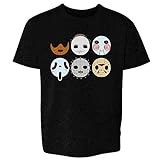
- Bold Halloween mask art with a creepy retro vibe that stands out at parties, haunted houses, and autumn events.
- Features a lineup of eerie masks with classic slasher energy for fans who love spooky style all season long.
- Great choice for costume nights, horror marathons, trick-or-treat fun, or anytime you want a chilling look.
- Designed for easy everyday wear with a clean graphic style that pairs well with jeans, joggers, or layered looks.
- Made for fans of fright-night fashion and printed by Pop Threads for a fun, comfortable seasonal favorite.
That structure gave kids a sense of mastery over fear. Watching meant confronting anxiety, surviving it, and coming out the other side unharmed, which is why so many viewers remember these shows fondly rather than traumatically.
Trusting Kids to Handle Ambiguity
Many of these series resisted neat explanations or overly cheerful endings. Some monsters were never fully understood. Some mysteries ended with lingering unease instead of clear victory. That ambiguity respected kids as capable thinkers rather than passive viewers.
By not explaining everything, the shows invited imagination to do the scariest work. For young audiences, that trust was empowering, and it’s a big reason these programs continue to resonate long after childhood fears have supposedly been outgrown.
Cultural Impact and Lasting Trauma: Why Millennials and Gen Z Still Remember
The reason these shows still linger in the collective memory isn’t just that they were scary. It’s that they were often a child’s first meaningful encounter with horror as a genre. For many Millennials and Gen Z viewers, these series quietly set the rules for what fear could look like long before R-rated slashers or prestige horror entered the picture.
Free tools Windows power users keep installed
One-click scans. No signup required.
Shared Fear as a Generational Bond
Ask anyone born in the late ’80s or ’90s about kids’ horror, and specific images surface instantly. The pale faces, cursed objects, and monsters hiding in plain sight weren’t isolated experiences but communal ones, discussed on playgrounds and whispered about at sleepovers. These shows created a shared language of fear that still connects people decades later.
That collective unease turned into nostalgia with teeth. Remembering which episodes were “too scary” became a badge of honor, proof you survived childhood television at its creepiest.
When Kid-Friendly Horror Didn’t Pull Its Punches
What truly set these shows apart was their willingness to unsettle without apology. They rarely softened their concepts just because the audience was young, instead trusting implication and atmosphere to do the heavy lifting. Death, transformation, and moral consequence appeared frequently, even if they weren’t spelled out in graphic detail.
That restraint made the horror stick. The lack of explicit answers allowed fear to evolve in a child’s mind, often growing more intense with age rather than fading.
Windows Errors? Fix Them Before They Spread
Repair common Windows errors and clear accumulated junk for a smoother, more stable PC - no reinstall needed.Free scan · no reinstallOutdated Drivers Are Slowing You Down
One free scan finds every outdated or missing driver and matches the right update for your exact hardware.Free scan · exact hardware matchThe Birth of Lifelong Horror Fans
For many viewers, these series were a gateway rather than a phase. They introduced classic horror themes like curses, monsters, paranoia, and the unknown in a format that felt accessible. By the time those kids encountered adult horror films or novels, the emotional vocabulary was already there.
It’s no coincidence that so many modern horror creators cite children’s television as an early influence. These shows didn’t just scare kids, they taught them how to appreciate being scared.
From Childhood Trauma to Cultural Touchstone
Today, clips from these shows circulate endlessly on social media, often reframed as “things that traumatized us as kids.” What once caused genuine fear is now enjoyed through irony, humor, and shared nostalgia. The trauma has softened, but the impact remains unmistakable.
Parents who grew up watching these series now introduce them to their own children, carefully judging which episodes still hold up. That handoff turns personal fear into cultural legacy, proving these shows weren’t fleeting entertainment but formative experiences.
Why the Scares Still Work
Even now, revisiting these shows can be surprisingly effective. The pacing, practical effects, and grounded settings often feel more unsettling than modern, over-produced scares. Without relying on gore or shock, they tap into fears that are universal and timeless.
That enduring effectiveness explains why these series continue to be rediscovered by new generations. They didn’t just scare kids once, they embedded themselves into how fear is remembered, shared, and passed down.
Independent reader supportYour contribution helps us test, update, and keep practical guides available for everyone.Can Kids Still Watch These Today? Age Appropriateness and Modern Context
The short answer is yes, but with context. While these shows were made for children, they were often calibrated to the sensibilities of their time, when kids’ television trusted viewers to handle darker themes without constant cushioning. What felt thrilling in the ’90s can feel genuinely intense today, especially for children used to faster pacing and softer emotional stakes.
Age Ratings vs. Emotional Readiness
Most of these series technically fall into the TV-Y7 to TV-PG range, but age ratings only tell part of the story. Shows like Are You Afraid of the Dark? or Goosebumps rely heavily on atmosphere, dread, and the idea that bad things don’t always get undone. For some kids, that’s exciting; for others, it can linger long after the credits roll.
Do these 3 things before closing this tab:
1Repair Windows errors before they cause bigger problems2Fix the driver behind crashes, sound loss and screen glitches3Clear out junk files and repair common Windows errorsParents revisiting these shows often find that episode selection matters more than the series as a whole. Not every installment hits the same level of intensity, and some stories deal with themes like death, isolation, or transformation that may resonate differently depending on a child’s temperament. Watching together and talking through the scares can turn the experience from overwhelming to empowering.
How Modern Kids Experience Old-School Horror
Today’s young viewers are growing up with polished CGI, rapid editing, and clearly defined heroes and villains. Older kids’ horror moves slower and leaves more unanswered, which can actually make it scarier. The silence, shadows, and practical effects don’t feel retro to a child, they feel real.
At the same time, modern kids are often more media-literate. They understand tropes earlier and may recognize when a scare is being set up. That awareness can soften the blow, turning fear into fascination rather than panic.
Problematic Elements and Cultural Shifts
Some of these shows reflect the era in which they were made, and not all of it has aged perfectly. Certain episodes include outdated stereotypes, uneven representation, or messaging that feels less considered by today’s standards. These moments are usually isolated, but they’re worth acknowledging rather than ignoring.
The Tool Desk
Outbyte PC Repair FREEClear out junk files and repair common Windows errorsFree Scan →Outbyte Driver Updater FREEFix the driver behind crashes, sound loss and screen glitchesFind Drivers →For many families, that opens the door to conversation. Explaining why something feels off or dated can be just as valuable as discussing why a monster is scary. The horror becomes a starting point, not just a shock.
Why They’re Still Worth Watching
What ultimately makes these shows enduring is that they respect their audience. They don’t talk down to kids or assume fear needs to be diluted to be safe. Instead, they frame fear as something to confront, survive, and sometimes even learn from.
Rank #4

- Horror Movie Fan design. MAMA'S BOY Horror Movie Fan. Express your love for classic horror with a twist of humor with this eye-catching design.
- Horror Movie Fan. Horror Film Enthusiasts With A Sense Of Humor. Ideal for adding a spooky yet playful vibe to your outfit at parties or casual gatherings.
- Lightweight, Classic fit, Double-needle sleeve and bottom hem
In a media landscape filled with algorithm-tested comfort viewing, these series offer something rarer: controlled danger. For kids ready to test their limits, they remain a powerful, memorable way to experience fear without crossing into territory meant for adults.
Where to Watch Them Now and How They Hold Up in 2026
Tracking down classic kids’ horror in 2026 is easier than it’s ever been, though availability still shifts depending on region and licensing cycles. Many of the most iconic series have found second lives on streaming platforms that cater to nostalgia-hungry adults and curious younger viewers alike. What’s striking isn’t just that these shows are accessible, but how confidently many of them still deliver genuine chills decades later.
The Streaming Afterlife of Kids’ Horror
Are You Afraid of the Dark? remains widely available through Paramount+ and digital storefronts, often bundled with its revival seasons. The original episodes still feel like campfire confessions, with simple framing devices and slow-burn scares that modern horror often rushes past. The absence of flashy effects works in its favor, letting atmosphere and imagination do the heavy lifting.
Goosebumps has bounced between platforms, but as of 2026, much of the original run is typically found through Netflix rotations or ad-supported streaming services. While some episodes feel lighter and more comedic now, entries like “The Haunted Mask” or “Say Cheese and Die!” retain an edge that surprises first-time kid viewers. The practical monster designs and moral sting at the end still land.
Animation That Still Knows How to Terrify
Courage the Cowardly Dog continues to stream on Max, and it may be the most unsettling entry on this entire list for modern kids. Its surreal imagery, distorted sound design, and willingness to embrace existential fear feel even bolder in hindsight. What once slipped past parents as a cartoon now plays like experimental horror disguised as children’s animation.
Similarly, The Grim Adventures of Billy & Mandy and Freaky Stories, when available through digital platforms, reveal how animation gave creators permission to go darker and stranger. The humor softens the blow, but the imagery often lingers longer than expected. For kids raised on smoother, softer animation, these shows feel unpredictably intense.
What’s actually slowing this PC down?
Pick the symptom - the matching free tool is one click away.
Live-Action Horror That Aged Better Than Expected
Shows like Eerie, Indiana and So Weird, often available through Disney+ archives or digital rentals, hold up thanks to strong writing rather than spectacle. Their scares are rooted in mood, mystery, and the unsettling idea that something is wrong beneath the surface of normal life. That theme remains timeless, especially for kids navigating their own growing awareness of the world.
Even lesser-remembered series like The Nightmare Room or Goosebumps-inspired anthologies benefit from episodic storytelling. The lower production values are noticeable, but they also make the horror feel handmade and intimate. For younger viewers, that roughness can actually make the stories feel more real.
Watching Them Through Modern Eyes
In 2026, these shows exist in a vastly different media ecosystem. Kids are used to high-definition visuals, constant stimulation, and content that explains itself quickly. Old-school kids’ horror demands patience, and that patience often rewards viewers with deeper unease.
For parents revisiting these series, there’s often surprise at how far they were willing to go. Themes of death, abandonment, transformation, and moral consequence aren’t sugarcoated. Yet they’re framed in ways that invite discussion rather than distress, which is why they still work as introductory horror.
Nostalgia Versus First-Time Fear
For Millennial and Gen Z viewers, nostalgia adds a comforting layer that tempers the scares. For kids watching for the first time, there’s no such filter. The monsters are new, the tension is real, and the fear hits cleanly.
That dual experience is part of what makes revisiting these shows in 2026 so compelling. They function as cultural artifacts and living horror stories at the same time, proving that when kids’ television commits to atmosphere, restraint, and respect for its audience, fear doesn’t expire with age.
Final Verdict: Why Kid-Friendly Horror Remains One of TV’s Boldest Genres
Kid-friendly horror succeeds because it dares to take fear seriously without exploiting it. These shows trust young viewers to sit with discomfort, ask questions, and process big emotions through metaphor rather than shock. In an industry often afraid of pushing boundaries with children’s programming, that confidence alone feels radical.
Fear as a Safe First Encounter
What makes these series genuinely frightening is also what makes them appropriate. The danger is contained, the rules are clear, and the terror almost always serves a purpose, whether it’s teaching empathy, caution, or resilience. Kids experience fear in a controlled environment, learning how to manage it instead of being overwhelmed by it.
This approach mirrors how classic fairy tales operated long before television. Darkness was never removed; it was contextualized. That tradition lives on in these shows, proving that fear doesn’t have to be harmful to be effective.
Creative Limits That Fueled Better Horror
Working within broadcast standards forced creators to be inventive. Without graphic violence or explicit content, writers leaned into atmosphere, implication, and psychological tension. A shadow at the end of a hallway or a slightly wrong smile often landed harder than any jump scare ever could.
Those limitations also gave these shows a distinct identity. They feel handcrafted, intentional, and often more imaginative than adult horror that relies on excess. For many viewers, that restraint is exactly why the scares linger.
Why These Shows Still Matter in 2026
In a streaming era packed with hyper-real visuals and algorithm-driven content, kid-friendly horror stands out as thoughtful and deliberate. It invites slower viewing, shared experiences, and post-episode conversations between kids and adults. That communal aspect is something modern media often lacks.
Recommended Free Tools
For parents, these shows remain some of the best gateways into horror. They’re spooky without being cruel, intense without being nihilistic, and memorable without being traumatic. For younger viewers, they’re often the first realization that fear can be thrilling rather than paralyzing.
The Lasting Power of Being Just Scary Enough
The scariest horror shows made for kids endure because they respect their audience. They don’t talk down, they don’t overexplain, and they don’t shy away from darkness. Instead, they meet kids at eye level and trust them to handle what lurks in the shadows.
That balance is hard to achieve and even harder to sustain, which is why these series continue to stand out decades later. Kid-friendly horror isn’t a lesser genre. It’s one of television’s most daring forms of storytelling, and when it’s done right, it leaves an impression that lasts far beyond childhood.
Quick Recap
Product prices and availability are accurate as of the date/time indicated and are subject to change. Any price and availability information displayed on Amazon at the time of purchase will apply.




