In an era where endless seasons can feel like an endurance test, 2025 has quietly reasserted the power of the miniseries. Across Netflix, HBO, Apple TV+, FX, and emerging international streamers, the limited series format is delivering some of the most confident, conversation-driving television of the year. These shows arrive with a clear beginning, a decisive ending, and the kind of narrative control that rewards immediate investment.
What makes this moment feel different is how deliberately platforms are using miniseries as prestige events rather than filler between franchise entries. With production pipelines stabilizing after years of disruption, creators are taking bigger swings on contained stories, from true-crime reckonings and literary adaptations to political thrillers and intimate character studies. The result is a wave of series that feel cinematic, thematically focused, and designed to be watched with purpose rather than passively sampled.
For viewers overwhelmed by choice, miniseries have become the smartest bet in streaming: high production value, minimal time commitment, and a strong likelihood of critical acclaim. The best new entries of 2025 don’t just fill a weekend; they define it, offering complete stories that linger long after the final episode fades out. What follows is a ranked look at the standout new miniseries of the year so far, where to find them, and why each one earns its place in an increasingly competitive television landscape.
How We Ranked Them: Critical Criteria, Cultural Impact, and Viewer Value
Ranking miniseries in 2025 isn’t just about what’s good; it’s about what matters right now. With streaming platforms releasing prestige titles at an unprecedented pace, we focused on identifying limited series that feel essential rather than merely competent. Every entry on this list earned its placement through a combination of artistic ambition, execution, and relevance in the current TV ecosystem.
Quick wins for a faster PC:
Scan for outdated or missing drivers - takes under a minuteDriver Scan →Repair Windows errors before they cause bigger problemsFix Now →#1 Best Overall

- HD streaming made simple: With America’s number 1 TV streaming platform,* exploring popular apps—plus tons of free movies, shows, and live TV—is as easy as it is fun. *Based on hours streamed—Hypothesis Group
- Compact without compromises: The sleek design of Roku Streaming Stick won’t block neighboring HDMI ports, and it even powers from your TV alone, plugging into the back and staying out of sight. No wall outlet, no extra cords, no clutter.
- No more juggling remotes: Power up your TV, adjust the volume, and control your Roku device with one remote. Use your voice to quickly search, play entertainment, and more.
- Shows on the go: Take your TV to-go when traveling—without needing to log into someone else’s device.
- TV, simplified: With setup that only takes minutes, a simple-to-navigate Home Screen, and an uncluttered remote control that does all you need—Roku makes it easier to watch the TV you love.
Creative Excellence and Narrative Control
First and foremost, we evaluated the quality of the storytelling itself. That means disciplined writing, confident pacing, and a sense that the creators knew exactly how long the story needed to be. Miniseries that felt stretched, underwritten, or structured like pilots for future seasons did not make the cut.
We also placed significant weight on direction, performances, and overall craft. The strongest entries use the limited format to their advantage, delivering cinematic visuals, purposeful episode arcs, and performances that feel calibrated for a complete, finite journey rather than long-term character maintenance.
Critical Reception and Industry Recognition
While this list isn’t a simple aggregation of review scores, critical consensus matters. We considered how each miniseries was received by major critics, festivals, and early awards bodies, especially in terms of originality and execution. Shows that sparked thoughtful debate or were widely cited as creative high points of the year ranked higher than titles that merely reviewed well.
Industry context also played a role. A miniseries that signals a platform’s creative resurgence, introduces a breakout talent, or marks a meaningful pivot for an established creator carries added weight in a crowded field.
Do these 3 things before closing this tab:
1Scan for outdated or missing drivers - takes under a minute2Clear out junk files and repair common Windows errors3Fix the driver behind crashes, sound loss and screen glitchesCultural Impact and Conversation Value
Not all great television is loud, but the most significant miniseries of 2025 are hard to ignore. We looked at how these shows landed in the broader cultural conversation, whether through social media discourse, think pieces, or watercooler relevance. Impact doesn’t always mean controversy; sometimes it’s about resonance, timing, and the ability to reflect or challenge the moment we’re living in.
International titles and cross-border hits were judged with this same lens. In several cases, global accessibility and word-of-mouth momentum elevated series that might once have remained niche into genuine streaming events.
Viewer Value in a Crowded Streaming Landscape
Finally, we considered what each miniseries offers viewers who are short on time and overwhelmed by options. Episode count, narrative payoff, and rewatch potential all factored into our rankings. A top-tier miniseries should justify every hour it asks of its audience and deliver an ending that feels definitive, not deferred.
We also weighed accessibility, including platform availability and how clearly a show communicates what it is. In 2025, the best miniseries don’t demand patience or blind faith; they reward attention quickly and leave viewers feeling like their time was well spent.
The Top 10 New Miniseries of 2025 (Ranked Countdown)
With the criteria established, these are the ten new miniseries that have risen above the noise in 2025 so far. Ranked from strong contenders to the year’s current high-water mark, each entry earns its place through a combination of creative ambition, execution, and viewer payoff.
10. The Last Annex (Apple TV+)
A tightly wound political thriller set inside a decommissioned NATO facility, The Last Annex thrives on atmosphere and moral ambiguity. Its six-episode run keeps the tension calibrated, even when the plot occasionally leans on familiar espionage beats. What elevates it is a quietly commanding lead performance and Apple TV+’s continued commitment to restrained, adult storytelling.
It’s not the year’s most daring miniseries, but it’s a polished, confident watch that respects the viewer’s intelligence.
9. Hollow City (Netflix)
Hollow City uses the trappings of a missing-persons mystery to explore urban isolation in a rapidly gentrifying American metropolis. The series benefits from sharp writing and a visual identity that feels closer to indie cinema than standard Netflix fare. Its nonlinear structure won’t be for everyone, but patient viewers are rewarded with an emotionally cohesive finale.
The Tool Desk
Outbyte PC Repair FREEClear out junk files and repair common Windows errorsFree Scan →Outbyte Driver Updater FREEScan for outdated or missing drivers - takes under a minuteDriver Scan →Netflix has struggled to brand its limited series lately, and Hollow City stands out as a reminder of what the platform can do when it prioritizes specificity over scale.
8. The Sixth Commandment (Prime Video)
This restrained true-crime adaptation avoids sensationalism in favor of character-driven tension. Focusing as much on institutional failure as on the crime itself, The Sixth Commandment unfolds with quiet dread rather than shock-value twists. Its deliberate pacing may test binge-watchers, but the payoff is thoughtful and unsettling.
Prime Video continues to find its footing in prestige limited series, and this is one of its strongest efforts to date.
7. Iron Orchard (Hulu)
Set against the decline of a Midwestern manufacturing town, Iron Orchard blends family drama with labor politics and regional history. The performances, particularly from its ensemble cast, give the series a lived-in authenticity that resonates beyond its specific setting. At seven episodes, it never overstays its welcome.
Free tools Windows power users keep installed
One-click scans. No signup required.
Hulu’s strength in grounded, character-first storytelling is on full display here, making Iron Orchard an easy recommendation for viewers craving substance over spectacle.
Rank #2

- Ultra-speedy streaming: Roku Ultra is 30% faster than any other Roku player, delivering a lightning-fast interface and apps that launch in a snap.
- Cinematic streaming: This TV streaming device brings the movie theater to your living room with spectacular 4K, HDR10+, and Dolby Vision picture alongside immersive Dolby Atmos audio.
- The ultimate Roku remote: The rechargeable Roku Voice Remote Pro offers backlit buttons, hands-free voice controls, and a lost remote finder.
- No more fumbling in the dark: See what you’re pressing with backlit buttons.
- Say goodbye to batteries: Keep your remote powered for months on a single charge.
6. A Model Family (Max)
This darkly comic psychological thriller examines how far people will go to preserve the illusion of normalcy. Max leans into the show’s tonal tightrope, balancing satire and genuine menace with surprising confidence. Each episode reframes what came before, encouraging active viewing rather than passive consumption.
It’s a miniseries that sparks conversation without resorting to gimmicks, and that alone makes it notable in 2025’s crowded slate.
5. The Narrow Road (Apple TV+)
A haunting adaptation of a celebrated novel, The Narrow Road explores memory, guilt, and survival with remarkable restraint. Apple TV+ invests heavily in production design and period detail, but the emotional weight comes from its refusal to over-explain or sentimentalize. The result is a series that lingers long after its final scene.
Recommended Free Tools
This is prestige television in the classical sense, austere, demanding, and deeply rewarding.
4. Red Atlas (Netflix)
Red Atlas reimagines Cold War paranoia through a contemporary lens, blending historical drama with speculative elements. Netflix backs the series with cinematic resources, but its real strength lies in its thematic coherence and confident direction. Each episode builds toward a finale that feels both conclusive and provocative.
It’s the rare Netflix miniseries that feels designed to be discussed rather than merely devoured.
3. The Silent Hour (BBC / BritBox)
This British import proves once again that the BBC remains unmatched in crafting lean, emotionally precise limited dramas. Centered on a public inquiry unraveling decades of institutional silence, the series relies on performance and writing rather than plot twists. Its power comes from accumulation, not escalation.
What’s actually slowing this PC down?
Pick the symptom - the matching free tool is one click away.
Word-of-mouth has turned The Silent Hour into a transatlantic standout, especially among viewers seeking serious, adult drama.
2. Kingdom Come: Oslo (Prime Video)
A geopolitical thriller with surprising intimacy, Kingdom Come: Oslo examines the personal cost of diplomacy in an era of constant crisis. Prime Video positions it as a global event, but the series earns that status through meticulous writing and a breakout lead performance. Each episode deepens its moral complexity without sacrificing momentum.
It’s rare to find a miniseries that feels both urgent and timeless, but this one manages the balance.
1. The Long Shadow of Us (HBO)
So far, no miniseries in 2025 has matched the scope, confidence, and emotional precision of The Long Shadow of Us. HBO’s latest limited drama weaves generational storytelling with a clear-eyed view of how personal and political histories collide. Every episode feels intentional, building toward an ending that is both definitive and devastating.
In a year crowded with ambitious projects, this is the miniseries that best justifies the format itself, a complete, uncompromising work that rewards attention and trust in equal measure.
Breakout Performances and Creative Risks That Defined the List
What ultimately separates this year’s best miniseries from the glut of competent, forgettable content is a willingness to trust audiences. These shows assume patience, emotional literacy, and an appetite for complexity, often anchored by performances that feel career-defining rather than merely impressive. In 2025 so far, the limited series format has become a proving ground for actors and creators ready to push past familiar prestige-TV rhythms.
Star-Making Turns That Reshaped Careers
Several entries on this list are propelled by performances that feel less like casting wins and more like revelations. Kingdom Come: Oslo hinges on a lead turn that balances quiet authority with visible moral fatigue, the kind of work that reframes an actor overnight. The Silent Hour takes an even riskier approach, relying almost entirely on restrained, interior performances that reward close attention rather than emotional signposting.
These series understand that in a limited format, performance isn’t just a component; it’s the engine. Without the safety net of multiple seasons, the acting has to carry immediate credibility and long-term resonance.
Formal Risks That Paid Off
Structurally, many of 2025’s standout miniseries refuse to follow expected arcs. Red Atlas deliberately destabilizes its timeline, using repetition and perspective shifts to mirror its themes of paranoia and historical distortion. The Long Shadow of Us adopts a generational approach that could have felt unwieldy, but instead creates a cumulative emotional weight that justifies its ambition.
These are not shows designed for distracted viewing. They demand engagement, and in return, they offer something increasingly rare in streaming television: a sense of authorial intent.
Rank #3

- 4K streaming made simple:With America’s number 1 TV streaming platform,* exploring popular apps—plus tons of free movies, shows, and live TV—is as easy as it is fun. *Based on hours streamed—Hypothesis Group
- 4K picture quality: With Roku Streaming Stick Plus, watch your favorites with brilliant 4K picture and vivid HDR color.
- Compact without compromises: Our sleek design won’t block neighboring HDMI ports, and it even powers from your TV alone, plugging into the back and staying out of sight. No wall outlet, no extra cords, no clutter.
- No more juggling remotes: Power up your TV, adjust the volume, and control your Roku device with one remote. Use your voice to quickly search, play entertainment, and more.
- Shows on the go: Take your TV to-go when traveling—without needing to log into someone else’s device.
Platform Confidence and Creative Freedom
Another defining factor is how clearly platforms have aligned resources with vision. HBO’s stewardship of The Long Shadow of Us reflects a network still willing to prioritize coherence over expansion, letting a story end exactly where it should. Prime Video and Netflix, often criticized for volume-first strategies, show surprising restraint here by allowing singular tones to dominate rather than chasing algorithmic appeal.
In an overcrowded landscape, that confidence becomes a differentiator. These miniseries feel made, not optimized, and viewers can sense the difference.
Why These Risks Matter Right Now
At a time when even limited series are quietly designed as potential franchises, this list represents a countercurrent. Each project commits fully to the promise of the miniseries format: a complete story, told with precision, and then finished. The breakout performances and creative risks aren’t just artistic flourishes; they’re statements about what television can still do when it values intention over excess.
Platform Power Plays: What Netflix, HBO, Apple TV+, and FX Are Doing Right
If the best miniseries of 2025 share a common trait, it’s not genre or tone, but platform clarity. Each of the major players represented on this list has sharpened its approach to limited series, using the format not as filler between franchises, but as a strategic statement about taste, trust, and audience alignment.
Netflix: Curated Ambition Over Content Saturation
Netflix’s presence among 2025’s top-tier miniseries reflects a noticeable recalibration. Instead of flooding the calendar, the platform has leaned into fewer, more deliberate limited projects that feel globally minded and formally confident. Red Atlas exemplifies this shift, pairing political complexity with a bold narrative structure that assumes viewer sophistication rather than chasing mass appeal.
Crucially, Netflix has allowed these shows to breathe. Episodes aren’t padded for binge math, and finales resist sequel baiting, which restores a sense of finality the platform once struggled to protect. In doing so, Netflix reminds audiences why it became a prestige player in the first place.
Windows Errors? Fix Them Before They Spread
Repair common Windows errors and clear accumulated junk for a smoother, more stable PC - no reinstall needed.Free scan · no reinstallOutdated Drivers Are Slowing You Down
One free scan finds every outdated or missing driver and matches the right update for your exact hardware.Free scan · exact hardware matchHBO: Still the Gold Standard for Narrative Discipline
HBO’s advantage remains its editorial restraint. The Long Shadow of Us is a clear example of the network’s continued belief in author-driven storytelling, where thematic cohesion matters more than longevity. HBO understands that a miniseries doesn’t need to sprawl to feel important; it needs to land with precision.
What HBO does especially well in 2025 is trust endings. There’s no hedging for audience metrics or spin-off potential, just confidence that a strong final note will resonate longer than forced continuation. That discipline keeps HBO’s brand synonymous with prestige rather than scale.
Apple TV+: Prestige as a Design Principle
Apple TV+ continues to treat miniseries as architectural objects: carefully built, aesthetically controlled, and performance-forward. Its 2025 entries favor intimacy and polish, often anchoring high-concept ideas in deeply human stakes. This approach makes even challenging material feel accessible without diluting its intelligence.
Unlike competitors chasing cultural omnipresence, Apple seems content to curate. The result is a slate where limited series feel intentional, almost bespoke, rewarding viewers who prioritize craft over conversation volume.
The Tool Desk
Outbyte PC Repair FREEClear out junk files and repair common Windows errorsFree Scan →Outbyte Driver Updater FREEFix the driver behind crashes, sound loss and screen glitchesFind Drivers →FX: Lean, Writer-Driven, and Fearless
FX’s miniseries success in 2025 comes from its continued commitment to voice. These shows are unapologetically specific, often strange, and rarely designed to please everyone. That confidence allows writers and directors to take tonal risks that larger platforms might sand down.
By keeping episode counts tight and creative teams small, FX preserves the immediacy that defines the best limited storytelling. Its projects feel less like products and more like events, which is increasingly rare in the streaming ecosystem.
Why Platform Strategy Shapes the Viewing Experience
What ultimately separates these platforms in 2025 isn’t budget or star power, but alignment. The strongest miniseries emerge when a platform’s identity matches the story it’s telling, and when executives know when to step back. Viewers may come for the cast or premise, but they stay for coherence, confidence, and closure.
In a year crowded with options, these power plays aren’t just industry maneuvers. They’re signals to audiences that their time, attention, and intelligence are being taken seriously.
Quick wins for a faster PC:
Fix the driver behind crashes, sound loss and screen glitchesFind Drivers →Clear out junk files and repair common Windows errorsFree Scan →Common Themes and Trends Emerging Across 2025’s Best Limited Series
Across platforms and genres, the standout miniseries of 2025 reveal a clear creative recalibration. These shows aren’t chasing virality or franchise longevity; they’re built around precision, emotional clarity, and narrative restraint. In an oversaturated market, limitation itself has become the point.
Endings Are No Longer Apologies
One of the most striking shifts this year is how confidently these series end. Rather than hedging with ambiguity that suggests future expansion, 2025’s best miniseries commit to resolution, even when it’s uncomfortable. Final episodes feel authored, not negotiated, reinforcing the idea that a limited run is a promise, not a marketing position.
This trust in closure rewards viewers who invest emotionally. It also reframes prestige as discipline, not indulgence.
Rank #4
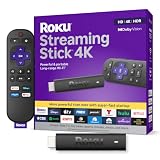
- Stunning 4K and Dolby Vision streaming made simple: With America’s number 1 TV streaming platform,* exploring popular apps—plus tons of free movies, shows, and live TV—is as easy as it is fun. *Based on hours streamed—Hypothesis Group
- Breathtaking picture quality: Stunningly sharp 4K picture brings out rich detail in your entertainment with four times the resolution of HD. Watch as colors pop off your screen and enjoy lifelike clarity with Dolby Vision and HDR10+.
- Seamless streaming for any room: With Roku Streaming Stick 4K, watch your favorite entertainment on any TV in the house, even in rooms farther from your router thanks to the long-range Wi-Fi receiver.
- Shows on the go: Take your TV to-go when traveling—without needing to log into someone else’s device.
- Compact without compromises: Our sleek design won’t block neighboring HDMI ports, so you can switch from streaming to gaming with ease. Plus, it’s designed to stay hidden behind your TV, keeping wires neatly out of sight
Trauma, Refracted Through Genre
Many of this year’s top miniseries grapple with trauma, but rarely in straightforward ways. Psychological wounds are filtered through crime thrillers, speculative sci-fi, historical reconstructions, and even dark comedy. Genre becomes a lens, not an escape, allowing creators to explore grief, guilt, and identity without leaning into melodrama.
The result is storytelling that feels layered rather than heavy. Viewers engage intellectually while still absorbing the emotional weight beneath the surface.
Smaller Casts, Deeper Performances
Another defining trend is narrative concentration. These series often center on one or two core performances, building entire worlds around interiority rather than scale. Fewer subplots mean more time spent inhabiting a character’s contradictions, silences, and moral gray zones.
This approach has turned limited series into actor showcases in the best sense. Performances feel lived-in, not heightened, reinforcing why miniseries remain awards-season powerhouses.
Visual Identity as Storytelling, Not Ornament
In 2025, strong visual design isn’t about spectacle but coherence. Cinematography, production design, and pacing are aligned with theme, often favoring restraint over flash. The look of these series communicates tone and psychology as clearly as dialogue.
That cohesion makes even high-concept premises feel grounded. Style serves story, and viewers intuitively sense when every aesthetic choice has narrative intent.
Moral Ambiguity Over Easy Catharsis
Perhaps most notably, the year’s best limited series resist clean moral math. Protagonists are compromised, institutions are suspect, and resolution doesn’t always equal justice. These stories trust audiences to sit with uncertainty rather than demanding emotional absolution.
In doing so, 2025’s standout miniseries reflect a broader confidence in viewers’ sophistication. They don’t simplify the world to be digestible; they shape complexity into something watchable, finite, and deeply resonant.
Independent reader supportYour contribution helps us test, update, and keep practical guides available for everyone.Where to Stream Each Miniseries (and Who They’re Best For)
With so many platforms chasing prestige, knowing where to look matters almost as much as knowing what to watch. These ten limited series aren’t just standouts creatively; they’re also shaped by the ecosystems that released them. Here’s where each one lives, and the kind of viewer most likely to be pulled into its orbit.
The Lighthouse Keepers — HBO
Streaming on HBO and Max, The Lighthouse Keepers is a slow-burning psychological drama that leans heavily on atmosphere and performance. HBO’s patience-first model allows the series to breathe, trusting viewers to sit with ambiguity rather than rush toward answers.
This one is best for viewers who loved character-driven prestige dramas like Mare of Easttown or Chernobyl, and who don’t need constant plot propulsion to stay engaged.
Blackwater Divide — Netflix
Netflix’s global reach suits Blackwater Divide, a cross-border crime story that moves between timelines and continents with sleek efficiency. Episodes end with just enough narrative pressure to make “one more” inevitable.
It’s ideal for binge-watchers who want high craft without sacrificing momentum, especially fans of layered thrillers like Mindhunter or The Night Agent with more psychological depth.
Static City — Apple TV+
Streaming on Apple TV+, Static City is a restrained sci-fi drama where the speculative elements exist mainly to explore grief and identity. Apple’s emphasis on visual polish and tonal consistency works in the show’s favor, giving it a cinematic calm.
This series is best for viewers who prefer thoughtful, concept-driven storytelling over spectacle, particularly those drawn to shows like Severance or Station Eleven.
American Parable — FX on Hulu
FX on Hulu continues its limited-series hot streak with American Parable, a morally complex historical reconstruction that resists easy heroes. The weekly release cadence helps the themes linger, encouraging discussion rather than consumption.
It’s a strong fit for viewers who appreciate challenging material and institutional critiques, especially fans of Dopesick or Under the Banner of Heaven.
Free tools Windows power users keep installed
One-click scans. No signup required.
Blood Meridian Road — Prime Video
Prime Video’s Blood Meridian Road blends neo-Western aesthetics with a modern crime narrative, using landscape as psychological pressure. Amazon’s platform gives it scale without overwhelming the intimate core of the story.
Best Value

- The Google TV Streamer (4K) delivers your favorite entertainment quickly, easily, and personalized to you[1,2]
- HDMI 2.1 cable required (sold separately)
- See movies and TV shows from all your services right from your home screen[2]; and find new things to watch with tailored recommendations for everyone in your home based on their interests and viewing habits
- Watch live TV and access over 800 free channels from Pluto TV, Tubi, and more[3]; if you find an interesting show or movie on your TV, mobile app, or Google search, you can easily add it to your watchlist, so it’s ready when you are[2]
- Up to 4K HDR with Dolby Vision delivers captivating, true-to-life detail[4]; and you can connect speakers that support Dolby Atmos for more immersive 3D sound
This one is best suited to viewers who enjoy gritty Americana and morally compromised protagonists, particularly those who gravitate toward slow, ominous storytelling.
After the Flood — Netflix
Another Netflix entry, After the Flood uses near-future disaster as a framework for examining class and survival ethics. The series balances accessibility with ambition, making its themes legible without flattening them.
It’s a smart pick for viewers who want socially conscious storytelling that still delivers tension, especially fans of grounded speculative dramas.
Outdated Drivers Are Slowing You Down
One free scan finds every outdated or missing driver and matches the right update for your exact hardware.Free scan · exact hardware matchWindows Errors? Fix Them Before They Spread
Repair common Windows errors and clear accumulated junk for a smoother, more stable PC - no reinstall needed.Free scan · no reinstallThe Quiet Season — Apple TV+
The Quiet Season streams on Apple TV+ and centers on a single fractured family over one pivotal summer. Its power lies in what’s withheld, with performances doing the emotional heavy lifting.
This miniseries is best for viewers drawn to intimate, actor-forward storytelling and patient pacing, rather than plot-heavy narratives.
Cold Evidence — HBO
HBO’s Cold Evidence revisits the true-crime format with a skeptical eye, focusing less on mystery-solving than on the human cost of obsession. The network’s documentary-drama hybrid approach gives it credibility and weight.
It’s ideal for viewers fatigued by sensational true crime but still interested in justice, memory, and moral accountability.
Do these 3 things before closing this tab:
1Repair Windows errors before they cause bigger problems2Scan for outdated or missing drivers - takes under a minute3Clear out junk files and repair common Windows errorsSignal Loss — FX on Hulu
Signal Loss is a compact techno-thriller that thrives on paranoia and information overload. FX’s confidence in sharp writing and controlled episode counts keeps the story tight and unsentimental.
This series works best for viewers who enjoy high-concept premises grounded in real-world anxieties, without the sprawl of multi-season arcs.
Inheritance Law — Netflix
Rounding out the list, Inheritance Law is a character-centric legal drama with global implications, streaming on Netflix. Its limited scope allows complex ethical questions to unfold without procedural filler.
It’s best for viewers who like dialogue-driven conflict and morally gray decision-making, particularly those who value performances over courtroom theatrics.
What’s actually slowing this PC down?
Pick the symptom - the matching free tool is one click away.
Final Verdict: The One Miniseries You Should Start Tonight
If there’s one new miniseries that best captures why the format remains television’s most reliable delivery system in 2025, it’s Signal Loss on FX via Hulu. In a year crowded with ambitious limited series, this one feels the most sharply calibrated to the moment we’re living in now.
Why Signal Loss Rises Above the Pack
What sets Signal Loss apart is its discipline. The show commits fully to its premise, explores it from multiple angles, and exits before repetition dulls its edge. Every episode advances the tension while deepening its commentary on surveillance, misinformation, and the psychological toll of living in a permanently connected world.
FX’s restrained approach pays off here, trusting the audience to stay engaged without overstating its themes. The result is a miniseries that feels urgent without being sensational, smart without being cold, and complete without dangling sequel bait.
The Best Starting Point for Overwhelmed Viewers
For viewers staring down an endless scroll of options, Signal Loss offers clarity. It’s tightly paced, easy to binge, and thematically resonant in a way that lingers after the final episode. You don’t need to commit weeks of attention or decode a sprawling mythology to feel rewarded.
That doesn’t diminish the strengths of the other standout miniseries released so far this year, many of which excel in intimacy, social commentary, or performance-driven drama. But Signal Loss is the one that balances craft, relevance, and momentum most cleanly.
In an era when even “limited” shows often overstay their welcome, this miniseries understands exactly how long it needs to be and exactly what it wants to say. Start here tonight, and you’ll be reminded why great television doesn’t need to be endless to be essential.
Quick Recap
Product prices and availability are accurate as of the date/time indicated and are subject to change. Any price and availability information displayed on Amazon at the time of purchase will apply.




