Free tools Windows power users keep installed
One-click scans. No signup required.
What does it mean for a city to be more than 5,000 years old? Archaeological evidence, urban origins, and continuous habitation are different measures, so ancient-city claims need to be read carefully. UNESCO describes Byblos as continuously inhabited since Neolithic times, while evidence at Jericho’s Tell es-Sultan and Damascus’s outskirts comes from distinct archaeological sites and periods.
How to read claims about ancient cities
The age of an archaeological site is not automatically the age of a city. Evidence may show human activity, a permanent settlement, urban development, or a documented city history; it may also come from a mound or a nearby site rather than the present urban center. UNESCO’s heritage records provide useful evidence for Byblos, Tell es-Sultan near Jericho, and Damascus, but they do not establish a definitive ranking of the world’s oldest cities.
| # | Preview | Product | Price | |
|---|---|---|---|---|
| 1 |

|
Lebanon | $28.99 | Buy on Amazon |
| 2 |

|
Lonely Planet Jordan: Plan the Trip of a Lifetime | Detailed Itineraries & Maps | Insider Tips |... | $13.60 | Buy on Amazon |
| 3 |

|
LEBANON TRAVEL GUIDE 2026 | $19.99 | Buy on Amazon |
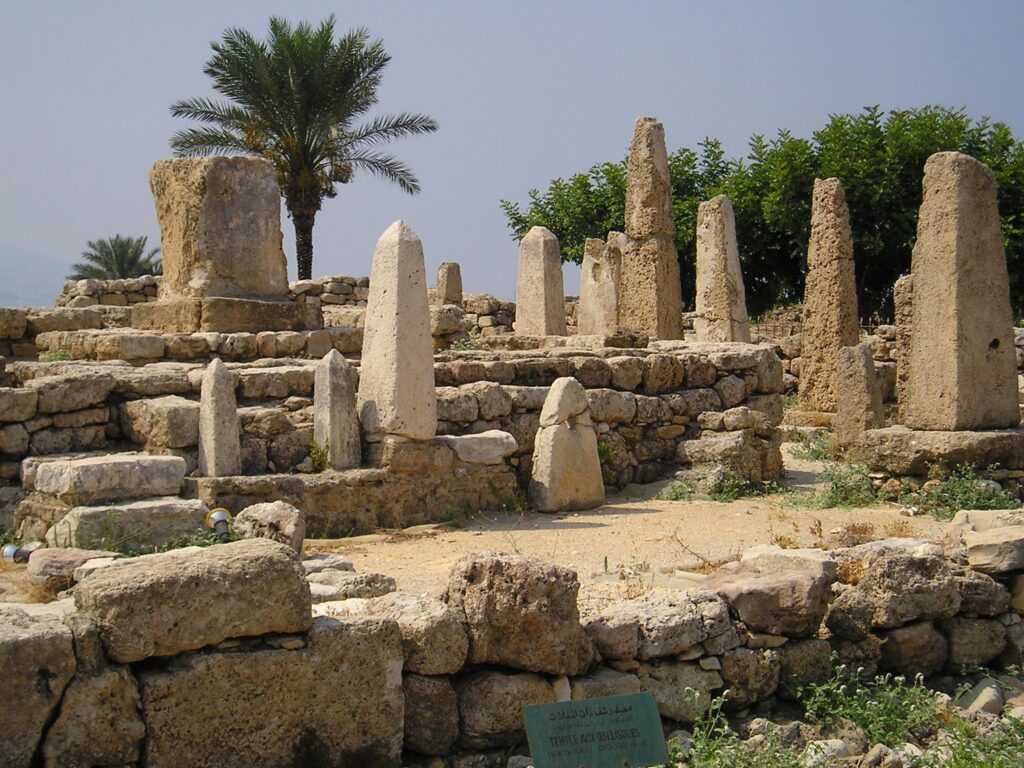
Byblos (Jbeil), Lebanon
Byblos, now known as Jbeil, is a coastal town about 40 km north of Beirut. UNESCO describes it as continuously inhabited since Neolithic times and says the first settlement, established by a fishing community, dates back 8,000 years. These descriptions concern the site’s long settlement history; they should not be treated as one exact founding date for an urban city.
UNESCO associates Byblos with the beginnings of Phoenician civilization and the diffusion of the Phoenician alphabet, including the inscription on Ahiram’s sarcophagus. The site preserves evidence from successive periods, including Bronze Age temples, Persian fortifications, Roman infrastructure, Byzantine churches, a Crusader citadel, and medieval and Ottoman town fabric.
Quick wins for a faster PC:
Clear out junk files and repair common Windows errorsFree Scan →Fix the driver behind crashes, sound loss and screen glitchesFind Drivers →Repair Windows errors before they cause bigger problemsFix Now →#1 Best Overall
The UNESCO World Heritage Centre describes Byblos this way: “Continuously inhabited since Neolithic times, Byblos bears outstanding witness to the beginnings of the Phoenician civilization.”
Jericho and Tell es-Sultan
UNESCO’s listed archaeological property is Tell es-Sultan, a mound northwest of present-day Jericho, together with an adjacent spring. Its archaeological deposits record human activity dating to about 10,500 BC. UNESCO says a sizeable permanent settlement existed there by the 9th to 8th millennium BC and documents twenty-nine occupation phases.
This is deep settlement evidence at an archaeological site. It does not by itself show that the present city of Jericho has had one uninterrupted urban history from that remote period, so claims about its age should specify Tell es-Sultan and the kind of evidence being discussed.
Damascus, Syria
UNESCO says historical and archaeological sources attest to Damascus’s origins in the third millennium BC. It separately notes that Tell Ramad, on the city’s outskirts, has evidence of habitation as early as 8,000–10,000 BC. The older evidence belongs to a nearby site and should not be presented as the founding date of the historic city.
UNESCO also notes that the earliest visible physical evidence in Damascus’s old city dates to the Roman period. That distinction matters: a place may have very ancient settlement evidence without equally ancient structures still visible to visitors.
Why a definitive six-city list needs more evidence
The title’s promise of five additional cities cannot be verified from the names and sources available here. The evidence reviewed supports discussing Byblos, Tell es-Sultan near Jericho, and Damascus with clear qualifications, but it does not establish five other cities older than 5,000 years under a consistent definition. Aleppo’s reviewed UNESCO record, for example, describes occupation evidence at its citadel dating to the 10th century BC, which does not substantiate an age over 5,000 years.
Before comparing a larger group, verify each place against the same questions:
- What is the earliest evidence: human activity, a permanent settlement, urban development, or written records?
- Does the evidence establish continuous habitation, or separate occupation phases?
- Is the evidence from the present city, an archaeological mound, or a nearby site?
- What survives: exposed remains, buried deposits, or later historic buildings?
- What does the cited heritage record actually establish, and how specifically?
FAQ
What does “older than 5,000 years” mean for a city?
It depends on the claim. It could refer to early human activity, a permanent settlement, urban development, or documented city origins. Those are not interchangeable, and continuous habitation is a separate question.
Recommended Free Tools
Rank #3
Does the evidence at Tell es-Sultan prove that modern Jericho is 10,500 years old?
No. UNESCO dates human activity in Tell es-Sultan’s archaeological deposits to about 10,500 BC and describes a sizeable permanent settlement there by the 9th to 8th millennium BC. The listed site is a mound and adjacent spring near present-day Jericho; that evidence should not be simplified into an uninterrupted history of the modern city.
Is Damascus’s origin as old as the evidence at Tell Ramad?
UNESCO places Damascus’s historically and archaeologically attested origins in the third millennium BC. Tell Ramad, on the city’s outskirts, has older habitation evidence, dating as early as 8,000–10,000 BC. These are different sites and claims.
Can these places be ranked as the oldest cities in the world?
Not from the evidence summarized here. A reliable ranking would need a consistent definition of “city” and comparable evidence for each place, including whether the claim concerns a site, urban origins, or continuous habitation.
Quick Recap
Product prices and availability are accurate as of the date/time indicated and are subject to change. Any price and availability information displayed on Amazon at the time of purchase will apply.