Anime that set their stories in alternate realities differ most in how much the other world matters. In some, the alternate setting is a backdrop for adventure. In others, its rules decide who lives, what gets changed, and what characters are willing to risk. The five titles below are ranked by that second kind of influence: how central the alternate reality is to the plot, how distinct its rules are, and how strongly the premise shapes what the characters choose to do.
This is an editorial ranking, not a poll, critics’ consensus, or audience vote. It covers five titles whose premises are documented on official pages, so each placement can be checked against its source.
| # | Preview | Product | Price | |
|---|---|---|---|---|
| 1 |

|
Justice League: The Flashpoint Paradox | Buy on Amazon | |
| 2 |
|
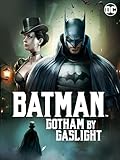
Batman: Gotham by Gaslight | $4.99 | Buy on Amazon |
Three meanings of “alternate reality”
The phrase covers at least three different storytelling devices, and comparing them only makes sense once you separate them.
- Another world or dimension. Characters are moved out of their original world into a place with its own society, dangers, and logic. The move itself is usually the story’s first event.
- Altered history. The same world is changed by a device, a return in time, or a decision that reshapes events. The reader is often asked to track what changed and what did not.
- Parallel lives. Several versions of the same people’s choices exist side by side, and the story moves between them to show what different paths produce.
A series can combine these. The table below lists the mechanism each ranked title leads with, which is the one that does the most work in its premise.
The Tool Desk
Outbyte PC Repair FREEClear out junk files and repair common Windows errorsFree Scan →Outbyte Driver Updater FREEFix the driver behind crashes, sound loss and screen glitchesFind Drivers →#1 Best Overall
How the five titles compare
| Rank | Title | How the alternate reality is reached | Distinctive rule or device | How the premise drives the plot |
|---|---|---|---|---|
| 1 | Steins;Gate | Altered history, set in 2010 Akihabara | A device that sends email to the past | Attempts to change history lead to a larger conspiracy and tragedy |
| 2 | Re:Zero − Starting Life in Another World | Transported to another world | Death triggers a return through time | The return mechanic is the core of the premise |
| 3 | No Game No Life | Summoned to Disboard by Tet | Disputes in the world are determined by games | Conflict is resolved through games |
| 4 | The Tatami Galaxy | Parallel lives of youths | Parallel worlds shown side by side | Characters’ choices are reconsidered across the paths |
| 5 | Sonny Boy | A school and its students drift into another dimension | Students gain abilities and travel through additional worlds | The main goal is finding a way back to the original world |
How the ranking works
Three criteria decide the order. Each is judged from the official premise, not from memory of the episodes.
- Centrality. Would the story lose its identity if the alternate setting were removed? Titles where the answer is yes rank higher.
- Distinctness of rules. Does the world operate by clear, specific principles that create conflict? A world with its own explicit mechanic scores above one defined only by its geography.
- Effect on choices. Does the premise force characters into decisions they would not otherwise face? Stronger effects rank higher.
No single criterion settles a placement. The ranking weighs all three, and a title that scores lower on one can still place above another that scores lower on two.
The ranked list
1. Steins;Gate: a device that reaches into the past
KADOKAWA’s official introduction to the Steins;Gate series page places the story in 2010 Akihabara and describes a device that sends email to the past. Attempts to change history lead to a larger conspiracy and tragedy. This ranks first because the altered-history mechanic is the premise rather than a side feature. Every choice about what to change carries a cost the characters must weigh, which gives the rules unusually direct consequences.
2. Re:Zero − Starting Life in Another World: death as a rewind
The official Re:Zero story page introduces Subaru as an ordinary student who finds himself in another world, and describes his death-triggered return through time. The world itself is a fantasy setting, but the return mechanic is what makes the premise distinct. Because each death sends the character back, the story constantly asks what he can afford to risk and what knowledge he can carry forward.
Outdated Drivers Are Slowing You Down
One free scan finds every outdated or missing driver and matches the right update for your exact hardware.Free scan · exact hardware matchPC Slower Than It Used to Be?
A free scan shows the junk files, broken settings and background clutter dragging Windows down - then fixes them in one click.Free scan · Windows 10 & 113. No Game No Life: a world where games decide disputes
The official No Game No Life episode synopsis says Sora and Shiro are summoned by Tet to Disboard, a world where disputes are determined by games. The rule is simple to state and central to every conflict, so the setting is not decoration. It ranks below the first two because the official synopsis describes the rule without showing how far it reshapes the rest of the story’s structure.
Rank #2
4. The Tatami Galaxy: parallel lives as an anthology
Fuji Television describes the series on its The Tatami Galaxy series page as “an anthology of the paranormal revealing the parallel worlds of youths craving romance and happiness in the uncertain future.” This is the clearest case of parallel lives in the group. The alternate worlds are versions of the same youths’ choices rather than separate lands, so the premise works through reconsideration rather than rules. That makes it strongly character-driven, but its mechanism is less explicit than the titles above it.
5. Sonny Boy: a school pulled into another dimension
The official Sonny Boy story page says a school and its students drift into another dimension, gain abilities, and try to find a way back to their original world, with journeys through additional worlds. The premise is a clear displacement, and the search for home gives the story direction. It ranks last because the official premise describes the displacement and abilities without setting out the specific rules of the worlds they visit, so its alternate reality carries less weight in the plot than in the titles above.
Independent reader supportYour contribution helps us test, update, and keep practical guides available for everyone.Watching these titles
Availability varies by country and changes over time, and this article does not establish which services currently carry any of these titles in your region. Check the official pages linked above for release information, and confirm current catalog listings with your local streaming services before you watch. The KADOKAWA page includes service information specific to Japan, which should not be assumed to apply elsewhere.
The Bottom Line
For the strongest use of an alternate reality as a rule-driven puzzle, start with Steins;Gate. For a premise where the alternate world’s rules hit characters emotionally and repeatedly, Re:Zero fits. For a lighter, game-governed world, No Game No Life is the choice. The Tatami Galaxy suits viewers interested in parallel choices, and Sonny Boy suits those who want a straightforward displacement story.
Quick Recap
Product prices and availability are accurate as of the date/time indicated and are subject to change. Any price and availability information displayed on Amazon at the time of purchase will apply.




