Do these 3 things before closing this tab:
1Fix the driver behind crashes, sound loss and screen glitches2Repair Windows errors before they cause bigger problems3Scan for outdated or missing drivers - takes under a minuteA list of ten celebrities whose careers were supposedly damaged by “cancel culture” is only as good as the evidence behind each entry. For most such entries, the evidence is a headline, a social media pile-on, or a single unnamed industry source. The original TheThings article with this title, dated March 6, 2021 and credited to Rafly Gilang, could not be checked against its full text, so its ten names and career claims are not verified here. What follows explains what would need to be shown for any of them, what one documented 2021 case does and does not establish, and how to test a career-impact claim yourself.
What can and cannot be relied on from the original title
- The article’s date and byline are established. Joseph Custer’s conference paper “Cancel Culture is more toxic than Censorship” cites a March 6, 2021 TheThings article by Rafly Gilang under this title. That reference confirms the piece existed in that form; it does not reproduce the article’s text.
- The ten subjects and their outcomes are not confirmed. Without the full text, there is no way to check which people were named, what each one said or did, or what professional consequence was attributed to each.
- The title’s framing is a claim in itself. “Canceled” describes public criticism and social pressure. It does not, on its own, show that a person lost a booking, a contract, a role, or an audience.
Four things that get merged into one “cancellation”
Most career-impact stories blend four separate events into one word. Keeping them apart is the only reliable way to judge a claim.
| # | Preview | Product | Price | |
|---|---|---|---|---|
| 1 |

|
Moonwalk: A Memoir | $23.38 | Buy on Amazon |
| 2 |
|
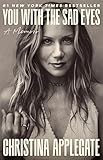
You with the Sad Eyes: A Memoir | $17.22 | Buy on Amazon |
| 3 |

|
Love, Pamela: A Moving Celebrity Memoir about Reclaiming Your Narrative | $9.85 | Buy on Amazon |
| 4 |

|
Friends, Lovers, and the Big Terrible Thing: A Memoir | $10.26 | Buy on Amazon |
| 5 |

|
Stories I Only Tell My Friends: An Autobiography | $9.44 | Buy on Amazon |
| Stage | What it is | Evidence that establishes it | Who controls it |
|---|---|---|---|
| 1. Triggering conduct | A statement, post, lyric, or act that drew criticism | The original recording, post, or transcript, with a date | The person themselves |
| 2. Public criticism | Online and press reaction, including boycott calls | Dated articles or posts; the volume of criticism is not itself proof of anything | Critics, media, audiences |
| 3. Institutional decision | A booking cancelled, a contract ended, a release shelved, a sponsor withdrawn | A notice, statement, lineup change, or contract record from the decision-maker | Promoters, labels, studios, sponsors, employers |
| 4. Career outcome | Whether the person’s work continued, slowed, or recovered | Later dated work: releases, tours, roles, lineups, revenue or chart data | The market, over time |
A claim can be well supported at stage 1 and still be unsupported at stage 4. Stage 2 is the most common source of confusion: criticism is loud and easy to document, but it does not by itself show that anyone acted on it.
The one documented case: DaBaby and festival bookings
The clearest example available is a TheThings report published August 6, 2021, titled “These 10 Celebs Have Already Been Cancelled In 2021.” It is a different article from the one this guide is about, and it is secondary reporting. It states that rapper DaBaby was dropped by several festival bookings after remarks he made at Rolling Loud in 2021.
#1 Best Overall
- What it establishes: that a 2021 outlet reported the booking changes at that time.
- What it does not establish: the individual festival decisions, the reasons each organizer gave, or whether the bookings stayed off the table afterward.
- What would confirm it: statements from the festival organizers or the artist’s representatives, and the published lineups for the affected events.
- What is still open: whether DaBaby’s career in the years since 2021 was affected. That requires dated evidence from 2022 to 2026, which a 2021 report cannot supply.
How to test a career-impact claim
Apply these steps to any entry on a list of “canceled” people, including the ones in the original article.
- Find the triggering statement with its date. Locate the original post, recording, or interview. Confirm the wording in context, not from a screenshot or a paraphrase.
- Name the decision-maker. Identify who made the consequential choice: a promoter, label, studio, sponsor, or employer. If no one is named, the claim is about press attention, not a professional decision.
- Look for a primary record of that decision. An official lineup change, a press release, a contract notice, or a statement from the decision-maker is far stronger than a report that “sources say” a booking was dropped.
- Check for competing explanations. Tour schedules, album cycles, contract expirations, and budget cuts often coincide with controversies. Timing alone does not show cause.
- Check whether the decision was reversed or superseded. A return to a lineup, a new release on the same label, or a reinstated partnership changes the meaning of an earlier cut.
- Date the current status. Replace any claim about “now” with the most recent dated evidence you can find, and state its date.
Dating outcomes: what a 2021 report can and cannot show
Most “career affected” stories were written within weeks of the controversy. They describe the moment, not the outcome. The table below separates what a report from that period can support from what needs later evidence.
Rank #2
| Question | Can a 2021 report establish it? | What would be needed |
|---|---|---|
| Did a specific booking or contract change in 2021? | Yes, if the report names the event, the decision, and the source | Organizer or representative confirmation |
| Was the change caused by the controversy? | Only if the decision-maker said so | A stated reason from the decision-maker, or a clear pattern across comparable cases |
| Is the person still working in 2026? | No | Dated releases, tours, roles, or lineups from 2025 to 2026 |
| Was the effect permanent? | No | Evidence of later bookings, returns, or reinstatements, or of their absence over several years |
Cautions when reading lists of “canceled” celebrities
- A list is not a sample. Ten names chosen for a headline do not represent how celebrity careers respond to controversy in general.
- Allegations are not findings. A report that someone was accused of misconduct is different from a court ruling, an admission, or a confirmed employer decision. Keep those categories separate.
- Apologies and reversals are part of the record. A list that omits what happened after a statement is incomplete.
- Legal matters follow different records. Where a case involved criminal or civil proceedings, the court docket is the relevant source, not social media or entertainment coverage.
- Labels can drift. Some entries may have been criticized but never lost work at all. Calling them “canceled” without evidence of a professional consequence overstates the claim.
Where to check
- Festival, venue, and tour organizers’ published lineups and official statements, with the archived version of the page where the original has changed (the Internet Archive’s Wayback Machine keeps dated snapshots).
- The artist’s own official channels, which record announcements, returns, and new projects with dates.
- Court dockets for any legal matter, which are the primary record of rulings and settlements.
- Entertainment trade press that reports bookings, label deals, and chart history, read alongside the primary notices they cite.
The original TheThings article can be used as evidence that a list like this was published in 2021. Its ten career claims should be verified one by one against the sources above before being repeated.
Independent reader supportYour contribution helps us test, update, and keep practical guides available for everyone.The Bottom Line
The title’s promise that these ten celebrities’ careers were affected cannot be confirmed from the available material. The one documented 2021 case, DaBaby’s reported festival booking changes, shows what a verifiable claim looks like, and it also shows how far a 2021 report can reach. Treat any career-impact entry as unverified until it names the decision-maker, cites a dated primary record, and is updated with current evidence.
PC Slower Than It Used to Be?
A free scan shows the junk files, broken settings and background clutter dragging Windows down - then fixes them in one click.Free scan · Windows 10 & 11Crashes, No Sound, or Screen Glitches?
Random freezes, missing sound and display glitches usually trace back to one bad driver. Find and replace yours safely.Free scan · under a minuteQuick Recap
Best Value
Product prices and availability are accurate as of the date/time indicated and are subject to change. Any price and availability information displayed on Amazon at the time of purchase will apply.




