Elsa Schiaparelli (1890–1973) was an Italian-born designer whose Paris fashion career fused traditional dressmaking with optical illusions, vivid color and Surrealist ideas. She is remembered for trompe-l’œil knitwear, the Shocking Pink associated with her name, and imaginative designs such as the lobster dress created with Salvador Dalí. Her original couture house closed in 1954; the Maison bearing her name was revived decades later, and its present-day work is distinct from Elsa’s own designs.
Who was Elsa Schiaparelli?
Schiaparelli was a fashion designer whose defining career unfolded in Paris between the 1920s and the mid-20th century. The Metropolitan Museum of Art places her among the era’s notable designers alongside Gabrielle Chanel and Madeleine Vionnet, while emphasizing her distinctive approach to fashion and artistic collaboration. Her clothes could be elegantly made and wearable, yet contain a visual surprise: an image that seemed to float on the fabric, a familiar object turned into jewelry, or a detail that challenged conventional ideas of decoration.
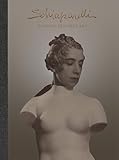


She treated clothing not just as a matter of cut and fit but as a medium for ideas. That approach made her work an important meeting point between fashion and modern art, especially Surrealism.
How did Schiaparelli become famous?
The trompe-l’œil sweater
One of Schiaparelli’s early breakthroughs was a hand-knitted sweater featuring trompe-l’œil—French for “deceive the eye”—motifs. The Maison dates the first example to 1927. Its designs included an apparently tied bow, a pierced heart, a skeleton and a sailor’s tattoo: images that made a plain garment seem to show something physically present or unexpected. The Maison says the sweater’s international popularity helped catalyze the fashion house.
#1 Best Overall
The idea captures a larger quality of her design: the garment could look conventional at first glance, then reward closer inspection with an illusion or joke.
From knitwear to a fashion house
The Maison’s chronology records a first fragrance, “S,” in 1929. In 1931, Schiaparelli collaborated with writer Elsa Triolet on an Aspirin Necklace, and by 1932 she was producing surrealist accessories. Her creative connections included artists and designers such as Salvador Dalí, Alberto Giacometti, Jean Cocteau and Man Ray. These relationships were not all the same kind of collaboration: the Maison specifically associates Triolet with the Aspirin Necklace and Dalí with the lobster dress.
What made her designs different?
Schiaparelli used familiar forms—tailored jackets, dresses, knitwear and accessories—as a setting for the strange or unexpected. The V&A describes her work as combining traditional tailoring with subversive details, unusual materials and Surrealist imagery. She brought those ideas to more than clothing, including jewelry, hats and other accessories.
- Optical play: trompe-l’œil motifs made fabric appear to contain bows, tattoos or other forms.
- Artistic imagery: Surrealist ideas and collaborations brought unexpected objects and body imagery into fashion.
- Color as identity: the vivid pink associated with Schiaparelli became part of the house’s visual language.
- Surprise within structure: traditional construction could carry an unconventional image or detail rather than serving as an end in itself.
The Met’s comparison with Chanel and Vionnet is useful as context, not as a ranking: Schiaparelli’s distinctive contribution was her particular combination of fashion design, visual wit and artistic exchange.
Rank #3
What was Schiaparelli’s relationship with Salvador Dalí?
Schiaparelli collaborated with Dalí, the Surrealist artist, on designs that translated the movement’s unexpected imagery into fashion. The best-known example is the lobster dress, dated by the Maison to 1937. The Maison identifies it as a Schiaparelli–Dalí collaboration and says Wallis Simpson wore it. The dress is a clear example of how a recognizable object could become an arresting part of a garment rather than merely a printed decoration.
Dalí was one of several artistic connections in Schiaparelli’s world. Her wider network included Elsa Triolet, Jean Cocteau, Man Ray and Alberto Giacometti; specific projects should be distinguished rather than treating every connection as the same kind of partnership.
What are Shocking Pink and the Shocking perfume?
In 1937, Schiaparelli launched the Shocking perfume and the vivid pink associated with it, according to the Maison’s chronology. The perfume bottle was inspired by a dressmaker’s bust and the curves of actress Mae West. The fragrance and its bottle extended her design sensibility beyond garments: color, shape and presentation could make a product part of a recognizable fashion identity.
Independent reader supportYour contribution helps us test, update, and keep practical guides available for everyone.What happened to her fashion house?
In 1954, Elsa closed the Maison de la Couture and devoted herself to her autobiography, Shocking Life. She died in 1973. That closure marks the end of her own couture operation; it should not be confused with the later revival of the Schiaparelli name.
Quick wins for a faster PC:
Fix the driver behind crashes, sound loss and screen glitchesFind Drivers →Repair Windows errors before they cause bigger problemsFix Now →Scan for outdated or missing drivers - takes under a minuteDriver Scan →Best Value
The official Maison chronology says the house reopened at Place Vendôme in 2012, returned to haute couture shows in 2014 and received the official Haute Couture label in 2017. It names Daniel Roseberry creative director from 2019. These are milestones of the revived Maison, not of Elsa’s lifetime career, and contemporary collections are not designs by Elsa Schiaparelli.
Quick Recap
Where can you learn more about Schiaparelli?
- Shocking Life is Schiaparelli’s autobiography. The V&A provides a reading recommendation and an extract about her first design: V&A: Elsa Schiaparelli—an introduction.
- The V&A’s collection overview is a useful way to explore Schiaparelli objects, including surrealist jewelry, perfume bottles, buttons and accessories: V&A collection: Elsa Schiaparelli.
- The Philadelphia Museum of Art’s exhibition catalogue, Shocking! The Art and Fashion of Elsa Schiaparelli, offers an illustrated survey of her career, garments and accessories: Philadelphia Museum of Art: Shocking!.
Product prices and availability are accurate as of the date/time indicated and are subject to change. Any price and availability information displayed on Amazon at the time of purchase will apply.




