In Tokyo Ghoul, a kagune is a ghoul’s predation organ: a weapon formed from RC cells released by its kakuhou. It can harden, soften and change shape, giving it different uses in hunting and combat. The four main types—Ukaku, Koukaku, Rinkaku and Bikaku—have distinct forms and general strengths, but type alone does not determine which ghoul wins a fight.
What is a kagune?
The official Tokyo Ghoul anime glossary defines a kagune as a ghoul’s predation organ, formed from RC cells released from the kakuhou. Shueisha’s Weekly Young Jump reference describes the released cells as flowing like blood and becoming tougher than teeth. Because they can harden and soften, the tissue moves like what the reference calls “liquid muscle”—a fictional in-universe description, not real biology.
| # | Preview | Product | Price | |
|---|---|---|---|---|
| 1 |
|
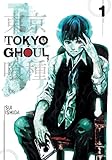
Tokyo Ghoul, Vol. 1 | $10.99 | Buy on Amazon |
| 2 |

|
Tokyo Ghoul, Vol. 2 | $10.07 | Buy on Amazon |
| 3 |

|
Tokyo Ghoul, Vol. 3 | $11.04 | Buy on Amazon |
| 4 |

|
Tokyo Ghoul, Vol. 4 | $9.55 | Buy on Amazon |
A kagune serves as a weapon for capturing prey and is often used in combat. Its ability to change form lets it serve different functions, from striking and guarding to attacking at range. The official glossary confirms that the four types have relative strengths and weaknesses against one another.
The four kagune types
Shueisha’s reference distinguishes the types by where and how they emerge, as well as their typical combat characteristics:
#1 Best Overall
- Tokyo Ghoul Volume 1
- Ghouls live among us, the same as normal people in every way
- Shy Ken Kaneki is thrilled to go on a date with the beautiful Rize.
| Type | Emergence and form | Strengths | Tradeoffs |
|---|---|---|---|
| Ukaku | Feather-like, emerging around the shoulders | Light and fast; suited to close and long-range attacks | Limited endurance |
| Koukaku | Metallic in appearance, emerging below or near the shoulder blade | The most durable of the four types | Its weight reduces speed and makes it harder to handle |
| Rinkaku | Scale-like tentacles emerging around the waist | Strong power and regeneration | The RC-cell bonds that support regeneration also leave it more brittle |
| Bikaku | Projects like a tail from around the coccyx | Balanced and particularly effective at mid-range; the reference notes no notable weakness | No notable weakness is stated in the reference |
Ukaku: speed at a cost
Ukaku’s light, feather-like form supports speed and attacks at both close and long range. Its limitation is endurance, so its quickness does not mean it can sustain effort indefinitely.
Koukaku: protection and weight
Koukaku is the most durable type, but its heavier form is slower and more difficult to control. Its defensive advantage comes with a mobility tradeoff.
Rank #2
- Track important events like birthdays, anniversaries, holidays, and other special occasions so you don’t forget.
- Keep up with activities such as meetings, dates, appointments, and deadlines.
- Organize work projects and tasks to stay on track throughout the year.
- Jot down ideas and keep a running “to do” list of things you want to accomplish.
- Set reminders for yourself to motivate yourself to reach your goals.
Rinkaku: force and regeneration
Rinkaku’s tentacles bring strong offensive power and regeneration. The same RC-cell bonds associated with that regenerative ability make the structure more brittle.
Bikaku: a balanced middle range
Bikaku’s tail-like form is especially effective at mid-range. Shueisha’s reference characterizes it as balanced and says it has no notable weakness.
Recommended Free Tools
Rank #3
- Track important events like birthdays, anniversaries, holidays, and other special occasions so you don’t forget.
- Keep up with activities such as meetings, dates, appointments, and deadlines.
- Organize work projects and tasks to stay on track throughout the year.
- Jot down ideas and keep a running “to do” list of things you want to accomplish.
- Set reminders for yourself to motivate yourself to reach your goals.
What type matchups mean
Shueisha’s chart presents the types in the order Ukaku, Koukaku, Rinkaku and Bikaku, and describes each as having an advantage against the type above it and a weakness against the type below it. The official anime glossary independently confirms that the types have relative advantages and disadvantages. This is a general compatibility system, not a guarantee that a particular type will win every encounter.
A type label describes broad tendencies, not the complete ability of an individual ghoul. The character’s circumstances and how the kagune is used still matter; the references do not present the four categories as a universal ranking of fighters.
Rank #4
How characters illustrate the types
Bandai Namco’s feature for the 2019 game Tokyo Ghoul:re CALL to EXIST offers examples of how some character kagune are presented in combat: Nishiki’s Bikaku can bind or attack at range, Tsukiyama’s Koukaku can pierce or guard, and Touka’s Ukaku is portrayed as fast and long-range. These are examples from the game publisher’s feature, rather than the foundational definition of kagune or a ranking of the types.
Where to read the source story
The manga is the source story for the characters and their kagune. VIZ’s official catalog lists Tokyo Ghoul and Tokyo Ghoul:re manga volumes and complete box sets.
The Tool Desk
Outbyte Driver Updater FREEFix the driver behind crashes, sound loss and screen glitchesFind Drivers →Outbyte PC Repair FREEClear out junk files and repair common Windows errorsFree Scan →Quick Recap
Product prices and availability are accurate as of the date/time indicated and are subject to change. Any price and availability information displayed on Amazon at the time of purchase will apply.