Taylor Swift has described “Blank Space” as satire: its narrator performs an exaggerated version of the glamorous, unstable serial dater she felt the media had made her out to be. The song is not a factual confession about Swift’s relationships or proof that its lines describe a particular ex. Its sharpest joke is that the narrator turns the stereotype—and the idea of turning romance into songwriting—into a theatrical pop performance.
What “Blank Space” means
Swift explained the song’s intent in a 2015 GQ interview: “Some of the things I write about on a song like ‘Blank Space’ are satire.” She said the character grew from how she felt the media had portrayed her: “That was the character I felt the media had written for me, and for a long time I felt hurt by it.”

![Taylor Swift - 1989 (Taylor’s Version – Aquamarine Green) [CD]](https://m.media-amazon.com/images/I/519XWImLuIL._SL160_.jpg)
![1989 (Taylor's Version) by the artist Taylor Swift (Rose Garden Pink Deluxe Poster Edition) [CD]](https://m.media-amazon.com/images/I/61fDtzbn8vL._SL160_.jpg)

She also said she used creative license to make the character’s behavior “larger than life.” The narrator is therefore best understood as a deliberately heightened role: alluring, volatile and ready to turn a new romance into another story. Swift acknowledged that listeners might mistake the joke for confirmation of the caricature, but her stated intent makes a strictly autobiographical reading incomplete.
How the song makes the satire audible
The lyrics lean into the narrator’s dramatic romantic persona rather than presenting a restrained account of a relationship. The production adds a pointed musical joke: a pen-click sound lands around the moment she offers to write a lover’s name. In its 2014 review of 1989, TIME noted the sound, which makes the act of songwriting part of the punchline. The song’s narrator is not just performing a stereotype; she is performing the stereotype’s imagined habit of turning romance into lyrics.
The Tool Desk
Outbyte Driver Updater FREEScan for outdated or missing drivers - takes under a minuteDriver Scan →Outbyte PC Repair FREERepair Windows errors before they cause bigger problemsFix Now →#1 Best Overall
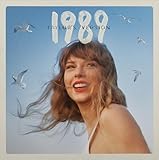
- The 1989 album changed my life in countless ways, and it fills me with such excitement to announce that my version of it will be out October 27th
Where the song fits on 1989
“Blank Space” appears on 1989, the synth-led pop album whose sound and self-aware writing drew attention in contemporary coverage. TIME placed the song within the record’s synth-and-drum-driven direction and read its romantic narrator as an exaggeration of Swift’s media image. GRAMMY later described it as the album’s exuberant second single and likewise characterized it as satire of the press’s serial-dater image of Swift.
That reading is not merely an interpretation imposed after the fact: it aligns with Swift’s own explanation of the character. At the same time, intent does not dictate every listener’s response. A listener can enjoy the song’s drama or hear it differently without changing what Swift said she was doing.
Rank #2
Why it is often singled out—and what rankings can show
“One of her best songs” is a judgment, not a measurable consensus among fans. GRAMMY’s 2023 Taylor Swift essentials guide praises the track’s self-awareness. Axios placed it at No. 7 in its 2024 ranking of Swift songs. Those are named editorial assessments, not results from a representative fan poll.
Axios also reported that “Blank Space” spent seven weeks at No. 1 on the Billboard Hot 100. That is a chart-performance figure, not evidence that a particular share of fans ranks it among Swift’s best. The more grounded explanation for the song’s lasting appeal is in the work itself: a clear satirical premise, a vivid narrator, and an arrangement that makes the writing process part of the joke.
Quick Recap
Best Value
Rank #4
Product prices and availability are accurate as of the date/time indicated and are subject to change. Any price and availability information displayed on Amazon at the time of purchase will apply.




