The Tool Desk
Outbyte PC Repair FREERepair Windows errors before they cause bigger problemsFix Now →Outbyte Driver Updater FREEFix the driver behind crashes, sound loss and screen glitchesFind Drivers →In a 2019 interview with Scroll.in, Andrew Sean Greer describes Less as a comic novel shaped by sadness, heartbreak and the humiliations of ageing. The book follows Arthur Less, a writer nearing fifty who accepts literary invitations around the world to avoid his former boyfriend’s wedding. Greer’s comments illuminate how he made that premise funny without treating its pain as trivial—and what the 2018 Pulitzer Prize for Fiction meant to him.
What Less is about
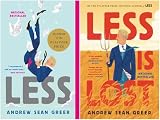
Less follows Arthur Less as he travels from one literary engagement to another rather than attend his former boyfriend’s wedding. The trip gives the novel a framework for exploring heartbreak, ageing and the writer’s life on the literary circuit. Scroll.in describes it as Greer’s fifth novel in its February 3, 2019 interview.


Arthur’s optimism does not mean that he escapes suffering. Greer told Scroll.in that Arthur presses on with a kind of innocence, but also experiences humiliation. Greer said he had the ending’s happiness in mind; to give the story structure before it reached that joy, he believed he needed to take things away from Arthur.
Why Greer made a sad story comic
Greer told Harsimran Gill that the book was about “the saddest things I can think of” and the most difficult things in his life. Comedy, he said, made those subjects readable and gave him room to play with language. He described the comic novels he likes as works born from sadness.
#1 Best Overall
In a separate Stanford Daily interview, Greer said he enjoyed making fun of Arthur while also relishing the variety and detail of the places he visits. He chose the options that seemed most fun to him for the book’s metaphors, characters and settings, while noting that he would not know how to reproduce the same result on command.
Greer on writing gay characters and queer literature
Greer said that political argument in fiction had felt propagandistic and unconvincing to him. His alternative, as he put it to Scroll.in, was to write gay characters who “feel like real people.” He also imagined queer literature becoming less bound by a simple gay/straight divide, with more room for people who feel like sexual or gender outsiders.
Rank #2
These are Greer’s views in a 2019 interview, not a claim to speak for every queer reader or writer. His emphasis is on creating believable characters and widening the space literature makes for lives outside familiar categories.
What the Pulitzer meant to Greer
Less won the 2018 Pulitzer Prize for Fiction. Asked whether the award changed his relationship to writing, Greer said it surprised him while he was beginning a new book and interrupted his writing. He also said that leaving a time-consuming job gave him more freedom.
He found it gratifying that “it was my gay comedy” that received major recognition. In the Stanford Daily’s January 23, 2019 interview, he also described feeling pressure and responsibility after winning. The award affirmed the book, but it did not make the next act of writing feel automatic.
Books Greer named as influences
In the Stanford Daily’s January 24, 2019 interview, Greer named Vladimir Nabokov’s Pnin and John Updike’s Bech books as influences while writing Less. They are useful context for readers curious about the literary conversation behind the novel, not a ranked list of substitutes for it.
Rank #4
In that interview, Greer also recommended older or then out-of-fashion works to students and reflected on the writing process. He described trying to become Kurt Vonnegut before recognizing a more “sappy” voice in himself, and said that “the weird thing about the story is the thing that has to stay.” These remarks suggest an approach rooted in accepting the particular qualities of a story rather than forcing it into a preconceived style.
Independent reader supportYour contribution helps us test, update, and keep practical guides available for everyone.Where to read the interview
Read Harsimran Gill’s February 3, 2019 Scroll.in interview with Andrew Sean Greer for the conversation about sadness, comedy, queer characters and the Pulitzer. The Stanford Daily’s January 23, 2019 interview discusses comedy and writing, while its January 24, 2019 follow-up covers influences and recommendations.
Quick Recap
Best Value
Product prices and availability are accurate as of the date/time indicated and are subject to change. Any price and availability information displayed on Amazon at the time of purchase will apply.