Quick wins for a faster PC:
Fix the driver behind crashes, sound loss and screen glitchesFind Drivers →Clear out junk files and repair common Windows errorsFree Scan →Scan for outdated or missing drivers - takes under a minuteDriver Scan →“Dikhai Diye Yun” is a film song from *Bazaar* (1982), sung by Lata Mangeshkar and composed by Khayyam, with poetry by Mir Taqi Mir. Calling it both a ballad and an elegy is an interpretation of its tender performance and its movement from absorbed love toward despair—not a documented genre label. Khayyam himself described the opening as love so consuming that the speaker becomes separated even from the self.
Who made “Dikhai Diye Yun”?
The song is associated with the Hindi film Bazaar, identified as a 1982 film. Its central credits are Lata Mangeshkar as singer, Khayyam as composer and Mir Taqi Mir as poet or songwriter. These credits are consistent across Hindi Kala, Saregama’s album listing and Saregama Carvaan’s song list. Hindi Kala · Saregama · Saregama Carvaan song list


![Veer [2 DVD Set] (New Hindi Film / Bollywood Movie / Indian Film DVD)](https://m.media-amazon.com/images/I/415oiH082qL._SL160_.jpg)
There is a date discrepancy in the available listings: Apple Music displays March 28, 1981 for “Dikhai Diye Yun, Pt. 1,” while the film is identified as *Bazaar* (1982). The listings do not explain the difference, so the track date should not be confused with the film year. Apple Music track listing
What does the opening couplet mean?
Khayyam offered a direct interpretation of the opening thought in an interview about his work with Lata Mangeshkar: “It was such a tender thought of love saying-“Since the time I saw you, I have been so enamored by your thoughts that I have even become separated from my own self.” This is Khayyam’s paraphrase of the poem, rather than a translation attributed to a named translator. Cinema Sangeet interview
#1 Best Overall
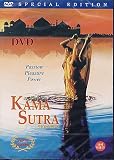
- - Format: DVD
- - Language : English
- - Subtitles : Korean, Subtitle Off
- - Region : Region 0/All (1/2/3/4/5/6)
- - Running : Time 112 Min
The idea is more than simply forgetting oneself in the beloved’s presence. The speaker’s attention has become so completely absorbed that even the self feels estranged. That paradox gives the song its intimate ache: love is not described as possession or happiness, but as a state that loosens one’s ordinary sense of identity.
How do prayer and worship change the song’s meaning?
In the text presented for the film song, the speaker’s language turns toward repeated prostration and worship. The beloved is figured through devotional imagery, including the image of an idol. These are poetic metaphors: they make romantic longing sound like reverence, and they intensify the feeling that the speaker’s love has become an all-encompassing practice.
The lyric then shifts toward departure and an image rendered in English as leaving soaked in blood or despair. The wording varies by translation, and it is best read as metaphor rather than as a literal event. Set beside the prayer imagery, this ending gives the song an elegiac effect: devotion has not resolved the longing, and the beloved’s absence leaves the speaker in pain. Hindi Kala’s text and English rendering
Why describe it as both a ballad and an elegy?
“Ballad” and “elegy” are useful descriptions of how the song can feel, but the sources identify it as a film song drawn from a ghazal by Mir Taqi Mir, not as a formal ballad or elegy. The ballad-like quality lies in its unfolding emotional arc: self-loss in love gives way to devotion and then to despair. Its elegiac quality comes from the final sense of loss, not from a claim that the song belongs to a formal elegiac genre.
Free tools Windows power users keep installed
One-click scans. No signup required.
Rank #3
![Kuch Kuch Hota Hai (Bollywood Movie / Indian Cinema / Hindi Film) [DVD]](https://m.media-amazon.com/images/I/512aBglX4RL._SL160_.jpg)
- Original Yash Raj Films DVD
The words and performance work together in that reading. Khayyam singled out a delicate murki—the ornamented turn in the melody—on “Judaa” (“separated”) as a highlight: “The delicate murki on the word Judaa is the highlight here.” The musical detail draws attention to separation at the very point where the lyric’s central paradox is expressed. Cinema Sangeet interview
Is the film song the whole ghazal?
The text presented as the film song contains four couplets, while the same Hindi Kala page also gives a longer ghazal text. This indicates that the film song draws on a larger poetic work; it does not establish that the film version performs every couplet of the ghazal. The distinction matters because the song’s compact movement toward despair should not be treated as a complete account of the longer poem.
Independent reader supportYour contribution helps us test, update, and keep practical guides available for everyone.How should the English translation be read?
An English rendering can clarify the movement between self-loss, worship and despair, but it cannot settle every nuance of the Urdu poetry. Hindi Kala’s translation is one interpretive aid, while Khayyam’s interview gives his own explanation of the opening. Read the translated wording as a guide to the images, not as a definitive literal version. The distinction also prevents the song’s devotional language from being flattened into a single plot summary: it is a poetic vocabulary for the intensity of longing.
Quick Recap
Product prices and availability are accurate as of the date/time indicated and are subject to change. Any price and availability information displayed on Amazon at the time of purchase will apply.




