The Tool Desk
Outbyte Driver Updater FREEFix the driver behind crashes, sound loss and screen glitchesFind Drivers →Outbyte PC Repair FREERepair Windows errors before they cause bigger problemsFix Now →For a strong first listen to Neil Young, start with After the Gold Rush and Zuma. They offer two distinct entry points into his catalog: the former is the named companion for listeners drawn to Young’s early-’70s work; the latter is a nine-song 1975 album that anchors a broader run of records from the period. “Essential” is a listening recommendation, not an official or universally agreed ranking.
Why start with these two albums?
Young’s catalog can be daunting if you are looking for a first album or a next one. After the Gold Rush and Zuma make a useful pair because they give you two points of entry rather than one supposed definitive answer. Begin with whichever title better matches your interest, then use the surrounding records to explore further.
| # | Preview | Product | Price | |
|---|---|---|---|---|
| 1 |
![Harvest [CD]](https://m.media-amazon.com/images/I/41qATuItIyL._SL160_.jpg)
|
Harvest [CD] | $16.99 | Buy on Amazon |
| 2 |

|
Harvest | $38.39 | Buy on Amazon |
| 3 |

|
Neil Young Classics 2-Pack: Harvest (1972) + Harvest Moon (1992) | $32.95 | Buy on Amazon |
| 4 |

|
Neil Young - Harvest (CD) | $18.99 | Buy on Amazon |
| 5 |
|
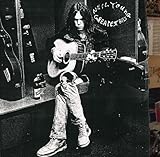
Greatest Hits | $13.59 | Buy on Amazon |
After the Gold Rush: the other starting point
Warner Records lists an After the Gold Rush 50th Anniversary Edition Vinyl Box in its catalog. The listing establishes that the edition exists, but its contents and current stock should be checked on the live page before buying; the format alone does not tell you whether it is the right edition for your needs.
Zuma: a focused 1975 album
Warner Records gives Zuma a release date of November 10, 1975, and credits Neil Young, David Briggs and Tim Mulligan as producers. Its nine-song sequence is: “Don’t Cry No Tears,” “Danger Bird,” “Pardon My Heart,” “Lookin’ for a Love,” “Barstool Blues,” “Stupid Girl,” “Drive Back,” “Cortez the Killer” and “Through My Sails.” See the official Zuma vinyl listing for the album details; it showed the product as sold out when checked, and availability may vary by region or change.
#1 Best Overall
Where Zuma fits in Young’s catalog
Warner Records places Zuma within the 1972–1976 period covered by Neil Young Archives Vol. II. The label also names On the Beach and Tonight’s the Night among the albums from this span. That is useful context for exploring the era, not a ranking of the records or a claim that they sound alike.
The official Archives Vol. II product page describes different presentations with different track counts: one description refers to 131 tracks, including 62 unreleased songs or versions, while the 10-CD deluxe set is described as containing 139 tracks. Treat those as edition-specific figures rather than a single count for every version. The box is an optional deeper dive into the period, not a prerequisite for hearing Zuma.
Rank #2
What is Dume—and how is it different from Zuma?
Dume is a separate archival collection, not another title for the original Zuma album. In its February 23, 2024 announcement, Warner/Reprise described it as a 16-track collection first included in Archives Vol. II on CD. It draws partly on recordings from the Zuma sessions and partly on previously unreleased material. The label’s release notes say: “ZUMA, named after the beach they lived near, came together in wide-open sessions that had the air of freedom itself.” That wording is from the label’s press release, which does not name an individual speaker.
The collection’s track list is “Ride My Llama,” “Cortez the Killer,” “Don’t Cry No Tears,” “Born to Run,” “Barstool Blues,” “Danger Bird,” “Stupid Girl,” “Kansas,” “Powderfinger,” “Hawaii,” “Drive Back,” “Lookin’ for a Love,” “Pardon My Heart,” “Too Far Gone,” “Pocahontas” and “No One Seems to Know.” Warner/Reprise later issued Dume on vinyl; check the official Dume listing for its current format and availability.
Do these 3 things before closing this tab:
1Fix the driver behind crashes, sound loss and screen glitches2Repair Windows errors before they cause bigger problems3Scan for outdated or missing drivers - takes under a minuteRank #3
- Includes the classics 'Heart of Gold' 'Old Man' and 'Harvest Moon'
Which album or release should you choose next?
| If you want… | Choose… | Why |
|---|---|---|
| A place to start with the two albums named here | After the Gold Rush or Zuma | They are distinct entry points; choose based on which title or period interests you. |
| The original nine-song 1975 album | Zuma | It is the original album, rather than an archival collection. |
| More recordings connected to the Zuma period | Dume | It is a separate 16-track archival set with session material and previously unreleased recordings. |
| A wider view of Young’s 1972–1976 output | Neil Young Archives Vol. II | It covers the broader period and has edition-specific contents; it is a larger commitment than a single album. |
For physical editions, confirm the exact format, contents and stock on the current retailer page. Catalog listings and availability can change, and a product page does not establish that an edition is in stock in every region.
Independent reader supportYour contribution helps us test, update, and keep practical guides available for everyone.What to listen for as you explore
Use the releases as different listening routes, not as a checklist with a definitive order. Try After the Gold Rush first if that title is your point of curiosity; choose Zuma if you want the original 1975 album; move to Dume when you want archival material related to its sessions. If you want context beyond those records, On the Beach and Tonight’s the Night are other albums the label places in the same broad period as Zuma.
Quick Recap
Best Value
- Neil Young - Greatest Hits Brazil Import
Rank #4
Product prices and availability are accurate as of the date/time indicated and are subject to change. Any price and availability information displayed on Amazon at the time of purchase will apply.




