The Afghan rubab is a plucked, unfretted lute with a lively, percussive sound. Its music belongs to more than one country: UNESCO’s 2024 inscription recognizes the art of crafting and playing rubab or rabab in Afghanistan, Iran, Tajikistan and Uzbekistan. In Afghanistan, musicians such as Ustad Mohammad Omar and Homayun Sakhi carry the instrument into performance and teaching, while makers pass on the hands-on skills needed to craft it.
What does the Afghan rubab sound like?
The Metropolitan Museum of Art describes the Afghan rubab as a plucked, unfretted lute with a lively, percussive sound. Its record includes a 2013 performance, “Valley,” composed and played by Quraishi with Samir Chatterjee on tabla. Listening to the two instruments together offers a way to notice how a plucked melody and tabla rhythm can interact; it is one musical example, not a template for every rubab performance. Listen to the Met’s performance and view the instrument record.

How is a rubab made?
A specific early-20th-century Afghan rubab in the Met collection was carved from a single piece of mulberry wood, covered with skin and decorated with mother-of-pearl inlay. That is a description of this museum object, not a rule for every instrument called rubab.
Across the wider regional tradition, UNESCO identifies carpentry, woodcarving, marquetry and inlay among the crafts involved in making rubab or rabab. Knowledge is typically passed on through hands-on practice, often within families. The precise construction and craft traditions should not be assumed to be identical across all four countries in the inscription. UNESCO’s heritage entry describes the craft and its transmission.
#1 Best Overall

- Condition New: A brand-new, unused, unopened, undamaged item in its original packaging (where packaging is ... Read moreabout the condition Sympathetic Strings 13 Color Brown Main Strings 4 MPN Does not apply Year Manufactured 2025 Material Tunwood Vintage No Brand VadyaYantra Handedness Right Handed Model Afghani Rebab Instrument Rebab Experience Level Beginner, Advanced, Expert Country of Origin India Handmade Yes UPC Does not Apply Category breadcrumb Books, Movies & Music String Folk & World Rebabs
Where is rubab music heard?
UNESCO describes rubab or rabab as part of celebrations, weddings, funerals, gatherings and ritual healings, as well as orchestral performances, contemporary music and multinational ensembles. The instrument’s place in community life extends beyond the concert stage: the heritage entry describes master players as respected elders who may initiate ceremonies and rituals.
The 2024 inscription covers Afghanistan, Iran, Tajikistan and Uzbekistan. UNESCO calls the instrument “a unifying factor” among people in these countries and links the tradition to social cohesion and cultural exchange, including among migrant communities. It is therefore more accurate to speak of a shared regional heritage than to treat rubab as belonging exclusively to one national tradition.
Rank #2

- Handcrafted Excellence: The Handicraft Miniature Musical Instrument Rubab Fridge Magnet is meticulously crafted by awarded Indian artisans, ensuring a unique and high-quality piece.
- Premium Mango Wood: Made from premium mango wood, this Rubab magnet features a rich, dark brown finish, adding elegance and durability.
- Perfect Size: Measuring 6.5 inches, this miniature Rubab is ideal for decorating your fridge, locker, or any magnetic surface, making it a versatile and eye-catching accessory.
- Ideal for Gifting: This beautifully handcrafted Rubab magnet is a thoughtful and unique gift for music lovers, art enthusiasts, and those who appreciate Indian culture and craftsmanship.
- Cultural Heritage: Celebrate the rich musical heritage of India with this miniature Rubab, a traditional instrument with deep cultural and spiritual significance.
Who are the Afghan rubab’s notable players?
Ustad Mohammad Omar
Smithsonian Folkways includes recordings by Ustad Mohammad Omar in educational material about the Afghan rubab. Its listening activities draw attention to rhythm and classical repertoire, making his work one entry point for learning about the instrument’s performance practice. Explore the Smithsonian Folkways lesson plan.
Homayun Sakhi
Smithsonian Folkways’ liner notes describe Homayun Sakhi as born in Kabul into a musical family and as a student of rubab under his father, Ustad Ghulam Sakhi. The notes connect his musical education with North Indian classical raga as well as Afghan folk and popular music. They also place his family’s lineage within a history of North Indian classical musicians brought to Kabul in the 1860s. This is a documented account of Sakhi’s musical background, not a complete origin story for the rubab. Read the Smithsonian Folkways liner notes.
Recommended Free Tools
Rank #3
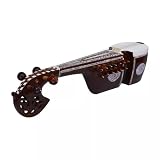
- Rubab or Rabab is a Musical Instrument from Afghanistan. It is also played in Iran and Pakistan. It is getting popular in Europe and other Northern Countries
- It is commonly used in ensembles and to play instrumental solos
- This Rabab has 2 Drone Strings, 3 Main Strings and 13 Sympathetic Strings which produces classic folk sound
- With dampness, the string pressure will force the skin downwards at the bridge. Please keep the Rubab near the fire place or under direct sunlight to tighten the skin
Quraishi
The Met identifies Quraishi as the composer and rubab performer on “Valley,” its 2013 demonstration, with Samir Chatterjee on tabla. The recording gives listeners another documented Afghan rubab performance to explore.
How do players learn the tradition?
The master-apprentice relationship is central to the account of Sakhi’s training: he learned from his father, Ustad Ghulam Sakhi. Smithsonian Folkways’ educational material also makes that relationship part of its teaching about the Afghan rubab, alongside the instrument’s anatomy, modes, rhythm and performance practice. Taken together with UNESCO’s description of craft knowledge transmitted through practice, these sources show how both playing and making depend on knowledge passed between people.
Rank #4
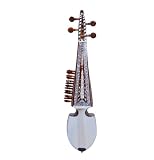
- HANDCRAFTED INSTRUMENT: Each Rabab is carefully handcrafted by skilled artisans, ensuring authentic craftsmanship and unique character.
- VERSATILE MUSICAL USE: Perfectly suited for both folk and classical music styles, making it ideal for a wide range of musical traditions.
- TRADITIONAL DESIGN: The Afghani Rubab features a traditional Indian and Afghan design, staying true to its rich cultural heritage.
- AUTHENTIC SOUND: Produces the deep, resonant tones characteristic of the Rabab, delivering a rich and expressive musical experience.
- CULTURAL SIGNIFICANCE: A historically revered instrument in South and Central Asian music, great for students and professional musicians alike.
Smithsonian Folkways’ lesson plan describes the Afghan rubab as Afghanistan’s “national instrument.” That phrase is the educational source’s characterization; it should not be read as a legal designation. The broader UNESCO inscription, meanwhile, names a shared heritage spanning four countries.
Independent reader supportYour contribution helps us test, update, and keep practical guides available for everyone.Is the rubab related to the sarod?
The Met says the rubab “may be the ancestor of the sarod.” The museum’s wording is deliberately qualified, so the relationship is best presented as a possibility rather than a settled account of the instruments’ history. The sources cited here do not provide a technical side-by-side comparison of Afghan rubab and sarod, or of rubab variants across the four countries.
Quick Recap
Listen and learn
- Hear a performance: The Met’s “Valley” features Quraishi on rubab and Samir Chatterjee on tabla.
- Explore players and musical concepts: Smithsonian Folkways’ lesson plan uses recordings by Ustad Mohammad Omar and Homayun Sakhi to introduce rhythm, modes, performance practice and rubab anatomy.
- Follow a player’s musical background: The Smithsonian Folkways liner notes discuss Homayun Sakhi’s apprenticeship and the musical traditions that shaped his learning.
Product prices and availability are accurate as of the date/time indicated and are subject to change. Any price and availability information displayed on Amazon at the time of purchase will apply.




