No—Jerusalem cherry (Solanum pseudocapsicum) is poisonous and should not be eaten. But the available sources do not confirm that the specific berry Alicia Silverstone tried was this plant. The answer about the species is clear; the berry’s identification is not.
What is Jerusalem cherry?
Jerusalem cherry is the common name for Solanum pseudocapsicum, a small ornamental shrub that produces glossy red-orange berries. North Carolina State Extension identifies the plant and describes its appearance, while Queensland Health’s Poisons Information Centre says all parts are poisonous, with particular concern for unripe fruit. MedlinePlus also says poisonous material is present throughout the plant, especially in unripe fruit and leaves. There is no safe-to-eat ripe-berry exception established by these sources.
Appearance is not a dependable way to identify a berry. A photo, common name, or social-media comment cannot confirm a plant species, so do not eat an unknown berry.
What can happen if someone eats it?
Possible effects include abdominal or stomach pain, nausea, vomiting, and diarrhea. MedlinePlus also lists fever, delirium, and hallucinations; Queensland Health includes sweating, headache, and increased heart rate. Symptoms may be delayed for several hours, so feeling fine immediately after eating a berry is not a reason to dismiss a suspected exposure.
Do these 3 things before closing this tab:
1Repair Windows errors before they cause bigger problems2Fix the driver behind crashes, sound loss and screen glitches3Clear out junk files and repair common Windows errors#1 Best Overall

- 25 SEEDS PER PACK: Each pack contains 25 Jerusalem Cherry (Solanum Pseudocapsicum) seeds, also known as Madeira Winter Cherry or Christmas Cherry.
- GROWING VERSATILITY: A tender perennial hardy in zones 9-11, it can be grown as an annual in cooler climates, overwintered indoors, or cultivated year-round as a houseplant.
- ORNAMENTAL APPEAL: This small shrub features glossy evergreen leaves, white flowers blooming mid-summer, and striking orange-red decorative berries appearing in fall and winter.
- EASY CARE: Thrives in sun to part shade with average soil and water needs; grows up to 18 inches tall with a recommended spacing of 9-12 inches at a planting temperature of 65°F.
- IMPORTANT SAFETY NOTE: All parts of this plant, including the berries and seeds, are poisonous. Keep away from children and pets. Remove spent flowers to prevent berry formation.
Sources describe the plant’s toxic constituents differently: MedlinePlus names solanocapsine, while the ASPCA’s animal database names solanine. These descriptions should not be treated as interchangeable or as a basis for predicting what will happen after an exposure. The references do not establish a dose threshold or predict an individual outcome.
What to do after a suspected ingestion
If a person may have eaten it
- In the United States, call Poison Help at 1-800-222-1222 for immediate guidance. Elsewhere, contact the local poison information service or emergency service.
- Do not induce vomiting unless poison control or a health professional tells you to.
- If safe, keep a sample or photo of the plant. Be prepared to tell the poison specialist which part was eaten, how much, and when, and follow their instructions.
If a pet may have eaten it
The ASPCA lists Jerusalem cherry as toxic to dogs, cats, and horses. Contact a veterinarian promptly if an animal may have eaten any part of the plant.
Rank #2

- 🍒 3 BLACK CHERRY TREES (PRUNUS SEROTINA): Grow a fast-growing native fruit tree known for producing dark cherries for eating and cooking, and supporting local ecosystems, wildlife, and pollinators.
- 📏 1–2 FT TALL LIVE STARTER TREE: Receive a healthy, well-rooted black cherry plant ready for planting, establishing quickly in your yard, orchard, or food forest.
- 🌿 FAST GROWING & HARDY TREE: Vigorous growth with strong adaptability to different soil types and climates, making it ideal for long-term landscape value.
- 🍇 EDIBLE FRUIT FOR HOMESTEAD & FORAGING: Produces small black cherries that can be used for jams, syrups, baking, and traditional recipes once mature.
- 🏡 IDEAL FOR LANDSCAPING & ORCHARDS: Great for backyard orchards, windbreaks, reforestation, or adding a native tree to your property.
Was Alicia Silverstone’s berry Jerusalem cherry?
The available sources do not authenticate the plant shown in the clip or establish that Silverstone ate a botanically confirmed Jerusalem cherry. The accurate conclusion is conditional: if the berry was Jerusalem cherry, it was not edible. The species’ toxicity does not by itself prove what plant appeared in that particular incident.
Quick Recap
Best Value

- For sale is a Carolina Cherry Laurel plant that is approximately 4-6" tall and shipped in a 3" pot
- INSTANT PRIVACY SOLUTION - Creates a dense, living wall that grows 2-3 feet per year, quickly blocking unsightly views and providing natural screening for patios, pools, and outdoor living areas
- YEAR-ROUND VISUAL APPEAL - Maintains gorgeous glossy green foliage through all seasons, with bonus spring flowers and ornamental berries that add seasonal interest and attract beneficial wildlife
- INCREDIBLY LOW MAINTENANCE - Thrives in various soil types and light conditions with minimal care required once established, making it ideal for weekend gardeners and landscaping beginners
Rank #4

- WHAT YOU WILL RECEIVE: 1 Cherry blossom tree live plant approximately 6 - 10 inches tall, prepared for transplanting into garden soil or outdoor containers
- BEAUTIFUL SPRING BLOOMS: Flowering cherry trees are admired for their seasonal blossoms that create a soft pink or white floral display each spring
- ORNAMENTAL LANDSCAPE TREE: Japanese cherry blossom trees are widely planted to add elegant structure and seasonal color to gardens
- SIMPLE GROWING CONDITIONS: These trees perform best in full sun with well-draining soil and moderate watering once established
- IDEAL FOR OUTDOOR LANDSCAPES: Cherry trees live plants work well as garden accents, along walkways, or as focal points in landscape designs
Rank #3
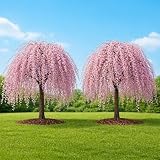
- WHAT YOU WILL RECEIVE: 2 Cherry blossom tree live plant approximately 6 - 12 inches tall, prepared for transplanting into garden soil or outdoor containers
- BEAUTIFUL SPRING BLOOMS: Flowering cherry trees are admired for their seasonal blossoms that create a soft pink or white floral display each spring
- ORNAMENTAL LANDSCAPE TREE: Japanese cherry blossom trees are widely planted to add elegant structure and seasonal color to gardens
- SIMPLE GROWING CONDITIONS: These trees perform best in full sun with well-draining soil and moderate watering once established
- IDEAL FOR OUTDOOR LANDSCAPES: Cherry trees live plants work well as garden accents, along walkways, or as focal points in landscape designs
Product prices and availability are accurate as of the date/time indicated and are subject to change. Any price and availability information displayed on Amazon at the time of purchase will apply.




