A Pokémon episode broadcast in Japan on December 16, 1997, was followed by reports of seizures and other symptoms among viewers. A clinical report described photosensitive seizures in four patients during a rapidly flashing red-and-blue sequence. The “25 years” in the original framing refers to the 25th anniversary in December 2022; as of October 8, 2026, the broadcast was nearly 29 years ago.
What happened during the Pokémon broadcast?
On December 16, 1997, Japanese television aired Dennō Senshi Porygon, an episode of Pokémon. A sequence in the episode used rapidly alternating red and blue flashes. In a 1998 clinical report, Shigenobu Ishida and co-authors located seizures in four patients at around 18:50 in the episode, during seconds of deep red and bright blue flashes alternating at 12 Hz. The report in Epilepsia linked the color changes to the photosensitive seizures.

Japan’s Ministry of Health and Welfare issued a preliminary report in April 1998. It said viewers—mainly young children—had experienced convulsions, impaired consciousness, and discomfort, and that the ministry had established a research group to assess symptoms, investigate possible mechanisms, and consider prevention. The ministry’s preliminary report establishes the government response and the range of reported symptoms, but its surfaced text does not establish a definitive total for everyone affected.
Did the episode cause children to have epileptic attacks?
Photosensitive seizures occurred among viewers, but a seizure and an epilepsy diagnosis are not interchangeable. The four-patient clinical report did not diagnose epilepsy in all four: one patient had juvenile myoclonic epilepsy, one was diagnosed with pure photosensitive epilepsy, and the authors could not reach an epilepsy diagnosis for the other two after their first seizures. One patient also did not show a photoparoxysmal response in the testing described by the authors.
What’s actually slowing this PC down?
Pick the symptom - the matching free tool is one click away.
#1 Best Overall
The ministry’s broader account includes symptoms such as impaired consciousness and discomfort, so it would be inaccurate to describe every reported reaction as an epileptic seizure. Nor does the four-patient clinical report count everyone who may have been affected. The evidence cited here does not support an unqualified population total for people who experienced symptoms, seizures, or hospitalization.
How did the incident influence broadcast safety?
Aston University’s account connects the incident to neurophysiologist Graham Harding’s work. Aston says his research helped shape guidance for using light and patterns in broadcasting, film, and advertising, and contributed to the development of the Harding Flash & Pattern Analyser, a tool for screening media content. That account supports a lasting influence on media-safety practice; it does not establish that one particular standard is universally applied today.
Rank #2

- The Pokémon TCG: Pokémon Day 2026 Collection includes 1 foil promo card featuring Pikachu with a Pokémon Day stamp.
- This also comes with 1 Pokémon coin.
- You will also receive 3 Pokémon TCG booster packs.
- Booster Packs May Vary from those pictured.
Why does the title say 25 years?
The broadcast took place on December 16, 1997. Its 25th anniversary fell on December 16, 2022, which is the time period referenced in the original title. By October 8, 2026, nearly 29 years had passed.
Quick Recap
Rank #3
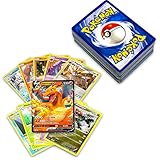
- 50+ Pokemon Cards
- 5 Holos Guaranteed minimium per order
- 1 GX, EX, V, VMax, Full Art, Tag Team, or Secret Rare
Product prices and availability are accurate as of the date/time indicated and are subject to change. Any price and availability information displayed on Amazon at the time of purchase will apply.




