Recorded music may improve how adults with insomnia symptoms rate their sleep quality, but it has not been shown to reliably reduce insomnia severity, prevent awakenings, or improve objective sleep measures. Calm music can be an optional bedtime routine—not a cure for insomnia or a replacement for established treatment.
Can music help you sleep?
Possibly, especially if you have insomnia symptoms and find listening relaxing. A 2022 Cochrane review of 13 studies involving 1,007 adults found moderate-certainty evidence that recorded music improved participants’ self-reported sleep quality compared with no intervention or usual care. Ten studies, with 708 participants, contributed to that result. The average difference was −2.79 points on the Pittsburgh Sleep Quality Index (95% confidence interval −3.86 to −1.72); the scale ranges from 0 to 21, with higher scores indicating poorer sleep. This is a change in a subjective rating, not proof of objectively improved sleep. Cochrane review
![The Most Relaxing Classical Music In The Universe [2 CD]](https://m.media-amazon.com/images/I/516yfwRNo3L._SL160_.jpg)



The review did not establish a clear benefit for insomnia severity or perceived sleep interruption. Evidence for sleep onset, total sleep time and sleep efficiency was low certainty, and the limited objective sleep measures showed no clear improvement. Because participants and researchers could not readily be blinded to whether music was playing, the findings also carry risk-of-bias concerns. The strongest conclusion is therefore about perceived sleep quality, not a cure for insomnia. PubMed record
Does sleep music help everyone?
That has not been established. The Cochrane findings concern adults with insomnia symptoms; they should not be assumed to apply to children, people with other sleep disorders, or every listener. A separate review of adults without a diagnosed sleep disorder found no overall sleep-quality improvement in its pooled six-study comparison, and rated that evidence low quality. PubMed review record
Recommended Free Tools
#1 Best Overall
What kind of music should you try?
The studies do not identify a clinically superior genre, tempo, frequency, playlist or streaming service. Choose recorded music that you personally find pleasant and calming. A track that feels soothing to one person may be distracting or emotionally upsetting to another; particular music can evoke strong memories or distress.
Practical setup choices are about comfort and control, not proven differences in treatment effect:
Rank #2
- Comfort: Use a speaker or another playback method that feels comfortable while you are settling down.
- Volume: Keep playback low. Excessive listening volume can contribute to noise-induced hearing loss, according to NCCIH. NCCIH sleep information
- Stopping playback: Choose a setup that makes it easy to stop the music when you want. You do not need a special device; the trials evaluated recorded music, not headphones or other products as treatments.
- Your response: Notice whether the music helps you relax or instead holds your attention, causes discomfort or brings up distressing associations.
Cochrane reported no adverse events in the included trials, but that does not establish that every listening setup is risk-free.
How long should you listen before bed?
There is no established optimal listening duration. In the Cochrane trials, participants listened to prerecorded music for 25 to 50 minutes daily; study periods ranged from three days to three months. Those figures describe the protocols researchers tested, not a recommended dose or proof that a longer routine works better. Cochrane review
Outdated Drivers Are Slowing You Down
One free scan finds every outdated or missing driver and matches the right update for your exact hardware.Free scan · exact hardware matchPC Slower Than It Used to Be?
A free scan shows the junk files, broken settings and background clutter dragging Windows down - then fixes them in one click.Free scan · Windows 10 & 11Rank #3
If you want to experiment, pick a comfortable period, keep the volume low and see whether the routine feels helpful over repeated nights. The available evidence does not show that a specific schedule or style is best.
Independent reader supportYour contribution helps us test, update, and keep practical guides available for everyone.When should you seek insomnia treatment?
If insomnia is ongoing or chronic, seek clinical advice rather than relying on music alone. The NCCIH digest quotes the American Academy of Sleep Medicine guideline: “We recommend that clinicians use multicomponent cognitive behavioral therapy for insomnia (CBT-I) for the treatment of chronic insomnia disorder in adults (strong recommendation).” Music may be a personal adjunct to a bedtime routine, but it is not a substitute for CBT-I or other appropriate care. NCCIH digest
Quick Recap
Best Value
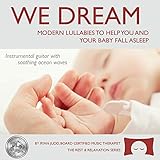
- Calming Sleep Support: Helps you and your baby fall asleep with calming and soothing instrumental guitar music
- Award-Winning Quality: Winner of Parent's Choice Silver Honor Award
- Thoughtful Baby Shower Gift: Gift quality packaging makes this a meaningful present that offers the gift of music and sleep
- Family Relaxation Tool: Helps during fussy times in the car or at home and relaxes the whole family when you need it the most
- Music Therapist Developed: Developed by a board-certified music therapist, with a percentage of profits donated to help kids with cancer
Rank #4
Product prices and availability are accurate as of the date/time indicated and are subject to change. Any price and availability information displayed on Amazon at the time of purchase will apply.