Content note: These films depict captivity, torture, mutilation, and extreme violence; several are especially graphic. This ranking weighs how meaningfully the violence serves the story, suspense and filmmaking craft, distinctiveness, tone, and cultural context. The order is an editorial judgment, not a consensus ranking or an objective measure.
“Torture horror” is a useful umbrella for films that give sustained attention to bodily pain. The related phrase “torture porn” is a debated critical label, not a universally accepted genre boundary. The films below span different countries and eras, from exploitation cinema to political drama and dark comedy—not just the American cycle associated with Saw and Hostel.
| # | Preview | Product | Price | |
|---|---|---|---|---|
| 1 |

|
Torture Garden | $11.99 | Buy on Amazon |
| 2 |

|
Torture Chamber | $5.99 | Buy on Amazon |
| 3 |

|
4-Disc Horror Collection | $6.17 | Buy on Amazon |
| 4 |
|
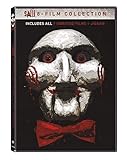
Saw: 8-Film Collection - DVD | $25.00 | Buy on Amazon |
| 5 |

|
Don't Torture a Duckling - Digitally Remastered | Buy on Amazon |
How this ranking approaches torture horror
Edinburgh University Press describes the cycle through extended attention to beating, slicing, dismemberment, and mutilation, while noting that it is not confined to U.S. cinema. Its chapter puts the central feature plainly: “Of course, the key characteristic that binds all torture porn films together is right there in the name: torture.” The term remains contested because it can flatten very different films into a label focused on spectacle.
This list draws its ten candidates from a WIRED gallery featuring selections by Chris Alexander, then Fangoria editor in chief, and Rebekah McKendry, Fangoria marketing director. The gallery offers a pool, not a repeatable scoring system. The ranking below is new editorial judgment: it favors narrative purpose, suspense and craft, distinctiveness, and the way each film’s tone and national or historical context shape its violence. It does not claim to be a definitive top ten.
Quick wins for a faster PC:
Repair Windows errors before they cause bigger problemsFix Now →Fix the driver behind crashes, sound loss and screen glitchesFind Drivers →Clear out junk files and repair common Windows errorsFree Scan →#1 Best Overall
- Torture Garden (1968) Jack Palance (Actor), Burgess Meredith (Actor), Freddie Francis (Director) | Rated: NR | Format: DVD NEW : =A special sideshow torture exhibit has the power, according to showman Dr. Diablo, to warn people of evil in their futures. As skeptical customers are shown the greed and violence they're hiding, one of them snaps and kills Diablo. When they run off, we see the murder to be staged as part of the show. One of the customers has hung around to see this, and wants to make a deal with Diablo, aka the Devil.
The 10 best torture horror movies, ranked
-
Martyrs (2008)
Pascal Laugier’s French film is a useful reminder that torture horror extends beyond the mid-2000s American cycle. Edinburgh University Press names it among international examples of the form. Its place here reflects how torture can be bound to a film’s larger ideas rather than treated as an interchangeable shock device. It is an uncompromising choice for viewers prepared for a severe experience.
-
Saw (2004)
The franchise’s first film turns captivity into a survival puzzle: Rotten Tomatoes summarizes its premise as two men waking chained in a bathroom and being forced to find a way out. That trap-based setup gives the threat a clear narrative engine, distinguishing it from stories centered on kidnapping and exploitation. The original is also an anchor for the American cycle discussed in scholarship.
Rank #2
Torture Chamber- Factory sealed DVD
-
Hostel (2005)
Where Saw builds suspense around a contained puzzle, Hostel is associated with the kidnapping-and-exploitation side of the cycle. Edinburgh University Press identifies it as a central American example. Sony’s official synopsis for the sequel, Hostel Part II, describes an underground torture ring in Slovakia and three American students who become potential victims. That sequel synopsis illustrates the franchise’s premise; it is not a plot summary of the 2005 original.
-
The Loved Ones (2009)
This Australian abduction story pairs torture with a deliberately heightened, darkly comic streak, according to the WIRED gallery’s contributors. The tonal contrast makes it stand apart from relentlessly grim entries: its violence is part of a warped performance, not only a test of endurance. It suits viewers who can handle brutality but want a more stylized, unsettling sense of humor.
Do these 3 things before closing this tab:
1Repair Windows errors before they cause bigger problems2Scan for outdated or missing drivers - takes under a minute3Clear out junk files and repair common Windows errorsSpecial offer. See more information about Outbyte and uninstall instructions. Please review EULA and Privacy policy.Rank #3
4-Disc Horror Collection- Factory sealed DVD
-
Man Bites Dog (1992)
This Belgian mockumentary follows filmmakers accompanying a serial killer. The WIRED contributors emphasize its dark comedy and escalating violence. Its formal premise makes the audience’s proximity to violence part of the film’s subject, giving it a different kind of unease from the mechanics of a trap or a torture chamber.
-
Ichi the Killer (2001)
Takashi Miike’s revenge film blends grotesque violence with comic elements, as the WIRED gallery notes. It earns its position for a distinctive, deliberately abrasive tone rather than for restraint. Viewers looking for conventional suspense may find its surreal, graphic approach a poor fit.
Rank #4
Saw: 8-Film Collection - DVD- Let the games begin! Own the genre-defining Saw horror series in all its grisly glory. Five-disc set includes: Saw (2004), Saw II (2005), Saw III (2006), Saw IV (2007), Saw V (2008), Saw VI (2009), Saw: The Final Chapter (2010) and Saw 3D: The Final Chapter (2010).
- Genre: Horror
-
The Devils (1971)
Ken Russell’s religious and political horror drama places torture within a charged historical and institutional setting. The WIRED gallery includes it among its selections and notes that version differences matter. Its context gives the violence a different function from the exploitation spectacles elsewhere on this list; editions may not present identical material.
-
Guinea Pig (1985)
This Japanese shock film centers on an abducted woman subjected to experiments in pain, according to the WIRED gallery. Its reputation for unusually graphic material makes it a boundary-pushing pick, but graphic extremity alone does not make it the strongest recommendation for every horror viewer. Approach it as extreme shock cinema, not a conventional suspense film.
Special offer. See more information about Outbyte and uninstall instructions. Please review EULA and Privacy policy. -
Bloodsucking Freaks (1976)
Theatrical exploitation is the defining mode of this entry: the WIRED contributors describe staged-looking torture presented as real. That tension between performance and apparent cruelty is part of its appeal to viewers interested in rough-edged exploitation traditions, though its spectacle-first approach makes it less accessible than the higher-ranked films.
-
Scars of Dracula (1970)
Hammer horror’s vampire tradition supplies a different historical frame for cruelty and torture. The WIRED gallery’s contributors include the film for those elements. Its place at the end of this ranking reflects its status as a comparatively indirect fit for a list centered on sustained torture spectacle, while showing that the subject’s roots and adjacent traditions reach further back than the modern cycle.
Where the other WIRED selections fit
Three additional WIRED picks—Tattoo (1981), Tombs of the Blind Dead (1972), and Blood of Dracula’s Castle (1969)—are not in the ranked ten above. The gallery describes Tattoo as psychological crime-horror involving a tattooist who holds a model captive; Tombs of the Blind Dead as Spanish horror featuring the Knights Templar and scenes of violence; and Blood of Dracula’s Castle as low-budget vampire exploitation with torture and blood-draining elements. They broaden the candidate pool, but the ranking prioritizes stronger fits for the criteria stated above.
What the ranking does—and does not—claim
Rankings answer different questions depending on their method. Rotten Tomatoes’ Saw-only list, updated November 4, 2024, orders franchise entries by Tomatometer: Saw X is first, the 2004 Saw second, and Saw: The Final Chapter tenth. Those are critic-score positions within one franchise, not a verdict on torture horror as a whole. This list instead considers films across national cinemas, eras, and tones.
Edinburgh University Press also names Wolf Creek (2005), Turistas (2006), Captivity (2007), and Kinatay (2009) as examples relevant to the broader cycle. Their absence here is not a claim that they are lesser films; a ten-place list necessarily selects from a wider field.
Quick Recap
Product prices and availability are accurate as of the date/time indicated and are subject to change. Any price and availability information displayed on Amazon at the time of purchase will apply.




