Free tools Windows power users keep installed
One-click scans. No signup required.
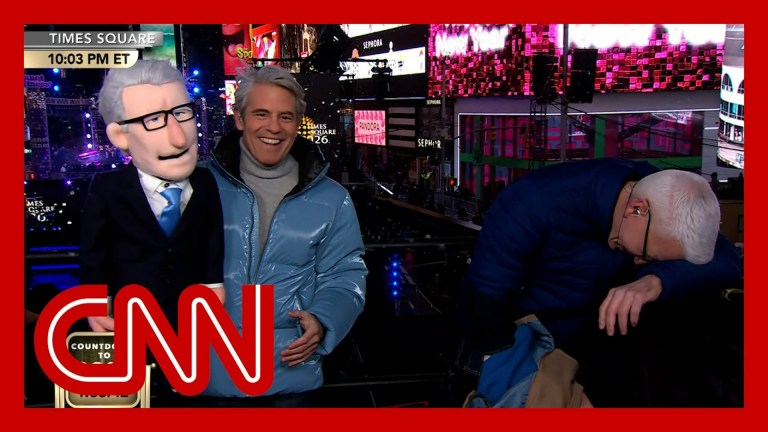
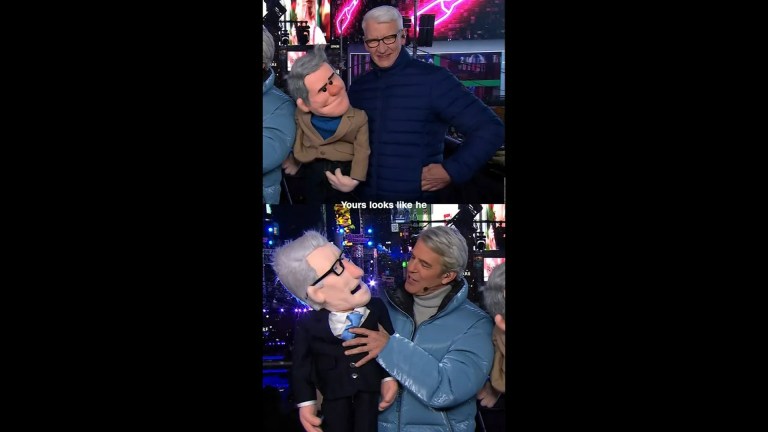
The evidence does not support a reliable list of 15 celebrities who were forced to come out. It does document different experiences: Ricky Martin said people tried to pressure him, Ellen DeGeneres made a public disclosure amid professional scrutiny, and Anderson Cooper chose to speak publicly after years of speculation. Those stories should not be collapsed into one category. Being questioned, choosing to disclose, and being outed without consent are not the same thing.
What counts as being “forced” to come out?
There is no single definition that fits every story. A person may face intrusive questions, persistent rumors, pressure from colleagues or the public, or the prospect that someone will reveal private information. Those circumstances differ from choosing to disclose publicly, even when the choice is made under scrutiny.


Calling someone “forced out” therefore requires evidence about what happened and how the person described it. Rumors, public silence, or a disclosure made after years of speculation do not by themselves establish that someone was outed or compelled to speak.
What the documented accounts show
Ricky Martin: he objected to pressure to disclose
In a 2011 interview with The Guardian, Martin described disliking attempts to make him come out. The paper also discussed his public statement in 2010. A Los Angeles Times retrospective recounts a 2000 interview in which Barbara Walters pressed him for a yes-or-no answer about his sexuality and describes Martin’s later account of its impact. These sources support describing pressure as part of his experience; they do not justify adding details beyond what Martin and the outlets reported. The Guardian (2011); Los Angeles Times.
Quick wins for a faster PC:
Fix the driver behind crashes, sound loss and screen glitchesFind Drivers →Repair Windows errors before they cause bigger problemsFix Now →#1 Best Overall
Ellen DeGeneres: a public disclosure amid professional scrutiny
DeGeneres’s 1997 public disclosure was closely connected to a storyline in which her sitcom character came out. In her TIME interview that year, she said, “I never wanted to be ‘the lesbian actress.’” TIME’s 2017 retrospective reported that she had been warned about the show’s prospects. This documents public and professional scrutiny around a disclosure, not evidence that someone exposed her identity against her will. TIME (1997 interview and 2017 retrospective).
Anderson Cooper: a public decision after speculation
Cooper disclosed publicly in 2012 and explained his decision in a message reproduced by the Los Angeles Times. He wrote, “I have found that sometimes the less an interview subject knows about me, the better I can safely and effectively do my job as a journalist.” The article notes longstanding speculation, but does not establish that another person forced him to disclose. Los Angeles Times (2012).
Why these stories should not become a numbered roster
The available evidence supports these three distinct examples, not a verified set of 15 people who were forced to come out. A longer list built from public announcements, rumors, or retrospective assumptions would blur important differences and risk repeating unverified claims about people’s private lives. No reliable statistic establishes how often celebrities are forced to disclose their sexuality.
A Pew Research Center survey release in 2013 asked respondents which gay or lesbian public or entertainment figure first came to mind. In response to that specific question, 32% named DeGeneres and 7% named Jason Collins. Those dated figures measure recognition in that survey; they are neither current popularity estimates nor evidence about how anyone came out. Pew Research Center (2013).
Rank #3
Historical context: exposure could carry different risks
Pressure around disclosure also has a history that should not be reduced to celebrity news. A 1973 Berkeley publication described career and social risks attached to exposure. A 2012 San Francisco resolution recounts activist Jose Julio Sarria’s arrest. These sources illustrate different historical pressures; they do not establish Sarria as an example of a celebrity forced to come out. Berkeley publication (1973); San Francisco resolution (2012).
Quick Recap
Product prices and availability are accurate as of the date/time indicated and are subject to change. Any price and availability information displayed on Amazon at the time of purchase will apply.