Recommended Free Tools
Blues has no fixed instrument lineup. Guitar and harmonica are among its most recognizable voices, while piano, bass, drums, and horns feature in many ensembles. Regional traditions and different periods also bring instruments such as banjo, fiddle, mandolin, and washboard into the picture.
What instruments are used in blues music?
The instruments depend on the style, place, era, and performance setting. A solo musician or a guitar-and-harmonica duo may create a full blues sound without a band; larger groups can add piano, a rhythm section, or horns. Smithsonian Music describes blues as a living tradition with multiple regional styles, rather than a genre with one required lineup: Smithsonian Music.
| Instrument | Common musical role | Context |
|---|---|---|
| Guitar | Rhythm, melody, fills, and solos | A defining blues instrument, used in solo, duet, and band settings |
| Harmonica | Melodic responses, fills, and lead phrases | Often paired with guitar, including in Appalachian blues |
| Piano | Accompaniment, rhythm, and melody | Can lead a blues performance or join a singer and other instruments |
| Bass and drums | Low foundation and pulse | Common components of ensemble settings; exact lineup varies |
| Horns and other winds | Melodic lines and ensemble color | Used in some larger arrangements and blues-associated popular music |
| Banjo, fiddle, mandolin, and washboard | Varies by instrument and performance | Historically or regionally specific examples, not universal requirements |
What is the main instrument in blues music?
Guitar
Guitar is one of the genre’s central instruments, but calling it the single main instrument would obscure blues traditions built around piano, voice, harmonica, or other combinations. Smithsonian Music traces the guitar’s growing role in African American music around the turn of the twentieth century, including its adaptation to ragtime and jazz and its contribution to blues in the Deep South: Smithsonian Music’s guitar history. Guitar can carry chords and rhythm as well as melody and expressive solo phrases.
Harmonica
Harmonica is another instantly recognizable blues voice. Players use it for short responses to a singer or guitar, sustained melodic phrases, and expressive tone bends. Its portability and expressive range suited it to accompaniment; Smithsonian Folkways describes its use with guitar in Appalachian blues: Smithsonian Folkways on harmonica.
The Tool Desk
Outbyte PC Repair FREERepair Windows errors before they cause bigger problemsFix Now →Outbyte Driver Updater FREEScan for outdated or missing drivers - takes under a minuteDriver Scan →#1 Best Overall
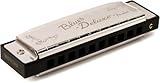
- One Key of C Fender blues deluxe harmonica and harmonica holder for a complete harmonica set, 11.42x7.48x3.54 inches
- Chromatic Harmonica in the Key of C - Traditional shape and chromed metal covers will make your harmonica comfortable and easy to play
- Adults and Kids Harmonica - Designed to be versatile for all levels of players, the classic tone and pitch on this blues harmonica is made possible with a molded PVC comb and brass reeds
- Quality Fender Harmonica - Moisture-resistant ABS plastic combs for bright sound and tuning stability so you can enjoy playing the Fender blues deluxe harmonica for years to come
- 1 Year Limited Warranty: Fender harmonicas are designed for players and built with unmatched quality, which is why Fender warrants this harmonica to be free from defects for one (1) year from the date of original purchase
Is harmonica used in blues?
Yes. Harmonica is often paired with guitar, where it can answer vocal lines, add fills between phrases, or take the lead. The pairing is especially associated with some regional styles, but it is not necessary for every blues performance. A guitar-only performance, a piano-led piece, or a full band can all be blues without harmonica.
What instruments are in a blues band?
Piano
Piano can anchor a performance with chords and rhythm or take a prominent melodic role. Smithsonian’s account of early blues-associated recordings notes piano accompaniment and documents the piano-and-guitar duo of Leroy Carr and Scrapper Blackwell: Smithsonian Music’s blues ensemble history.
Rank #2
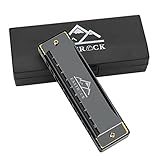
- Suitable: EastRock harmonica is designed to practicing, beginners and intermediate players. Great harmonica system suitable for blues, folk, pop classical music, jazz, country, and rock roll
- High quality: Durable with phosphor bronze reeds and stainless steel cover make your harmonica more comfortable and the music more melodious.Food grade ABS Resin combs is lip-friendly
- Easy to use: Airflow splitter and the built-in airflow splitter in the harmonica are conducive to maintaining stable airflow, making it easier for beginners to play easily and mastering more sound skills quickly
- Vogue appearance: Smooth cover with fine printing,looks elegant.Ergonomic complianceeasy to hold rgonomic complianceeasy to hold
- Unreserved services: We will give you professional packaging transport cost effective goods and friendly customer service. Have a happy shopping
Bass and drums
Bass supplies low notes that support the harmony and groove; drums help establish the pulse and dynamics. These roles are common in ensemble blues, but the personnel and arrangement vary. In smaller settings, guitar, piano, or another instrument may carry much of the rhythmic work instead.
Horns and other winds
Some blues ensembles and blues-related popular music use horns or other wind instruments for melodic lines and a fuller group sound. Smithsonian’s history of early race-record accompaniment includes horns and wind instruments among the arrangements musicians used; their presence is an option, not a defining requirement of every blues band: Smithsonian Music on blues-associated ensembles.
Free tools Windows power users keep installed
One-click scans. No signup required.
Rank #3

- Professional harmonica for adult-East top 10 hole professional diatonic harmonica, suitable for Blues, Folk, Rock, Country, Jazz etc. Great for professional harmonica players and beginners. This Professional Blues Harmonica has exquisite workmanship, beautiful appearance, accurate tone and responsive.
- Rich sound, responsive, airtightness - Precision-made plastic comb with phosphor bronze reed; 1.2mm thickness reed plate is easier to get the higher pitch, rich sound and timbre. The reed plate with electroplating , the hole, reed gap is better after electroplating. At the same time, you will feel comfortable when playing,easy to use the skill, such as over-blowing and bending, giving the performer a new experience.
- Pocket size and easy to bring-(4.01x 1.06x 0.75)"/ (102x 27 x 19)mm(L x W x H), you can put it into your pocket, it can be played everywhere, such as party, school, office and trip etc.
- Beautiful packaging- The package is exquisitely small and can be used as a birthday present, a gift for further study, a holiday souvenir or a business meeting gift and wedding anniversary etc.
- Package includes 1*harmonica: C key. We are the harmonica manufacturer of the East top brand.
How did regional and historical traditions shape blues instrumentation?
Banjo and the changing role of guitar
The guitar did not replace earlier instruments everywhere at once. Smithsonian Folkways describes banjo as a precursor to guitar as the principal blues instrument in one historical account, while Smithsonian Music traces guitar’s expanding role in African American music and its contribution to blues in the Deep South. Together, these histories point to a gradual, context-dependent shift—not one instrument lineup shared by every early blues musician: Smithsonian Folkways on banjo history.
Appalachian blues
Appalachian blues shows how regional music can combine familiar blues instruments with others. Smithsonian Folkways describes guitar as the region’s signature blues instrument and also documents harmonica, bass, piano, fiddle, and mandolin. Guitar-and-harmonica duets became part of the tradition, while the transition from fiddle and banjo music to guitar-and-harmonica blues was slower in the mountains than elsewhere: Smithsonian Folkways on Appalachian blues.
Rank #4
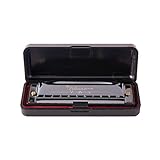
- Quality: It is made of Copper, the copper reed plate is designed precisely at 0.8mm, which make the sound more euphonic, also we proceed accurate tuning and testing during manufaction for each harmonica to ensure perfect quality.
- Material:The Comb is made of Non-toxic food grade ABS Resin,
- Occasions:This C diatonic harmonica is suitable for different occasions to play all kinds of music, including blues, folk music, classical music, jazz, country music and rock music.
- Size: The URBANE C harmonica with 10 holes 20 tones, detailed size: 5.8"x1.6"x1.2", portable design that you even do not realize it's exist when you carry it.
- Guarantee:Package include Harmonica,Premium Decorative box and a durable plastic box, Introduction manual and dust cloth, 60 days no reason to refund, 180 days replacement .
Washboard and improvised percussion
Washboard is a striking example of individual musicians shaping their own sound. Smithsonian Magazine profiles Philadelphia bluesman Robert Young, known as Washboard Slim, and describes an elaborate setup using a washboard and household or found objects: Smithsonian Magazine’s profile of Washboard Slim. It is a documented example of creative percussion, not evidence that washboard is standard equipment in a blues band.
Independent reader supportYour contribution helps us test, update, and keep practical guides available for everyone.How to think about a blues lineup
Rather than looking for a definitive list, consider what each instrument contributes and what kind of performance it serves. Guitar and harmonica are recognizable choices for an intimate duet; piano can lead or accompany; bass and drums establish a band’s low foundation and pulse; horns can expand the arrangement. Banjo, fiddle, mandolin, and washboard make sense in particular regional, historical, or personal contexts.
Quick wins for a faster PC:
Repair Windows errors before they cause bigger problemsFix Now →Scan for outdated or missing drivers - takes under a minuteDriver Scan →Quick Recap
Best Value

- Easy to blow-East top C key junior blues harmonica is suitable for beginner,Kids,Children,Students practice with Blues, Folk, Rock, Country, Jazz etc. This junior Blues Harmonica has exquisite workmanship, beautiful appearance(magenta color comb with bright silver cover),pure tone and responsive.
- Rich sound, responsive, airtightness - ABS comb,stainless steel cover with 0.8mm thickness reed plate,durable brass reed is easier to get the higher pitch, rich sound and timbre.
- Pocket size and easy to bring-(4.01x 1.06x 0.74)"/ (103x 28 x 21)mm(L x W x H), you can put it into your pocket, it can be played everywhere, such as party, school, office and trip etc.
- Beautiful packaging- The package is exquisitely small and can be used as a birthday present, a gift for further study, a holiday souvenir or a business meeting gift and wedding anniversary etc.
- Package includes 1x harmonica (key of C); 1x instruction and 1x cleaning cloth. We are the harmonica manufacturer of the East top brand.
Product prices and availability are accurate as of the date/time indicated and are subject to change. Any price and availability information displayed on Amazon at the time of purchase will apply.




