Donald Trump could demand action against CBS, but the FCC could not simply cancel a single nationwide “CBS license” because he disliked the network’s journalism. The most important correction is technical: the FCC licenses individual broadcast stations, not television networks such as CBS. Any licensing action would have to involve specific station licensees, a qualifying violation, and the formal procedures required by federal law.
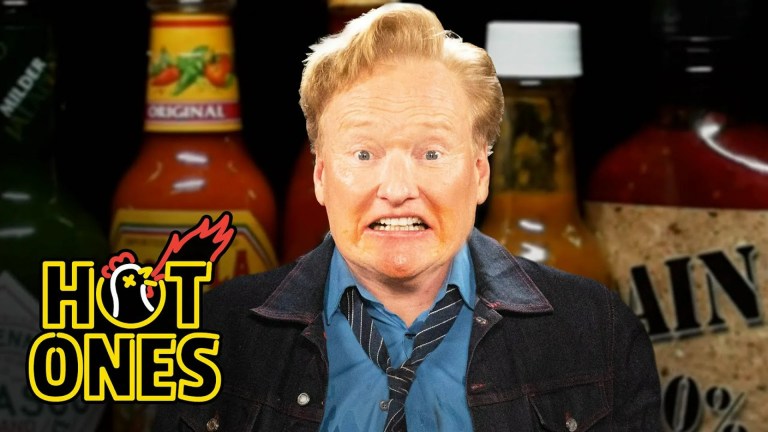
The dispute began on October 10, 2024, after CBS’s 60 Minutes broadcast an interview with then-Vice President Kamala Harris. Trump alleged that CBS deceptively edited Harris’s answer about Israeli Prime Minister Benjamin Netanyahu. Then-FCC Chair Jessica Rosenworcel rejected the idea that a political candidate’s disagreement with coverage was a basis for revoking a broadcast authorization, calling such demands threats to free speech.
What Trump objected to in the Harris interview
The immediate controversy involved two versions of Harris’s answer about Netanyahu. A shorter version appeared in a promotional clip, while a longer version aired during the October 2024 60 Minutes program. Trump characterized the difference as deceptive editing and political bias, and wrote that CBS should lose its license and be sold.
That allegation was Trump’s political and editorial accusation—not an established FCC finding. The key legal question was not simply whether CBS used different excerpts in a preview and in the completed program. It was whether the evidence showed the kind of intentional, significant falsification that could fall within the FCC’s narrow news-distortion policy.
Quick wins for a faster PC:
Clear out junk files and repair common Windows errorsFree Scan →Scan for outdated or missing drivers - takes under a minuteDriver Scan →#1 Best Overall

- UNIVERSAL TV ANTENNA COMPATIBILITY — Works with all TV and antenna brands and supports HDTV, VHF and UHF broadcasts as well as 1080p HD, 4K Ultra HD and NEXTGEN TV (ATSC 3.0) technologies
- PUREAMP SIGNAL BOOSTING — Integrated amplifier with built-in 4G/5G LTE filter helps reduce cell phone interference and improve reception quality for available HDTV, VHF and UHF channels
- LOW-NOISE SIGNAL AMPLIFIER — Helps offset cable loss, minimize reception dropouts and strengthen signals already being received by compatible over-the-air TV antennas
- QUICK, TOOL-FREE INSTALLATION — Connects easily between your antenna and TV using standard coaxial connections; includes AC power adapter for convenient indoor use
- NEXTGEN TV READY — Compatible with ATSC 3.0 technology to support current and future over-the-air television standards where available
Rosenworcel’s response addressed the larger institutional issue: the FCC is not a presidential content-control agency. A candidate cannot turn a complaint about news coverage into an immediate license-cancellation order.
The timeline: demand, complaint, investigation, and later licensing disputes
| Date | Event | What it did—and did not—show |
|---|---|---|
| October 10, 2024 | Trump called for CBS to lose its license after the Harris interview controversy. | A political demand, not an FCC revocation order or finding of liability. |
| October 16, 2024 | The Center for American Rights filed a news-distortion complaint about the broadcast. | A complaint began a potential regulatory inquiry; it did not prove distortion. |
| Early 2025 | The FCC requested the complete unedited transcript and camera feeds. | The agency sought evidence beyond the broadcast itself. |
| 2025 | CBS said it would provide the requested materials, and the FCC later released the transcript and full video. | Obtaining and releasing evidence was not the same as finding an actionable violation. |
| July 24, 2025 | The FCC approved Skydance’s acquisition of Paramount Global, including transfers involving Paramount/CBS-owned broadcast stations. | The transaction concerned station-license transfers, not a nationwide CBS network license or general editorial control. |
| April–July 2026 | The FCC ordered Disney-owned ABC to file early renewal applications for eight stations, and ABC challenged the action. | The episode showed that licensing and renewal procedures can be used aggressively, but did not validate Trump’s original demand. |
Why “CBS’s license” is technically the wrong description
The FCC’s licensing structure is based on individual broadcast stations. A local television station that transmits over the air holds an FCC authorization. A national network such as CBS supplies programming to stations, including stations it may own and stations owned by separate affiliates. The network itself is not one nationwide FCC-licensed broadcast station.
That distinction matters in several ways:
- There is no single CBS network license for the FCC to cancel. An action would have to identify particular station licensees and the legal basis for acting against them.
- CBS-owned local stations are not the same thing as the CBS network. A corporate owner can hold licenses for specific stations, while network programming is distributed through those and independently owned affiliates.
- A corporate transaction can involve station licenses without creating editorial jurisdiction over the network. The FCC’s July 24, 2025 approval of Skydance’s acquisition of Paramount Global included transfers of licenses for Paramount/CBS-owned broadcast stations. That was a licensing issue connected to ownership transfers, not a grant of power to supervise CBS News’s editorial decisions.
- “Sell CBS” is not the same as an FCC license remedy. Ownership transactions and license-transfer approvals follow their own legal framework. They are not the normal consequence of a politician’s objection to a broadcast interview.
So the headline’s shorthand points to a real political demand, but it compresses a more complicated legal reality. Trump could call for CBS to lose its license; the FCC would have to identify actual licensees, actual violations, and a lawful administrative path.
What the FCC can—and cannot—do about broadcast journalism
The First Amendment sharply limits government control over news content. Section 326 of the Communications Act also restricts government censorship of broadcast material. The FCC’s authority is therefore not a general power to decide which interviews are fair, which edits are persuasive, or which news stories are politically balanced.
That does not mean broadcast journalism is entirely outside FCC regulation. The agency has rules and policies addressing particular conduct, including:
- broadcast hoaxes;
- obscene or indecent programming within the applicable legal limits;
- sponsorship identification;
- political advertising requirements; and
- certain candidate-access and equal-opportunity obligations.
Those categories are materially different from a claim that a network edited a news interview unfairly. Political advertising and equal-opportunity rules, for example, concern defined statutory or regulatory obligations—not a broad requirement that a station provide coverage in a way a candidate considers favorable.
The narrow news-distortion policy
The FCC has historically recognized a limited policy under which it may investigate serious news distortion. The policy is not an ordinary accuracy-review system and is not a government fairness code for journalism.
As described in the FCC’s public guidance, the agency generally will not substitute its judgment for a station’s journalistic judgment. An investigation may be appropriate when there is documented evidence that station management intentionally rigged, staged, or falsified a significant news event.
Rank #2
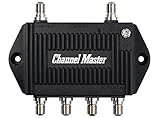
- Enhanced Replacement for Ulta-Mini Model CM-3414
- 4 Output Ports - Splits TV Antenna Signals to Four Rooms While Boosting Signals. (Replaces standard four-way splitters and improves signal)
- Works With All Indoor or Outdoor TV Antennas - Can Be Installed Indoor, Outdoor or in Attic Due to its Compact Size and Heavy-Duty Weatherproof Housing.
- Designed and Optimized Exclusively for TV Antennas (Not Compatible with Cable and Satellite TV Signals)
- Improves Signal Strength, Decreases Pixelation and May Increase Number of Channels
The distinction can be stated simply:
| Usually not enough by itself | Evidence that could support a news-distortion inquiry |
|---|---|
| A complaint that a story was inaccurate or one-sided | Evidence that management intentionally falsified a significant event |
| Disagreement with an editor’s choice of excerpts | Outtakes, instructions, testimony, or other material showing deliberate manipulation |
| The fact that a promotional clip differed from the final program | Proof that the portrayal was knowingly fabricated or materially staged |
| A candidate’s assertion that coverage was biased | Extrinsic evidence beyond the broadcast itself, tied to participation, direction, or acquiescence by the licensee |
A 2026 federal court filing summarizing the policy described the same basic boundary: deliberate distortion must be distinguished from ordinary inaccuracy and differences of opinion. The policy concerns the deliberate portrayal of a significant event that did not occur, supported by evidence outside the broadcast and connected to the licensee’s conduct.
Applied to the Harris interview dispute, the relevant question was not merely whether CBS’s promotional edit and program edit differed. The question was whether the complete evidence demonstrated intentional, actionable falsification under that narrow standard. The public release of a transcript and full video did not, by itself, answer that question in favor of liability.
Why the president could not order an immediate revocation
License revocation is governed by Section 312 of the Communications Act, codified at 47 U.S.C. § 312. The FCC may pursue revocation for specified failures to operate according to a license, violations of the Communications Act, or violations of FCC rules. But revocation is not an instantaneous presidential remedy.
The ordinary process includes several protections:
- An identifiable legal basis. The agency must proceed on a statutory, licensing, or rule violation—not simply on the fact that a political figure disliked a broadcast.
- An order to show cause. Before revoking a license, the Commission must identify the matters under inquiry and explain why the licensee should be required to defend its authorization.
- Notice. The licensee ordinarily receives at least 30 days’ notice before the hearing process proceeds.
- An opportunity to present evidence. The station licensee may respond and offer evidence on the alleged violations.
- Findings by the Commission. The FCC must explain the grounds for its decision, with the Commission carrying the burden of proof in the hearing.
Broadcast licenses ordinarily last eight years. Renewal dates are staggered according to the state or territory where a station is located. That makes renewal periodic and station-specific; it is not a mechanism for a president to cancel a national network after an unfavorable broadcast.
Outdated Drivers Are Slowing You Down
One free scan finds every outdated or missing driver and matches the right update for your exact hardware.Free scan · exact hardware matchPC Slower Than It Used to Be?
A free scan shows the junk files, broken settings and background clutter dragging Windows down - then fixes them in one click.Free scan · Windows 10 & 11In practical terms, the FCC could investigate a station if credible evidence suggested a genuine statutory or regulatory violation. It could not lawfully skip the licensing structure, the First Amendment limits, and the Section 312 procedures merely because a candidate demanded punishment.
What happened when the FCC asked for the raw interview materials?
The later FCC request is important because it shows the difference between an allegation and an investigation. After the Center for American Rights filed its October 16, 2024 complaint, the FCC in early 2025 requested the full, unedited transcript and camera feeds from CBS. CBS said it would provide the materials. The FCC subsequently released the transcript and full video.
Requesting raw materials can be relevant to a news-distortion inquiry because the agency’s policy looks for evidence beyond the finished broadcast. Camera feeds, outtakes, production records, management instructions, and testimony may help determine whether an event was deliberately staged or falsified.
The Tool Desk
Outbyte PC Repair FREERepair Windows errors before they cause bigger problemsFix Now →Outbyte Driver Updater FREEScan for outdated or missing drivers - takes under a minuteDriver Scan →But the request itself did not establish that CBS violated the law. Nor did the public release of the materials automatically establish liability. A regulator’s investigation, an evidentiary record, and a final finding are separate stages. Treating the first as proof of the last would turn the procedure into a political verdict before the legal question had been decided.
Rank #3
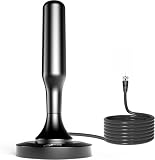
- 𝗡𝗲𝘃𝗲𝗿 𝗣𝗮𝘆 𝗠𝗼𝗻𝘁𝗵𝗹𝘆 𝗕𝗶𝗹𝗹: Watching local channels with this HD digital tv antenna for smart tv indoor 4K, you can watch crystal HDTV channels without cable service and enjoy local tv channels.
- 𝗜𝗻𝗱𝘂𝘀𝘁𝗿𝘆 𝗟𝗲𝗮𝗱𝗶𝗻𝗴 𝗧𝗲𝗰𝗵𝗻𝗼𝗹𝗼𝗴𝘆: This digital indoor tv antenna for local channels is made of eco-friendly flame-retardant dual PC soft material (not ordinary PVC), providing moisture resistance and lightning protection for indoor use.
- 𝗢𝗺𝗶𝗻𝗶-𝗱𝗶𝗿𝗲𝗰𝘁𝗶𝗼𝗻𝗮𝗹 𝗥𝗲𝗰𝗲𝗽𝘁𝗶𝗼𝗻 & 𝗠𝗮𝗴𝗻𝗲𝘁𝗶𝗰 𝗕𝗮𝘀𝗲: The indoor HDTV antenna brings omini-directional Reception; Whether hd digital tv antenna indoor is installed on the TV stand or on the table, you can receive the crystal clear picture
- 𝗖𝗼𝗺𝗽𝗮𝗰𝘁 𝗮𝗻𝗱 𝘀𝗺𝗮𝗹𝗹 𝗗𝗲𝘀𝗶𝗴𝗻: The indoor antenna for tv without cable features a compact and slim design, making it easy to hide without taking up space. The lightweight build allows you to move it conveniently and adapt to different living environments effortlessly.
- 𝗡𝗼𝘁𝗲 𝗮𝗻𝗱 𝗖𝘂𝘀𝘁𝗼𝗺𝗲𝗿 𝗦𝗲𝗿𝘃𝗶𝗰𝗲 : Read the manual first, set up your TV properly, and scan for channels. 𝐅𝐨𝐫 𝐨𝐩𝐭𝐢𝐦𝐚𝐥 𝐫𝐞𝐜𝐞𝐩𝐭𝐢𝐨𝐧, 𝐭𝐞𝐬𝐭 𝐛𝐨𝐭𝐡 𝐯𝐞𝐫𝐭𝐢𝐜𝐚𝐥 𝐚𝐧𝐝 𝐡𝐨𝐫𝐢𝐳𝐨𝐧𝐭𝐚𝐥 𝐩𝐥𝐚𝐜𝐞𝐦𝐞𝐧𝐭. Mount the antenna high, near a window facing local broadcast towers (Check "dtv gov maps" for available channels), to avoid obstacles and interference. Actual Reception depends on location, terrain, and weather, always re-scan for channels after moving the antenna. If you have any issues, please contact us. We will provide professional service and a satisfactory solution for you.
How the 2025 Paramount-Skydance transaction fits in
The FCC’s approval of Skydance’s acquisition of Paramount Global on July 24, 2025 is sometimes cited as evidence that the agency could control CBS. That interpretation confuses two different things.
The transaction required regulatory attention because Paramount Global owned broadcast stations whose FCC licenses were being transferred. The FCC therefore considered the station-license component of the ownership transaction. That is a normal kind of issue for the agency: who will hold particular broadcast authorizations and whether the transfer can be approved under the applicable rules.
It did not mean that CBS News became subject to a general FCC editorial supervisor. The agency’s approval of a license transfer did not turn the CBS network into one FCC license, and it did not erase the First Amendment limits on government intervention in news judgment.
What changed by 2026—and what did not
The later regulatory environment became more aggressive, so the original 2024 statement should not be expanded into the inaccurate claim that the FCC can never threaten, investigate, or revoke a broadcast license.
By 2026, a filing in the U.S. Court of Appeals for the D.C. Circuit described the FCC’s news-distortion policy and its historical limits. FCC Commissioner Anna Gomez also criticized the Media Bureau’s July 1, 2026 summary dismissal of a petition seeking repeal of the policy. Gomez argued that the agency had increasingly used regulatory authority against broadcasters whose coverage it disliked. That was a commissioner’s dissenting characterization, not a binding judicial finding.
The agency was also involved in a separate ABC dispute. In April 2026, the FCC ordered Disney-owned ABC to file early renewal applications for eight television stations. By July, ABC was challenging the action as an unlawful and unconstitutional attempt to chill protected speech.
Those developments matter for context. They show that investigations, renewal applications, and station-licensing procedures can become powerful regulatory pressure points. They also show why the cleanest version of the legal conclusion needs qualifications: the FCC can pursue action against particular stations under particular legal standards, and the use of that authority may itself be contested in court.
Free tools Windows power users keep installed
One-click scans. No signup required.
But none of those later events proves Trump’s original claim. They do not create a nationwide CBS network license, authorize a president to revoke one by command, or establish that disagreement with the Harris interview was enough to cancel a station authorization.
Rank #4

- 𝐒𝐮𝐩𝐞𝐫 𝐒𝐢𝐠𝐧𝐚𝐥 𝐁𝐨𝐨𝐬𝐭: TV antenna amplifier built-in 2026 latest upgrade 4G/5G LTE Filter, blocks unwanted wireless signals, clear up any low-strength fuzzy or pixelated channels for clear smooth pictures and stable channel reception
- 𝗕𝗲𝗳𝗼𝗿𝗲 𝐲𝐨𝐮 𝗕𝘂𝘆𝗶𝗻𝗴: Please check the signal strength in your area: If a lot of green channels available, you DO NOT need using antenna booster; If a lot of yellow or orange channels available, suggest adding a tv signal amplifier to boost signal
- 𝐄𝐚𝐬𝐲 𝐭𝐨 𝐈𝐧𝐬𝐭𝐚𝐥𝐥: Just connect the tv antenna booster between tv antenna and TV or STB box; tv antenna amplifier works with any antennas; The number of channels reception will vary depending on how far away you are from broadcast tower
- 𝐀𝐝𝐣𝐮𝐬𝐭𝐚𝐛𝐥𝐞 𝐑𝐚𝐧𝐠𝐞: The tv antenna signal booster built-in an DB tuner, you can turn left and right to adjust the TV antenna amplifier dB(gain range between 5dB to 25dB), tv antenna booster help your TV find the best signal reception
- 𝐏𝐥𝐞𝐚𝐬𝐞 𝐍𝐨𝐭𝐞𝐬: If your house is close to broadcast tower & signal is strong, you DO NOT NEED it; if your house far away from tv tower & signal is poor, you NEED it; If your TV antenna is already equipped with an amplifier, you DO NOT NEED it
The bottom line on Trump’s demand
Rosenworcel’s immediate answer was directed at the premise that the government should punish a broadcaster for coverage a candidate considered unfair. On that premise, the FCC could not simply revoke “CBS’s license.” There was no single nationwide network license to cancel, and the First Amendment and Communications Act limited the agency’s ability to interfere with programming.
The more precise answer is not that broadcast licenses are irrevocable. The FCC can investigate and pursue revocation or renewal action when a specific station and a legally recognized violation are involved. It must, however, use the statutory process, prove the alleged violation, and respect the distinction between deliberate news falsification and ordinary editorial judgment.
Frequently Asked Questions
Did CBS have one nationwide FCC broadcast license?
No. The FCC licenses individual broadcast stations. CBS may own or operate some local stations, while other stations affiliate with the CBS network independently. The CBS network itself was not one nationwide FCC broadcast license.
Do these 3 things before closing this tab:
1Clear out junk files and repair common Windows errors2Scan for outdated or missing drivers - takes under a minute3Repair Windows errors before they cause bigger problemsCould the FCC investigate the Harris interview?
Yes. The FCC could examine a properly supported complaint under its narrow news-distortion policy and request materials such as the unedited transcript and camera feeds. That investigation did not by itself establish that CBS committed a violation.
Can the FCC ever revoke a broadcast license?
Yes, but not simply because a politician dislikes a broadcast. Section 312 allows the FCC to pursue revocation for specified statutory, licensing, or rule violations, subject to notice, an opportunity to present evidence, findings, and the required administrative process.
Was the 2025 Paramount-Skydance approval an approval of CBS News’s editorial content?
No. The approval concerned the transfer of licenses for Paramount/CBS-owned broadcast stations as part of the corporate transaction. It did not give the FCC general power to supervise CBS News or establish a single CBS network license.
The Bottom Line
Trump’s demand treated CBS as though it held one cancellable national broadcast license. It did not. The FCC could investigate specific stations for proven violations, including deliberate news distortion supported by evidence beyond a broadcast, but it could not instantly punish CBS for a candidate’s disagreement with the editing of a news interview.
Recommended Free Tools
Quick Recap
Product prices and availability are accurate as of the date/time indicated and are subject to change. Any price and availability information displayed on Amazon at the time of purchase will apply.