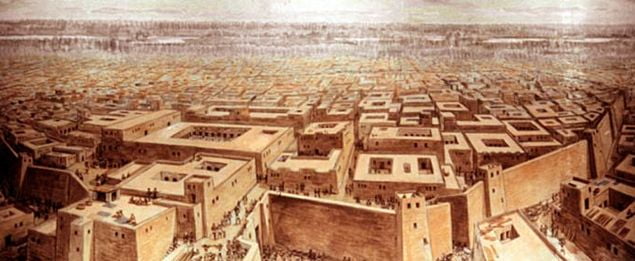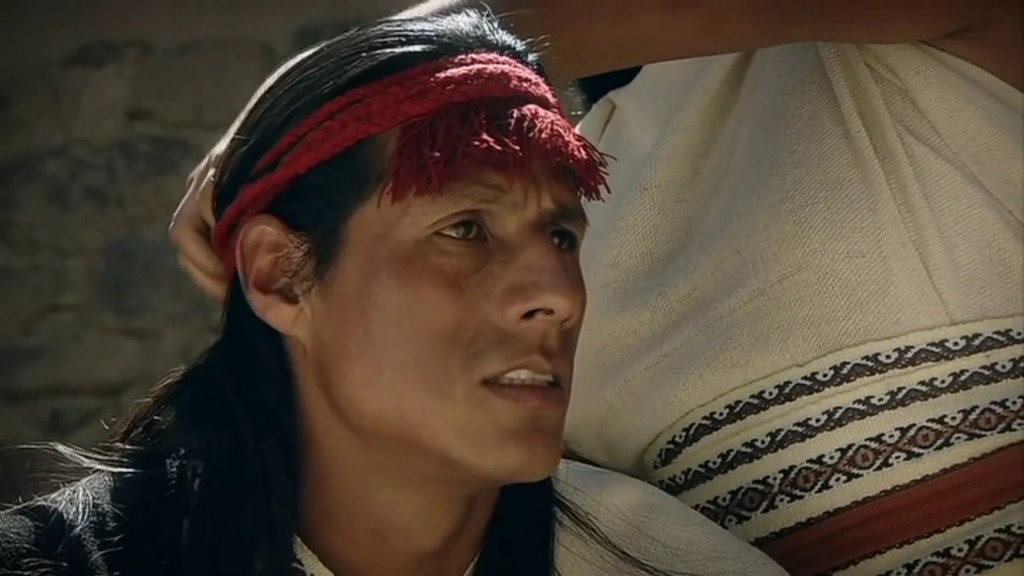
Guns, Germs, and Steel presents Jared Diamond’s explanation for why societies developed along different historical paths: environmental differences shaped domestication and food production, while geography influenced how crops, technologies, and ideas spread. The documentary lays out this connected argument, while also giving readers reason to avoid treating geography as the sole force shaping history.
The question behind the book
Diamond’s inquiry began with a question posed by Yali in Papua New Guinea. As quoted by PBS, Yali asked: “Why is it that you white people developed so much cargo, but we black people had little cargo of our own?” The wording belongs to that historical exchange; Diamond uses the question to frame an inquiry into global inequality, not to argue for innate racial differences.


Diamond’s argument, step by step
- Environments differed. Diamond emphasizes that regions varied in the wild plants and animals suitable for domestication.
- Food production could support larger populations. In the PBS documentary’s account of Diamond’s argument, productive farming created surpluses and helped support population growth.
- Surpluses allowed specialization. With some people able to work beyond food production, societies could develop activities such as metalworking, writing, trade, politics, and warfare.
- Geography shaped diffusion. Diamond argues that Eurasia’s east–west orientation and broadly similar latitudes helped crops, technologies, and ideas travel across the landmass.
This is Diamond’s explanatory framework, not a rule that applies identically to every society. He cautions against simple geographic determinism: in a PBS interview, he says “geography interacts with the choices that people make.”
Figures cited by the documentary
The PBS episode uses the following figures to illustrate Diamond’s account. They are figures presented by the 2005 program, not new estimates independently reassessed by this research.
#1 Best Overall

- Jared Diamond, Guns, Germs, and Steel: The Fates of Human Societies, paperback
| Figure | How the PBS episode uses it |
|---|---|
| 168 Spanish conquistadors and an Inca force of 80,000 | Describes the forces involved in the 1532 confrontation. |
| 14 domesticated animal species, 12 native to Eurasia | Illustrates the uneven distribution of animals Diamond discusses. |
| 33 of the world’s 56 heaviest wild grass seeds | The episode says these occur on the main Eurasian landmass. |
How to read the thesis critically
The argument focuses on environmental conditions, domesticable species, food production, and the spread of crops and technologies. Diamond’s qualification leaves room for human choices, and particular regional histories still need to be considered on their own terms.
A 1999 review by Alex Brooks in the BMJ summarizes the environmental thesis and discusses examples from the book; Brooks also found the repeated explanations involving New Guinea tedious. That is one reviewer’s response, not evidence of present-day scholarly consensus. The sources summarized here do not settle current specialist assessments of the book’s detailed historical claims.
Independent reader supportYour contribution helps us test, update, and keep practical guides available for everyone.FAQ
What is the main idea of Guns, Germs, and Steel?
Diamond argues that environmental differences—including the availability of domesticable species—and continental geography helped shape divergent historical trajectories. He presents these factors as explanations rather than evidence of innate racial superiority.
Why does Diamond emphasize farming?
In the PBS episode’s account, food surpluses from productive farming could support larger populations and allow some people to specialize in work beyond food production.
Does the book say geography determines everything?
No. Diamond says that “geography interacts with the choices that people make.” His framework emphasizes geography and ecology without making them the only influences on history.
What does the documentary establish about scholarly consensus?
The sources used for this article explain Diamond’s thesis and provide a dated review, but they do not establish present-day specialist consensus on the accuracy of the book’s detailed historical claims.
Quick Recap
Rank #4
Product prices and availability are accurate as of the date/time indicated and are subject to change. Any price and availability information displayed on Amazon at the time of purchase will apply.