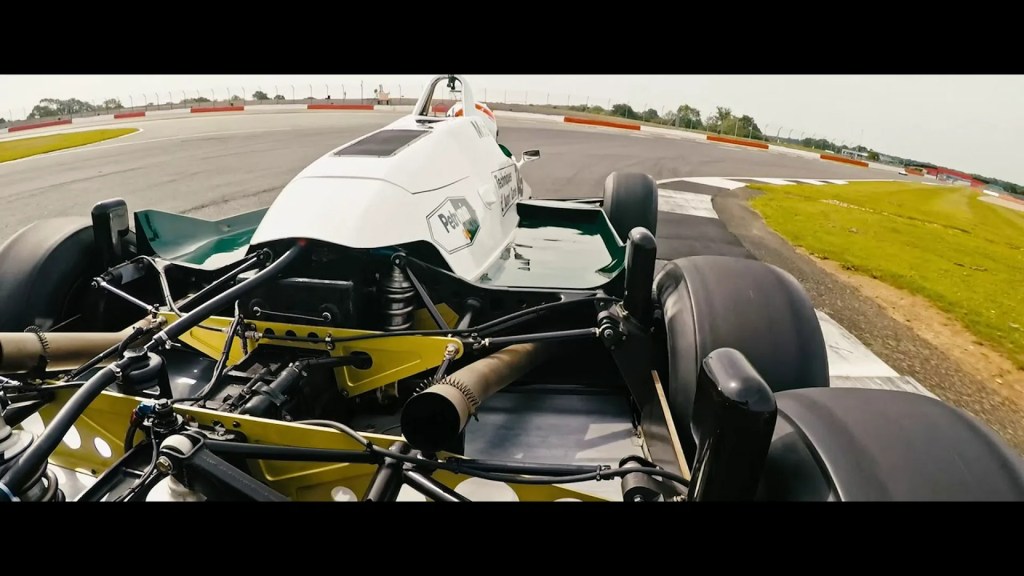
Formula 1 cars sound different because engine regulations and power-unit designs have changed over time. One major recent shift was from naturally aspirated V10s, last raced in 2005, to 1.6-litre turbo-hybrid V6 power units introduced in 2014. The V10s are often remembered for a sharper, more penetrating sound, but there is no authoritative decibel comparison across the eras covered here.
Why Formula 1 engine sounds change
Engine architecture shapes the sound a car produces. Across its history, Formula 1 has used both turbocharged and naturally aspirated engines, with different cylinder configurations. Regulations determine which designs teams can use, so changes in the rules can change what spectators hear.
Listening conditions matter too. The sound at a circuit can differ from a television or online recording because of the venue, microphone placement, recording, and broadcast mixing. Descriptions such as “shrill” or “lower-pitched” are impressions, not measurements or universal judgments.
Comparing notable engine eras
| Era or transition | What the sources establish | What to know about the sound |
|---|---|---|
| Turbocharged and naturally aspirated eras | Formula 1 engine history includes both types, alongside changes in engine configurations and regulations. | There is no single sound for every car in these broad periods. |
| V10 to turbo-hybrid V6 | The 3.0-litre V10s last raced in 2005. Formula 1 introduced 1.6-litre turbo-hybrid V6 power units in 2014. | BBC Sport correspondent Andrew Benson described the V10 sound as an “ear-splitting shriek.” That is descriptive journalism, not a measured loudness comparison. |
| 2026 framework | The framework retains a V6 internal-combustion engine, increases the electrical share, and uses sustainable fuel. | The regulations alone do not establish how the cars will sound in practice. |
Why do modern F1 cars sound different from V10s?
The change reflects a different power-unit design and the regulations behind it. Formula 1’s 1.6-litre turbo-hybrid V6 era began in 2014, after the 3.0-litre V10s had last raced in 2005. BBC Sport reported that Lewis Hamilton called the V6 sound less appealing; that was his opinion, not a technical finding or a view shared by every fan.
Free tools Windows power users keep installed
One-click scans. No signup required.
#1 Best Overall

- Authentic Formula 1 Styling – Realistic race-inspired design and proportions
- Authentic Race Car and Driver's Helmet Details
- Collector-Scale Model – 1:24 scale ideal for shelves, desks, and displays. Includes Acrylic Box with Decorative Sleeve
- Authentic Race Car and Driver's Helmet Details for #4 Lando Norris
- Free-Rolling Wheels – Smooth-rolling wheels for display or light play
Has Formula 1 tried to improve engine sound?
Yes. In 2017, the FIA listed “improving the sound of the power units” among shared development priorities. This records a stakeholder objective at that time; it does not set a precise sound target or prove that later cars became louder.
The FIA also gave period-specific figures for the power units discussed in 2017: between 900 and 1000 horsepower, 30 per cent lower fuel consumption than the previous generation, and approaching 50% thermal efficiency. These are historical claims about those units, not specifications for current engines.
Rank #2
- Officially Licensed Replica – Authentic styling and branding from the original manufacturer
- Die-Cast Metal Construction – Durable metal body with detailed plastic components
- Highly Detailed Design – Realistic exterior styling and interior details
- Free-Rolling Wheels – Smooth movement for display or play
- Perfect for Collectors & Kids – Great gift for automotive fans
What might the 2026 rules mean for F1 sound?
The official 2026 framework retains a V6 internal-combustion engine while shifting the balance toward electrical power and using sustainable fuel. The FIA’s published framework does not provide a reliable prediction of the sound in practice, so it would be misleading to say the rules restore a V10 sound or guarantee a particular acoustic character.
In 2025, a return to V10 engines was discussed as a possibility. BBC Sport reported on the debate, but it was not an adopted rule. Sound preference alone does not establish what future regulations will be.
Rank #3
- Ferrari Die-Cast Race Vehicle in 1/43 scale
- Authentic Race Car and Driver's Helmet Details
- Acrylic Box with Decorative Sleeve
- 2025 Season Car
Further listening
Formula 1’s official engine-history overview includes a video about the development of its engines. For a different take on car sounds, Formula 1’s 2018 announcement about the Official F1 Theme describes how composer Brian Tyler incorporated engine sounds into the music. Tyler said, “It’s not a sound effect; it’s notes within the music.” This is about the theme’s composition, not a recording archive of every engine era.
Independent reader supportYour contribution helps us test, update, and keep practical guides available for everyone.FAQ
When did F1 last use V10 engines?
According to BBC Sport, 3.0-litre V10 engines last raced in Formula 1 in 2005.
Rank #4

- FERRARI F1 TOY CAR – Boys and girls ages 10 and up and Ferrari fans can build, display and race the LEGO Speed Champions Ferrari SF-24 F1 Race Car and driver set
- 1 DRIVER MINIFIGURE – This vehicle set includes a driver minifigure wearing a special Ferrari outfit and a winged helmet for kids to place inside the cockpit and role-play thrilling race action
- AUTHENTIC DETAILS – F1 race car with design details from the real-life 2024 version, including a rear wing, a halo bar, sponsor stickers and wider rear tires imprinted with “Pirelli”
- F1 FUN FOR THE WHOLE FAMILY – Race for the checkered flag alongside the whole family with other building sets (sold separately) in the LEGO F1 range
- BUILD & DISPLAY – After kids have enjoyed playing out racing stories with the Ferrari F1 toy, they can display it on a shelf or bedside table
When did the turbo-hybrid V6 era begin?
Formula 1 introduced 1.6-litre turbo-hybrid V6 power units in 2014, according to BBC Sport.
Will the 2026 F1 cars sound like V10s?
The FIA’s 2026 framework does not promise a V10-like sound. It retains a V6 internal-combustion engine and increases the electrical share, but the sources reviewed do not provide a reliable prediction of the cars’ acoustic character.
Windows Errors? Fix Them Before They Spread
Repair common Windows errors and clear accumulated junk for a smoother, more stable PC - no reinstall needed.Free scan · no reinstallCrashes, No Sound, or Screen Glitches?
Random freezes, missing sound and display glitches usually trace back to one bad driver. Find and replace yours safely.Free scan · under a minuteAre V10s objectively the best-sounding F1 engines?
No. “Best sounding” is subjective. Reporting documents nostalgia for the V10 sound, but does not establish a universal preference or a measured ranking.
Quick Recap
Product prices and availability are accurate as of the date/time indicated and are subject to change. Any price and availability information displayed on Amazon at the time of purchase will apply.