Quick wins for a faster PC:
Clear out junk files and repair common Windows errorsFree Scan →Scan for outdated or missing drivers - takes under a minuteDriver Scan →Ellie’s puns land like tiny firecrackers in a world built out of dread. In HBO’s The Last of Us, where silence often signals danger and sincerity can feel like a liability, her jokes are a refusal to let the apocalypse dictate her inner life. They are corny, ill-timed, and occasionally groan-inducing, which is precisely why they matter.
Humor becomes Ellie’s emotional armor, a way to test boundaries and reclaim control when so much has already been taken from her. Each pun pokes at Joel’s stoicism, undercuts the show’s oppressive tension, and reminds us that Ellie is still a kid trying to process trauma in real time. The series understands that laughter isn’t a distraction from survival here; it’s part of the strategy.
| # | Preview | Product | Price | |
|---|---|---|---|---|
| 1 |
|
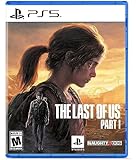
The Last of Us Part I – PlayStation 5 | $37.99 | Buy on Amazon |
| 2 |

|
Sony Interactive Entertainment The Last of Us Part 1 Standard PlayStation 5 | $45.06 | Buy on Amazon |
| 3 |

|
The Last of Us: Part I and Part II Scripts | $31.06 | Buy on Amazon |
That’s why cataloging Ellie’s puns isn’t just a novelty exercise but a character study in disguise. From eye-rolling dad jokes to moments of unexpected comedic timing, each one reveals something about where Ellie is emotionally and how safe she feels in that moment. Ranking them from worst to best means tracing her journey through fear, defiance, connection, and the stubborn insistence on staying human when the world keeps daring her not to.
How We Ranked the Puns: Criteria for Comedy in a Post-Apocalyptic World
Before stacking Ellie’s jokes from groan-worthy to genuinely inspired, we had to decide what “best” even means in a universe where joy is a scarce resource. These puns don’t exist in a vacuum; they’re shaped by danger, grief, and the fragile trust between two people learning how to survive together. Comedy, here, isn’t about volume of laughs but impact, timing, and emotional resonance.
#1 Best Overall
- Enhanced visuals: Completely rebuilt from the ground up using Naughty Dog’s latest PS5 engine technology to improve every visual detail, The Last of Us experience has been faithfully enhanced with more realistic lighting and atmosphere, more intricate environments and creative reimaginings of familiar spaces.
- Fast loading: Initial loading times are near instant, and seamless after the first instance thanks to the PS5 console’s SSD – so you can pick up where you left off in the story and load specific encounters and chapters more quickly.
- Haptic feedback: DualSense wireless controller haptic feedback support for every weapon elevates combat encounters, and environments are brought to life through DualSense wireless controller haptic sensations of subtle falling rain, the crunch of stepping on snow and more.
- Adaptive triggers: All The Last of Us iconic weapons, including Joel’s revolver and Ellie’s bow, now deliver dynamic DualSense wireless controller trigger resistance and kickback on firing for deeper combat immersion.
- 3D Audio: Designed to make use of the PS5 console’s Tempest 3D AudioTech, Naughty Dog’s newly upgraded audio engine delivers richer soundscapes, bigger explosive moments and more visceral gameplay through compatible stereo headphones (analogue or USB) or TV speakers.
Timing Is Everything (Especially When Death Is Nearby)
A well-timed pun in The Last of Us can feel like a small miracle. We ranked jokes higher when they cut through tension at just the right moment, offering relief without breaking the scene’s emotional logic. The worst offenders aren’t unfunny so much as mistimed, landing when silence might have carried more weight.
The Groan Factor: Bad on Purpose
Ellie’s love of terrible puns is not a bug; it’s a feature. Jokes that make Joel sigh, glare, or quietly beg the universe for patience often score higher because they accomplish exactly what Ellie wants: connection through irritation. A pun’s quality isn’t measured by how clever it is, but by how effectively it pushes buttons.
Character Revelation Over Pure Punchlines
The strongest puns reveal something about Ellie’s emotional state in that moment. Is she nervous, testing trust, masking fear, or feeling safe enough to be annoying on purpose? Jokes that double as character beats naturally rise in the rankings, while throwaway wordplay that doesn’t deepen our understanding sinks lower.
Relationship Impact: The Joel Effect
Ellie’s humor is often aimed directly at Joel, making his reactions part of the joke’s success. Puns that soften him, crack his stoicism, or subtly shift their dynamic carry more weight than ones that float by unanswered. If a joke changes the temperature between them, even slightly, it matters.
Do these 3 things before closing this tab:
1Fix the driver behind crashes, sound loss and screen glitches2Repair Windows errors before they cause bigger problems3Scan for outdated or missing drivers - takes under a minuteSurvival Value: Humor as Resistance
Finally, we considered what each pun represents in the larger emotional economy of the show. In a world that constantly threatens to erase innocence, every bad joke is an act of defiance. The highest-ranked puns don’t just make us smile; they remind us why Ellie’s insistence on humor is itself a survival skill.
The Groan-Inducing Bottom Tier: Ellie’s Worst (and Most Painful) Puns
Every great pun hierarchy needs a basement, and Ellie’s is lined with eye-rolls, audible sighs, and Joel’s slowly eroding patience. These jokes don’t soar; they thud. And yet, even at their weakest, they tell us something essential about Ellie’s need to fill silence, especially when that silence feels dangerous.
“I’m On a Seafood Diet” (Yes, That One)
Some puns are ancient for a reason, and this one feels like it survived the apocalypse solely out of spite. Ellie delivers it with earnest pride, as if she’s unearthed comedic gold, while Joel responds with the verbal equivalent of staring at the wall and reconsidering his life choices. It’s aggressively unoriginal, which is precisely why it lands so low.
What saves it from total irrelevance is intent. Ellie isn’t trying to be clever; she’s trying to be heard. In a world where most conversations revolve around survival logistics and trauma, even a fossilized dad joke becomes a bid for normalcy.
The Book of Jokes That Should’ve Stayed Closed
Ellie’s pun book is a recurring offender, a collection of jokes so groan-worthy they feel weaponized. Lines about broken pencils being pointless or clocks being hungry don’t just miss; they actively drain the room of energy. Joel’s reactions, ranging from strained tolerance to outright refusal to engage, become the punchline instead.
These jokes rank low because they stall momentum rather than cut through it. Still, the book itself matters. It’s a physical artifact of Ellie’s pre-apocalypse curiosity, a reminder that she’s clinging to childish things in a world that’s trying to strip them away.
Jokes That Land in the Middle of Emotional Rubble
A few of Ellie’s weakest puns aren’t bad on their own; they’re bad where they’re placed. Dropping a wordplay grenade immediately after violence or loss can feel jarring, even desperate. The timing turns the joke into an intrusion rather than a release.
But that discomfort is revealing. Ellie often reaches for humor when she doesn’t know what else to do with her feelings, and these moments expose her emotional immaturity in a way that’s painful but honest. The pun fails so we can see the fracture underneath.
When Joel Doesn’t Even Bother to Groan
The lowest-ranked puns are the ones that don’t earn so much as a reaction. No sigh, no glare, no muttered “Jesus, kid.” Just silence. In a show where Joel’s responses are half the comedic architecture, indifference is the ultimate failure.
And yet, even these jokes serve a function. They underscore how humor in The Last of Us is transactional; it needs connection to survive. When Ellie’s joke dies in the air, it’s not just a failed pun, it’s a moment where her reach for connection doesn’t quite make it across the gap.
So Bad They’re Good: Puns That Annoy Everyone Except Ellie
This is the tier where Ellie’s jokes cross an invisible line from merely weak to gloriously unbearable. They don’t just fail; they linger, daring someone to acknowledge them. These puns aren’t designed to land cleanly, they’re designed to exist, stubbornly and loudly, in a world that keeps telling Ellie to be quiet and grow up.
The Groan-Inducing Classics
Think of the jokes that arrive fully formed from the pun book, the ones built on ancient wordplay about stationery, timepieces, or bodily functions. You can practically hear them fossilizing mid-sentence. Joel’s face hardens, the air goes still, and Ellie smiles anyway, proud of the wreckage she’s caused.
The Tool Desk
Outbyte PC Repair FREEClear out junk files and repair common Windows errorsFree Scan →Outbyte Driver Updater FREEScan for outdated or missing drivers - takes under a minuteDriver Scan →What elevates these from pure cringe to so-bad-they’re-good is Ellie’s delivery. She commits with absolute sincerity, as if each joke might finally crack Joel open. The humor isn’t in the pun itself, but in the audacity of telling it at all.
Jokes That Exist Solely to Get a Reaction
Some of Ellie’s worst puns feel engineered less for comedy than for disruption. She drops them into quiet moments, on the road, or during tense lulls, like she’s poking the world with a stick just to make sure it’s still alive. Even a glare or an exasperated sigh counts as a win.
These jokes are annoying by design. Ellie isn’t chasing laughter; she’s chasing acknowledgment. In that sense, every eye roll is proof that she still matters to someone.
When Ellie Laughs First and Loudest
The defining feature of this category is that Ellie is often the only one amused. She laughs at her own punchlines, repeats them, sometimes even explains them. It’s comedy as self-soothing, a reminder that she doesn’t need permission to find joy, even if that joy is deeply irritating.
That confidence, misplaced as it may be, is quietly radical. In a narrative defined by loss and restraint, Ellie’s willingness to be obnoxious is a form of rebellion. These puns survive not because they’re funny, but because she refuses to let them die.
Rank #2
- Flexible design
- High-quality material
- Durable
Why These Jokes Actually Matter
So-bad-they’re-good puns rank higher than silent failures because they create friction. They force interaction, even if that interaction is negative. Joel’s annoyance, Tess’s impatience, or anyone’s visible discomfort becomes part of the joke’s anatomy.
Ellie’s humor here isn’t about timing or wit; it’s about persistence. Each awful pun is proof that she’s still reaching outward, still testing the boundaries of connection. In The Last of Us, that might be the bravest punchline of all.
The Emotional Sweet Spot: Puns That Land Because of Timing and Context
These are the jokes where Ellie’s humor finally clicks, not because the pun itself is clever, but because the moment needs it. The tension eases, the characters breathe, and for a fleeting second, the world feels survivable. In a show defined by brutality and restraint, these puns land like tiny emotional pressure valves.
Crashes, No Sound, or Screen Glitches?
Random freezes, missing sound and display glitches usually trace back to one bad driver. Find and replace yours safely.Free scan · under a minutePC Slower Than It Used to Be?
A free scan shows the junk files, broken settings and background clutter dragging Windows down - then fixes them in one click.Free scan · Windows 10 & 11They’re still groan-worthy on paper. On screen, they’re essential.
Jokes That Arrive After the Storm
Some of Ellie’s best puns come immediately after danger passes, when adrenaline drains and silence threatens to swallow the scene whole. She fills that silence instinctively, almost reflexively, like she’s afraid that if no one speaks, the fear will rush back in. The joke becomes a signal: we’re alive, we can talk again.
Joel’s reactions matter here. He doesn’t always laugh, but he doesn’t shut her down either. That tolerance, that slight softening, is what makes the pun work.
The Pun Book as Emotional Armor
Ellie’s infamous joke book reaches its peak effectiveness when it’s used not as a weapon of annoyance, but as a bridge. When she offers a pun tentatively, gauging the mood before committing, it signals growth. She’s learning that timing is a form of empathy.
Free tools Windows power users keep installed
One-click scans. No signup required.
These jokes often come during travel scenes or quiet interiors, when the world narrows to just two people moving through space together. The humor doesn’t disrupt the moment; it deepens it. The pun becomes a shared ritual, something familiar in a landscape that keeps erasing the familiar.
When Joel Almost Laughs
The highest-ranking puns in this category are the ones that nearly crack Joel. Not the big laughs, but the micro-reactions: a suppressed smirk, a sigh that’s half amusement, half surrender. Ellie clocks these instantly, filing them away as proof that she’s getting through.
What makes these jokes powerful is restraint. Ellie doesn’t pile on or repeat the punchline. She lets the moment sit, understanding, maybe unconsciously, that the win is fragile.
Why These Puns Hit Harder Than the Best One-Liners
In these moments, Ellie’s humor stops being defiance and starts being connection. The joke isn’t a shield or a provocation; it’s an offering. She’s saying, I’m here with you, and for a second, we don’t have to be afraid.
What’s actually slowing this PC down?
Pick the symptom - the matching free tool is one click away.
That’s the emotional sweet spot. The pun lands because the characters have earned the pause, and because Ellie knows, finally, when to speak and when to let the laugh echo quietly. In a world this broken, that kind of timing is its own kind of wisdom.
Laughing Through Trauma: Jokes That Deepen Ellie’s Character Arc
Some of Ellie’s most impactful puns don’t aim for laughs at all. They arrive after violence, loss, or prolonged tension, when humor feels almost inappropriate. That discomfort is the point, and it’s why these jokes climb higher in the ranking than flashier one-liners.
Ellie doesn’t joke because things are funny; she jokes because things are unbearable. Each pun becomes a pressure valve, a way to acknowledge the horror without naming it directly. In a show that rarely lets its characters articulate their pain, Ellie finds a workaround.
Jokes That Come After the Damage Is Done
Several mid-to-high-ranking puns land immediately after traumatic encounters, moments when silence would otherwise dominate. Ellie cracking a joke after danger passes isn’t tonal whiplash; it’s survival instinct. She’s reasserting control over the room, even if only for a sentence.
These jokes often get muted reactions, which makes them stronger. Joel’s non-laughter, the awkward pause, the way the air doesn’t fully reset, all underline that Ellie is trying to move forward faster than her emotions can keep up. The pun lands unevenly because healing does too.
Humor as a Test of Safety
Ellie’s jokes also function as emotional probes. When she throws out a pun after something awful, she’s checking whether it’s safe to exist as herself again. If the joke isn’t rejected outright, it’s permission to keep going.
That dynamic elevates otherwise groan-worthy material. A joke that would rank near the bottom in a vacuum suddenly gains weight because of when it’s told. Context transforms corniness into courage.
The Puns That Reveal Emotional Maturity
As Ellie grows, her humor subtly changes. The higher-ranked jokes in this category aren’t louder or sharper; they’re quieter. She knows when not to push, when one line is enough, when the joke should fade instead of echo.
Recommended Free Tools
These moments show Ellie learning restraint, a skill that doesn’t come naturally to her. The pun becomes less about attention and more about connection. That shift is small, but it’s foundational to who she’s becoming.
Why These Jokes Deserve a Higher Rank
Pure comedy puns may get bigger laughs, but these jokes do heavier lifting. They carry grief, fear, and resilience in a single breath. That’s why they outrank technically better jokes that exist only to break tension.
Rank #3
Ellie’s humor here doesn’t just lighten the mood; it tells a story. It marks where she is emotionally, what she’s trying to survive, and how desperately she wants the people around her to stay human with her. In The Last of Us, that might be the bravest punchline of all.
Independent reader supportYour contribution helps us test, update, and keep practical guides available for everyone.The Elite Tier: Ellie’s Best Puns and Why They Hit So Hard
These are the jokes that transcend groans and eye-rolls. Ellie’s elite-tier puns don’t just survive the apocalypse; they clarify it. Each one lands at the exact intersection of timing, vulnerability, and character growth, turning simple wordplay into something emotionally resonant.
The “Infected Walks Into a Bar” Joke
Ellie’s long-winded infected joke is technically absurd, deliberately overextended, and almost daring the listener to tune out. That’s precisely why it works. She’s not telling it to be funny; she’s telling it to be normal, clinging to the ritual of a bad joke in a world that has erased normalcy.
What elevates it into elite territory is Joel’s eventual reaction. The slow burn toward a real laugh feels earned, like a crack in armor that’s been welded shut for years. The punchline isn’t the joke itself, but the connection it finally creates.
The Magazine Gag That Says Everything Without Saying It
Ellie’s stolen-magazine humor in Bill and Frank’s house is quick, quiet, and devastatingly well-observed. It’s a pun-by-proxy, less about wordplay and more about timing and implication. She knows exactly what she’s doing, and she knows exactly how far to push it.
This joke works because it signals Ellie’s growing social awareness. She understands adult discomfort now, understands subtext, understands that humor can be a way to claim space without asking permission. It’s funny, yes, but it’s also Ellie realizing she’s allowed to be curious, irreverent, and unapologetically herself.
The Post-Danger One-Liner That Refuses to Let the World Win
Some of Ellie’s best puns come immediately after violence, when the room is still echoing with what almost happened. These jokes are often simple, almost tossed off, but they carry immense emotional weight. She’s not dismissing the danger; she’s defying it.
In these moments, the pun becomes an act of resistance. Ellie is asserting that fear doesn’t get the final word, even if it lingers. The joke lands softly, but it lands true, reminding both the audience and her companions that surviving isn’t just physical.
The Jokes That Ask for Nothing Back
At the very top of the ranking are the puns that Ellie delivers without expectation. No pause for laughter, no hopeful glance, no pressure to respond. She offers the joke and lets it drift, comfortable with silence.
That restraint is the payoff of her arc. These puns hit hardest because they show Ellie no longer using humor as armor or bait. She’s learned that sometimes a joke can simply exist, like her, in a broken world that hasn’t earned the right to erase joy.
What’s actually slowing this PC down?
Pick the symptom - the matching free tool is one click away.
These elite-tier moments prove that Ellie’s humor isn’t a distraction from The Last of Us; it’s a thesis statement. Every pun is a reminder that personality, curiosity, and laughter are worth preserving, even when everything else has already burned.
What Ellie’s Humor Ultimately Says About Hope, Humanity, and the Series Itself
Ellie’s puns don’t just puncture tension; they articulate the philosophy of The Last of Us in miniature. In a world that relentlessly strips people down to survival instincts, her jokes insist on something extra. They argue that personality is not a luxury, but a necessity.
Humor as Proof of Life, Not Distraction From Death
The series is unflinching about loss, but Ellie’s humor reframes what it means to endure it. Her puns arrive not to minimize trauma, but to coexist with it. They suggest that being alive isn’t only about breathing through another day, but about reacting to the world with curiosity and wit.
That distinction matters. The Last of Us never treats laughter as denial; it treats it as evidence. Ellie jokes because she’s paying attention, because she’s still engaging, because the world hasn’t flattened her into silence.
Crashes, No Sound, or Screen Glitches?
Random freezes, missing sound and display glitches usually trace back to one bad driver. Find and replace yours safely.Free scan · under a minutePC Slower Than It Used to Be?
A free scan shows the junk files, broken settings and background clutter dragging Windows down - then fixes them in one click.Free scan · Windows 10 & 11A Rejection of the Apocalypse’s Emotional Rules
Post-apocalyptic stories often reward emotional numbness, presenting detachment as wisdom. Ellie’s humor pushes back against that idea at every turn. Each pun is a refusal to let devastation dictate how she’s allowed to feel or express herself.
Even her worst jokes matter for this reason. The groaners, the ill-timed quips, the eye-roll-inducing one-liners all reinforce that Ellie is still experimenting with who she gets to be. In a setting that punishes vulnerability, she keeps choosing it anyway.
The Quiet Radicalism of Being a Kid Who Laughs
Ellie’s humor is also deeply age-specific, which is what makes it so powerful. These are not the jokes of someone who’s lived too long; they’re the jokes of someone still learning how language works, how people react, how far you can go before someone pushes back. That developmental messiness is the point.
By letting Ellie be funny in a juvenile, sometimes cringey way, the series preserves her childhood without sanitizing the world around her. Her puns become tiny time capsules of who she might have been in another life, and who she’s stubbornly still becoming in this one.
Recommended Free Tools
Why the Puns Linger Long After the Credits Roll
When fans quote Ellie’s jokes, they’re not just celebrating comic relief. They’re holding onto moments where the show allows light to exist without apology. These lines stick because they feel earned, because they emerge from character rather than undercut it.
In ranking Ellie’s puns from worst to best, what ultimately rises to the top isn’t cleverness, but intention. The best jokes aren’t the sharpest; they’re the ones that affirm presence, connection, and the simple audacity of joy.
Ellie’s humor tells us that The Last of Us is not only a story about what the world takes away, but about what stubbornly survives. If hope has a sound in this universe, it’s not a speech or a promise. It’s a bad pun, dropped into the darkness, daring someone to smile anyway.
Quick Recap
Product prices and availability are accurate as of the date/time indicated and are subject to change. Any price and availability information displayed on Amazon at the time of purchase will apply.
Quick wins for a faster PC:
Repair Windows errors before they cause bigger problemsFix Now →Scan for outdated or missing drivers - takes under a minuteDriver Scan →



