Crashes, No Sound, or Screen Glitches?
Random freezes, missing sound and display glitches usually trace back to one bad driver. Find and replace yours safely.Free scan · under a minutePC Slower Than It Used to Be?
A free scan shows the junk files, broken settings and background clutter dragging Windows down - then fixes them in one click.Free scan · Windows 10 & 11A great movie hat is never just an accessory. It’s a visual shortcut, a storytelling device that can define a character before they speak a single line, signaling power, mystery, rebellion, or myth. From the moment the camera frames a silhouette crowned with a distinctive brim, the audience understands they’re looking at someone who matters.
Iconography That Outlives the Film
The most iconic hats in cinema become inseparable from the films that birthed them, functioning almost like logos for entire stories. Think of how a fedora, a cowboy hat, or a bowler can instantly summon a specific genre, era, or attitude without context. These hats transcend costume design to become cultural shorthand, endlessly referenced, parodied, and reinterpreted long after the credits roll.
Identity, Power, and Transformation
Hats often mark who a character is, or who they are becoming, serving as visual punctuation in a character arc. A hat can confer authority, hide vulnerability, or symbolize a chosen persona, whether it’s worn with confidence or reluctantly claimed. In the best cases, removing or donning a hat becomes a narrative moment, signaling transformation as clearly as any line of dialogue.
How We Ranked Them: Cultural Impact, Character Definition, and Design Legacy
Ranking the greatest hats in movie history isn’t about personal taste or screen time alone. It’s about how deeply a piece of headwear embeds itself into cinema’s visual language, shaping characters, influencing fashion, and lingering in the collective imagination. Each hat on this list earned its place by doing far more than completing an outfit.
#1 Best Overall
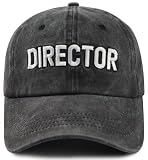
- Perfect Director Gifts: This Embroidered Director Hat Makes an Ideal Gift for Film Directors, Movie Makers, And Cinema Enthusiasts, Perfect for Celebrating Special Occasions like Mother's Day, Father's Day, Or Birthdays for Mom, Dad, Or Papa Who Love Filmmaking.
- High Quality Material: Our Film Director Themed Baseball Cap is Made of 100 Percent Cotton, Embroidered with Lettering "DIRECTOR" Logo on Front, That Showcases Passion for Movie Making and Directing, Adding a Playful Touch to Casual Wear While Celebrating the Art of Cinema. Design Style Simple, Reusable, Soft Comfortable.
- Adjustable Size: Theatre Director Gifts Hat Circumference: 21.65-23.62inches / 55-60cm. Brim: 2.75inches / 7cm. Height: 3.54inches / 9cm. Provides Comfortable All-Day Wear with an Adjustable Fit, Making It Suitable for Both Men and Women Who Work in or Appreciate the Film Industry.
- Versatile Everyday Wear: This Film Equipment Hat Seamlessly Transitions from On-Set Directing to Casual Outings, Offering a Stylish Way to Express Love for Filmmaking While Protecting from Sun During Outdoor Shoots or Leisure Activities.
- Thoughtful Gift Choice: Shows Appreciation for the Creative Professionals in Your Life, Whether They're Aspiring Filmmakers, Seasoned Directors, Or Movie Enthusiasts, Making It a Meaningful Present That Celebrates Their Passion for Cinema.
Cultural Impact: When a Hat Becomes a Symbol
First and foremost, we looked at how a hat escaped the confines of its film and entered pop culture. These are the hats that show up in Halloween costumes, parody sketches, fashion runways, and shorthand references across decades. If a silhouette alone can trigger instant recognition, it scored high in this category.
Cultural impact also considers longevity. Some hats caused an immediate splash, while others gained mythic status over time, accumulating meaning with each rewatch and revival. The strongest examples feel timeless, remaining relevant even as filmmaking styles and trends evolve.
Character Definition: A Shortcut to Identity
Great movie hats don’t just sit on a character’s head; they help define who that character is. We prioritized hats that communicate personality, profession, morality, or emotional armor before a word is spoken. Whether signaling authority, danger, rebellion, or mystery, these designs act as visual character bios.
We also considered how integral the hat is to the character’s arc. If removing or reclaiming the hat carries narrative weight, or if the character feels incomplete without it, that hat becomes part of the performance itself. In these cases, the line between costume and character completely disappears.
The Tool Desk
Outbyte PC Repair FREEClear out junk files and repair common Windows errorsFree Scan →Outbyte Driver Updater FREEFix the driver behind crashes, sound loss and screen glitchesFind Drivers →Design Legacy: Craft, Silhouette, and Influence
Finally, we evaluated the craftsmanship and design intelligence behind each hat. A truly great movie hat has a distinctive shape, texture, or styling choice that reads clearly on camera and holds up under close scrutiny. Function matters, but memorability is king.
Design legacy also means influence. Many of the hats ranked here reshaped genre aesthetics, inspired real-world fashion trends, or set a visual template that future films couldn’t resist borrowing. These are the hats that costume designers still reference, knowingly or not, every time they build a character meant to feel iconic.
The Top Tier: Hats That Defined Characters and Shaped Film History (Ranks 1–5)
When movie hats transcend costume and become cinematic language, they earn a place in the top tier. These final five aren’t just memorable; they fundamentally shaped how audiences understand character, genre, and visual storytelling. Each one is inseparable from the film history that surrounds it.
5. The Man with No Name’s Weathered Cowboy Hat – The Good, the Bad and the Ugly (1966)
Clint Eastwood’s battered, low-crowned cowboy hat did more than shade his eyes; it rewrote the visual code of the Western hero. Paired with squinting silence and a poncho, the hat became a symbol of moral ambiguity and quiet menace. Its worn texture suggested history without exposition, a life lived between gun smoke and regret.
The influence is immeasurable. Modern antiheroes across genres still borrow its silhouette, proving that sometimes the most powerful statement is one that looks like it’s been through hell and survived.
4. The Wicked Witch’s Pointed Hat – The Wizard of Oz (1939)
Few hats have ever communicated villainy so instantly. Margaret Hamilton’s sharply angled, jet-black witch’s hat crystallized centuries of folklore into a single, unforgettable image. It turned superstition into spectacle, readable even in silhouette against Technicolor skies.
Its cultural afterlife is astonishing. From Halloween aisles to fashion editorials and feminist reinterpretations, this hat has evolved from a symbol of fear into one of reclaimed power, without ever losing its cinematic bite.
3. Charlie Chaplin’s Bowler Hat – The Tramp Series (1915–1936)
Chaplin’s bowler hat is comedy distilled to its purest visual form. Slightly too small and perpetually perched, it framed The Tramp as both dignified and ridiculous, a gentleman clinging to decorum in a world that refused to return the favor. Every tilt or doff became a punchline or a heartbreak.
What’s actually slowing this PC down?
Pick the symptom - the matching free tool is one click away.
More than a prop, the bowler helped invent screen character branding. Long before franchises and mascots, Chaplin proved that a single accessory could carry empathy, satire, and global recognition.
2. The Fedora of Indiana Jones – Raiders of the Lost Ark (1981)
Indiana Jones’ fedora isn’t just iconic; it’s narratively sacred. Its battered brim signals adventure, resilience, and old-school heroism, surviving deserts, temples, and near-mythic punishment. Spielberg and Lucas treat it with reverence, often framing its loss or recovery as a mini-drama within the larger story.
The hat revived the fedora as a symbol of rugged intellect and pulpy romance. It became a bridge between classic serials and modern blockbusters, proving costume design could be both nostalgic and thrillingly new.
1. Indiana Jones’ Fedora – The Last Crusade Moment (1989)
What elevates this hat to the top spot is not repetition, but revelation. When The Last Crusade shows young Indy receiving the fedora, the hat transforms into legacy incarnate. In a single gesture, character, destiny, and cinematic myth snap into place.
This moment cemented the fedora as one of the most meaningful costume pieces in film history. It’s not just worn; it’s inherited, carrying the weight of storytelling itself, and ensuring its place as the most influential movie hat ever put on screen.
Enduring Icons: Instantly Recognizable Hats That Became Pop Culture Staples (Ranks 6–10)
10. Forrest Gump’s Bubba Gump Shrimp Cap – Forrest Gump (1994)
Few movie hats are as quietly ubiquitous as Forrest Gump’s red Bubba Gump Shrimp Co. cap. It’s aggressively ordinary, which is precisely why it works, reflecting Forrest’s unassuming nature as he drifts through major moments of American history. The hat never calls attention to itself, yet becomes inseparable from the character’s wide-eyed sincerity.
Its cultural reach extended far beyond the film, turning a fictional business into a real-world brand and the cap into a shorthand for earnest nostalgia. In a movie full of digital wizardry and sweeping history, this simple ball cap grounded everything in human warmth.
Rank #2

- High Quality Material: Our Write Shoot Edit Repeat Hats for Women Men is Made of 100 Percent Cotton. Design Style Simple But Show Elegant Demeanour, Reusable, Soft Comfortable Breathable Wick Sweat Away Very Fit Your Head.Perfect Gifts for Yourself, Family, Friends. Funny Director Hat Great for Filmmaker Gifts, Film Making Gifts, Movie Director Gifts, Film Students Gifts, Film Producer Gifts, Film Gifts, Film Director Students Gifts.
- Adjustable Snap Closure: Filmmaker Hat Circumference: 21.65-23.62inches / 55-60cm. Brim: 2.75inches / 7cm. Height: 3.54inches / 9cm. Adjustable Back Snap Closure So You Can Adjust to Get the Perfect Fit.
- Director Gifts for Men Women: Summer Classic Jean Boat Hair Dont Care Hat for Women Men, Washed Cotton Quick Dry Twill Adjustable Beach Hat, 6 Panel Structure, 6 Embroidered Eyelets. Breathing Hole Design Increases the Permeability of the Hat. Pre-curved Brim for Coverage, Wearing This Comfortable Hat womens Mens Baseball Hat Protect Your Skin from Harmful UV Rays and Keep Your Hair Out of Your Face and Eyes.
- Suitable for Any Occasion: Movie Decorations Director Hat is Very Suit for Movie Party, Movie Night Party Decorations, Running, Sports, Street Dancer, Summer Beach Activities, Camping, Hiking, Oscars Themed Party Decorations, Gardening, Traveling, Movie Birthday Party Decorations, Fishing, Movie Premiere Party Decorations, Boating, Hunting, Family Movie Night Supplies, Cookouts or Outdoor Sports, Out with Friends, Costume Parties or Any Other Occasions.
- Perfect for Women Men, Mama, Papa,mom, Dad, Mother, Father, Daughter, Son, Wife, Husband, Grandma, Grandpa, Aunt, Uncle, Sister, Brother. Suitable for Birthday, Father's Day, Mother's Day, Valentines Day, Christmas, New Year, Anniversaries, Various Holiday Gifts.
9. Quint’s Weathered Captain Hat – Jaws (1975)
Quint’s battered cap in Jaws looks like it’s already survived a dozen storms before the film even begins. Sitting low and sun-bleached, it reinforces his salt-crusted authority as a man who belongs to the sea, not polite society. The hat is part of the film’s visual storytelling, signaling danger, experience, and obsession long before Quint opens his mouth.
After Jaws, the grizzled fisherman’s hat became cinematic shorthand for maritime toughness. It’s a piece of costume design that smells like saltwater and superstition, forever linked to one of cinema’s most harrowing monologues.
8. Mary Poppins’ Practically Perfect Hat – Mary Poppins (1964)
Mary Poppins’ prim black hat, perched neatly atop her perfectly composed silhouette, is elegance with a wink. Its clean lines and modest flower accent mirror her outward propriety, even as chaos and magic swirl just beneath the surface. The hat completes one of the most recognizable character entrances in movie history.
As an icon, it transcends children’s cinema. The hat became a symbol of controlled whimsy, proving that restraint in costume design can be just as memorable as spectacle.
7. Stanley Ipkiss’ Yellow Zoot Suit Fedora – The Mask (1994)
The moment Jim Carrey’s Stanley Ipkiss dons the bright yellow fedora, subtlety leaves the building in the best possible way. The hat, exaggerated and cartoonish, announces that live-action reality has surrendered to Looney Tunes logic. It’s less an accessory than a visual exclamation point.
Free tools Windows power users keep installed
One-click scans. No signup required.
This fedora cemented the character’s identity as a walking special effect. Decades later, it remains a staple of cosplay and pop culture shorthand for unleashed id, chaos, and cartoon bravado.
6. Rick Blaine’s Fedora – Casablanca (1942)
Rick Blaine’s fedora in Casablanca is worn with weary detachment, shadowing Humphrey Bogart’s eyes like emotional armor. It’s the uniform of a man pretending not to care, perfectly aligned with the film’s themes of moral ambiguity and romantic restraint. Every tilt feels deliberate, as if the hat itself knows more than Rick lets on.
This fedora helped define the visual language of classic Hollywood masculinity. Long after the fog cleared from Casablanca’s runway, the image of Bogart in that hat remained etched into cinema’s collective memory.
Scene-Stealers and Style Statements: Cult Favorites and Genre Legends (Ranks 11–16)
These hats may not sit at the very top of the cinematic pantheon, but they’ve earned their place through personality, genre-defining style, and pure memorability. Often tied to cult classics and fan-favorite performances, they prove that even supporting accessories can steal entire scenes.
Do these 3 things before closing this tab:
1Fix the driver behind crashes, sound loss and screen glitches2Clear out junk files and repair common Windows errors3Scan for outdated or missing drivers - takes under a minute11. Indiana Jones’ Fedora – Raiders of the Lost Ark (1981)
Indiana Jones’ fedora is less a fashion choice than a survival tool, shielding him from sun, sand, and certain doom. Its battered brim and lived-in texture reinforce the character’s old-school serial adventure roots, evoking pulp heroes and matinee escapism. The hat famously matters so much that the camera lingers on it, treating it as an extension of Indy himself.
Few hats have become so inseparable from a character’s silhouette. Even in still frames or shadowy outlines, the fedora instantly signals adventure, archaeology, and cinematic heroism.
12. The Dude’s Cowboy Hat – The Big Lebowski (1998)
The Dude’s laid-back cowboy hat looks like it wandered in from a different movie entirely, which is precisely the point. It clashes delightfully with the film’s bowling alleys and Los Angeles sprawl, underscoring the character’s refusal to conform to anyone else’s rules. Like the bathrobe and jelly sandals, the hat is anti-style turned into personal philosophy.
Over time, it became a cult symbol of relaxed rebellion. The hat doesn’t demand attention, but it quietly defines one of cinema’s most enduring slackers.
Quick wins for a faster PC:
Clear out junk files and repair common Windows errorsFree Scan →Scan for outdated or missing drivers - takes under a minuteDriver Scan →Repair Windows errors before they cause bigger problemsFix Now →13. Oddjob’s Bowler Hat – Goldfinger (1964)
Oddjob’s bowler hat is weaponized elegance, concealing lethality beneath impeccable formality. Its clean lines and classic British respectability make its violent functionality all the more shocking. When the hat comes off, danger follows.
This bowler transformed a traditional gentleman’s accessory into a pop culture menace. It’s a perfect example of how Bond films turn fashion into threat, leaving audiences forever suspicious of overly polite headwear.
14. Forrest Gump’s Shrimp Boat Cap – Forrest Gump (1994)
Forrest Gump’s worn Bubba Gump Shrimp Co. cap is humble, practical, and deeply sincere. It reflects Forrest’s straightforward worldview, marking success not with luxury but with quiet pride. The cap feels earned, not styled.
As an icon, it represents American perseverance without irony. The hat’s simplicity helped anchor the film’s emotional core, turning corporate branding into something unexpectedly heartfelt.
Recommended Free Tools
15. Lloyd Christmas’ Orange Top Hat – Dumb and Dumber (1994)
Lloyd Christmas’ blinding orange top hat is comedy in its purest visual form. It announces stupidity with confidence, matching the character’s total lack of self-awareness. The hat is aggressively wrong, which makes it exactly right.
Its exaggerated elegance turned into a comedic weapon. Decades later, the hat remains shorthand for joyous absurdity and unapologetic bad taste.
Rank #3

- Thank You Gifts for Women Men: Director Hats Is a Best Gift for Director. Features a Funny Saying Director Was Embroidered on Front of the Hat. Vantage Filmmaker Baseball Caps Great for Coworker Gifts, Filmmaker Gift, Film Making Gift, Congratulations Gift, Movie Director Gift, Movie Theme Party Decorations, Film Students Gift, Film Director Students Gift.
- Movie Decor Gifts Hat Material: Directors Gifts Baseball Hat Is Made of 100 Percent High Quality Cotton, Soft, Breathable and Comfortable. Premium Workmanship and Exquisite Stitching Make You Feel Comfortable to Wear All-Day. Filmmaker Baseball Caps Pre-Curved Visor to Protect You from the Sun and Prevent Dazzle. Special Suit for Hollywood Theme Party Decorations.
- Adjustable Size: Movie Party Decorations Baseball Cap Circumference : 21.65-23.22 Inches (55-59cm); Movie Theater Hat Hat Brim : 2.75 Inches (7cm); Theatre Director Gifts Hat Hat Height : 3.54 Inches (9cm). Director Appreciation Gifts Baseball Hat Has Adjustable Metal Buckle Closure, Can Be Adjusted Freely, Ensure Maximum Comfort and a Secure Fit at All Times. Film Gifts Suitable for Summer, Spring, Winter, Fall.
- Suitable for Any Occasion: Movie Decorations Director Hat Is Very Suit for Movie Party, Movie Night Party Decorations, Running, Sports, Street Dancer, Summer Beach Activities, Camping, Hiking, Oscars Themed Party Decorations, Gardening, Traveling, Movie Birthday Party Decorations, Fishing, Movie Premiere Party Decorations, Boating, Hunting, Family Movie Night Supplies, Cookouts or Outdoor Sports, Out with Friends, Costume Parties or Any Other Occasions.
- Goodbye Gifts for Coworkers: Director Appreciation Gifts for Women, Men, Papa, Mama, Uncle, Aunt, Wife, Son, Daughter, Nephew, Gifts for Theater Directors, Gratitude Gifts for Coworkers, Niece, Dad, Mom, Grandpa, Grandma, Husband. Suitable for Christmas, Halloween, Birthday, Father's Day, Mother's Day, Memorial Day, Movie Party Favors, Valentines, Thanksgiving, Anniversaries, Easter, Various Holiday Gifts.
16. Alex DeLarge’s Bowler Hat – A Clockwork Orange (1971)
Alex DeLarge’s bowler hat is unsettling in its neatness, paired with violence and sociopathic charm. Kubrick uses the traditional British accessory to heighten discomfort, blending civility with menace. The hat completes a look designed to disturb as much as it fascinates.
Few hats have carried such ideological weight. It remains a chilling example of how costume design can weaponize familiarity, making the ordinary feel deeply wrong.
Designing the Perfect Hat: Costume Designers, Materials, and On-Screen Mythmaking
Behind every unforgettable movie hat is a series of deliberate choices that go far beyond style. Costume designers understand that hats sit closest to the face, framing identity in a way few garments can. They become visual shorthand, signaling character, tone, and mythology before a single line of dialogue lands.
The Designer’s Hand: Storytelling From the Crown Down
Great costume designers treat hats as narrative tools, not accessories. Deborah Nadoolman Landis famously approached Indiana Jones’ fedora as sacred text, aging it, distressing it, and shaping it to feel passed down through adventure rather than purchased off a rack. The result is a hat that feels inseparable from character, as if removing it would erase the legend.
This philosophy runs through cinema history. Whether it’s Kubrick’s weaponized bowler or Forrest Gump’s humble cap, the hat is never random. It’s chosen to echo psychology, social status, and worldview, often becoming the most efficient piece of visual storytelling in the frame.
Materials Matter: Felt, Leather, Straw, and the Weight of Reality
The physical construction of a hat plays a massive role in its on-screen power. Felt fedoras absorb light differently than leather, giving noir detectives their shadowy mystique. Straw hats suggest heat, labor, and vulnerability, while rigid bowlers convey control, order, or repression depending on context.
Wear and tear is just as important. Creases, sweat stains, and misshapen brims communicate lived-in authenticity, allowing audiences to believe a character has history beyond the script. These imperfections transform costume pieces into cinematic artifacts.
Mythmaking on Screen: When Hats Become Symbols
Once a hat appears in motion, cinema completes the mythmaking process. The way a brim tilts during a standoff, flies off during chaos, or is placed with ritual precision turns fabric into iconography. Directors frame hats deliberately, often using them as visual anchors in posters, trailers, and key scenes.
Over time, repetition cements meaning. Audiences learn to associate certain silhouettes with heroism, menace, rebellion, or absurdity. The hat stops being clothing and becomes language, a symbol that transcends its film and enters pop culture shorthand.
Why Hats Endure When Other Costumes Fade
Unlike full outfits, hats are instantly recognizable and endlessly reproducible. They survive Halloween costumes, parodies, fan conventions, and generational nostalgia. You don’t need the jacket, whip, or boots to recognize the hero if the hat is right.
Quick wins for a faster PC:
Clear out junk files and repair common Windows errorsFree Scan →Scan for outdated or missing drivers - takes under a minuteDriver Scan →That endurance is why these pieces linger long after credits roll. A great movie hat doesn’t just complete a look; it creates a legacy, sitting at the intersection of design, performance, and cinematic myth.
Independent reader supportYour contribution helps us test, update, and keep practical guides available for everyone.Beyond the Screen: How These Movie Hats Influenced Fashion, Fandom, and Imitation
Once a movie hat escapes the frame, it rarely stays confined to costume departments and archives. These designs bleed into streetwear, subcultures, and even everyday identity, proving that cinema doesn’t just reflect fashion trends, it actively creates them. The most iconic hats become wearable shorthand for entire films, genres, and attitudes.
From Costume to Closet: When Movie Hats Hit the Streets
Some hats didn’t just inspire admiration, they triggered real-world fashion waves. The fedora, once a relic of pre-war menswear, found new life through noir detectives and globe-trotting archaeologists, reshaping its image from formal to ruggedly romantic. Cowboy hats surged alongside Western revivals, while rebellious caps and beanies became visual signals of outsider cool, adopted by audiences who wanted to borrow a character’s confidence without the full costume.
Designers noticed. Runways and retail repeatedly echoed cinematic headwear, often stripping it down or modernizing silhouettes first popularized on screen. What began as character-specific styling evolved into broader fashion language.
Free tools Windows power users keep installed
One-click scans. No signup required.
Fandom and the Power of Instantly Recognizable Icons
Few costume elements translate to fandom as cleanly as a hat. At conventions, film premieres, or Halloween parties, a single piece of headwear can do all the narrative work. A tilted fedora, a worn baseball cap, or a sharply structured bowler instantly signals allegiance, saving fans from needing elaborate recreations.
This accessibility turns hats into democratic icons. Anyone can participate, regardless of budget or craftsmanship, which is why they dominate cosplay shortcuts, fan art, and viral tributes. The hat becomes a badge of shared cinematic literacy.
Imitation as Tribute: Wearing Character Psychology
When audiences wear these hats, they aren’t just copying aesthetics, they’re adopting personas. Slipping on a specific brim invites the swagger, mystery, or moral code associated with the character who wore it first. It’s a form of performative fandom, where imitation becomes a quiet act of homage.
This is why certain hats feel almost theatrical even off-screen. Their shapes carry emotional memory, allowing wearers to momentarily step into a myth without saying a word.
Merchandising, Replicas, and the Economics of Iconography
Studios quickly learned that hats are merchandising gold. Unlike full costumes, they’re practical, wearable, and endlessly scalable, from high-end replicas to mass-market souvenirs. Limited-edition reproductions now come with certificates, aging details, and screen-accurate materials, blurring the line between fashion accessory and collectible artifact.
Rank #4

- This is Your Hat: Complement your stylish outfits with our high quality baseball caps! Comfortable, Fashionable, and Casual for Daily Look! Features a funny saying DIRECTOR was embroidered on front of the washed black dad hat. The great classic look and lightweight feel make this vintage sun cap an all-around favorite. Perfect gift for yourself, Director of Operations, Activity Assistant, Movie Director, Film Director or that special person in your life
- Top Quality: For us, quality is a priority. Low Profile, Pigment Dyed. We use soft Washed Cotton Twill and Polyester material to fit just right and make sure you won't even feel the hat all day long! Built-in soft cotton sweatband keeps the sweat drips from entering your eyes during the heat of battle, while the 6 sewn eyelets enhance breathability. Classic 6-panel dad hat for style and comfort around town. Suitable for wear during summer, spring, winter, and fall
- Size: One Size Fits Most - Adjustable strap-back: Convenient metal closure to custom fit the baseball hat to your head for maximum comfort and a secure fit. Head Circumference: 55 - 60 cm / 21.6" - 23.6"; Hat Brim Measures Approx: 6.9 cm / 2.75"; High Approx: 11 cm / 4.33". This unisex baseball cap is perfect for men and women, girls and boys
- Wonderful Caps: For casual, hip-hop, Running, sports, street dancer, summer beach activities, camping, hiking, kayaking, gardening, traveling, fishing, boating, hunting, beach, pool, cookouts or outdoor sports, out with friends, costume parties or any other occasions. Perfect gifts ideas for Christmas Day, New Year, Party, Valentines Day, Mother's Day, Father's Day, Graduation Gifts and Birthday gifts or Celebration gifts
- Simple Yet Personalized: The awesome washed baseball cap with its stylish embroidered adorn is going to make you stand out among everyone. Choose from the wide variety of styles to match with your outfit and set out to impress everyone on the way. If you have any question, please feel free to contact us. We will do our best to provide you with best solutions
These objects function as portable pieces of cinema history. Owning one feels less like buying merch and more like inheriting a fragment of the film’s mythology.
Why the Influence Never Fully Fades
Trends cycle, but iconic movie hats resist expiration. They resurface with remakes, anniversaries, and new generations discovering old films for the first time. Each revival reinforces their symbolic power, ensuring they remain visually legible even as styles evolve.
In the end, these hats succeed because they do what cinema does best: condense character, story, and emotion into a single, unforgettable image. When worn beyond the screen, they prove that great costume design doesn’t just dress characters, it invites the world to join the performance.
The Tool Desk
Outbyte Driver Updater FREEFix the driver behind crashes, sound loss and screen glitchesFind Drivers →Outbyte PC Repair FREERepair Windows errors before they cause bigger problemsFix Now →Honorable Mentions and Near-Misses: Great Movie Hats That Just Missed the Cut
Not every legendary movie hat can make the final lineup, but that doesn’t diminish their cinematic power. These near-misses still helped define characters, genres, and entire eras of filmmaking. Think of this section as the deep-cut playlist for costume design obsessives, hats that linger in the cultural subconscious even if they stopped just short of true immortality.
Rick Blaine’s Fedora — Casablanca (1942)
Humphrey Bogart’s fedora in Casablanca is the very image of romantic fatalism. Tilted just so, it frames Rick as both world-weary and impossibly cool, a man hiding idealism beneath cynicism. It narrowly misses the cut only because its influence became inseparable from Bogart himself rather than the character alone.
Forrest Gump’s Ping-Pong Cap — Forrest Gump (1994)
Simple, red, and unassuming, Forrest’s cap becomes a visual shorthand for his accidental heroism. It’s a hat tied less to style than sincerity, reflecting a character untouched by ego. Its cultural footprint is undeniable, even if it lacks the dramatic symbolism of more stylized brims.
The Pink Fedora — The Pink Panther Series
Inspector Clouseau’s hat is as playful and offbeat as the character wearing it. Its exaggerated color transforms a classic silhouette into slapstick iconography. While instantly recognizable, it lives more in the realm of comedic branding than character psychology.
Lorraine Baines’ Wide-Brim Hat — Back to the Future (1985)
Lorraine’s hat at the Enchantment Under the Sea dance captures the heightened innocence of 1950s nostalgia. It frames her as both idealized and slightly surreal, a memory filtered through time travel and longing. A beautiful piece of period design, even if its screen time is fleeting.
The Ghostbusters’ Newsboy Caps — Ghostbusters (1984)
Worn casually and without comment, these caps help ground the paranormal in working-class realism. They suggest that these heroes are scientists second and exterminators first. Icon-adjacent rather than iconic, they’re remembered more as part of a uniform than a singular statement.
Leon’s Beanie — Léon: The Professional (1994)
Leon’s knit cap is intimate, almost vulnerable, softening the outline of a professional killer. It humanizes him, making his silence feel protective rather than cold. Its understated power is precisely why it falls just outside the flashier legends.
Jack Sparrow’s Tricorn (Alternate Films) — Pirates of the Caribbean Series
While Sparrow’s bandana dominates pop culture memory, his occasional tricorn appearances deserve credit. They nod to traditional pirate imagery while reinforcing his unstable identity, always shifting, never fixed. A worthy footnote in one of cinema’s most recognizable costuming arsenals.
What’s actually slowing this PC down?
Pick the symptom - the matching free tool is one click away.
Michael Corleone’s Fedora — The Godfather Part II (1974)
Worn during moments of consolidation and quiet menace, Michael’s hat becomes a visual marker of his complete transformation. It lacks the operatic flourish of other entries, but its restraint mirrors the character’s chilling control. A masterclass in subtlety, even if it doesn’t scream iconography.
These hats may not have claimed a spot among the all-time greats, but each contributed to cinema’s visual language in lasting ways. They remind us that sometimes the most meaningful costume choices whisper rather than shout, lingering in memory long after the credits roll.
Final Take: Why These Hats Still Live Rent-Free in Our Cinematic Memory
They Do More Than Complete a Costume
The greatest movie hats aren’t accessories; they’re narrative shortcuts. In a single glance, they tell us who a character is, what they believe, and how they want to be seen. Whether it’s authority, rebellion, mystery, or romance, these hats carry meaning before a word of dialogue is spoken.
They Become Visual Shorthand for Character
Long after plot details fade, the silhouette remains. Indiana Jones without his fedora or Audrey Hepburn without her wide-brimmed elegance feels incomplete, like a melody missing its chorus. These hats function as cinematic logos, instantly summoning an entire film, performance, and emotional tone.
Recommended Free Tools
They Capture a Moment in Cultural Time
Many of these designs transcend their films to reflect broader cultural moods. They echo eras of optimism, cynicism, danger, or transformation, becoming touchstones for how audiences remember not just characters, but decades of filmmaking. When fashion, storytelling, and timing align, iconography is born.
They Invite Us to Play Along
Part of their staying power comes from how easily they cross into real life. Halloween costumes, cosplay, collectibles, and everyday fashion all borrow from these cinematic hats because they allow fans to briefly inhabit a myth. Putting one on feels like stepping into a story that never really ends.
In the end, these hats endure because cinema is a visual medium built on symbols, and few symbols are as immediate or expressive as what a character chooses to wear on their head. They linger because they frame faces we love, moments we revisit, and characters who feel timeless. Long after the screen goes dark, these hats stay perched in our imagination, exactly where great movie magic belongs.
Quick Recap
Product prices and availability are accurate as of the date/time indicated and are subject to change. Any price and availability information displayed on Amazon at the time of purchase will apply.




