Crashes, No Sound, or Screen Glitches?
Random freezes, missing sound and display glitches usually trace back to one bad driver. Find and replace yours safely.Free scan · under a minutePC Slower Than It Used to Be?
A free scan shows the junk files, broken settings and background clutter dragging Windows down - then fixes them in one click.Free scan · Windows 10 & 11Awards season thrives on shock value, but few moments landed with as much delighted disbelief as the night a dog from Good Boy outpaced Ethan Hawke for an Astra Award. In a circuit often dominated by prestige performances and veteran gravitas, the win felt like a collective double take—part punchline, part genuine recognition. It was also a reminder that even the most carefully curated awards calendars still have room for joyful chaos.
Good Boy, a small but buzzy indie built around the emotional bond between its human characters and its four-legged scene-stealer, arrived with modest expectations and left with a trophy that no one saw coming. The Astra Awards, known for spotlighting bold choices across film and television with a younger, more internet-savvy sensibility, proved the perfect stage for such an upset. When the canine performance edged out Hawke’s typically assured, critically praised work, it wasn’t a dismissal of star power so much as an embrace of something more instinctive and universally felt.
| # | Preview | Product | Price | |
|---|---|---|---|---|
| 1 |
![Good Boy [Blu-Ray]](https://m.media-amazon.com/images/I/41IPkKF4HjL._SL160_.jpg)
|
Good Boy [Blu-Ray] | $14.99 | Buy on Amazon |
| 2 |
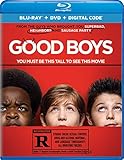
|
Good Boys | $7.52 | Buy on Amazon |
| 3 |
![Good Boys (Blu-ray) [2019] [Region Free]](https://m.media-amazon.com/images/I/51DZenaq62L._SL160_.jpg)
|
Good Boys (Blu-ray) [2019] [Region Free] | $12.99 | Buy on Amazon |
| 4 |
![Good Boy [Blu-ray] (2025)](https://m.media-amazon.com/images/I/41bvX2EIofL._SL160_.jpg)
|
Good Boy [Blu-ray] (2025) | $18.21 | Buy on Amazon |
| 5 |

|
Good Boys - Blu-ray + DVD + Digital | $4.99 | Buy on Amazon |
Animal performances have long occupied a strange limbo in awards culture—beloved by audiences, rarely honored by institutions—but this win suggests that line is finally blurring. In an era where viewers crave authenticity, memeability, and emotional immediacy, a dog delivering unfiltered feeling can compete with, and occasionally outshine, even the most respected actors. The Astra voters didn’t just crown a good boy; they signaled how evolving tastes and engagement are reshaping what an “award-worthy” performance can look like.
What Are the Astra Awards? A Brief Guide to the Ceremony That Loves the Unexpected
If the Oscars are the grand old opera house of awards season, the Astra Awards are the scrappy repertory theater down the street—restless, curious, and unafraid to throw the doors open to something weird, wonderful, or wildly unexpected. Launched by the Hollywood Creative Alliance and evolving from the former Hollywood Critics Association ceremonies, the Astras have carved out a reputation for zigging where more traditional groups zag. They celebrate film and television with an eye toward what’s resonating now, not just what’s destined for a mantelpiece.
Free tools Windows power users keep installed
One-click scans. No signup required.
#1 Best Overall
- Good Boy [Blu-Ray]
A Younger, Internet-Aware Awards Body
The Astra voting body skews younger and more digitally fluent than many legacy critics groups, which shows up in both their nominations and winners. Genre films, breakout indies, buzzy streaming performances, and pop-cultural lightning rods tend to fare better here than they might elsewhere. It’s an awards show that understands memes, fandoms, and the value of performances that spark conversation beyond the screen.
That sensibility helps explain how a dog from Good Boy could realistically outrun Ethan Hawke in the same category. The Astras aren’t interested in honoring prestige by default; they’re interested in impact. If a performance—human or otherwise—dominates the emotional conversation of the year, it stands a real chance.
Why the Astras Embrace Curveballs
Unlike institutions built on decades of tradition, the Astra Awards operate with a flexible sense of what recognition can look like. Their categories and nominations often feel like a response to how audiences are actually engaging with film and television, rather than how they’re “supposed” to. That openness makes room for unconventional contenders, including animal performances that might be dismissed as novelty elsewhere.
In the case of Good Boy, the canine star wasn’t treated as a gimmick but as a legitimate emotional anchor for the film. The Astras’ willingness to honor that speaks to a broader philosophy: if a performance moves people, dominates social chatter, and lingers after the credits, it deserves to be in the conversation—no matter how many legs the actor has.
A Snapshot of Where Awards Culture Is Headed
The Astra Awards function less like a predictor of Oscar night and more like a cultural temperature check. They spotlight emerging tastes, shifting values, and the growing influence of audiences who want awards to feel fun, responsive, and slightly unpredictable. That’s why moments like a canine beating Ethan Hawke don’t feel like flukes here; they feel on brand.
In embracing the unexpected, the Astras have positioned themselves as an awards show that reflects how people actually watch, feel, and talk about movies today. And sometimes, that means acknowledging that the most affecting performance of the year didn’t come from a seasoned movie star—but from a very good boy who understood exactly how to hit his mark.
Meet the Real Winner: Inside the Performance That Made ‘Good Boy’ a Standout
At the center of Good Boy isn’t a high-concept hook or a flashy genre twist—it’s a dog whose performance quietly hijacks the film and refuses to let go. The canine star, trained with precision but filmed with remarkable restraint, delivers something that feels disarmingly real. There’s no winking anthropomorphism, no cuteness overload. Just presence, timing, and a startling emotional intelligence that anchors every scene.
What ultimately pushed this performance past Ethan Hawke at the Astra Awards wasn’t novelty—it was dominance. Scene after scene, the dog dictates the emotional temperature of the film, reacting rather than performing in the traditional sense. That naturalism creates an authenticity many human performances strive for, and rarely achieve, in a year crowded with polished prestige turns.
Why the Performance Works on a Cinematic Level
Director and editors deserve credit for understanding when to get out of the way. The camera often lingers just long enough to capture micro-moments—hesitation, alertness, confusion—that register as genuine feeling rather than trained behavior. It’s the kind of filmmaking choice that allows an animal performance to feel less like a trick and more like a collaboration.
Crucially, the film never asks the dog to “act” beyond its capabilities. Instead, it builds the narrative around reactions and physical cues audiences instinctively read. That clarity makes the performance legible, powerful, and emotionally accessible, which is exactly what awards bodies like the Astras respond to when impact outweighs tradition.
Beating Ethan Hawke Was About Conversation, Not Competition
Ethan Hawke’s nominated performance represented the kind of work awards voters have honored for decades: layered, internal, technically impressive. But Good Boy’s canine star sparked something rarer—a collective reaction that spilled beyond the screen and into online discourse, memes, and genuine debate. People weren’t just impressed; they were moved, surprised, and eager to talk about it.
Rank #2
That kind of cultural footprint matters to the Astra Awards. Their voting body often favors performances that feel alive in the moment, not just respected in hindsight. When viewers walked away remembering the dog before anything else, the outcome became less shocking and more inevitable.
Recommended Free Tools
The Enduring Appeal of Animal Performances
Animal performances have always occupied a strange space in awards culture—beloved by audiences, politely ignored by institutions. Yet history shows that when done right, they cut through cynicism faster than almost anything else. From Old Yeller to Babe to modern viral sensations, animals on screen tap into a shared emotional shorthand that transcends genre and demographics.
Good Boy’s win suggests that this appeal is finally being taken seriously in formal recognition spaces. In an era where audiences crave authenticity and emotional immediacy, a performance that communicates without dialogue can feel especially powerful. The Astras didn’t just reward a dog—they rewarded a performance that reminded viewers why they connect to movies in the first place.
Ethan Hawke’s Role and the Category Breakdown: Who Was Competing and Why It Mattered
To understand why this matchup turned heads, you have to look closely at what Ethan Hawke brought to the table. His nominated role was classic Hawke territory: introspective, wounded, and quietly magnetic, the kind of performance that unfolds in glances and pauses rather than grand speeches. It was serious work, impeccably calibrated, and very much in line with what awards bodies traditionally reward.
This wasn’t a novelty category or a sidecar honor, either. Hawke and the canine star of Good Boy were competing in a performance field that treated emotional impact as the primary currency, regardless of species. That framing alone signaled that the Astra Awards were less interested in résumé prestige and more focused on how a performance actually landed with audiences.
Do these 3 things before closing this tab:
1Clear out junk files and repair common Windows errors2Fix the driver behind crashes, sound loss and screen glitches3Repair Windows errors before they cause bigger problemsWhat Made the Category Unusually Competitive
The category itself was stacked with respected names and formally demanding roles. Alongside Hawke were performances defined by psychological depth, narrative weight, and visible transformation—actors doing the kind of heavy lifting that dominates awards season conversations. On paper, this should have been an easy win for a seasoned human performer.
But awards aren’t decided on paper, and this year’s lineup exposed a fascinating tension. While Hawke’s work invited admiration, Good Boy’s canine performance triggered something more instinctive. Viewers didn’t just appreciate it; they responded emotionally, immediately, and en masse.
Why Hawke’s Loss Wasn’t a Snub
It’s important to stress that Hawke didn’t lose because his performance fell short. If anything, his presence in the category grounded the win, giving it legitimacy rather than novelty value. Beating an actor of his caliber reframed the conversation from “cute gimmick” to “genuine artistic disruption.”
In that sense, Hawke became an essential part of the story. His nomination represented the old guard of awards logic, while the dog’s win embodied where the Astras see performance culture heading. The result wasn’t about diminishing traditional acting—it was about expanding the definition of what resonates now.
Why This Matchup Elevated the Astra Awards
For the Astra Awards, pairing Hawke with a canine co-star in the same competitive space underscored their evolving identity. These are voters willing to reflect current audience behavior, not just industry hierarchy. They recognize that cultural impact, emotional clarity, and memorability often matter more than technical difficulty alone.
That willingness to put a revered actor and a dog on equal footing made the win feel earned rather than ironic. It suggested a future where awards conversations are less about who should win and more about who actually moved people. And in that environment, even Ethan Hawke losing can feel like progress.
Why Audiences and Voters Embrace Animal Performances: From Lassie to Awards-Era Viral Buzz
Animal performances have always occupied a special lane in film history, one that operates parallel to prestige logic rather than beneath it. From Lassie’s steadfast heroism to Rin Tin Tin saving entire studios from collapse, animals have delivered clarity of emotion that audiences instinctively trust. They don’t signal performance; they simply exist onscreen, and that authenticity has always been their quiet superpower.
What’s changed isn’t the appeal, but the amplification. In an awards ecosystem increasingly shaped by clips, memes, and shareability, animals thrive where subtle human performances sometimes struggle to break through. A single expressive glance from a dog can travel farther on social media than a monologue that took months of preparation.
Quick wins for a faster PC:
Scan for outdated or missing drivers - takes under a minuteDriver Scan →Clear out junk files and repair common Windows errorsFree Scan →Fix the driver behind crashes, sound loss and screen glitchesFind Drivers →Emotion Without Irony
Part of the appeal lies in how animals bypass cynicism. Viewers don’t question motivation or method; they respond purely to feeling. When Good Boy’s canine star registers fear, loyalty, or confusion, audiences aren’t decoding technique—they’re reacting on instinct, the same way they’ve always responded to animals in storytelling.
For voters, that kind of reaction matters more than ever. Awards bodies like the Astras aren’t immune to the emotional aftershocks of audience response, especially when a performance becomes a shared cultural moment. The dog didn’t just perform well; it made people feel something immediately and collectively.
The Legacy Factor: This Isn’t New, Just Newly Acknowledged
Hollywood has flirted with honoring animal performances before, often stopping just short of full legitimacy. Uggie’s near-miss during The Artist era and the enduring mythos around Lassie both hinted at an appetite voters never fully acted on. The Good Boy win feels less like a novelty and more like a delayed acknowledgment of a lineage that’s been waiting its turn.
What separates this moment is context. The Astra Awards, still defining their identity, operate with fewer inherited rules and less fear of appearing unserious. That freedom allows them to formalize what audiences have long practiced: valuing emotional precision over professional pedigree.
Viral Culture Rewards the Unfiltered
In today’s attention economy, performances don’t live only in theaters or screeners. They circulate as GIFs, reaction videos, and short clips stripped of narrative scaffolding. Animal performances excel in this environment because they don’t require context to land; a dog’s emotional beat is instantly legible.
Good Boy benefited enormously from this reality. Its canine star became not just a character but a symbol of the film’s emotional core, making the performance easy to celebrate, easy to share, and easy to remember when ballots were cast. In an era where memorability often equals momentum, that clarity can be decisive.
What Voters Are Really Responding To
At a deeper level, embracing animal performances reflects a shift in how voters define “acting.” It’s no longer solely about transformation or technical virtuosity, but about impact, connection, and how long a performance lingers after the credits roll. The dog in Good Boy didn’t out-act Ethan Hawke in a traditional sense; it outlasted him in the collective emotional memory.
That distinction matters. As awards bodies recalibrate around audience engagement and cultural resonance, performances that cut straight to the emotional core gain an advantage. In that landscape, animals aren’t gimmicks—they’re competitors, finally being judged by the same standard audiences have always used.
The Film Behind the Win: How ‘Good Boy’ Positioned Itself as a Cult and Awards Contender
Good Boy didn’t arrive with the swagger of an awards heavyweight. It crept in sideways, sold less as prestige cinema than as an offbeat, emotionally tuned character piece that happened to feature a dog at its center. That modest framing turned out to be its secret weapon, lowering expectations while quietly sharpening its emotional impact.
Rank #4
- Entertainment
The film’s restrained scale and intimate storytelling made its canine lead feel essential rather than ornamental. This wasn’t a mascot performance or a crowd-pleasing trick reel; the dog functioned as the film’s emotional anchor, shaping scenes through reaction, stillness, and timing rather than overt spectacle.
A Small Film That Knows Exactly What It Is
Good Boy understands its own tone with uncommon precision. It leans into minimalism, allowing silence and physical presence to do narrative work that dialogue often over-explains in larger films. Within that framework, the dog’s performance doesn’t compete with human actors; it completes them.
That clarity helped the film find a cult following early. Viewers responded not because it felt engineered for awards, but because it felt honest, a quality that tends to age well during long voting windows. By the time ballots circulated, Good Boy had already established itself as a quiet favorite rather than a novelty curiosity.
The Tool Desk
Outbyte Driver Updater FREEScan for outdated or missing drivers - takes under a minuteDriver Scan →Outbyte PC Repair FREERepair Windows errors before they cause bigger problemsFix Now →Why the Astra Awards Were the Perfect Launchpad
The Astra Awards occupy a liminal space in the awards ecosystem. They’re young enough to be flexible, but visible enough to matter, especially for films operating outside the traditional studio prestige machine. That combination makes them uniquely receptive to unconventional performances.
In honoring Good Boy’s canine star, Astra voters weren’t rejecting craft; they were redefining it. The win suggests a voting body comfortable acknowledging that emotional effectiveness doesn’t always come packaged in monologues or transformative physicality. Sometimes it arrives on four legs, communicates without words, and refuses to be ignored.
Positioning Emotion Over Hierarchy
What ultimately pushed Good Boy into awards contention was its confidence in emotional hierarchy. The film doesn’t ask audiences to rank performances by résumé or reputation; it asks them to remember how they felt. Against that metric, the dog’s presence consistently registers stronger than more traditionally “serious” turns elsewhere in the field.
That’s how a performance like Ethan Hawke’s, respected and technically assured, can lose ground without being diminished. Good Boy reframed the competition around resonance rather than reputation, and in doing so, made space for a win that feels surprising, inevitable, and strangely overdue all at once.
What’s actually slowing this PC down?
Pick the symptom - the matching free tool is one click away.
Industry Reaction and Social Media Fallout: Laughter, Applause, and Debate
The moment the Astra Award was announced, the room reportedly split between laughter and genuine applause, a reaction that quickly echoed online. What could have played as a punchline instead landed as a collective double-take, followed by a slow nod of recognition. The surprise wasn’t that Ethan Hawke lost; it was that everyone instantly understood why.
Within minutes, social media transformed the win into a shared cultural event. Memes of the dog’s most expressive moments circulated alongside tongue-in-cheek captions about “method acting” and “emotional availability.” The joke, however, always carried an undercurrent of sincerity: people weren’t mocking the choice, they were celebrating it.
A Rare Case of the Internet Agreeing With Voters
Awards discourse online is usually fueled by outrage, but this time the prevailing tone leaned toward amused approval. Film Twitter, often quick to cry foul, largely framed the result as a refreshing break from predictability rather than a snub. Many posts pointed out that Hawke’s performance remained excellent, just not as emotionally indelible.
What stood out was how frequently viewers cited specific scenes from Good Boy to justify the win. Clips and GIFs weren’t shared ironically; they were evidence. In an era when awards debates often feel abstract, this one was rooted in shared, concrete viewing experiences.
The Tool Desk
Outbyte Driver Updater FREEScan for outdated or missing drivers - takes under a minuteDriver Scan →Outbyte PC Repair FREEClear out junk files and repair common Windows errorsFree Scan →Best Value
Industry Voices Weigh In, Carefully but Curiously
Behind the scenes, industry reactions were more measured but no less intrigued. Publicists and awards strategists quietly acknowledged that the Astra Awards had pulled off something rare: a viral moment that still felt artistically defensible. For smaller films, that balance is gold.
Several actors and filmmakers chimed in with comments that skirted humor and respect, praising the performance without turning it into a novelty. The subtext was clear. If audiences are responding this strongly, ignoring that response would feel out of step with the moment.
Why the Debate Matters More Than the Joke
Beneath the memes, a more substantive conversation took shape about what awards are actually meant to recognize. Is the goal to honor technical mastery, emotional impact, or cultural resonance? The canine star’s win forced those questions into the open without sounding academic or self-serious.
Animal performances have always occupied a strange space in cinema, often beloved but rarely legitimized. This moment cracked that hierarchy just enough to suggest that effectiveness, not category expectations, might be gaining ground. Whether that shift lasts remains to be seen, but for one awards night, the conversation felt newly alive.
Do these 3 things before closing this tab:
1Clear out junk files and repair common Windows errors2Scan for outdated or missing drivers - takes under a minute3Repair Windows errors before they cause bigger problemsWhat This Win Signals About Evolving Awards Culture and Future Recognition
If the Astra Awards have always positioned themselves as a little more nimble than legacy institutions, this outcome felt like that mission statement made flesh. By honoring the canine performance from Good Boy over a respected veteran like Ethan Hawke, the group leaned into responsiveness rather than reverence. It wasn’t about diminishing a human performance; it was about acknowledging where the emotional center of the conversation truly landed.
At a time when awards bodies are scrutinized for feeling disconnected from audiences, this win read less like a stunt and more like calibration. The Astras didn’t chase shock value so much as they followed the energy in the room. That distinction matters, especially as younger voters and online communities increasingly shape awards-season narratives.
The Rise of Impact Over Expectation
Traditionally, awards culture has privileged transformation, dialogue-heavy monologues, and the visible labor of acting. Animal performances, no matter how affecting, were usually slotted into the “charming but separate” category. Good Boy disrupted that assumption by delivering something harder to quantify but easier to feel: sustained emotional presence.
The dog’s performance didn’t just support the film; it anchored it. Voters seemed to respond to that clarity of purpose, rewarding impact rather than résumé. In that sense, the win wasn’t whimsical. It was practical.
Astra Awards as a Bellwether, Not an Outlier
While the Oscars and other major bodies move cautiously, smaller and mid-tier awards like the Astras often act as testing grounds. They have the freedom to recognize unconventional work without rewriting the entire industry rulebook overnight. This decision fit squarely within that tradition, positioning the Astras as a space where cultural conversation can outrun institutional inertia.
That doesn’t mean we’re about to see a flood of animal nominees across every category. But it does suggest that rigid definitions of “serious” performance are softening. Recognition, at least here, is becoming more elastic.
Audience Engagement as an Awards Currency
Perhaps the most telling aspect of the win was how seamlessly it aligned with audience behavior. Viewers weren’t persuaded after the fact; they arrived already convinced. The Astra voters simply caught up to what the discourse had been signaling for weeks.
In an ecosystem where relevance is as valuable as prestige, that alignment is powerful. It hints at a future where awards bodies don’t just dictate taste but reflect it, validating the moments that audiences are already carrying with them.
In the end, the canine star of Good Boy beating Ethan Hawke wasn’t a rejection of craft or tradition. It was a reminder that awards, at their best, are living things. When they evolve in step with how stories are felt, not just how they’re framed, they remain meaningful. And on this night, a very good boy made that case without saying a word.
Quick Recap
Product prices and availability are accurate as of the date/time indicated and are subject to change. Any price and availability information displayed on Amazon at the time of purchase will apply.




