The Tool Desk
Outbyte Driver Updater FREEScan for outdated or missing drivers - takes under a minuteDriver Scan →Outbyte PC Repair FREERepair Windows errors before they cause bigger problemsFix Now →After a decade defined by reboots, shared universes, and pandemic-era disruptions, 2026 is quietly lining up as the year when movie sequels reclaim their crown as true event cinema. Studios are no longer just extending brands; they’re betting on carefully timed follow-ups that promise scale, auteur vision, and cultural conversation. The result is a release calendar that feels both nostalgic and newly energized, designed to pull audiences back into theaters while also anchoring major streaming strategies.
What makes 2026 different is how deliberate these sequels feel. Many arrive after long development gaps, post-strike recalibrations, or creative overhauls that suggest lessons have been learned about franchise fatigue and audience trust. From globe-trotting action sagas and long-awaited animated returns to prestige follow-ups from acclaimed filmmakers, these films are positioned as statements, not placeholders.
| # | Preview | Product | Price | |
|---|---|---|---|---|
| 1 |
![Jaws 3-Movie Collection [DVD]](https://m.media-amazon.com/images/I/51nbLoYzBlL._SL160_.jpg)
|
Jaws 3-Movie Collection [DVD] | $7.99 | Buy on Amazon |
| 2 |
![Airport Terminal Pack [DVD]](https://m.media-amazon.com/images/I/51u7TvlKDzL._SL160_.jpg)
|
Airport Terminal Pack [DVD] | $8.49 | Buy on Amazon |
| 3 |

|
Tom Cruise 10-Movie Collection | $15.32 | Buy on Amazon |
| 4 |
![Tremors 7-Movie Collection [DVD]](https://m.media-amazon.com/images/I/61yskiNKhuL._SL160_.jpg)
|
Tremors 7-Movie Collection [DVD] | $12.15 | Buy on Amazon |
| 5 |
|
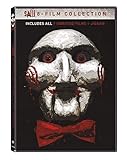
Saw: 8-Film Collection - DVD | $15.90 | Buy on Amazon |
This lineup also reflects a broader industry pivot toward fewer, bigger swings. Rather than flooding the market, studios are concentrating resources on sequels with proven fanbases, clear creative identities, and genuine reasons to exist beyond brand recognition. The following films represent not just the most anticipated sequels of 2026, but a snapshot of where Hollywood believes the future of blockbuster storytelling is headed.
How We Ranked the 16 Most Anticipated Sequels: Hype, Box Office, and Creative Stakes
Ranking anticipation is part data science, part gut instinct, and part understanding how audiences emotionally connect to franchises. For this list, we weren’t simply asking which sequels are biggest on paper, but which ones feel most likely to define the moviegoing conversation in 2026. Each ranking reflects a balance between cultural momentum, commercial expectations, and the creative risks attached to continuing a story people already care about.
#1 Best Overall
Audience Hype and Cultural Momentum
First and foremost, anticipation starts with audience demand. We tracked fan chatter across social media, convention buzz, teaser reactions, and long-tail franchise loyalty to gauge which sequels people are actively waiting for rather than passively aware of. Films that feel like genuine events, not just calendar placeholders, naturally rose to the top.
Timing played a role here as well. Sequels returning after long gaps, cliffhanger endings, or unresolved fan debates tend to generate louder, more sustained hype than rapid follow-ups. When anticipation builds over years instead of months, expectations shift from curiosity to obsession.
Box Office Legacy and Financial Stakes
Past performance matters, especially when studios are betting hundreds of millions on a follow-up. We weighed how each predecessor performed theatrically and on streaming, factoring in international appeal, repeat viewings, and merchandise power. A sequel to a billion-dollar hit carries a different kind of pressure than one continuing a cult favorite, and that tension often fuels anticipation.
At the same time, we looked at how market conditions have changed since the last installment. Inflation, shifting release windows, and audience selectivity mean even proven franchises now face real risk, making their upcoming chapters more fascinating to track.
What’s actually slowing this PC down?
Pick the symptom - the matching free tool is one click away.
Creative Vision and Talent Involved
Sequels live or die by who’s steering the ship. Returning directors, bold new creative teams, and filmmakers with something personal to say can radically alter how a sequel is perceived before a single frame is released. Projects that signal evolution rather than repetition earned higher placement.
We also considered how much story remains to be told. Sequels that promise escalation, thematic depth, or genre reinvention feel more essential than those simply extending a formula. When a follow-up hints at redefining its franchise, anticipation spikes.
Franchise Trajectory and Long-Term Impact
Finally, we evaluated what each sequel represents within its broader franchise. Some films are bridge chapters, while others are positioned as finales, soft reboots, or turning points that will shape future installments for years. Sequels carrying that kind of narrative and strategic weight tend to attract outsized attention.
In 2026, many of these films aren’t just continuing stories, they’re course-correcting brands, testing audience goodwill, or setting the tone for an entire decade of sequels to come. That sense of consequence is what ultimately separates mild interest from true anticipation.
Recommended Free Tools
The Top Tier: The 5 Sequels with Franchise-Defining Potential
These are the sequels carrying the most weight in 2026, not just because of their scale, but because each one could fundamentally reshape its franchise’s future. They sit at the intersection of creative ambition and enormous financial stakes, where success means momentum and failure invites reinvention. For audiences, these films feel less like routine follow-ups and more like events.
The Batman – Part II
Matt Reeves’ return to Gotham is positioned as more than a sequel; it’s the film that will confirm whether this grounded, noir-driven take can stand as a long-term alternative to DC’s newly rebooted universe. With Robert Pattinson’s Batman still early in his career, expectations are high for a deeper psychological dive rather than a simple escalation of spectacle.
What makes The Batman – Part II especially intriguing is its timing. As DC Studios launches a new shared universe elsewhere, Reeves’ isolated continuity has to justify its existence through quality alone. If it succeeds, it cements a rare parallel franchise model for DC; if it stumbles, consolidation becomes inevitable.
Avengers: Doomsday
Formerly known as The Kang Dynasty, Avengers: Doomsday arrives carrying the full burden of Marvel’s post-Endgame era. This is the studio’s chance to reassert its dominance after several uneven phases, and the return of the Russo brothers signals a deliberate attempt to recapture past magic.
Audiences aren’t just looking for multiversal chaos; they want clarity, cohesion, and emotional investment. Doomsday needs to redefine what an Avengers movie feels like in 2026, or risk confirming fears that Marvel’s event storytelling has lost its edge.
Spider-Man 4
Tom Holland’s next solo outing is arguably the most creatively open-ended film on this list. After No Way Home stripped Peter Parker down to his core, Spider-Man 4 has the rare opportunity to rebuild a beloved hero from scratch while still operating inside a massive cinematic ecosystem.
Sony and Marvel face a delicate balancing act here. Fans want street-level storytelling again, but the character’s box office power demands scale. How this sequel navigates that tension could influence Spider-Man’s direction for the next decade.
Dune: Messiah
If Denis Villeneuve follows through on his plan to adapt Dune: Messiah, this sequel would transform the franchise from epic hero’s journey into something far darker and more introspective. The first two films built Paul Atreides as a myth; Messiah interrogates the cost of believing in one.
That tonal shift is exactly why this sequel matters. A successful Dune: Messiah would prove that blockbuster science fiction can challenge audiences rather than comfort them, potentially redefining how prestige genre franchises are approached in Hollywood.
Rank #2
- Factory sealed DVD
Toy Story 5
Few sequels arrive under more scrutiny than Toy Story 5. After Toy Story 4 delivered what many felt was a definitive ending, this new chapter has to justify its existence on an emotional level, not just a commercial one.
Pixar’s task is daunting but potentially rewarding. If Toy Story 5 finds a story that feels essential rather than nostalgic, it could reaffirm the studio’s storytelling credibility and prove that legacy franchises can still evolve meaningfully in a sequel-heavy marketplace.
The Heavy Hitters: Established Franchises Poised for Massive Returns (Ranks 6–10)
These are the sequels that don’t need to prove their relevance. Their brands are already global, their audiences already engaged, and their success or failure will ripple across studios and release calendars. What makes ranks 6 through 10 fascinating is that each arrives at a creative crossroads, where familiarity alone won’t be enough.
#10. The Super Mario Bros. Movie 2
After the first film became one of the highest-grossing animated releases of all time, Universal wasted no time confirming a sequel. The challenge now is expansion rather than introduction, turning Nintendo’s most famous universe into a narrative-driven franchise instead of a greatest-hits tour.
With more characters, worlds, and lore available than the original film could touch, expectations are high for a bolder story. If Mario 2 deepens its emotional stakes while maintaining its broad appeal, it could cement Nintendo as a permanent force in theatrical animation.
#9. Shrek 5
Shrek’s return is driven by more than nostalgia; it’s a calculated attempt to reassert relevance in a post-minions, post-Puss in Boots marketplace. The success of The Last Wish proved there’s still appetite for this world when handled with care and modern sensibilities.
Shrek 5 will need to update its humor without losing the irreverent edge that made the franchise iconic. Done right, it could bridge generations and remind audiences why Shrek once dominated pop culture.
Quick wins for a faster PC:
Fix the driver behind crashes, sound loss and screen glitchesFind Drivers →Repair Windows errors before they cause bigger problemsFix Now →Scan for outdated or missing drivers - takes under a minuteDriver Scan →#8. Frozen 3
Frozen is no longer just a franchise, it’s a pillar of Disney’s brand identity. With Frozen 3, the studio faces the delicate task of continuing Elsa and Anna’s journey without repeating familiar emotional beats.
What makes this sequel intriguing is Disney’s promise of a longer arc, with Frozen 3 and 4 reportedly designed as connected chapters. That ambition suggests a deeper mythological focus, potentially giving the series its most mature storytelling yet.
#7. Star Wars: New Jedi Order
Set years after the sequel trilogy, this Rey-centered continuation represents Lucasfilm’s most significant attempt to move Star Wars forward rather than backward. It’s not a reboot, and it’s not pure nostalgia, which makes it both risky and necessary.
The film’s success will hinge on whether audiences are ready to re-engage with the sequel-era timeline under a clearer creative vision. If it works, New Jedi Order could finally give the franchise a stable future beyond Skywalker-era storytelling.
#6. The Batman – Part II
Matt Reeves’ grounded, noir-inspired take on Gotham returns with immense expectations and unusually long development time. The first film earned critical acclaim and strong box office, but its sequel has to justify the wait by evolving Bruce Wayne, not just challenging him.
With deeper corruption, more psychological complexity, and a potentially darker Gotham on the horizon, The Batman – Part II is positioned as a prestige sequel rather than a traditional superhero follow-up. If it delivers, it could redefine what longevity looks like for standalone comic book franchises in a shared-universe era.
The Wild Cards: Risky, Surprising, or Genre-Shifting Sequels to Watch (Ranks 11–16)
These are the sequels with the widest range of outcomes. Some are returning after long absences, others are attempting tonal reinvention, and a few are carrying the weight of franchises that haven’t always played it safe. If the top 10 are built on momentum, these picks are built on ambition.
#11. Dune: Messiah
Following the cultural and commercial impact of Dune: Part Two, Denis Villeneuve’s planned adaptation of Dune: Messiah represents a sharp narrative turn. Frank Herbert’s sequel is darker, more philosophical, and far less interested in traditional heroism.
Outdated Drivers Are Slowing You Down
One free scan finds every outdated or missing driver and matches the right update for your exact hardware.Free scan · exact hardware matchPC Slower Than It Used to Be?
A free scan shows the junk files, broken settings and background clutter dragging Windows down - then fixes them in one click.Free scan · Windows 10 & 11That tonal shift makes this sequel inherently risky, even with an audience now fully invested in Paul Atreides. If Villeneuve stays true to the source, Dune: Messiah could be one of the most intellectually challenging blockbuster sequels of the decade.
#12. I Am Legend 2
Reviving a post-apocalyptic classic nearly two decades later is a bold move, especially with a sequel that reportedly acknowledges the film’s alternate ending. Will Smith’s return alongside Michael B. Jordan suggests a generational passing-of-the-torch approach.
Rank #3
- Tom Cruise 10 Movie Collection
- Product Type: Physical Movie
- Brand: Paramount
The challenge will be expanding the mythology without losing the haunting simplicity that made the original resonate. If handled carefully, this could become a thoughtful evolution rather than a nostalgia-driven retread.
#13. Constantine 2
Keanu Reeves’ long-awaited return to DC’s supernatural corner has become one of Hollywood’s most persistent “will it ever happen” projects. The character’s cult following has only grown, fueled by Reeves’ career resurgence and renewed interest in darker comic book storytelling.
Free tools Windows power users keep installed
One-click scans. No signup required.
The risk lies in tone and timing. Constantine 2 must balance early-2000s grit with modern sensibilities while carving out space in a DC landscape undergoing major reinvention.
#14. The Exorcist: Deceiver
After The Exorcist: Believer received a mixed response, this sequel arrives with something to prove. Positioned as a course correction rather than a simple continuation, Deceiver is expected to lean harder into psychological horror and legacy connections.
Horror franchises thrive on reinvention, but expectations are high when dealing with one of cinema’s most revered titles. Success here could stabilize the trilogy; failure could stall the franchise entirely.
#15. Cloverfield 2
The Cloverfield brand has always thrived on unpredictability, shifting formats and genres with each entry. A direct sequel, reportedly returning to the original film’s perspective and scale, would mark a significant departure from that experimental approach.
Do these 3 things before closing this tab:
1Clear out junk files and repair common Windows errors2Scan for outdated or missing drivers - takes under a minute3Repair Windows errors before they cause bigger problemsThat back-to-basics strategy is both its biggest risk and its greatest appeal. Audiences nostalgic for the original’s mystery and immediacy may finally get the expansion they’ve waited years to see.
#16. National Treasure 3
Long rumored and frequently delayed, National Treasure 3 remains one of Disney’s most intriguing legacy sequels. The franchise’s blend of history, puzzle-solving, and blockbuster adventure feels uniquely suited for a theatrical comeback.
The question is whether modern audiences will embrace a Nicolas Cage-led franchise revival without irony. If it leans into sincerity and smart storytelling, this could be a sleeper hit rather than a relic.
What We Know So Far: Directors, Cast Returns, Story Clues, and Studio Strategy
Across 2026’s most anticipated sequels, one pattern is already clear: studios are prioritizing continuity behind the camera as much as on screen. Whether it’s original directors returning or trusted franchise stewards taking the reins, creative stability is being treated as a selling point rather than a risk.
Do these 3 things before closing this tab:
1Scan for outdated or missing drivers - takes under a minute2Clear out junk files and repair common Windows errors3Fix the driver behind crashes, sound loss and screen glitchesAt the same time, these films aren’t being developed in isolation. Nearly every major sequel on this list fits into a broader studio recalibration, balancing theatrical spectacle with long-term brand value in a post-streaming-boom landscape.
Director Choices Signal Confidence or Course Correction
When studios believe a franchise is on solid footing, they tend to keep directors in place. That philosophy appears to apply to several 2026 sequels, particularly those that performed strongly with audiences even if critics were divided.
In contrast, projects like The Exorcist: Deceiver and potentially Cloverfield 2 reflect a different strategy: recalibration. In these cases, creative shifts are designed to reassure fans that lessons were learned, whether that means a darker tone, a tighter narrative focus, or a return to what made the original work.
Cast Returns Are Being Treated as Events
Legacy casting is no longer just a box office boost; it’s a core part of the marketing narrative. Keanu Reeves’ involvement in Constantine 2 and the ongoing negotiations surrounding National Treasure 3 underscore how much these projects hinge on audience attachment to specific performers.
Quick wins for a faster PC:
Fix the driver behind crashes, sound loss and screen glitchesFind Drivers →Repair Windows errors before they cause bigger problemsFix Now →Studios appear willing to wait, delay, and restructure budgets to secure returning stars. That patience reflects a broader understanding that recasting beloved roles is far riskier now than extending development timelines.
Story Clues Point to Evolution, Not Reinvention
Plot details remain tightly guarded, but the available hints suggest most 2026 sequels are aiming for evolution rather than radical overhaul. Even franchises known for experimentation, like Cloverfield, are reportedly grounding their next chapters in clearer narrative continuity.
Elsewhere, sequels are expected to age with their audiences. Themes of legacy, consequence, and generational transition are emerging as common threads, allowing studios to honor established mythology while opening doors for future installments.
Rank #4
Theatrical Priority Is Back, but with Strategic Restraint
One of the most notable shifts is the renewed emphasis on theatrical exclusivity. These sequels are being positioned as must-see events rather than quick streaming acquisitions, signaling studios’ belief that recognizable brands still drive ticket sales.
That doesn’t mean unchecked spending. Budgets are reportedly being managed more carefully, with fewer standalone risks and a stronger focus on long-term franchise sustainability rather than short-term spectacle.
Franchise Management Over Franchise Expansion
Perhaps the biggest takeaway is how deliberate these projects feel. Instead of aggressively expanding universes, studios are refining them, reinforcing core identity before pushing further.
For audiences, that means fewer gimmicks and more intentional storytelling. If executed well, 2026 could represent a turning point where sequels stop feeling obligatory and start feeling essential again.
Independent reader supportYour contribution helps us test, update, and keep practical guides available for everyone.Release Dates, Competition, and the 2026 Box Office Battleground
With so many high-profile sequels converging in a single calendar year, 2026 is shaping up to be one of the most competitive box office landscapes of the decade. Studios are no longer simply choosing dates; they are strategically positioning films against specific rivals, audience demographics, and global release patterns.
What’s actually slowing this PC down?
Pick the symptom - the matching free tool is one click away.
The result is a year that feels carefully engineered rather than overcrowded. Every major sequel appears to have a purpose-built slot, whether it’s chasing premium format dominance, international legs, or long-tail theatrical play.
Summer 2026: Franchise Heavyweights Collide
Summer remains the most contested real estate, and 2026’s slate reflects that reality. Tentpole sequels like Jurassic World 4 and Fast & Furious 11 are expected to anchor the season, each banking on spectacle-driven repeat viewings and IMAX premiums.
What makes this summer different is the absence of excessive spacing. Studios are betting that audiences will show up week after week for familiar brands, even if that means facing direct competition instead of fleeing from it.
Spring and Early Summer: Strategic Launchpads
Several sequels are targeting late March through early June, a window that has quietly become ideal for franchise entries. Films like Deadpool 4 and Spider-Man: Beyond the Spider-Verse are positioned to dominate before summer congestion fully sets in.
Recommended Free Tools
This strategy allows sequels to enjoy strong opening runs without immediately colliding with multiple four-quadrant behemoths. It also gives word-of-mouth-driven franchises room to breathe before blockbuster fatigue kicks in.
Fall 2026: Prestige Sequels and Adult Audiences
Fall is no longer a dumping ground for leftovers. Sequels such as The Batman Part II and Gladiator 2 are expected to claim October and November slots, blending blockbuster scale with awards-season credibility.
These releases are designed to attract older audiences while maintaining crossover appeal. The timing also supports longer theatrical runs, as competition slows and premium screens become more accessible again.
Holiday Season: Nostalgia as a Box Office Weapon
The year’s final stretch is shaping up to be nostalgia-driven and family-focused. Anticipated releases like Toy Story 5 and Shrek 5 are prime candidates for December launches, where repeat viewings and multi-generational appeal can translate into massive totals.
Holiday releases also benefit from reduced urgency. Instead of front-loaded openings, these sequels are built to accumulate over weeks, making them some of the most financially durable films on the calendar.
Streaming’s Influence Without Streaming Dominance
While most of these sequels are theatrical-first, streaming platforms still factor heavily into release strategies. Studios are coordinating digital windows more carefully, ensuring theatrical exclusivity feels meaningful without alienating at-home audiences.
In some cases, streaming spin-offs or companion content are timed to reignite interest weeks after theatrical debuts. Rather than replacing box office revenue, streaming is increasingly being used to extend a sequel’s cultural footprint.
A Year Where Timing May Matter as Much as Quality
What ultimately defines the 2026 box office battleground is precision. These sequels aren’t just competing on brand recognition; they’re competing on calendar placement, audience loyalty, and narrative momentum.
Best Value
- Let the games begin! Own the genre-defining Saw horror series in all its grisly glory. Five-disc set includes: Saw (2004), Saw II (2005), Saw III (2006), Saw IV (2007), Saw V (2008), Saw VI (2009), Saw: The Final Chapter (2010) and Saw 3D: The Final Chapter (2010).
- Genre: Horror
For moviegoers, that means fewer dead zones and more consistent event-level releases throughout the year. For studios, it’s a high-stakes balancing act where one miscalculated date could mean being overshadowed by a rival franchise with equal or greater firepower.
Which Sequels Could Disappoint—and Which Might Overperform
Even with strong brand recognition, not every sequel on the 2026 slate is guaranteed smooth sailing. Franchise fatigue, shifting audience tastes, and rising expectations mean some highly anticipated returns face steeper climbs than others. At the same time, a few under-discussed sequels are quietly positioned to exceed projections thanks to smart timing, creative course corrections, or renewed cultural relevance.
High Expectations, High Risk
Toy Story 5 carries perhaps the most emotional weight of any sequel arriving in 2026. While Pixar’s craftsmanship is rarely in doubt, the franchise has already delivered what many viewed as a definitive ending. The challenge will be convincing audiences that this chapter feels essential rather than contractual, especially among older fans who may be more selective about repeat visits.
Gladiator 2 faces a different kind of pressure. The original remains a towering classic, and legacy sequels often struggle when attempting to recapture lightning without their defining elements. Even with impressive scale and a prestige-friendly release window, the film must justify its existence beyond spectacle to avoid feeling like an echo rather than an evolution.
Franchises Testing Audience Patience
Some sequels risk softening returns simply due to brand overexposure. Long-running animated and comedy franchises like Shrek 5 must thread a delicate needle, appealing to adults who grew up with the characters while still engaging children encountering them for the first time. Leaning too hard into nostalgia could limit younger audiences, while excessive modernization risks alienating longtime fans.
Superhero sequels also face scrutiny in 2026, as audiences increasingly demand novelty over familiarity. Even well-liked characters are no longer immune to diminishing returns if the storytelling feels repetitive or overly interconnected. For these films, word of mouth may matter more than opening weekend hype.
Quiet Contenders Poised to Overperform
On the flip side, The Batman Part II looks primed to exceed expectations. Its predecessor benefited from strong legs and critical acclaim, and the sequel’s darker, auteur-driven approach stands apart from more formulaic blockbusters. If it maintains its grounded tone while expanding its world, it could draw both genre fans and prestige-minded viewers.
Similarly, sequels that arrive after long gaps often benefit from renewed curiosity. When audiences have had time to miss a franchise rather than feel saturated by it, returns can feel like events again. These films may not post record-breaking openings, but strong legs and repeat viewings could push them well beyond initial forecasts.
Crashes, No Sound, or Screen Glitches?
Random freezes, missing sound and display glitches usually trace back to one bad driver. Find and replace yours safely.Free scan · under a minuteWindows Errors? Fix Them Before They Spread
Repair common Windows errors and clear accumulated junk for a smoother, more stable PC - no reinstall needed.Free scan · no reinstallWhy Surprises Are Inevitable in 2026
What makes 2026 particularly unpredictable is how closely packed the sequel calendar is. Films that land just outside crowded corridors may thrive simply by giving audiences breathing room. Strategic dating, flexible marketing, and early critical reactions could dramatically shift which sequels emerge as breakout successes.
In a year dominated by familiar titles, overperformance may come down to one simple factor: whether a sequel feels like a genuine continuation or merely another installment. Audiences have become adept at spotting the difference, and their response will define which franchises gain momentum—and which may need to rethink their future plans.
Final Take: What These 16 Sequels Say About the Future of Hollywood Franchises
Taken together, the most anticipated sequels of 2026 reveal an industry at a crossroads. Hollywood is still deeply reliant on recognizable IP, but the way those franchises are being continued is shifting. The emphasis is no longer just on scale or spectacle, but on whether a sequel justifies its own existence creatively. Familiarity may get audiences in the door, but execution will determine how long they stay.
Franchises Are Evolving, Not Just Expanding
Many of 2026’s biggest sequels suggest a move away from endless escalation and toward refinement. Studios appear more willing to let directors imprint a distinct voice, whether through darker tones, genre-blending, or more character-driven storytelling. This reflects a growing awareness that audiences crave identity over uniformity, even within established brands. Sequels that feel authored rather than engineered are increasingly positioned as prestige events, not just commercial products.
The Tool Desk
Outbyte PC Repair FREERepair Windows errors before they cause bigger problemsFix Now →Outbyte Driver Updater FREEFix the driver behind crashes, sound loss and screen glitchesFind Drivers →Nostalgia Still Sells, but It Has Conditions
Legacy sequels remain a cornerstone of the 2026 slate, but they come with higher expectations than ever before. Audiences are no longer satisfied with simple callbacks or returning faces; they want emotional continuity and narrative relevance. The most promising follow-ups are those that use nostalgia as a foundation, not a crutch, while introducing new characters who can carry the franchise forward. When that balance is struck, sequels can appeal across generations without feeling creatively stagnant.
Theatrical Exclusivity Is Back in the Conversation
Another notable trend among these 16 sequels is how firmly they are being positioned as theatrical experiences. In the wake of streaming-era experimentation, studios appear more confident in reserving major franchise chapters for the big screen. Premium formats, longer theatrical windows, and event-style marketing all signal a renewed belief in cinema as a communal draw. For sequels with built-in audiences, the theater remains the place where cultural impact is still forged.
Risk Management Is Replacing Overconfidence
Perhaps the most telling takeaway is how cautiously ambitious these sequels feel. Studios seem acutely aware of recent franchise fatigue and are adjusting expectations accordingly, prioritizing sustainability over short-term domination. Smaller but steadier box office runs, stronger word of mouth, and long-tail engagement now matter as much as record-breaking openings. The goal is no longer to overwhelm the marketplace, but to remain relevant within it.
In the end, the 16 most anticipated sequels of 2026 don’t point to a lack of originality so much as a recalibration of priorities. Hollywood is betting that audiences still love familiar worlds, provided those worlds continue to grow in meaningful ways. If these films succeed, they’ll prove that franchises can evolve without losing their soul. If they don’t, the industry may finally be forced to rethink what a sequel is supposed to be.
Free tools Windows power users keep installed
One-click scans. No signup required.
Quick Recap
Product prices and availability are accurate as of the date/time indicated and are subject to change. Any price and availability information displayed on Amazon at the time of purchase will apply.