After years of tournament twists, dojo wars, and season finales designed to leave fans buzzing for what comes next, Cobra Kai is preparing to do something very different. With Season 6 officially positioned as the end of the road, longtime viewers have been bracing for the possibility of one last rug pull. That anxiety has lingered especially hard in a Netflix era where “final seasons” sometimes quietly leave doors cracked open.
That’s why the recent confirmation from co-creator Jon Hurwitz landed with such impact. Speaking directly to fan concerns, Hurwitz made it clear that Cobra Kai will not end on a cliffhanger. This isn’t a pause, a soft goodbye, or a narrative hedge in case of revival. According to the co-creator, the story is designed to conclude fully, with character arcs reaching their intended destinations and the central conflicts finally resolved.
For a series that has thrived on escalation and momentum since its YouTube Red origins, that promise carries real weight. Cobra Kai has always balanced nostalgia with reinvention, but Season 6 is being framed as a true finale rather than just another chapter. Hurwitz’s comments signal that the creators are keenly aware of what fans need now: not more suspense, but closure earned through six seasons of rivalries, redemptions, and hard-fought growth.
Why a No-Cliffhanger Finale Is a Big Deal for a Six-Season Netflix Hit
For a show that has built its identity on escalating stakes, promising a clean ending is more radical than it sounds. Cobra Kai has trained its audience to expect last-minute twists, power shifts, and unresolved tensions designed to propel the next chapter. Choosing not to end that way signals a deliberate creative pivot, one that puts emotional payoff ahead of manufactured suspense.
PC Slower Than It Used to Be?
A free scan shows the junk files, broken settings and background clutter dragging Windows down - then fixes them in one click.Free scan · Windows 10 & 11Crashes, No Sound, or Screen Glitches?
Random freezes, missing sound and display glitches usually trace back to one bad driver. Find and replace yours safely.Free scan · under a minute#1 Best Overall

- ☑ SENSEI APPROVED: 100% Officially licensed apparel by Cobra Kai. This Cobra Kai inspired printed tenugui headband was designed in-house and manufactured to meet the high creative and quality standards required to receive the exclusive seal of approval for officially licensed products bearing the Cobra Kai name.
- ☑ STRIKE FIRST, STRIKE HARD, NO MERCY: No matter which karate dojo is your favorite from the nostalgic reboot, this headband featuring the Cobra Kai dojo logo is sure to channel your inner Johnny Lawrence. It’s up to you which version you embrace, the villain from The Karate Kid or the lovable hero from Cobra Kai.
- ☑ COBRA KAI MERCH FOR ALL FANS: This tie back headband is perfect for any fan as it is one size fits most. Measuring 46 inches long x 3 inches wide and made of 100% quality cotton, the adjustable tie is designed for maximum comfort and to fit all head sizes.
- ☑ CLASSIC NOSTALGIA MEETS MODERN TREND: Whether you are putting the finishing touches on your cosplay outfit, getting ready for this year’s Halloween party, or training for the All Valley Karate Tournament, this Cobra Kai headband will make you look like a martial arts master!
- ☑ CLOTHING FOR FANS, BY FANS: Here at Ripple Junction, we strive to blend our unique design appeal with the iconic images, logos, and memories that defined a generation. Cobra Kai brought new life to The Karate Kid franchise and its fans when the series debuted. We want to take you back to that feeling when you put on this Cobra Kai headband.
This matters because six seasons is a long-term relationship in streaming years. Viewers haven’t just followed the rivalries; they’ve grown alongside characters who started as reflections of their Karate Kid legacies and evolved into something messier, more human, and more earned. A no-cliffhanger finale suggests the creators understand that the investment deserves resolution, not a dangling thread.
Breaking From the Netflix Playbook
Netflix finales have a reputation for hedging their bets. Even shows labeled as “final seasons” often leave narrative escape hatches, whether for potential revivals, spin-offs, or simply to keep conversations alive online. Cobra Kai stepping away from that strategy feels intentional, almost defiant, in a landscape where certainty is rare.
Hurwitz’s confirmation reframes Season 6 as a destination rather than a checkpoint. Instead of ending with questions about who’s next or what’s coming, the focus shifts to how these stories end and what they ultimately mean. That approach trusts the audience to value conclusion over speculation.
Character Resolution Over Shock Value
A cliffhanger-heavy ending often prioritizes plot mechanics over character truth. Cobra Kai, at its best, has always been about the long game of personal growth, forgiveness, and the consequences of holding onto old grudges. Promising a definitive ending suggests those arcs won’t be sacrificed for one last gasp moment.
Free tools Windows power users keep installed
One-click scans. No signup required.
For characters like Johnny, Daniel, and the younger generation caught between their philosophies, finality matters. Their journeys don’t need another reset; they need a landing. A no-cliffhanger structure implies that Season 6 is designed to answer who these people become once the fighting stops.
Letting the Legacy Stand on Its Own
Cobra Kai began as a risky continuation of an ’80s classic and became one of Netflix’s most consistent crowd-pleasers. Ending it cleanly allows the series to exist as a complete story rather than an endlessly extendable brand. That distinction matters for legacy, especially for a show so tied to themes of honor, balance, and knowing when to step off the mat.
By committing to a full stop, the creators are protecting what the series has already achieved. Instead of leaving fans suspended in uncertainty, Season 6 is positioned to offer something rarer in modern streaming: a sense that the story knew exactly when, and how, to bow out.
From Underdogs to Legends: How Cobra Kai Has Been Building Toward Narrative Closure Since Season 1
From its very first episode, Cobra Kai positioned itself as a story about second chances rather than endless escalation. Johnny Lawrence wasn’t introduced as a villain to be defeated again, but as a man stuck in the emotional wreckage of a teenage loss he never processed. That framing quietly signaled that the series had an endpoint in mind, one where growth and reckoning mattered more than perpetual rivalry.
Johnny and Daniel’s Inevitable Convergence
The show’s central tension was never whether Johnny and Daniel would keep fighting, but how long it would take for them to confront the ways they mirror each other. Each season chipped away at their misunderstandings, allowing moments of progress to coexist with inevitable setbacks. A no-cliffhanger ending feels earned because their arc has always been about alignment, not dominance.
Season 6 doesn’t need to invent closure for them; it needs to complete a process that’s been unfolding since the pilot. Their shared history has already been recontextualized, episode by episode, into something more reflective than reactive.
The Kids Who Outgrew the Dojos That Defined Them
Miguel, Robby, Sam, and Tory entered Cobra Kai as extensions of the adults’ unresolved conflicts. Over time, the series allowed them to break free from that inheritance, questioning the philosophies they were taught instead of blindly repeating them. That evolution has been one of the show’s quietest but most important long-term commitments.
Rank #2
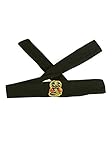
- Warrior Spirit - Embody the spirit of a warrior with this iconic Cobra Kai headband. Strike first, strike hard, no mercy. More than just a piece of cloth, this Cobra Kai headband in adult size is a testament to the timeless karate movie.
- Durable Comfort - Experience the blend of 85.5% cotton, 9.3% polyester, and 5.2% rayon in this Cobra Kai costume headband that ensures durability and comfort. Soft to the touch, yet sturdy enough to withstand training sessions, the adult Cobra Kai costume headband keeps you cool and focused with its breathable fabric.
- Bold Statement - Make a bold statement with the Cobra patch applied to the front of this Karate Kid headband in adult size, symbolizing agility and deadly precision. This Karate Kid headband is a proud declaration of your fandom.
- Secure Fit - Enjoy a secure and comfortable fit with the self-tie Cobra Kai headband. The adjustable ties ensure that the costume headband stays in place during your most intense training sessions or costume parties, allowing you to focus purely on your technique and strategy.
- Cinematic History - Own a piece of cinematic history with this officially licensed Karate Kid headband. It's not just collectible merchandise; this head band is a badge of honor for every Karate Kid enthusiast.
By promising an ending without dangling threads, the creators are signaling that these characters won’t be trapped in a cycle of dojo allegiances forever. Season 6 has the opportunity to show who they become when karate is no longer a battlefield, but a lesson they carry forward.
Rivalries That Were Designed to Burn Out, Not On
Cobra Kai has always understood that rivalries are only compelling when they transform. Kreese, Silver, and the darker impulses of the Cobra Kai philosophy were never meant to reign indefinitely; they exist to be confronted, exposed, and ultimately neutralized. Each season has narrowed their influence, making a clean resolution feel structurally inevitable.
A cliffhanger would have undercut that slow dismantling. Instead, the confirmation of a definitive ending reinforces that the show knows which conflicts deserve finality and which lessons need to stick.
A Series That Planned Its Exit as Carefully as Its Comeback
Unlike many long-running streaming hits, Cobra Kai never relied on shock resets to stay relevant. Its emotional momentum came from accumulation, from watching choices compound across years. That storytelling style only works if there’s a destination waiting at the end.
Season 6, by design, isn’t about keeping the fight alive. It’s about honoring the journey from scrappy underdogs to fully realized legends, and letting that transformation stand without an asterisk or a tease for what might come next.
Character Endgames That Matter: Johnny, Daniel, and the Next Generation’s Final Arcs
If Cobra Kai is ending without a cliffhanger, it’s because its most important stories have already been steering toward resolution for years. The co-creator’s confirmation doesn’t suggest a lack of drama in Season 6; it suggests confidence that the emotional work has been done. This final stretch is about landing those arcs with intention, not prolonging them for momentum’s sake.
Johnny Lawrence’s Long Road to Self-Acceptance
Johnny’s arc has always been the beating heart of Cobra Kai, and it’s also the one most vulnerable to feeling unfinished if mishandled. From the pilot onward, his journey has been less about reclaiming past glory and more about learning how to live with his mistakes without letting them define him. Season 6 has the chance to close that loop by showing Johnny not as a redeemed caricature, but as a man who’s finally stopped running from himself.
A no-cliffhanger ending matters here because Johnny’s story has never been about what comes next, but about whether he can arrive somewhere emotionally stable. The show doesn’t need to promise him perfection, only peace. Letting Johnny stand still, even briefly, would be the most radical ending Cobra Kai could give him.
Daniel LaRusso and the Burden of the Myth
Daniel’s challenge has always been different. He didn’t need redemption; he needed perspective. Over the seasons, Cobra Kai steadily peeled back the unintended consequences of Daniel clinging too tightly to a version of himself frozen in 1984.
Quick wins for a faster PC:
Repair Windows errors before they cause bigger problemsFix Now →Fix the driver behind crashes, sound loss and screen glitchesFind Drivers →Clear out junk files and repair common Windows errorsFree Scan →Season 6 offers Daniel the opportunity to step out of the role of karate gatekeeper and into something more reflective. A definitive ending allows his story to resolve not with another victory, but with acceptance that Miyagi-Do was a foundation, not a rulebook. Closure, in Daniel’s case, means learning when to let go of the legend and trust the legacy to stand on its own.
The Next Generation’s Futures Beyond the Mat
For Miguel, Robby, Sam, and Tory, the promise of no cliffhanger is especially significant. These characters have already done the hard work of disentangling themselves from inherited rivalries, and Season 6 doesn’t need to trap them in one last endless cycle of wins and losses. What fans want, and what the creators seem intent on delivering, is clarity about who these kids are when the dojo doors finally close.
Rank #3

- Created by costume agent: america's favorite pop culture halloween costume superstore; white or black headband made from 100% polyester; headband size: 2.5 inches by 4.2 inches
- One size fits most; includes 1 white lotus flower headband only; great accessory for any halloween costume or comic con cosplay outfit for cosplay events or celebrations all year
- Transform into your favorite character this halloween when you add this quality lotus & cobra headband to your costume; these designs are inspired by the early-1980s karate movie
- Great for halloween or as a gift to a fan of martial arts movies or for someone who's a student of karate; almost makes great display piece in man cave if you're a classic movie fan
- A symbol of discipline, skill, and the legacy of martial arts mastery.
That doesn’t mean tidy answers or identical outcomes. It means seeing them choose paths that feel earned, shaped by karate but not confined by it. Ending their stories decisively signals that Cobra Kai believes growth is the point, not perpetual conflict.
Why Finality Is the Right Choice for This Story
By confirming that Season 6 won’t end on a cliffhanger, the creators are reinforcing a core truth about Cobra Kai: this series was never about endless escalation. It was about consequences, evolution, and the slow recalibration of identities forged in competition. A clean ending allows those themes to resonate instead of resetting them.
Do these 3 things before closing this tab:
1Clear out junk files and repair common Windows errors2Fix the driver behind crashes, sound loss and screen glitches3Repair Windows errors before they cause bigger problemsFor a show built on revisiting the past, choosing not to dangle the future is a bold and reassuring move. It tells fans that when Cobra Kai ends, it won’t be because the fight was cut short, but because the characters finally learned how to stop fighting.
Resolving Rivalries, Not Restarting Them: How Season 6 Plans to Close the Loop on Decades of Conflict
From the very beginning, Cobra Kai thrived on the idea that rivalries never really die; they just change hands. Johnny versus Daniel was never only about a high school tournament, but about unresolved identity, pride, and regret that calcified over decades. Season 6, according to the co-creator’s confirmation of a no-cliffhanger ending, isn’t interested in sparking one more round of that cycle.
Instead, the final season positions resolution as the ultimate victory. Longstanding conflicts are treated not as fuel for future spinoffs or dangling threads, but as emotional arcs that have reached their natural end. For a series that has constantly asked whether people can truly change, stopping the fight matters more than winning it.
Johnny and Daniel: Beyond the Scorecard
Johnny Lawrence and Daniel LaRusso have already fought, reconciled, relapsed, and redefined their rivalry multiple times. Season 6 understands that repeating that pattern again would feel less like homage and more like stalling. The promise of no cliffhanger signals that their relationship is headed toward a stable truth, not another temporary truce.
That doesn’t mean erasing tension or pretending the past never happened. It means allowing both men to finally coexist without needing an external enemy to justify their growth. Closure here looks like mutual understanding, not another decisive punch.
The End of Kreese and Silver’s Shadow
Cobra Kai’s most toxic philosophies have always been embodied by John Kreese and Terry Silver, men who thrive on unfinished wars. Season 6’s commitment to finality suggests that their influence, whether through redemption, defeat, or consequence, will no longer loom as an open threat. The story isn’t interested in keeping their legacy alive indefinitely.
For fans, this matters because it draws a clear line between confronting the past and being haunted by it. If Cobra Kai is about breaking generational cycles, then those cycles must actually end on screen. A no-cliffhanger finish implies accountability, not escape.
Conflict as Resolution, Not a Reset Button
The co-creator’s confirmation reframes how fans should view Season 6’s inevitable confrontations. Fights will still happen, rivalries will still clash, but their purpose is different now. These conflicts are designed to resolve questions, not pose new ones.
Recommended Free Tools
By choosing closure over ambiguity, Cobra Kai affirms that its story has always been finite. The characters don’t need another looming threat to stay relevant; they need the space to live with the choices they’ve made. Season 6 isn’t about restarting old wars, but finally letting them end.
Rank #4

- METICULOUSLY CRAFTED HEADBANDS: Suddora Daniel-San Lotus Tie Headbands are a versatile head accessory designed to elevate your style and enhance your performance during sports and physical activities. This cooling headband is an excellent choice for most indoor-outdoor activities, making you look stylish while protecting you from sun rays.
- LIGHTWEIGHT, BREATHABLE & ABSORBENT: Our bandana headband for men is made with our Performance Blend material to offer optimal comfort and airflow, keeping you cool during even the most intense physical activities. This athletic headband is super lightweight, absorbent, and effectively wicks away sweat to keep you dry and focused.
- VERSATILE TIE STYLE FOR NON-SLIP FIT: The tie style of our sports headband ensures a non-slip fit, making it ideal for various sports and activities. Whether you're running, working out, or wearing it with a helmet during bike rides, this cooling headband will stay securely in place, allowing you to focus on your performance without any distractions.
- MULTIUSE FOR SPORTS & FASHION WEAR: This sweat-wicking headband for women can be used to keep your hair back during the day, whether you're cycling or at the gym. Additionally, it adds a trendy touch to your outfits. It's also a popular choice for those looking to create authentic ninja costumes or Karate-themed Halloween outfits.
- THE SUDDORA QUALITY: At Suddora, we take pride in crafting our headbands with meticulous attention to detail. Each headband is printed, cut, and sewn by our finest craftsmen and craftswomen. This ensures that every headband meets our high standards of quality, durability, and style. When you choose Suddora, you're choosing unmatched quality!
Thematic Payoff: Balance, Legacy, and Letting Go as the Core of Cobra Kai’s Final Message
At its heart, Cobra Kai has never just been about karate trophies or dojo dominance. It’s been a long-running argument about balance: between strength and mercy, pride and humility, holding on and knowing when to step away. The confirmation that Season 6 ends without a cliffhanger suggests the show intends to answer that argument definitively.
This matters because Cobra Kai has spent six seasons deliberately blurring moral lines. Heroes fail, villains evolve, and philosophies once treated as gospel are exposed as incomplete. A closed ending signals that the series is ready to stop interrogating those ideas and instead show what balance actually looks like when the fighting ends.
Redefining Legacy Beyond Victory
Legacy has always loomed large in Cobra Kai, from Miyagi-Do’s spiritual inheritance to Cobra Kai’s corrosive “no mercy” mantra. Season 6 appears poised to reframe legacy not as something you impose through dominance, but something you leave behind through example. That shift aligns with a no-cliffhanger philosophy, because legacy only becomes clear once the story stops moving.
What’s actually slowing this PC down?
Pick the symptom - the matching free tool is one click away.
For characters like Johnny, Daniel, and even their students, the final message isn’t about who wins the last match. It’s about what remains after the trophies collect dust. By committing to a definitive ending, the creators are signaling that Cobra Kai’s legacy will be measured in growth, not unresolved rivalries.
Letting Go as the Ultimate Act of Growth
Perhaps the most mature thematic turn Cobra Kai can make is embracing letting go as strength, not surrender. Many of its central conflicts exist because characters refuse to release old grudges, old identities, or old versions of themselves. A season designed without dangling threads implies that those emotional knots will finally be untied.
For longtime fans, this is a reassuring promise. It means the show isn’t interested in preserving tension for the sake of future seasons or spinoff bait. Instead, Cobra Kai Season 6 aims to honor its characters by allowing them to step forward unburdened, even if that means stepping out of the spotlight.
Closure as a Creative Statement
In an era where streaming hits are often kept alive as long as possible, a no-cliffhanger ending is a creative choice as much as a narrative one. It reflects confidence in the story Cobra Kai has already told. The co-creator’s confirmation underscores that this series knows exactly where it’s going and, more importantly, when to stop.
The Tool Desk
Outbyte PC Repair FREEClear out junk files and repair common Windows errorsFree Scan →Outbyte Driver Updater FREEScan for outdated or missing drivers - takes under a minuteDriver Scan →That sense of intention shapes expectations for the final season. Fans aren’t being asked to brace for a shocking cutoff or unresolved fate. They’re being invited to witness a complete arc, one where balance is achieved, legacies are clarified, and the fight finally ends on purpose.
Independent reader supportYour contribution helps us test, update, and keep practical guides available for everyone.What This Means for Fans Going In: Setting Expectations for the Tone and Shape of the Series Finale
The confirmation that Cobra Kai will end without a cliffhanger fundamentally reframes how fans should approach Season 6. This isn’t a finale built to provoke anxiety or speculation about what comes next. It’s designed to be absorbed, reflected on, and ultimately felt as an ending in the fullest sense of the word.
Rather than escalating chaos or stacking last-minute twists, the season is positioned to slow down where it matters most. Emotional resolution takes priority over shock value, allowing the show’s long-running arcs to land with intention instead of urgency.
A Finale Driven by Resolution, Not Surprise
Fans should expect a season that favors payoff over provocation. The absence of a cliffhanger suggests that major conflicts will be addressed directly, not deferred for dramatic effect. Rivalries that have simmered since the early episodes are likely to find clarity, even if that clarity comes through compromise rather than victory.
Best Value
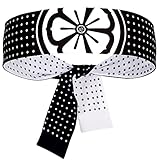
- Tornado Karate: We design this tornado pattern in the center of lotus to enhance the sense of power. We hope this will bring a stronger visual experience for fans. This headband can be used for many events, such as karate training, martial arts, Halloween cosplay, costume party, movie shows, folk shows, etc.
- Reversible: We design the white and black digital printing on both sides of headband not like others in order to boost more fun and functional to play. Significantly, the digital print is much more clear and vivid than ink print.
- Breathable: We focus on high quality by the premium material to make sure our sweatband being soft, stretchy and breathable. Its fabric can wick sweat away quickly not like absorbed cotton.
- Enjoyable: Around 2" W x 38" L size fits the most people’s expectation. We also provide the maintenance manual with product, take it easy.
- Premium: As a responsible brand, we look forward to meeting customers’ desire for quality. Please contact us free if you have a question.
This doesn’t mean the season will lack intensity. Cobra Kai has always thrived on high-stakes emotion, but here the tension is expected to come from choice and consequence, not unanswered questions. The drama lies in watching characters decide who they are when there’s no next season to hide behind.
Character Endpoints Over Open Doors
One of the most meaningful implications of a no-cliffhanger ending is that characters will be allowed to arrive somewhere definitive. Johnny Lawrence’s arc, in particular, has always been about forward motion after decades of stagnation. A closed ending implies he won’t be left mid-transformation, but firmly on the other side of it.
The same applies to Daniel, the students, and even the show’s antagonistic forces. Fans shouldn’t expect every future detail to be spelled out, but they can expect to understand where each character stands when the dust settles. The show is signaling confidence that emotional clarity matters more than narrative flexibility.
A Tone That Honors the Journey
Tonally, Season 6 is shaping up to be reflective without being sentimental. Cobra Kai has earned its sincerity, and a definitive ending allows it to lean into that without apology. Humor, nostalgia, and combat will still be present, but they’re framed by an awareness that this chapter is closing.
For fans who have grown alongside these characters, that tone matters. It suggests a finale that respects the time, emotional investment, and loyalty of its audience. Rather than chasing one last viral moment, Cobra Kai appears focused on delivering an ending that feels earned, complete, and true to the story it’s been telling all along.
Life After Cobra Kai: Why a Clean Ending Strengthens the Show’s Legacy (and Leaves the Door Gently Ajar)
By confirming that Season 6 will end without a cliffhanger, Cobra Kai’s creators are making a deliberate statement about legacy. In an era where finales often hedge their bets, this choice prioritizes completeness over contingency. It suggests a series confident enough to finish its story without relying on unresolved tension to stay relevant.
A clean ending doesn’t just serve the narrative; it protects the emotional integrity of the show. Cobra Kai has spent six seasons revisiting old wounds and forging new bonds, and those arcs deserve resolution rather than suspension. Ending decisively ensures the series can be remembered for what it achieved, not for what it withheld.
Closure as a Creative Strength
For long-running fan favorites, closure is often the hardest thing to get right. Too much finality can feel abrupt, while too little leaves audiences feeling shortchanged. Cobra Kai’s no-cliffhanger approach signals a middle path, where stories conclude with intention, but without over-explaining every possible future.
Free tools Windows power users keep installed
One-click scans. No signup required.
This kind of ending allows viewers to carry the characters forward in their own imaginations. We may not see every step Johnny, Daniel, or the students take next, but we’ll know enough to believe in where they’re headed. That trust in the audience is a mark of creative maturity.
A Legacy That Stands on Its Own
Ending cleanly also helps Cobra Kai stand apart within the Karate Kid universe. Rather than positioning itself as a perpetual bridge to another chapter, the series can exist as a complete story with a clear beginning, middle, and end. That self-containment strengthens its identity and makes it more satisfying to revisit in the future.
At the same time, a resolved ending doesn’t erase possibility. Spin-offs, reunions, or future stories remain viable precisely because the main narrative isn’t left dangling. Any return would feel like an extension, not an obligation to finish unfinished business.
The Door Is Closed, Not Locked
The key distinction here is intention. Cobra Kai isn’t ending because it ran out of story, but because it chose the right moment to stop. That choice leaves the door gently ajar, open to inspiration rather than necessity.
For fans, that’s reassuring. Season 6 isn’t about setting up the next thing; it’s about honoring what’s already been built. By committing to a no-cliffhanger finale, Cobra Kai is ensuring its final bow feels definitive, respectful, and earned, the kind of ending that lets a series live on not through unanswered questions, but through lasting impact.
Quick Recap
Product prices and availability are accurate as of the date/time indicated and are subject to change. Any price and availability information displayed on Amazon at the time of purchase will apply.