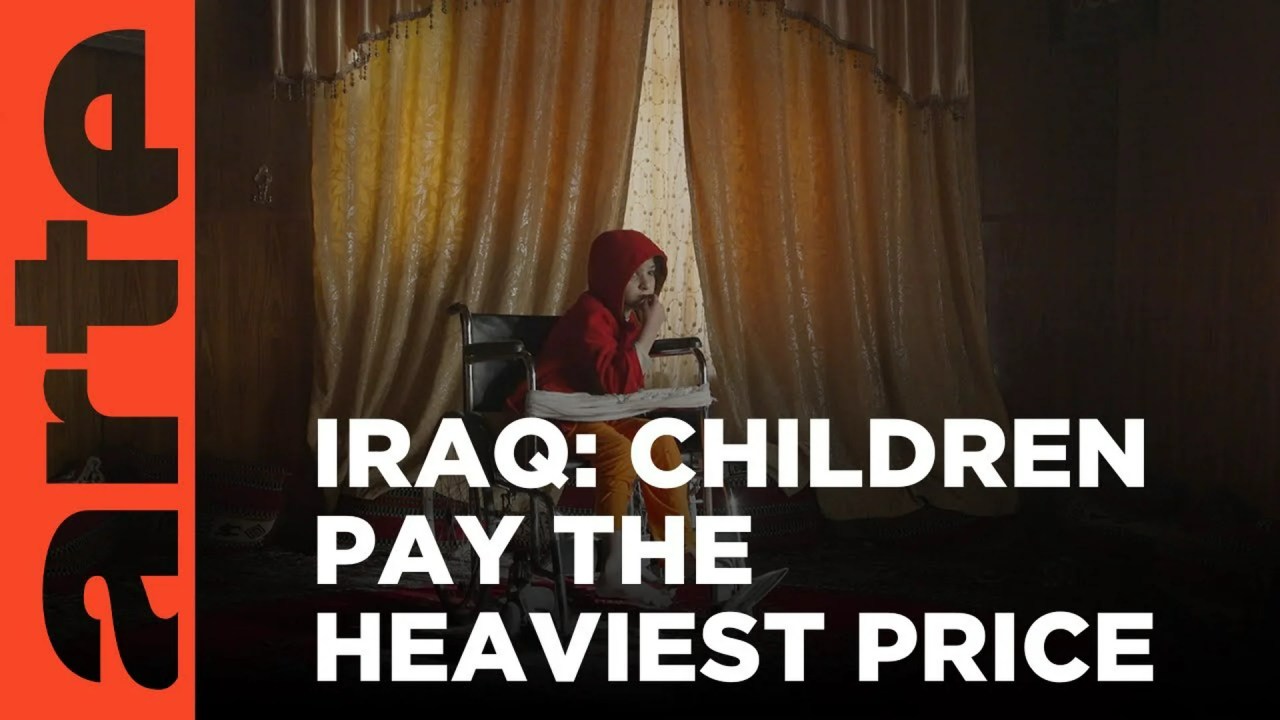
Southern Iraq faces a devastating public health crisis. In Basra, infant mortality rates are so severe that three cemeteries have been created solely for children. Pollution from the oil industry is widely blamed, but the toll extends far beyond mortality. Between 1994 and 2003, congenital malformations surged 17-fold—14 times higher than those recorded in Nagasaki or Hiroshima after the atomic bombings.
In Nehran Omar, a town of just 2,000 people near Basra, families are overwhelmed by the prevalence of childhood disabilities and cancer deaths. The legacy of depleted uranium weapons has left radioactive dust contaminating soil, water, and livestock, compounding the suffering.
The population endures multiple layers of environmental assault: radiotoxic fumes from bombings, untreated sewage, drought, climate stress, and toxic emissions from hydrocarbon combustion, including carbon dioxide and benzene. Although laws exist to shield citizens from pollution, enforcement is absent. With oil revenues accounting for nearly 90% of Iraq’s budget, economic dependence has silenced protection, leaving communities to bear the full weight of industrial and wartime contamination.